
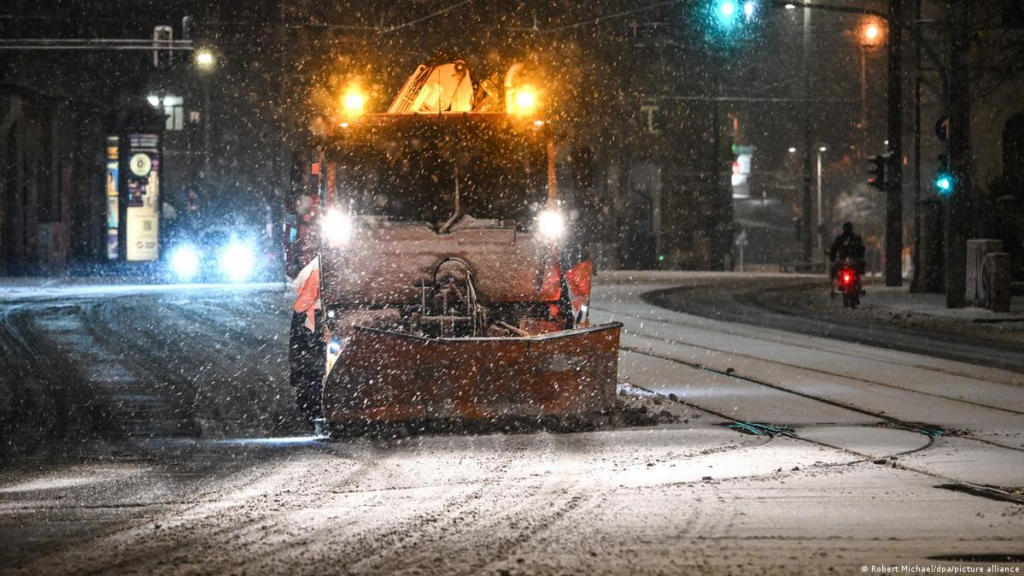
In recent days, Germany has been grappling with challenging snow and ice conditions that have led to numerous travel disruptions and school closures nationwide. As storm low “Gunda” takes hold, mirror-smooth roads across western Germany have created hazardous conditions, prompting icy road warnings from officials. These treacherous elements have significantly impacted winter travel, with airports like Frankfurt experiencing about 100 flight cancellations due to inclement weather. The persistent wintery mix has also caused delays in regional train services, particularly in Lower Saxony and Hamburg, complicating the travel plans of many across the country. For those planning to venture outdoors, it’s essential to stay informed on Germany weather storm updates and heed winter travel safety tips to navigate these hazardous conditions effectively.
Germany’s winter landscape is currently dominated by icy conditions and heavy snowfall, presenting a myriad of challenges for residents and travelers alike. This period of severe weather, marked by the influence of storm systems, has caused significant disruptions in transportation and prompted widespread school closures. As roadways transform into glistening sheets of ice, authorities have issued warnings concerning safety on the roads. Train schedules have also been adversely affected, with many routes experiencing delays or cancellations. As residents adapt to the realities of winter weather, understanding the implications of these seasonal shifts is crucial for ensuring safety and maintaining effective travel within the region.
Current Snow and Ice Conditions in Germany
As of January 12, 2026, Germany is facing significant winter weather challenges due to storm low ‘Gunda’, which is bringing snow and freezing rain, particularly affecting the western regions. Mirror-smooth roads have become a common sight, and this has prompted the continuous operation of winter services to ensure safe travel. Unfortunately, major schools have remained closed, which has added to the difficulties faced by parents and students alike. The icy road warnings issued by local authorities highlight the hazardous conditions, advising residents to minimize travel unless absolutely necessary.
In areas such as North Rhine-Westphalia and Rhineland-Palatinate, the combination of rain on frozen surfaces has contributed to a series of accidents on highways, making this an exceptionally perilous time for drivers. The German Weather Service has indicated that the second-highest weather warning level is still in effect, advising people of the potential ‘danger to life and limb.’ With icy conditions expected to persist, residents are urged to stay updated on weather reports and local advisories.
Travel Disruptions Amid Winter Storms
The impact of low ‘Gunda’ on transportation systems has been palpable, particularly at major transport hubs like Frankfurt Airport, where around 100 flights were canceled due to adverse weather conditions. The airport had issued alerts for passengers to verify their flight status and prepare for potential delays. Similar disruptions were noted in Munich and Nuremberg as winter weather led to flight cancellations and travel delays. Travelers planning to navigate through Germany should consider alternative arrangements and stay informed about potential changes.
Moreover, winter storm conditions have resulted in significant travel disruptions on regional and long-distance train services. Reports show that trains operating between major cities, including Hanover, Frankfurt, and Berlin, have faced reduced speeds, cancellations, and delays. This has led to frustration among commuters and long-distance travelers alike. With the railway company suspending binding ticket conditions for travel, it provides some relief to passengers who may need to adjust their travel plans due to the ongoing weather challenges.
Icy Road Warnings and Safety Tips
With the severe winter weather affecting Germany, icy road warnings have become a crucial aspect of travel safety. Authorities emphasize the need for caution when driving during these conditions, advising against unnecessary travel. Due to the freezing rain and snow accumulation, roads across several states, including North Rhine-Westphalia, have become particularly treacherous. This situation demands a high level of awareness from drivers to avoid accidents and ensure their safety.
To navigate the icy roads safely, motorists are encouraged to adjust their driving behavior by reducing speed, increasing following distance, and utilizing winter tires when possible. Local governments and safety agencies provide winter travel safety tips to help citizens prepare for hazardous conditions. Additionally, utilizing public transportation when feasible can significantly lower risks and contribute to personal safety during extreme winter weather.
School Closures Across Germany
As storm conditions continue to bring about challenging weather, many schools across Germany have opted to close their doors to ensure the safety of students and staff. Particularly in regions like North Rhine-Westphalia, Lower Saxony, and Bremen, the icy roads and hazardous conditions have necessitated decisions to halt in-person classes. Education officials have emphasized that while schools are closed, students are still required to engage in their studies through distance learning methods.
This approach aims to prevent injuries related to traveling on dangerous routes while maintaining the educational continuity for students. Authorities are communicating with parents to keep them informed about distance learning arrangements, emphasizing that this situation is temporary but necessary for safety. As conditions evolve, reassessing school operations will be crucial for both officials and families alike.
Weather Alerts and Forecasts for German Regions
Monitoring current weather alerts and forecasts is essential for anyone living in or traveling through Germany during this wintery period. The German Weather Service continues to provide updates on storm conditions, issuing alerts for various regions affected by snow and icy weather. The presence of winter storm warnings emphasizes the need for preparedness among the populace, advising people to plan their activities accordingly based on predicted weather patterns.
As the cold fronts move through the country, residents can expect fluctuations in conditions, necessitating an awareness of changing alerts. Staying connected to reliable weather sources allows individuals to navigate these winter challenges efficiently and ensures better planning for travel, work, and day-to-day life amidst the storm.
Understanding Germany’s Winter Maintenance Operations
With the outbreak of winter storms like low ‘Gunda’, understanding the operations of winter road maintenance becomes crucial. Many regions have deployed winter service vehicles and personnel to salt and clear roads to maintain travel safety. These operations are essential not just for drivers but also for emergency services that need access to navigate during storms effectively. While these efforts are ongoing, it is still advisable for the public to remain cautious and limit travel whenever possible.
The winter service teams work tirelessly to ensure that highways and local roads are navigable, but the unpredictability of winter weather can still lead to hazardous conditions. Communities are encouraged to report any significant accumulations of ice or snow to local authorities to aid in the quick response efforts. Awareness and cooperation can enhance safety for all during these challenging winter months.
Planning Your Travel During Winter Storms
For those planning to travel during winter storms in Germany, thorough preparation is key. Checking weather forecasts and advisories can prevent unexpected disruptions and ensure a safer journey. Travel disruptions can be common during harsh weather, and being prepared means knowing alternative routes and staying informed about transportation schedules, especially for trains and flights that may be affected by storm low ‘Gunda’.
In addition to having reliable sources for storm updates, travelers should equip themselves with necessary supplies in their vehicles, such as warm clothing, food, and water. Having a well-thought-out travel plan can be the difference between a smooth journey and an unexpected ordeal on the icy roads. Reliability on winter travel safety tips can enhance the travel experience even in adverse conditions.
Impact of Winter Conditions on Everyday Life
The winter storms affecting Germany have far-reaching consequences that extend beyond travel and schooling. The icy conditions have altered daily routines for many, influencing everything from work schedules to local businesses. Many parents are left to navigate the challenges of child care due to school closures, while businesses may experience declines in foot traffic due to travel advisories.
It is essential for communities to come together, offering assistance to those impacted by these changes. Local support networks can provide resources for families managing remote learning and for those with travel-related difficulties. Weather events like these highlight the importance of community resilience in overcoming the challenges posed by winter storms and icy conditions.
Planning for Future Winter Weather Events
As Germany experiences winter storms with increasing frequency, communities and individuals can benefit from learning how to prepare for future weather events. It’s crucial to create personal and family preparedness plans that consider potential school closures, transportation disruptions, and safety equipment for vehicles. Awareness of local resources can help residents access assistance during adverse conditions.
Involving local organizations can assist in the planning process to ensure effective communication within neighborhoods about available help during storm events. By analyzing past winter storms and their impact, communities can better understand their vulnerabilities and work towards enhancing their preparedness for future winter weather challenges.
Frequently Asked Questions
What are the current German snow and ice conditions affecting winter travel safety?
As of January 12, 2026, Germany is experiencing severe winter weather with storm low ‘Gunda’ causing snow and freezing rain, particularly in the West. Roads are reported to be mirror-smooth, leading to dangerous driving conditions. Travelers should exercise caution and consider public transport given the icy conditions across many regions.
How have icy road warnings impacted travel disruptions in Germany?
Icy road warnings remain in effect across large parts of Germany, especially in North Rhine-Westphalia and Lower Saxony. Dangerous conditions have led to numerous traffic accidents and slow-moving traffic, prompting many schools in these regions to remain closed. It is advisable to stay updated on travel disruptions and road conditions if you plan to drive.
Are there any school closures in Germany due to the snow and ice conditions?
Yes, many schools in North Rhine-Westphalia, Lower Saxony, and Bremen are closed due to the severe icy conditions. Although classes are not canceled, they have shifted to distance learning formats to ensure student safety. It’s important for parents and students to keep informed about any updates from local authorities.
How can travelers navigate disruptions caused by the winter weather in Germany?
Travelers should remain vigilant regarding travel disruptions in Germany related to snow and ice conditions. This includes checking flight statuses at airports such as Frankfurt, where multiple flights have been canceled, and staying informed on regional train delays and cancellations. Allowing extra travel time and considering alternative transport options are recommended.
What winter travel safety tips should I follow given the icy road conditions in Germany?
When facing icy road conditions in Germany, it’s crucial to drive cautiously. Maintain a longer following distance, reduce speed, and avoid sudden braking or sharp turns. Consider using public transport and, if necessary, allow for extra travel time. Always check weather updates and heed warnings from the German Weather Service before embarking on any journey.
| Key Point | Details |
|---|---|
| Current Weather Event | Low ‘Gunda’ is bringing snow and freezing rain across western Germany. |
| Road Conditions | Many highways are mirror-smooth due to ice; dangerous slick roads are present. |
| Impact on Schools | Schools in North Rhine-Westphalia, Lower Saxony, and Bremen remain closed. Students engage in distance learning. |
| Flights Affected | Frankfurt Airport saw around 100 flight cancellations due to snow and ice; similar conditions impacted Munich and Nuremberg. |
| Train Services | Regional trains face restrictions; long-distance routes are operating at reduced speeds. Specific trains are canceled. |
| Weather Alerts | The second-highest weather warning level for icy conditions is active in many regions of Germany. |
| Advice for Public | People are advised to avoid driving due to dangerous road conditions. |
Summary
German snow and ice conditions have created significant hazards across the country leading to widespread disruptions. With the recent low ‘Gunda’ causing hazardous weather, authorities have taken measures such as closing schools and advising the public against travel. The impact on transportation, particularly in urban areas, highlights the urgent need for safety precautions during severe weather events.

