
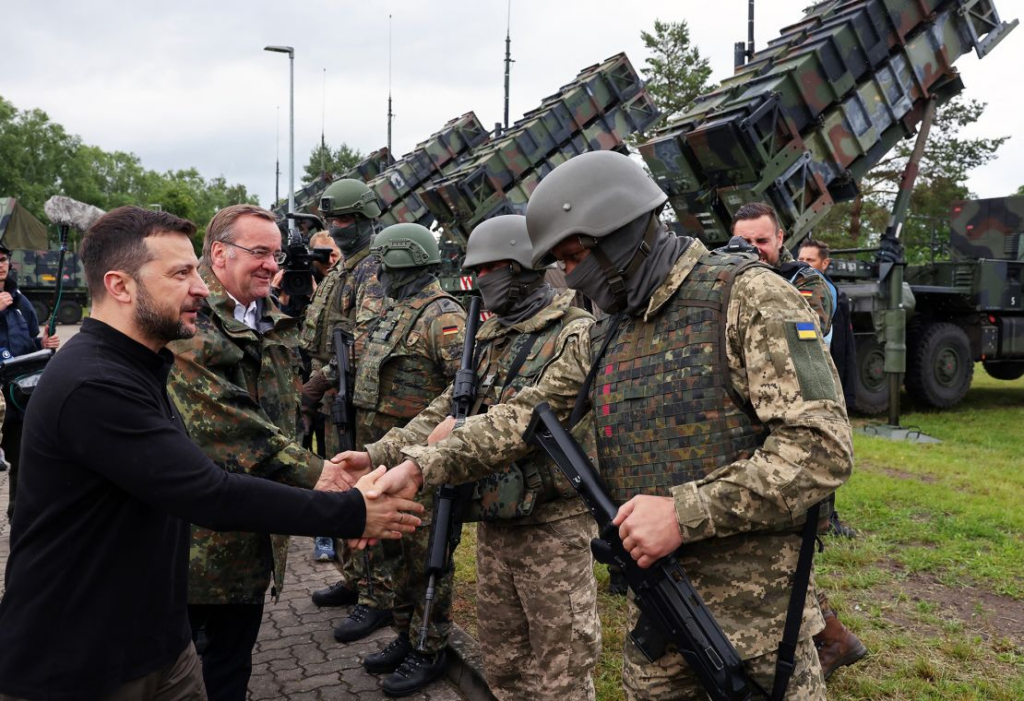
German participation in Ukraine remains a focal point of international discussions, particularly in the context of the proposed peacekeeping force in Ukraine envisioned by the “Coalition of the Willing.” As Chancellor Friedrich Merz navigates the complex landscape of potential Bundeswehr involvement, his statements reveal a cautious yet open approach. With the involvement of various countries, including Canada, Australia, and European allies, the need for a multinational response is underscored, especially after Russian President Vladimir Putin’s rejection of foreign troops. Political discourse continues as key figures emphasize that peacekeeping efforts hinge on a clear ceasefire. Ultimately, the conversations surrounding this European security initiative will shape Germany’s role and contributions toward stability in Ukraine.
The situation in Ukraine has sparked significant interest regarding Germany’s military engagement, particularly in the context of potential troop deployments. The idea of a collaborative peacekeeping mission, involving various nations including Germany, has led to a series of discussions and strategic planning efforts. Chancellor Merz’s approach reflects the delicate balance between ensuring regional security and responding to the geopolitical implications of instability. As the international community contemplates frameworks for intervention, the conversation centers on the necessity for Germany’s military, specifically the Bundeswehr, to possibly play a role in safeguarding Ukraine’s future. This ongoing dialogue highlights the strategic importance of unity and cooperation among global powers amidst rising tensions in Eastern Europe.
The Coalition of the Willing: Forging Paths to Peace in Ukraine
The Coalition of the Willing has emerged as a pivotal alliance devoted to securing a lasting peace in Ukraine amidst ongoing conflict. This multinational force aims to stabilize the region by providing essential support and deterrence against potential aggressors. Various NATO allies, along with non-European members like Canada and Australia, are being called upon to collaborate in this peacekeeping initiative. As Chancellor Friedrich Merz indicated, the complexity of international relations and security in Ukraine requires a united front from multiple nations, emphasizing that collective responsibility is essential for both European and global security initiatives.
With Germany’s strategic role in the Coalition still uncertain, discussions surrounding Bundeswehr involvement are at the forefront of political debate. Chancellor Merz’s hesitance to commit German troops indicates the delicate balance between national interests and international obligations. The safety of Ukrainian citizens and the integrity of Ukrainian sovereignty hinge on the success of this coalition. As tensions rise and the call for enhanced support grows stronger, the need for a robust and coordinated approach involving all coalition partners, including Germany, becomes increasingly apparent.
Germany’s Potential Role in Peacekeeping Operations
Germany’s potential participation in a peacekeeping force in Ukraine raises several critical discussions about military engagement in foreign conflicts. The Bundeswehr’s involvement is contingent on a variety of factors, including political consensus within Germany and the broader geopolitical climate. As indicated by Defense Minister Boris Pistorius, while there is interest in establishing a peacekeeping presence, the final decision hinges on the directives from Russia and the evolving situation in Ukraine. The existing commitments made by European countries reflect a shared responsibility for peace, highlighting that Germany’s role could significantly impact regional stability.
Moreover, the possibility of German troops being deployed showcases a significant shift in defense policy. With commentary from military experts like Gustav Gressel emphasizing the necessity of Western troops in Ukraine, it is clear that Germany must navigate both internal political dynamics and international relations carefully. Concerns about escalation and the implications of military presence in a conflict zone must be thoroughly analyzed, yet the urgent need for a capable defense industry and enhanced support for Ukraine remains paramount. As the international community watches, the discussions around Germany’s involvement will play a crucial role in shaping the future of European security.
Chancellor Merz: Navigating Complexities of Troop Deployment
Chancellor Friedrich Merz’s nuanced position regarding German troop deployment in Ukraine signifies the complexities of international diplomacy and military engagement. In light of ongoing conflicts and diplomatic channels with Russia, Merz’s reluctance to provide a definitive answer reflects a careful consideration of potential repercussions. His recent statements suggest that any commitment would depend heavily on broader negotiations, including responses from President Putin regarding peace agreements. This interplay between diplomacy and military readiness highlights the challenges leaders face when managing public expectations and security obligations.
Furthermore, Merz’s contemplation of a multinational peacekeeping force aligns with Germany’s historical reluctance to engage in military operations abroad. It signals a potential reevaluation of Germany’s defense policy in the context of European security initiatives. As the dialogue surrounding military participation evolves, the Chancellor’s statements will undoubtedly influence both public opinion and geopolitical relations, reinforcing the need for intelligent discourse regarding Germany’s role in global peacekeeping efforts.
Russian Reactions and Their Impact on European Security
Russian President Vladimir Putin’s firm stance against the deployment of foreign troops in Ukraine poses significant challenges for European nations considering participation in peacekeeping efforts. The implications of such a military presence could escalate tensions further, necessitating cautious diplomatic maneuvering. As noted by Chancellor Merz, the ultimate decision on troop deployment hinges on Putin’s reactions and the broader political landscape. This uncertainty creates a complex environment where European leaders must balance military readiness with the potential for diplomatic resolutions.
Moreover, the ongoing conflict has urged European nations to reconsider their strategic defense policies and collective security agreements. The situation in Ukraine serves as a stark reminder of the importance of multinational cooperation and the shared responsibility of nations in maintaining peace. As discussions continue around the Coalition of the Willing, the reactions from Moscow will greatly influence not only Germany’s involvement but also the overall stability of Europe. Ensuring that diplomatic efforts complement military readiness will be key to navigating this volatile geopolitical landscape.
The Importance of Legislative Approval for Troop Deployment
Before any German troops can be deployed as part of the proposed peacekeeping mission, the necessity for legislative approval from the Bundestag stands as a critical hurdle. This democratic process ensures that military engagement, especially in foreign conflicts like Ukraine, is subject to public and parliamentary scrutiny. Discussions among key political figures highlight that although there is some support for participation, significant bipartisan agreement is necessary to move forward. Leaders like Matthias Miersch have articulated that, while there is potential for involvement, the conditions and responsibilities must be clearly defined.
The role of the Bundestag in sanctioning troop deployments cannot be overstated; it epitomizes Germany’s commitment to democratic values, ensuring that military actions reflect public sentiment and collective interests. Furthermore, establishing clear guidelines and objectives for any potential mission is vital to garnering support. As conversations continue within the political arena, the emphasis on democratic processes will shape the nature and extent of Germany’s contribution to the peacekeeping initiatives in Ukraine.
Collaborative Defense: Strengthening NATO Partnerships
The concept of collaborative defense among NATO partners is increasingly relevant, especially in light of the crisis in Ukraine. The potential establishment of a multinational peacekeeping force underscores the commitment of NATO member states to work together in the face of shared security challenges. As a vital member of NATO, Germany’s involvement in discussions surrounding the Coalition of the Willing illustrates the necessity of enhancing collaborative military capabilities. Each member state, including Germany, must play an active role in reinforcing this alliance, ensuring a unified approach to conflict resolution and peacekeeping.
In pursuing a more integrated defense strategy, NATO countries can leverage their combined resources and expertise to provide an effective response to conflicts like that in Ukraine. The emphasis on training, joint exercises, and strategic planning fosters resilience among member nations, enhancing overall security. As Chancellor Merz and other leaders navigate the complexities of potential troop involvement, it is important to remember the overarching goal remains to fortify alliances and promote peace in the region.
The Role of Military Experts in Shaping Defense Strategy
Military experts play an essential role in shaping the discussions surrounding defense strategies, particularly in contexts like Ukraine’s ongoing conflict. Analysts like Gustav Gressel argue that the involvement of Western troops is indispensable for ensuring peace and stability in the region. Their insights inform policy decisions and provide a framework for understanding the implications of military actions. By assessing the risks associated with troop deployments, military experts help leaders navigate complex landscapes and make informed decisions regarding Germany’s potential role in peacekeeping forces.
Moreover, engaging with military professionals allows for a comprehensive evaluation of both tactical and strategic considerations. As discussions unfold regarding the Coalition of the Willing and possible Bundeswehr contributions, the input from defense experts serves to ground policy talks in pragmatic realities. Their recommendations for enhancing Ukraine’s defense capabilities and establishing effective peacekeeping measures will be crucial as the international community seeks a solution to the continuing conflict.
The Future of Peacekeeping in Ukraine: Strategic Considerations
The future of a peacekeeping mission in Ukraine hinges not just on the decisions made by German and other European leaders, but also on strategic considerations that encompass regional stability and international relations. The prospect of a forthcoming ceasefire sparks fundamental questions about how peacekeeping forces will be structured and deployed. Understanding the dynamics of post-war Ukraine will require comprehensive strategic planning to ensure that peace is both achievable and sustainable. As identified by various political figures, any action requires a nuanced approach attentive to the evolving geopolitical climate.
In this context, the role of the Coalition of the Willing will undeniably be significant. Policymakers must weigh the benefits of German participation against concerns related to escalation and Russian responses. Additionally, this will involve not only troop deployment but also the necessity of supporting Ukraine’s long-term defense capabilities through training and material support. As European leaders contemplate the implementation of peacekeeping forces, they will need to establish clear roles and responsibilities, ensuring a cohesive strategy that aligns with both Germany’s values and its commitment to European security.
Frequently Asked Questions
What is the current status of German participation in a peacekeeping force in Ukraine?
As of December 2025, Chancellor Friedrich Merz has left the question of German participation in a peacekeeping force in Ukraine open. Discussions are ongoing within the political spectrum, with significant involvement from the ‘Coalition of the Willing,’ which includes various European and global allies considering military support.
How does Chancellor Merz view the potential for the Bundeswehr’s involvement in Ukraine?
Chancellor Merz has not committed to deploying the Bundeswehr in Ukraine but stresses the importance of the ‘Coalition of the Willing’ as a means to secure peace in the country. He indicated that troop deployment will depend on future developments and Russia’s response to peace negotiations.
What factors influence the decision for Germany to participate in the peacekeeping force in Ukraine?
The decision for German participation in the peacekeeping force will depend on several factors including the approval from the Bundestag, political consensus within governing factions, and the prevailing conditions in Ukraine post-conflict. Key leaders, including Defense Minister Boris Pistorius and others, have emphasized the need for caution and collaboration with allies.
What role does the Coalition of the Willing play in determining German involvement in Ukraine?
The Coalition of the Willing represents a multinational effort to establish a peacekeeping force, and German involvement hinges on broader discussions within this coalition. Chancellor Merz pointed out that members include nations beyond Europe, signaling a global commitment to Ukraine’s security.
What have military experts stated about a possible German role in Ukraine’s security initiatives?
Military experts like Gustav Gressel argue that there is no alternative to Western military presence in Ukraine if long-term peace is to be achieved. They highlight the importance of a strong commitment from Germany, as well as from EU leaders, to provide security for Ukraine against potential future conflicts.
How does the German political landscape affect the decision on troop deployment in Ukraine?
The German political landscape is complex, with leading figures from various parties expressing differing views on troop deployment. Key politicians have suggested that any action must await a clear response from Russia and a formal ceasefire, ensuring that all factions are aligned before committing the Bundeswehr to a peacekeeping mission.
What prerequisites must be met before the Bundeswehr can be deployed in Ukraine?
Before the Bundeswehr can be deployed in Ukraine, a formal resolution from the Bundestag is necessary. Political consensus across major parties is also crucial, reflecting the necessity of collaboration and shared responsibility among European allies concerning Ukraine’s future security.
Are there any conflicts regarding the timeline for potential German troop deployment in Ukraine?
Yes, there are evident conflicts and hesitancies regarding the timeline for German troop deployment. Some politicians advocate for immediate preparations while others suggest waiting for clear signs of peace from the Kremlin, emphasizing a cautious approach to any military involvement.
| Key Points | Details |
|---|---|
| Chancellor Merz’s Stance | Merz has left the question of German troop participation in Ukraine open, emphasizing the multinational nature of the “Coalition of the Willing.” |
| Russian Opposition | President Putin has consistently rejected foreign troop deployment, complicating the situation for potential involvement. |
| Defense Minister’s Position | Defense Minister Boris Pistorius advocates cautious involvement, stating it depends on Putin’s decisions about the situation in Ukraine. |
| Support from Other Nations | The call for a peacekeeping force has broad support from European leaders, but specifics including troop contributions are yet to be defined. |
| Potential Approval Process | Deployment of German troops would require a Bundestag resolution and approval from governing factions, particularly the SPD and Union. |
| Calls for Action | Some leaders, like Jens Spahn and Gustav Gressel, stress the urgency of establishing Western troop presence to prevent future conflicts. |
Summary
The question of German participation in Ukraine remains open, with Chancellor Merz and Defense Minister Pistorius emphasizing a cautious approach. German participation in Ukraine could hinge on future developments regarding a ceasefire and the response from Russia. While there is broad international support for a peacekeeping force, concrete steps toward deployment will require political consensus and careful consideration of the geopolitical landscape.

