
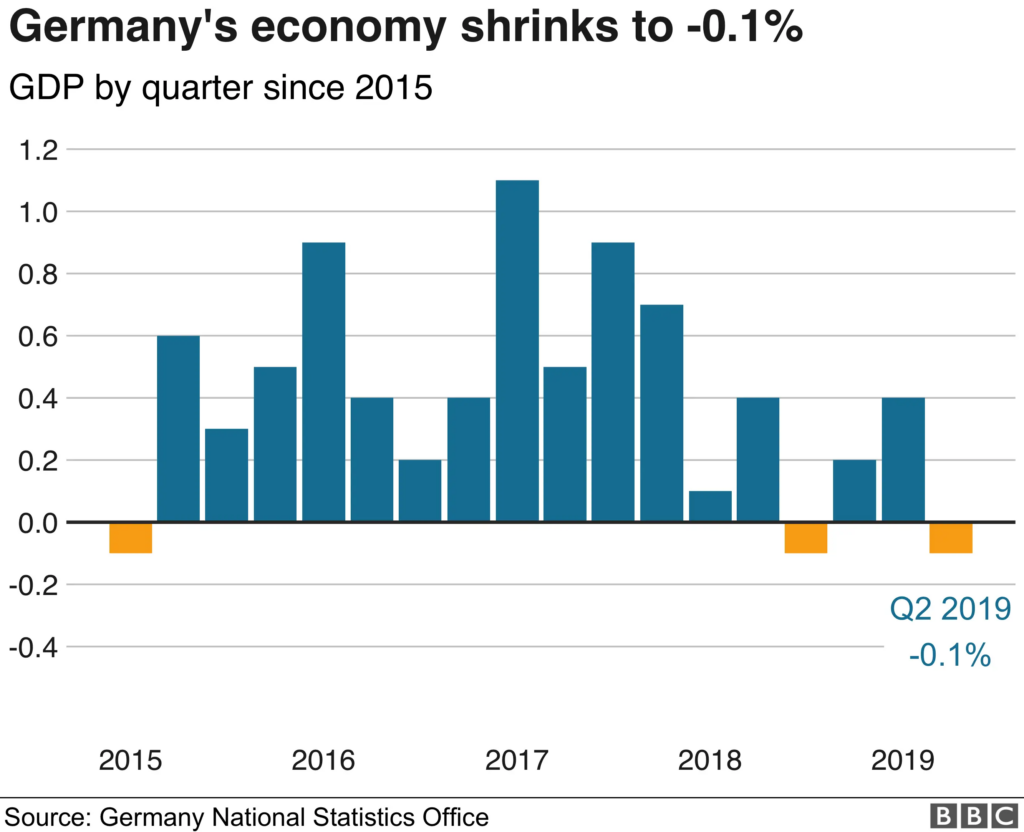
The German economy stands at a critical crossroads as mounting tensions over tariffs threaten its fragile recovery. With the possibility of a trade war looming, experts warn of potential ripple effects on Germany’s robust export sector, which relies heavily on the United States market. Concerns expressed by BDI President Peter Leibinger highlight the damaging impact of US tariffs on Germany, emphasizing that such escalations jeopardize not only bilateral trade but also broader economic stability. As Germany grapples with these economic challenges, the implications of a trade war could hinder its path to recovery and exacerbate existing vulnerabilities. Addressing these economic concerns requires immediate attention to ensure that dialogue prevails over further tariff disputes.
Germany’s economic landscape faces significant turbulence as international trade tensions escalate. The country’s export-driven growth model is increasingly at risk due to potential retaliatory measures and tariff impositions from major trading partners. With voices from the business community urging a diplomatic response, the repercussions of these developments could be felt widely across sectors that depend heavily on exports. The interplay of trade conflicts and economic recovery is crucial, highlighting the need for strategic dialogue to mitigate risks. As these issues unfold, understanding the broader implications of global trade dynamics on Germany becomes essential for navigating future challenges.
The Impact of Tariffs on Germany’s Economy
Tariffs imposed by the United States have a significant impact on the German economy, primarily due to its dependency on exports. With around ten percent of Germany’s total exports directed toward the US market, any increase in tariffs can lead to higher costs for German goods, making them less competitive. This situation not only stifles trade but also raises concerns about the sustainability of economic recovery in Germany. Industry leaders, like Peter Leibinger, warn that escalating tariff disputes may harm businesses on both sides, prompting a reevaluation of trade dynamics.
In light of recent tariff threats from the US, there is an urgent need for Germany to reassess its export strategies. The negative impact of these tariffs could lead to a decline in market share for German companies, particularly in sectors like automotive and machinery, which are vital to the nation’s economy. Moreover, these tariffs contribute to rising economic concerns within Germany, forcing companies to explore alternative markets and strategies to mitigate potential losses.
Frequently Asked Questions
What is the impact of tariffs on Germany’s economy?
The impact of tariffs on Germany’s economy can be significant, particularly due to the country’s strong export sector. Tariffs, especially those imposed by the US, threaten to increase costs for German exporters, potentially leading to decreased competitiveness in international markets and disruptions in trade relations.
How does the trade war influence Germany’s economic recovery?
The trade war, particularly between the US and Germany, poses challenges to economic recovery by creating uncertainty. Export-oriented sectors in Germany may suffer from reduced demand due to tariffs, which can stifle growth and investment, hampering overall economic recovery efforts.
What are the effects of US tariffs on Germany?
US tariffs on German goods can lead to financial strain on German industries, especially in automotive and machinery sectors. Higher tariffs can result in lost sales and market share in the US, which is a crucial destination for about ten percent of German exports, complicating the overall economic landscape.
What challenges does Germany face regarding exports?
Germany faces several export challenges, including geopolitical tensions, global supply chain disruptions, and increased tariffs from major trading partners. These factors can lead to decreased demand for German products abroad, putting pressure on the economy and affecting growth prospects.
What economic concerns does Germany face in light of current global trade issues?
Germany’s economy is grappling with multiple concerns, such as the potential for a trade war, the effects of tariffs, and the need for economic stability. As a highly export-driven economy, these issues can jeopardize its recovery and overall growth, necessitating careful diplomatic navigation.
| Key Point | Details |
|---|---|
| Alarm Bells in the German Economy | The German economy is facing new threats that could derail its recovery efforts. |
| US Tariff Threats | Trump’s tariff threats are seen as an escalation that could negatively impact international relations and trade. |
| Concerns from BDI President | Peter Leibinger voices the risks involved and calls for de-escalation and dialogue to protect the German economy. |
| Impact on Exports | 10% of Germany’s exports are directed to the USA, making it crucial to maintain good trade relations. |
Summary
The German economy is currently facing significant challenges due to escalating trade tensions. The ongoing tariff threats from the US could destabilize the hopes for economic recovery that many in Germany have been working towards. With a substantial portion of German exports relying on trade with the US, it is essential for leaders to engage in constructive dialogue to prevent a detrimental trade war.

