
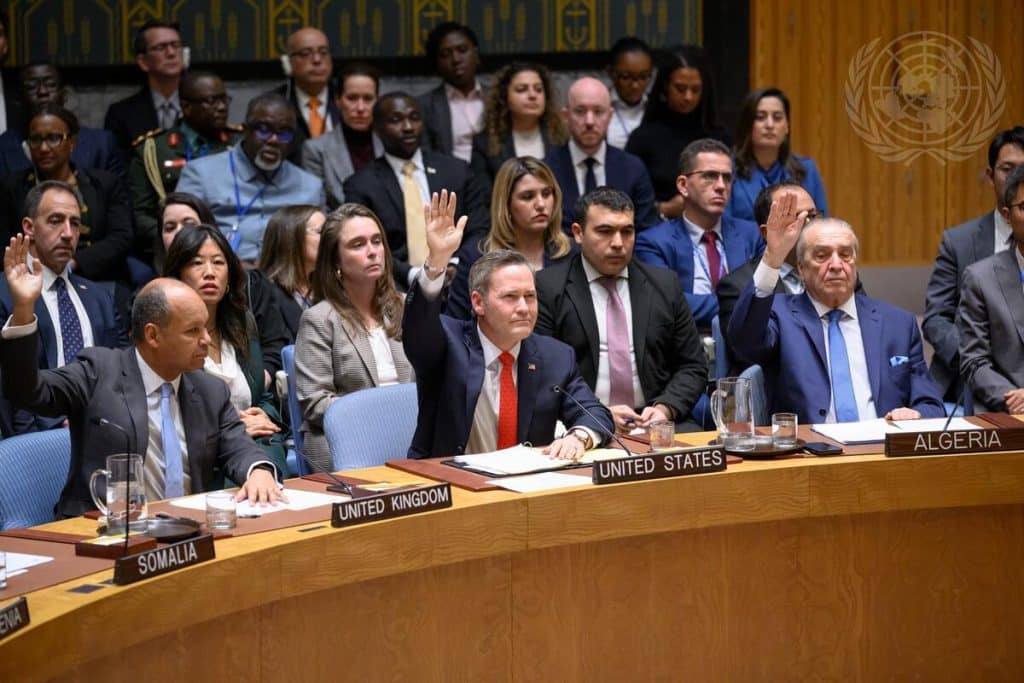
The Gaza Peace Council is emerging as a pivotal force in the complex landscape of Middle Eastern politics, especially following the recent conflict in Gaza. Led by Donald Trump, this council aims to facilitate the much-needed reconstruction of the Gaza Strip while bridging the contentious divide between Israel and the Palestinian territories. However, Israel has voiced strong objections, particularly regarding the involvement of Turkey and Qatar, nations it deems aligned with Hamas. As the world watches, the council’s endeavours not only aim to alleviate humanitarian concerns but also must navigate the intricate web of regional security issues, including Israel’s ongoing security fears. With the stakes high and the eyes of global leaders trained on this situation, the Gaza Peace Council represents both hope and contention in the quest for lasting peace in the region.
The Gaza Peace Council, an initiative spearheaded by prominent figures including Donald Trump, signifies a new chapter in efforts to stabilize and reconstruct the Gaza Strip after years of turmoil. This council represents a unique collaboration of international powers designed to address the multifaceted challenges posed by the Israeli-Palestinian conflict. With notable participants like Turkey and Qatar, the council faces skepticism, especially from Israel, which fears that these nations’ affiliations could complicate security in the region. Beyond reconstruction efforts, the council seeks to establish a transitional Palestinian government, navigating the broader context of geopolitical tensions involving major powers. As the international community looks for solutions, the role of the Gaza Peace Council is critical in shaping a more secure and peaceful Middle East.
The Role of the Gaza Peace Council in Reconstruction
The Gaza Peace Council, spearheaded by Donald Trump, plays a pivotal role in the reconstruction of the Gaza Strip following the devastating war. With an Executive Committee comprising key political figures, including U.S. Secretary of State Marco Rubio and special envoy Jared Kushner, the council is tasked with overseeing the transition to a peaceful and stable governmental framework in Gaza. This reconstruction phase is crucial not just for rebuilding infrastructure, but also for instilling a sense of security amidst the ongoing tension in the region.
However, the Gaza Peace Council’s involvement is generating mixed reactions. While proponents argue that engagement from global powers like Turkey and Qatar can facilitate much-needed resources and diplomacy, critics, particularly from Israel, express serious concerns about these countries’ historical associations with Hamas. These tensions illustrate the complex interplay of international relations in the Middle East, where reconstruction efforts are often seen through the lens of national security and ideological alignment.
Israel’s Security Concerns and International Involvement
Israel’s security concerns are paramount in discussions surrounding the Gaza reconstruction efforts. Opposition leaders in Israel have voiced strong objections to the presence of Turkey and Qatar in the Gaza Peace Council, citing these nations’ relationships with Hamas as a direct threat to Israeli safety. Yair Lapid’s suggestion that Egypt should manage Gaza instead underscores the deep-seated anxieties surrounding the potential for further conflict stemming from a lack of trust in external mediators.
The inclusion of international actors like Germany, Great Britain, and France in Trump’s initiative may ease some tensions, yet the fundamental issues remain unresolved. The overarching narrative of the Middle East conflict continues to overshadow the peace process, indicating that, despite attempts at reconciliation and building understanding, the path forward is fraught with challenges that require delicate balancing of interests from all parties involved.
The Complex Dynamics of Middle East Conflict
The Middle East conflict remains a multifaceted issue that requires nuanced understanding of the historical and political complexities involved. The prospect of a two-state solution, advocated by representatives like Nikolaj Mladenow, has been met with skepticism from the Israeli government. This skepticism is rooted in fears that any concession could bolster Hamas’ position and compromise Israel’s security, thus perpetuating a cycle of violence that has plagued the region for decades.
During his time as a UN envoy, Mladenow emphasized that sustainable resolution can only be achieved through mutual recognition and cooperation between Israelis and Palestinians. Still, achieving consensus within Israel itself is a monumental task, particularly as right-wing factions gain influence. The ongoing discussions surrounding Gaza’s future illustrate this dichotomy—where aspirations for peace are often eclipsed by the realities of entrenched positions and historic grievances.
Turkey and Qatar’s Involvement in Gaza
Turkey and Qatar’s proposed involvement in Gaza reconstruction through the Gaza Peace Council has sparked significant controversy. Israel’s leadership perceives this collaboration as directly undermining its security interests, particularly given the historical context of these nations’ support for groups like Hamas. Critics argue that allowing such nations to participate in a peace initiative could endanger the fragile stability of the region.
Despite these concerns, proponents of Turkish and Qatari involvement argue that their participation is essential for obtaining the necessary funding and aid to rebuild Gaza. This outlook aligns with broader efforts in the Middle East to engage various stakeholders in conflict resolution, showcasing a complex reality where regional powers must often navigate their own domestic politics while contributing to international diplomacy.
Challenges in the Implementation of Ceasefire Agreements
Implementing ceasefire agreements in conflict zones such as Gaza is extremely challenging, particularly when parties involved have divergent interests. The current phase of the ceasefire, which is aimed at allowing humanitarian aid and initiating dialogue, faces hurdles due to the persistent presence of armed groups that advocate for resistance rather than disarmament. The Gaza Peace Council is thus tasked with the formidable challenge of balancing peace initiatives with regional security demands.
Moreover, the overarching goal to establish a transitional government in Gaza while ensuring that Israel’s security concerns are addressed complicates matters further. The commitment from international actors to monitor these processes is crucial but often contingent upon effective cooperation from local factions. It is within this framework that the success of any peace initiative can be measured, highlighting the necessity for sustained diplomacy and engagement from all sides.
The Role of International Diplomats in the Gaza Peace Council
International diplomats play an indispensable role in facilitating the workings of the Gaza Peace Council. With Nikolaj Mladenow positioned as the primary communication link to the Palestinian transitional government, his experience as a former UN envoy is vital for bridging gaps between conflicting parties. His mediation efforts reflect a comprehensive understanding of the complexities involved in negotiating peace within a historically fraught landscape.
However, the success of international diplomatic efforts hinges on the willingness of all parties to engage in constructive dialogue. The Peace Council’s ability to bring together representatives from various nations—including those that have historically viewed each other with suspicion—demonstrates a significant step toward fostering a collaborative environment conducive to lasting peace. Yet, the ultimate effectiveness of such diplomacy remains intertwined with grassroots realities on the ground in Gaza.
The Future of Gaza’s Political Landscape
The future political landscape of Gaza remains uncertain as tensions continue to simmer. The establishment of a transitional government overseen by the Gaza Peace Council could either pave the way for stability or exacerbate existing divisions among Palestinian factions. A key component of this transition will be addressing infrastructural needs while also reconciling differing political ideologies, which may present ongoing challenges to governance.
As international actors push for a more representative and stable administration in Gaza, the reaction from Israel suggests a cautious approach. The peace process must account for the multi-layered nature of Israeli-Palestinian relations, where fears of extremism and terrorism often overshadow constructive negotiations. Thus, the implications of the Gaza Peace Council’s actions extend beyond reconstruction efforts to touch upon broader questions of sovereignty, security, and regional cooperation.
Monitoring International Security in the Gaza Strip
Monitoring international security in the Gaza Strip is a chief responsibility of the Gaza Peace Council. Following years of conflict, the re-establishment of security forces is paramount for aiding the reconstruction process and maintaining a ceasefire. The intricate balance of power among Palestinian groups will need to be managed, with particular attention to how security forces can be deployed effectively without exacerbating tensions.
Moreover, the presence of international security forces suggests a long-term commitment to stability in the region. However, achieving operational success will rely heavily on the cooperation of local actors, addressing the very security concerns that have led to cycles of violence in Gaza. The integration of localized policies aimed at peace and security will be critical in restoring trust and fostering a more stable environment.
Engaging the Global Community in Gaza’s Reconstruction
Engaging the global community in Gaza’s reconstruction is essential for ensuring sustainable development and lasting peace. The Gaza Peace Council, by inviting representatives from multiple countries, seeks to create a unified front where international interests can align with local needs. This collaborative approach is critical not only for accessing resources but also for fostering an inclusive narrative about peace and recovery in Gaza.
However, differing international perspectives on the conflict complicate this endeavor. Bringing nations like Turkey and Qatar to the forefront alongside Western allies may result in a more robust framework for negotiations, but it also risks deepening existing divides. As the reconstruction plan unfolds, fostering dialogue among all stakeholders will be imperative to prevent foreign interests from overshadowing localized dynamics.
Frequently Asked Questions
What is the role of the Gaza Peace Council in the reconstruction of Gaza?
The Gaza Peace Council is tasked with overseeing the reconstruction of Gaza following the conflict, implementing peace processes, and establishing a transitional government. This council, headed by Donald Trump, involves key figures to facilitate collaboration with international stakeholders, ensuring a comprehensive approach towards rebuilding the region.
How does the Gaza Peace Council plan to address Israel’s security concerns?
The Gaza Peace Council aims to address Israel’s security concerns by deploying an international security force and overseeing the withdrawal of Israeli soldiers. By involving stakeholders like Turkey and Qatar, the council intends to mediate a balanced approach to security while fostering reconstruction and stability in Gaza.
Why is Turkish and Qatari involvement in the Gaza Peace Council controversial?
Turkey and Qatar’s involvement in the Gaza Peace Council has generated controversy due to their perceived connections with Hamas, which Israel considers a terrorist organization. Critics argue that their participation could undermine Israel’s security and contradict diplomatic efforts, as articulated by Israeli officials who oppose the council’s structure.
What led to the formation of the Gaza Peace Council after the recent conflict?
The Gaza Peace Council was formed in response to the urgent need for reconstruction and political stability in Gaza following the recent war. With Donald Trump at its helm, the council aims to mediate the complexities of the Middle East conflict and foster international collaboration for Gaza’s recovery.
Who are the key figures involved in the Gaza Peace Council?
The Gaza Peace Council is led by Donald Trump and includes notable figures such as U.S. Secretary of State Marco Rubio, Jared Kushner, and special envoy Steve Witkoff. Additionally, former British Prime Minister Tony Blair is involved, bringing a diverse array of political experience to the council’s mission.
What challenges does the Gaza Peace Council face in its peacekeeping roles?
The Gaza Peace Council faces significant challenges, including the implementation of a ceasefire agreement amid ongoing conflicts, the potential disarmament of Hamas, and negotiating the establishment of a Palestinian transitional government while addressing Israel’s security concerns.
How does the Gaza Peace Council plan to achieve a two-state solution?
While the Gaza Peace Council seeks to monitor the peace process and advocate for a Palestinian transitional government, achieving a two-state solution remains contentious, particularly given opposition from Israel’s current government. The council, through its mediators, aims to establish a dialogue conducive to a peaceful and mutually agreeable resolution.
| Key Points | Details |
|---|---|
| Gaza Peace Council Formation | Led by Donald Trump, includes key U.S. and international figures. |
| International Involvement | Turkey and Qatar’s involvement has drawn criticism from Israel, alleging ties to Hamas. |
| Israel’s Position | Israel opposes the council’s setup and wants Egypt’s management instead. |
| Role of Nikolaj Mladenow | Mladenow will facilitate communication with the Palestinian transitional government and advocate for a two-state solution. |
| Peace Council Objectives | Monitor the ceasefire, oversee government establishment, withdraw troops, and manage reconstruction in Gaza. |
Summary
The Gaza Peace Council is set to play a crucial role in the reconstruction and political reorganization of the Gaza Strip post-conflict. As international diplomacy unfolds, the council faces significant challenges, particularly regarding the contentious involvement of nations such as Turkey and Qatar, which have raised tensions with Israel. The formation of the council, overseen by prominent figures including Donald Trump, aims to stabilize the region and ultimately lead to a sustainable two-state solution. However, Israel’s opposition to the council’s composition highlights the ongoing complexities of Middle Eastern politics, making the task at hand both vital and challenging.

