
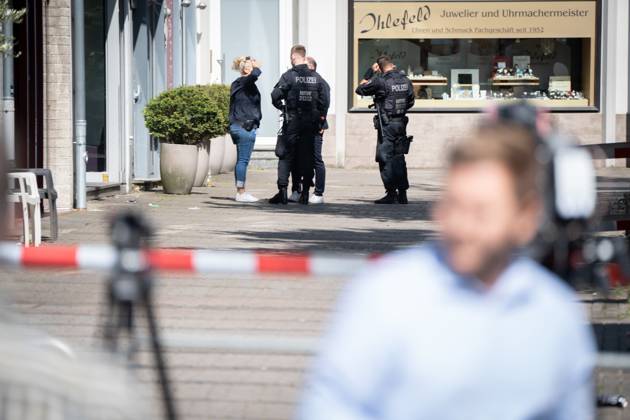
Gang crime in North Rhine-Westphalia has become a critical concern for local authorities, as highlighted by Interior Minister Herbert Reul’s recent NRW crime report. The state, witnessing alarming levels of gang violence, is stepping up efforts to eradicate this pervasive issue from the streets. With comprehensive inspections yielding thousands of criminal charges, Reul emphasizes the importance of sustained action to suppress gang activities across hotspots like Gelsenkirchen. Despite some progress, the problem persists, indicating that continuous monitoring and intervention are essential in tackling North Rhine-Westphalia crime effectively. Authorities are determined to make gang members uncomfortable and seek to provide avenues for at-risk youth to disengage from gang culture, indicating a multifaceted approach to a complex dilemma.
The complexities of organized crime in North Rhine-Westphalia present a significant challenge that resonates beyond just figures and statistics. Often characterized by a network of criminal activities, the issues surrounding gang-related offenses encompass violent confrontations and illicit dealings, particularly in urban centers like Essen and Bochum. Recent updates from law enforcement indicate a focused strategy on minimizing the impact of these criminal networks through rigorous evaluations and community outreach programs. These initiatives not only aim to tackle gang violence but also to break the cycle of crime affecting countless lives in the region. As authorities navigate this intricate landscape, they remain committed to fostering a safer environment while simultaneously providing support for those seeking to distance themselves from a life of crime.
Understanding Gang Crime in North Rhine-Westphalia
Gang crime in North Rhine-Westphalia (NRW) has been a persistent issue, impacting communities and law enforcement across the region. According to Interior Minister Herbert Reul, NRW is considered a hotspot for gang violence, alongside major cities like Berlin and Bremen. Despite ongoing efforts to combat this crime wave, including nearly 4,300 inspections and over 20,000 fines since 2018, the battle against organized crime remains a complex challenge for authorities. The region’s strategic location and urban dynamics have contributed to its challenges with gang-related activities.
As per the NRW crime report, gang crime statistics reveal a significant concentration of offenses in cities such as Essen, Recklinghausen, Bochum, and Gelsenkirchen. The emergence of organized gangs has led to an increase in violent crimes, accounting for about 30% of all recorded offenses. While the overall crime rate has seen a decline by about four percent, this can be misleading due to legislative changes surrounding cannabis, which have altered the landscape of recorded offenses. The continual assessment of gang activity illustrates the proactive approach taken by authorities to adapt to the evolving criminal environment.
Efforts to Combat Gang Violence and Improve Community Safety
Municipal efforts to eradicate gang violence have intensified under the leadership of Herbert Reul, with a focus on making public spaces safer and more secure. Inspecting various establishments, including barber shops and gaming halls, has become a pivotal strategy. By collaborating with other agencies and implementing a comprehensive set of measures, authorities aim to disrupt gang operations effectively. The goal is not only to push gang members off the streets but also to address the root causes of gang involvement through prevention programs aimed at youth.
In response to the alarming prevalence of gang-related incidents, the government has developed multidimensional programs designed to support individuals wishing to leave gang life behind. With nearly 1,600 young people successfully rehabilitated through these initiatives, officials are committed to providing pathways for change. This approach highlights the recognition that combating gang crime requires perseverance and community involvement, rather than quick fixes. The evolving strategies and ongoing monitoring of known gang families reflect a commitment to adapting to the challenges posed by gang dynamics in NRW.
The Role of Repeat Offenders in Gang Crime Dynamics
A significant aspect of the gang crime situation in North Rhine-Westphalia is the influence of repeat offenders. As Interior Minister Herbert Reul points out, a mere 190 individuals are responsible for approximately 23.3 percent of gang-related crimes. This stark statistic underscores the reality that a small number of persistent offenders can create substantial problems for law enforcement and community safety, necessitating a focused response by authorities. Addressing the actions of repeat offenders is crucial not just for reducing crime rates, but also for establishing long-lasting peace in affected neighborhoods.
By monitoring and evaluating repeat offenders, authorities have implemented strategies aimed at both detention and rehabilitation. Adjusting the list of monitored individuals each year ensures that law enforcement resources are effectively allocated, targeting those most likely to reoffend. The flexibility of this monitoring system is also important, allowing for the inclusion or removal of names based on ongoing assessments of gang activity. This tailored approach demonstrates the commitment of NRW’s police to adapt in fighting the pervasive influence of gang crime.
Gelsenkirchen: A Case Study of Gang Issues in NRW
Gelsenkirchen has emerged as a notable case study within the context of gang crime in North Rhine-Westphalia. The city has witnessed a worrying rise in crimes associated with gang activity, prompting authorities to take aggressive measures aimed at restoring public safety. With law enforcement focusing on problem areas and conducting inspections across various venues known for gang-related operations, Gelsenkirchen’s community is becoming increasingly aware of the ongoing struggle against crime. The statistics show that a significant portion of gang offenses is concentrated in this urban area, compelling action from local government and police.
In addition to law enforcement measures, there is a strong need for community engagement in Gelsenkirchen to combat gang crime effectively. Local initiatives aimed at providing support and guidance to at-risk youth are essential in reducing gang recruitment and engagement. The collaboration between community organizations, schools, and law enforcement has proven vital in creating programs that help young people find alternatives to gang involvement. By fostering a supportive environment, the hope is to deter future gang violence and promote safer neighborhoods.
Strategic Planning for Long-term Solutions to Gang Crime
Strategic planning is critical for addressing gang crime in North Rhine-Westphalia on a long-term basis. The report presented by Interior Minister Herbert Reul illustrates a forward-thinking approach aimed at adapting to the changing landscape of gang violence. This includes not only immediate interventions but also long-term programs aimed at preventing youth involvement in gangs and rehabilitating former gang members. Authorities recognize that ongoing commitment and adjustments to strategy are necessary to ensure that the progress made is sustainable.
One key aspect of this strategic planning is the emphasis on data-driven interventions. By consistently collecting and analyzing crime data, law enforcement can identify trends and adapt their strategies accordingly. This approach allows for more targeted policing and enables officials to allocate resources effectively to combat the most pressing issues related to gang crime in NRW. The commitment to evolving strategies based on evidence underscores the need for a comprehensive response to the complex challenges posed by organized crime.
Community Involvement in Fighting Gang Crime
Community involvement plays a pivotal role in the fight against gang crime in North Rhine-Westphalia. Local residents are increasingly encouraged to participate in crime prevention initiatives and collaborate with law enforcement. This approach fosters a sense of ownership and responsibility within neighborhoods, empowering citizens to take action against gang influences. Engagement through neighborhood watches, community forums, and educational programs can significantly contribute to reducing gang violence and promoting safer environments.
Furthermore, the importance of grassroots organizations in addressing gang issues cannot be overstated. Many local groups provide vital support for at-risk youth, offering mentorship and resources to help steer them away from gang involvement. By building relationships with young people, these organizations can create trust and offer alternatives to the lure of gangs. Ultimately, successful interventions rely on strong community ties and collective action to dismantle the frameworks that support gang crime in NRW.
Monitoring and Evaluating the Impact of Anti-Gang Measures
Monitoring and evaluating the effectiveness of anti-gang measures are essential components of North Rhine-Westphalia’s crime strategy. The continuous assessment of interventions allows authorities to determine what is working and where adjustments are needed. As Interior Minister Herbert Reul states, the feedback mechanism ensures that efforts to combat gang crime remain effective and relevant. This iterative process of evaluation and adaptation is crucial for maintaining momentum in the fight against organized crime.
In this regard, statistical analysis plays a significant role. By examining crime trends and the outcomes of various initiatives, law enforcement can gain insights into the effectiveness of their strategies. The data collected helps to highlight shifts in crime patterns, identify emerging threats, and adjust resources accordingly. Ultimately, a robust evaluation process not only informs policy but also fosters transparency and accountability in the ongoing battle against gang violence.
The Future of Gang Crime Prevention in NRW
Looking toward the future, the challenge of preventing gang crime in North Rhine-Westphalia will require ongoing innovation and commitment. As gangs evolve and adapt to law enforcement strategies, it is crucial that authorities stay ahead of the curve by implementing creative solutions. This could involve leveraging technology to monitor gang activities and engage communities more effectively. Partnerships with tech companies and local startups may provide new tools and insights that enhance prevention efforts.
Moreover, long-term solutions will necessitate collaborative efforts across multiple sectors. Education, health care, and social services must work alongside law enforcement to provide comprehensive support for individuals impacted by gang culture. By addressing the economic and social factors that contribute to gang crime, NRW can foster a more resilient community. Ultimately, the future of gang crime prevention hinges on the capacity to adapt, innovate, and engage all members of society in a concerted effort to create lasting change.
Frequently Asked Questions
What recent updates has Herbert Reul provided about gang crime in North Rhine-Westphalia?
Herbert Reul, the NRW Interior Minister, has stated that while significant strides have been made to combat gang crime in North Rhine-Westphalia, the issue remains a pressing concern. He highlighted ongoing efforts to push gang members off the streets and monitor repeat offenders, indicating a multifaceted approach to this persistent problem.
How does the NRW crime report address gang violence in North Rhine-Westphalia?
The NRW crime report reveals that gang violence remains a critical issue, with about 30% of gang-related offenses categorized as violent crimes. Despite a slight overall decrease in crime, the report emphasizes ongoing monitoring of gang-related activities and targets efforts to reduce repeat offenses.
What areas in North Rhine-Westphalia are most affected by gang crime?
Gelsenkirchen, along with other cities like Essen and Bochum, is heavily impacted by gang crime in North Rhine-Westphalia. These areas have recorded numerous offenses associated with gang activities, highlighting the concentration of crime in the Ruhr region.
What measures is the NRW government taking against gang crime?
The NRW government, under Herbert Reul’s leadership, has implemented extensive measures against gang crime, including conducting nearly 4,300 inspections and filing over 5,600 criminal charges. They aim to disrupt gang activities by targeting establishments frequently associated with such crimes, like hookah bars and betting offices.
What role do repeat offenders play in gang crime in North Rhine-Westphalia?
Repeat offenders constitute a significant portion of gang crime statistics in North Rhine-Westphalia. According to Reul, 23.3% of gang-related crimes are committed by just a few individuals, underlining the importance of monitoring and addressing these repeat offenders to effectively curb gang violence.
How has gang crime trends changed in recent years in North Rhine-Westphalia?
In recent years, gang crime trends have shown a slight decrease, with an overall reduction of about four percent. However, this figure is influenced by changes in cannabis legislation that mean certain offenses are no longer recorded, indicating the complexity of tracking crime trends in North Rhine-Westphalia.
What support is available for individuals wishing to leave gang structures in North Rhine-Westphalia?
The authorities in North Rhine-Westphalia offer support programs aimed at helping individuals break away from gang structures. Almost 1,600 young people have successfully turned their lives around through these initiatives, reflecting a commitment to reducing gang influence and fostering rehabilitation.
Are there any specific incidents of gang crime reported in North Rhine-Westphalia recently?
Recently, there was a tumultuous situation involving an attack on medical staff at a hospital in Essen, showcasing the ongoing challenges posed by gang crime in North Rhine-Westphalia. This incident reflects the complexities of managing gang-related violence in urban areas.
What ongoing strategies are in place to combat gang crime in North Rhine-Westphalia?
Ongoing strategies to combat gang crime in North Rhine-Westphalia include coordinated inspections, targeted monitoring of family names associated with gang activity, and community support programs aimed at steering youth away from gang involvement. Herbert Reul emphasizes a long-term commitment to this battle.
How is the effectiveness of interventions against gang crime being evaluated in North Rhine-Westphalia?
The effectiveness of interventions against gang crime is evaluated through continual assessments of crime statistics, monitoring of repeat offenders, and success stories from rehabilitation programs. The authorities adapt their strategies based on these evaluations to ensure effective crime reduction in North Rhine-Westphalia.
| Key Points |
|---|
| Efforts to combat gang crime in NRW are ongoing with significant progress reported, but the problem persists. |
| Authorities conducted almost 4,300 inspections since 2018, resulting in over 10,700 door knocks and 5,600 criminal charges. |
| 30% of gang crime offenses in NRW are violent crimes, including robbery and grievous bodily harm. |
| 118 family names are under monitoring, with a flexible system assessing which to keep or remove. |
| Around 1,600 young individuals have transitioned from gang involvement thanks to reform programs. |
| Overall crime in NRW has decreased by 4%, impacted by changes in cannabis legislation. |
Summary
Gang crime in North Rhine-Westphalia remains a significant challenge despite ongoing efforts by the authorities to suppress it. The NRW Interior Minister, Herbert Reul, highlighted that while there has been progress in reducing gang crime, it is essential to continue addressing the root causes and persistent issues. With a focus on monitoring key families and providing support for young individuals looking to exit gang life, the state is working towards creating a safer environment. Proactive measures such as inspections and charges have shown some effectiveness, yet the presence of repeat offenders underscores the complexity of the issue. Continuous evaluation and a multi-faceted approach will be vital in further diminishing gang crime in North Rhine-Westphalia.

