
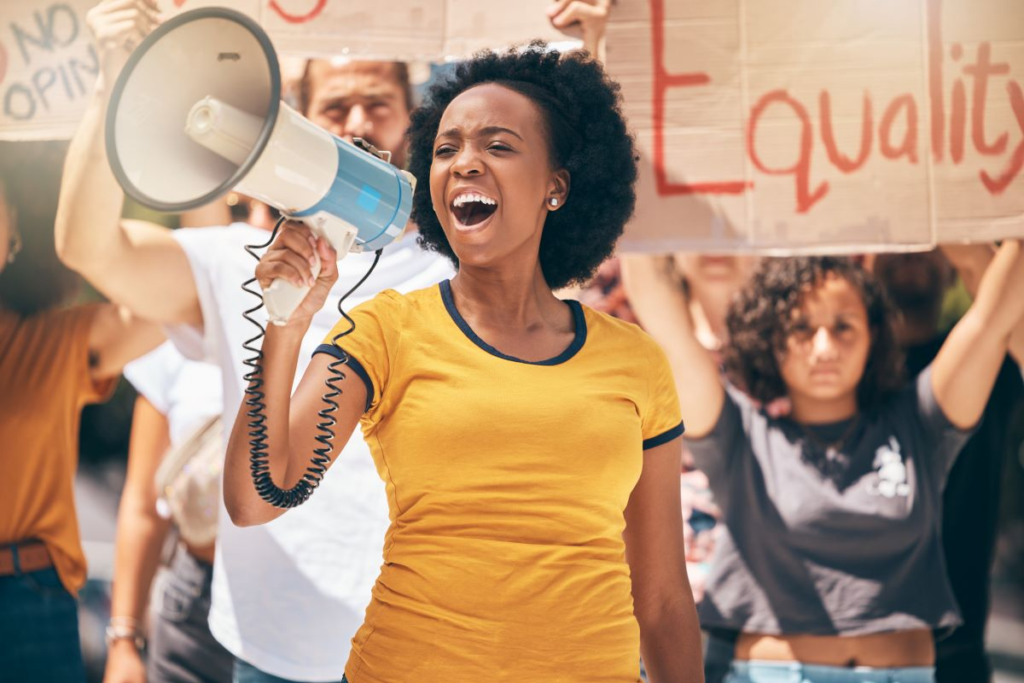
Freedom of expression is a cornerstone of democracy, but recent remarks by Schleswig-Holstein’s Prime Minister Daniel Günther have sparked a significant controversy. During his appearance on the talk show “Lanz”, Günther’s call for increased media control has been interpreted as a direct threat to press freedom, igniting a lively debate among citizens and experts alike. WELT editor Sebastian Vorbach argues that these proposals could undermine the very fabric of civil society, marking a dangerous shift in the discourse surrounding democracy. As discussions unfold, the implications of restricting freedom of expression could reverberate through various facets of public life and governance. This debate is not just about one politician’s stance but touches the heart of how we navigate the interplay between authority and the fundamental right to speak freely.
The principle of free speech, often characterized as the right to express one’s thoughts without censorship, is currently under scrutiny following Prime Minister Daniel Günther’s recent statements. His advocacy for tighter media regulations is raising alarms about potential violations of both constitutional mandates and civil liberties. This unfolding situation is drawing in various stakeholders who are concerned about the implications for democratic dialogue and the health of civil society. As experts and the public engage in this critical discourse, the pressing question remains: how can we safeguard our fundamental rights against encroachments that threaten open discussion and critique? This ongoing democracy debate emphasizes the necessity of protecting our free expression amidst the evolving political landscape.
Daniel Günther’s Call for Media Control: An Attack on Press Freedom
Daniel Günther, the Prime Minister of Schleswig-Holstein, has recently ignited a fierce debate surrounding the issue of media control. During his appearance on the program “Lanz,” Günther advocated for measures that many experts, including WELT editor Sebastian Vorbach, perceive as an infringement on press freedom. Such proposals raise grave concerns as they strike at the very foundation of democracy and the crucial role of a free media in shaping public discourse. In his remarks, Vorbach characterized these initiatives as not only misguided but as a direct assault on freedom of expression, a principle that underpins democratic societies.
This growing concern about media control aligns with the critical discourse surrounding civil society’s role in safeguarding democratic principles. Many commentators argue that such moves by politicians like Günther threaten the autonomy of journalistic institutions, potentially leading to a chilling effect on free expression. As the debate unfolds, it’s essential to recognize how press freedom is intertwined with public trust in democratic institutions and the media’s ability to hold power accountable.
The Role of Civil Society in Defending Freedom of Expression
Civil society plays a pivotal role in the ongoing dialogue about freedom of expression in light of political pressures for increased media regulation. Advocates for press freedom, including legal scholars and activists, emphasize the importance of civic engagement in resisting efforts that potentially undermine democratic values. The assertion by constitutional law experts that Günther’s proposals may contravene the Basic Law highlights the necessity for a vigilant and informed citizenry. Civil organizations can mobilize public opinion and provide a counter-narrative to governmental overreach, ensuring the protection of individual rights and liberties.
Furthermore, the implications of Günther’s proposals extend beyond the realm of press freedom; they raise questions about the overall health of democracy. By promoting an environment where media control is seen as acceptable, there lies a risk of eroding the freedoms that allow for diverse voices within society. In response, civil society must vigorously advocate for transparent policymaking and hold elected officials accountable for actions that could jeopardize the democratic fabric of the nation. The fusion of citizen activism and legal expertise can create a powerful front in the fight for freedom of expression.
Democracy Debate: Consequences of Limiting Press Freedom
The ongoing democracy debate in Germany is heavily influenced by calls for increased media control, as exemplified by Daniel Günther’s recent statements. The ramifications of limiting press freedom are profound, affecting not just the media landscape but public trust in democratic institutions. Discussions surrounding the implications of such control often indicate a worrying trend where the government can exert more influence over how information is disseminated, potentially leading to a homogenization of opinions presented to the public. As Vorbach noted, these political demands pose significant dangers, and the debate is urging both citizens and experts to reconsider the balance between regulation and freedom.
As the democratic process thrives on open discourse and the clash of ideas, any attempts to curb this essential element can be seen as a threat to the very ideals it professes to protect. The prevailing sentiment is that media freedom should not only be celebrated but fiercely defended. Civil society’s engagement in this debate is vital, as it represents a broader public desire to uphold the integrity of the information ecosystem and resist authoritarian tendencies that could arise from unchecked media control.
Public Response to Daniel Günther’s Media Control Proposals
Public reaction to the proposals for increased media control put forth by Daniel Günther has been one of notable concern and robust discussion. Both citizens and media professionals have voiced their apprehensions over the potential implications of such measures for press freedom in Germany. This public discourse emphasizes the importance of transparency and accountability in government actions, particularly as they relate to civil liberties and the democratic framework of society. The ongoing dialogue is not merely a reflection of the immediate reaction to Günther’s statements but is indicative of a broader commitment to preserving the freedoms that underpin democracy.
Moreover, social media platforms and opinion pieces in major publications have become crucial arenas for these discussions, amplifying voices that advocate for the protection of freedom of expression. The significance of the public’s engagement cannot be overstated, serving as a reminder that democracy thrives on the active participation of its citizens. As experts weigh in on the potential consequences of limiting press freedom, the widespread response highlights a foundational belief that an informed and free press is essential for a functional democracy.
The Intersection of Legal Standards and Media Freedom
The intersection between legal standards and media freedom is a critical aspect of the current discussion surrounding Daniel Günther’s proposals. Legal experts have pointed out that these initiatives could violate existing laws that protect freedom of expression, raising significant constitutional questions. The Basic Law in Germany plays a vital role in safeguarding individual rights, including the freedom of the press. As legal interpretations emerge, it becomes evident that any attempts at media regulation must align with the constitutional framework that has historically protected democratic values. The compliance of Günther’s proposals with these legal standards is an issue warranting comprehensive debate.
Additionally, the ongoing evaluation of existing laws in relation to media control directly informs the boundaries of acceptable governmental influence. Legal perspectives emphasize the need for robust protections against overreach that could stifle freedom of expression. As society grapples with these complexities, it is crucial to foster discussions around reforming media laws to not only safeguard existing freedoms but also to enhance the accountability of both the press and the state. The interdependence of legal safeguards and press freedom is paramount in fostering a democratic dialogue that respects the rights of all citizens.
Challenges to Democracy in Governance and Media
The challenges to democracy posed by governance tactics influencing the media landscape cannot be overlooked. Daniel Günther’s advocacy for increased media control is perceived as a symptom of a larger trend where politicians seek to manipulate public perception through regulatory measures. Such actions can weaken the foundations of democratic governance, prompting citizens to question the motives behind such policy shifts. The governance approach, particularly if it seeks to impose restrictions on press freedom, emerges as a significant threat to the democratic ideals of transparency and accountability.
This dynamic requires vigilance from civil society and the media to effectively combat these challenges. Analytical efforts should focus on how governance can intersect productively with press freedoms to strengthen democracy rather than undermine it. By fostering engagement and advocacy, civil organizations can play a pivotal role in defending the tenets of democracy against those who would encroach upon them. As the conversation around Günther’s proposals continues, the need for a unified response that prioritizes the integrity of democratic institutions and freedoms becomes increasingly urgent.
Engagement Strategies for Civil Society in Media Debate
Engagement strategies for civil society in the current media debate are crucial in asserting the importance of freedom of expression. As informed citizens voice their concerns over proposals like those from Daniel Günther, mobilizing community action becomes essential. Civil society organizations can deploy various strategies to engage the public and raise awareness, such as hosting debates, public forums, and workshops. These initiatives not only educate individuals about their rights but also cultivate a sense of collective responsibility towards defending media freedom and democratic ideals.
Collaborative efforts between legal experts, grassroots activists, and everyday citizens can forge a powerful coalition. By amplifying perspectives on the consequences of media control, these groups can effectively influence public opinion and contribute to a more robust debate on the role of press freedom in society. Utilizing social media campaigns can further enhance outreach efforts, allowing for a broader audience to participate in discussions about the critical need for preserving freedom of expression and protecting the integrity of democracy.
Media Control and its Impact on Democratic Dialogue
The issue of media control directly impacts the quality of democratic dialogue, as suggested by the current discussions surrounding Daniel Günther’s proposals. When media is subjected to governmental oversight, the diversity of opinions and viewpoints presented to the public can significantly diminish. This leads to a homogenization of narratives that not only limit the public’s understanding of vital issues but also stifle critical thought and debate. Democracy flourishes on a plurality of voices, and any attempt to restrict that plurality must be scrutinized as a potential threat to the democratic process.
Simultaneously, the interaction between media control and public perception underlines the necessity for vigilance among citizenry and media professionals alike. Advocating for press freedom becomes not just a matter of protecting journalistic integrity but a safeguard for healthy democratic discourse. As discussions around Günther’s initiatives continue, it serves as a reminder of the fragility of democratic principles and the importance of actively defending against encroachments that seek to stifle the open exchange of ideas.
Conclusion: The Crucial Role of Media in Democracy
In conclusion, the ongoing dialogue concerning Daniel Günther’s call for media control highlights the crucial interplay between press freedom and democracy. As articulated by experts and commentators, attempts to impose restrictions on media resonate deeply with historical struggles for rights and freedoms. The emphasis on maintaining a robust, independent press is fundamental not only for the dissemination of information but also for the empowerment of civil society to participate in democratic processes. Freedom of expression, in its fullest sense, is vital for the future of democracy.
The role of engaged citizens and civil society organizations is indispensable in this fight for media freedom. As discussions evolve, it is clear that a unified front is essential to advocate for the rights of individuals and ensure that any challenges to democratic values are met with strong resistance. Ultimately, it is through the active participation of citizens, the media, and legal scholars that the foundations of democracy can remain intact and flourish, safeguarding the vital principle of freedom of expression.
Frequently Asked Questions
What impact could Daniel Günther’s proposals have on freedom of expression?
Daniel Günther’s proposals for increased media control have sparked concerns about potential limitations on freedom of expression. Critics, including WELT editor Sebastian Vorbach, argue that these measures could threaten press freedom and undermine democratic principles, calling for civil society to actively resist such efforts.
How does increased media control relate to press freedom in Germany?
Increased media control, as suggested by Daniel Günther, poses a direct challenge to press freedom, a fundamental aspect of democracy. Experts warn that such initiatives may violate the Basic Law, thereby threatening the rights of journalists and the media to operate without undue interference, which is essential for public discourse.
Why is the debate on freedom of expression important for democracy?
The debate on freedom of expression is crucial for democracy as it ensures that diverse opinions can be voiced and discussed openly. Any attacks on this freedom, such as those proposed by Daniel Günther, may weaken civil society’s ability to engage in meaningful debate, consequently jeopardizing democratic values.
What role does civil society play in defending freedom of expression?
Civil society plays a vital role in defending freedom of expression by mobilizing public opinion against threats like media control proposals from politicians such as Daniel Günther. Advocacy groups and citizens must work together to uphold press freedom and ensure that democratic principles are respected and maintained.
How do current events reflect the state of press freedom in Germany?
Current events, including the reactions to Daniel Günther’s call for increased media control, highlight ongoing tensions related to press freedom in Germany. The considerable pushback from media professionals and legal experts indicates a robust defense of freedom of expression, suggesting that there is a strong commitment to safeguarding democracy amidst challenges.
What are the potential consequences of limiting freedom of expression?
Limiting freedom of expression can lead to censorship, decreased public trust in media, and a decline in democratic engagement. If proposals like those from Daniel Günther are enacted, they could result in fewer avenues for critical discourse, ultimately eroding the foundations of democracy and civil society.
| Key Points | Details |
|---|---|
| Daniel Günther’s Media Control Call | Günther’s initiative viewed as an attack on freedom of expression. |
| Commentary by Sebastian Vorbach | Vorbach labels Günther’s media control proposals as a declaration of war on freedom of expression. |
| Concerns Over Legal Violations | Proposals likely to violate the Basic Law according to legal experts. |
| Democracy at Risk | Vorbach highlights dangers posed by political demands to free expression and democracy. |
| Call to Civil Society | Civil society urged to resist curtailment of free expression and press freedom. |
| Public and Expert Reactions | The topic is generating interest and debate among the public and experts alike. |
| ‘Lanz’ Video Duration | The segment aired for 6 minutes at 08:13, discussing the issue in depth. |
Summary
Freedom of expression is crucial for a healthy democratic society. Recent discussions surrounding Daniel Günther’s proposals for increased media control raise serious concerns regarding this fundamental right. Critics, including WELT editor Sebastian Vorbach, argue that such initiatives threaten the very foundations of free speech, suggesting that they could violate constitutional protections and endanger democracy itself. As public and expert debates continue, it becomes increasingly evident that safeguarding freedom of expression must remain a priority in maintaining a democratic society.

