
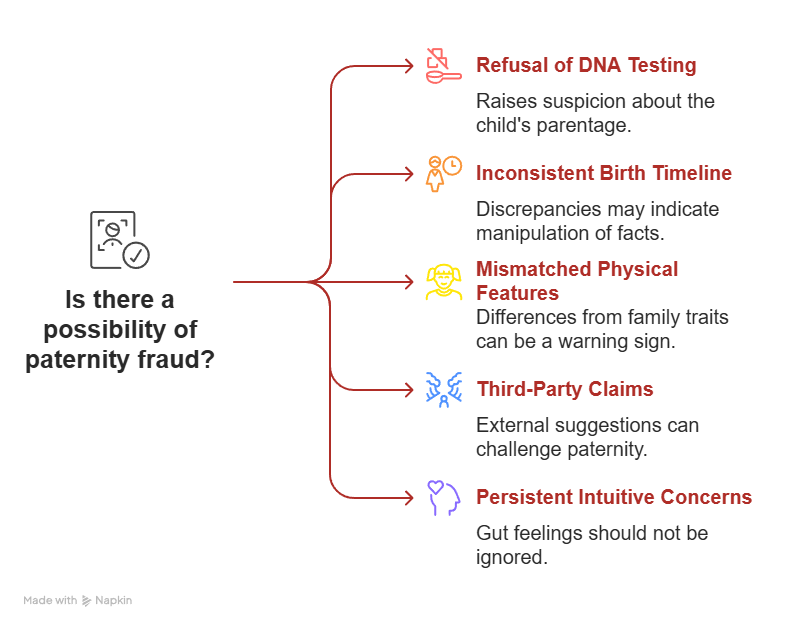
Fraudulent paternity claims have become a pressing issue in Germany, particularly highlighted by the high-profile case of “Mr. Cash Money,” where individuals manipulate the paternity recognition laws for personal gain. These deceitful tactics allow individuals to exploit the system, as fraudulent claims lead to substantial state-funded maintenance payments for children that are not biologically theirs. The Federal Ministry of the Interior is now stepping in with new legislation aimed at curbing this widespread problem, which has been described as taxpayer fraud. The proposed measures require foreign authority consent for such paternity claims, aiming to close the loopholes that currently enable this exploitation. The implications of these fraudulent activities are alarming, warranting immediate attention to ensure the integrity of paternity recognition processes across Germany.
Deceptive assertions regarding parentage have sparked significant concern, especially regarding their financial implications on social welfare systems. The phenomenon, often referred to as paternity fraud or fake fatherhood, involves individuals claiming responsibility for children who are not biologically theirs, thereby receiving unfair financial benefits. The ongoing legislative efforts are set to implement stricter checks and balances, requiring clear validations from foreign authorities to prevent such cases. This initiative is crucial not only to combat the misuse of taxpayer resources but also to protect the legitimacy of paternity laws. As Germany intensifies its scrutiny of these claims, the need for comprehensive measures is more apparent than ever.
Understanding Fraudulent Paternity Claims in Germany
Fraudulent paternity claims have emerged as a significant issue in Germany, exposing a complex web of exploitation and legal loopholes. At the core of this problem is the practice where individuals, often foreign nationals, claim to be the fathers of children to gain socio-economic benefits, including residence permits and financial support from the state. A notorious case that highlights this issue is that of Jonathan A., a Nigerian influencer known as ‘Mr. Cash Money,’ who recognized 24 children, thereby drawing significant resources from the German taxpayer. This business model thrives on the vulnerabilities of immigrant communities and the systemic deficiencies in paternity recognition laws.
The German Federal Ministry of the Interior is taking decisive steps to combat these fraudulent claims. Preliminary investigations indicated that a mere 290 out of 1,769 cases reviewed were confirmed as fraudulent from 2018 to 2021, suggesting that the true extent of the abuse could be even more substantial. This discrepancy hints at an inadequacy in the monitoring systems employed by foreign authorities and the need for stronger regulations. The proposed legislation aims to tackle these exploitative practices by introducing requirements for foreign authority consent in situations where there is a disparity in residence laws, thereby fortifying the legal framework against such deceitful claims.
The Role of New Legislation in Preventing Paternity Fraud
In response to the growing concern surrounding fraudulent paternity claims, the German Federal Ministry of the Interior has proposed new legislation aimed at tightening the regulations governing paternity recognition. The bill mandates that civil registry offices must secure consent from foreign authorities when discrepancies in residency laws exist. This critical measure seeks to enhance oversight and curb opportunities for individuals to exploit children in exchange for financial gain. The implications of such a law extend beyond mere fraud prevention; they aim to restore integrity to the social welfare system that has been compromised by these fraudulent activities.
Furthermore, this initiative mirrors similar movements in other countries contending with paternity fraud within immigrant populations. The integration of foreign authority verification processes will not only aid in deterring fraudulent claims but also create a coherent system to validate the legitimacy of paternity recognitions. As Federal Justice Minister Stefanie Hubig has pointed out, addressing these issues is paramount, especially when fraudulent declarations have evolved into a viable business model for some individuals. The new legislation represents a proactive approach, intended to minimize taxpayer burdens while safeguarding the rights of legitimate families.
Examining the Impact of ‘Mr. Cash Money’ on Societal Perceptions
‘Mr. Cash Money,’ the alias of Jonathan A., has not only become a symbol of the paternity fraud crisis in Germany but also a polarizing figure that reflects broader societal perceptions about immigration and welfare abuse. His case, which gained media attention, serves as a cautionary tale regarding vulnerabilities within the paternity recognition system. It brings to light the intensive scrutiny surrounding foreign nationals’ interactions with the welfare state, often steeped in stigmas that can affect public opinion. This has fueled a narrative that generalizes immigrant families as potential fraudsters, complicating their social integration efforts.
Such high-profile cases often shape legislative priorities as public sentiment calls for stricter controls. The portrayal of individuals like Jonathan A. exacerbates fears surrounding the misuse of social programs, influencing policymakers to act decisively in reforming existing laws. As the Federal Ministry of the Interior strives to implement comprehensive regulations, it must also navigate the delicate balance of preventing abuse while upholding the rights of honest families. Therefore, the necessity for public awareness and insightful discussions about paternity recognition laws, social equity, and support mechanisms remains critical.
Analyzing the Economic Implications of Paternity Fraud
The economic ramifications of fraudulent paternity claims are significant and multifaceted, primarily affecting taxpayer resources allocated for child maintenance and social services. The Federal Ministry of the Interior has found evidence that maintenance costs linked to these fraudulent recognitions can soar into the mid-seven-figure euro range annually, overwhelming local and national budgets. The government bears the burden of financing the support for children recognized under false pretenses, diverting funds from other essential services or social welfare initiatives intended for genuinely underserved communities.
Moreover, the ongoing investigations into cases within cities like Dortmund highlight that the issue is not merely anecdotal but rather systemic, with dozens of paternity recognitions tied to a few individuals. This inefficiency within the social system raises questions about the long-term fiscal sustainability of Germany’s support structures as they grapple with the influence of fraudulent activities. Implementing stringent regulations could not only reduce potential abuses but also reclaim crucial resources for legitimate families who rely on social assistance.
The Intersection of Immigration and Paternity Laws
The intersection of immigration policy and paternity laws presents a complex challenge for countries like Germany. As immigration continues to rise, there is an increased risk of fraudulent claims associated with the recognition of children. The Interior Ministry’s recent legislative proposals aim to tackle this issue head-on by requiring verification from foreign authorities. This initiative highlights the necessity for a comprehensive approach that considers both the integrity of paternity recognition laws and the compassionate treatment of immigrants seeking better opportunities.
As foreigners navigate the complexities of paternity and residency requirements, they often find themselves vulnerable to exploitation. The need for transparent, fair laws that protect against fraudulent claims while accommodating legitimate cases is more pressing than ever. Striking this balance is crucial, not only to preserve the integrity of social systems but also to ensure that immigrant families do not face undue scrutiny or adversity as they attempt to establish their lives in a new country.
Foreign Authorities and Their Role in Paternity Recognition
The involvement of foreign authorities in the paternity recognition process is a pivotal aspect of the proposed legislation aimed at preventing fraudulent claims. By mandating that civil registries obtain consent from these authorities in cases of recognized discrepancies in residency laws, the legislation underscores the significance of international cooperation and validation. This requirement ensures that the identities and claims of paternity are thoroughly vetted before recognition, thereby curbing the opportunities for exploitation within the system.
In many instances, foreign authorities have played a crucial, albeit inadequately coordinated, role in addressing these issues. The collaboration between German authorities and foreign embassies is essential for verifying the legitimacy of claims and ensuring that care is given to the rights of both fathers and children involved. Effective communication and stringent guidelines will be key to fostering a more trustworthy and accountable system of paternity recognition.
Future Directions for Paternity Recognition Laws in Germany
Looking ahead, the future of paternity recognition laws in Germany will likely reflect an increasingly stringent approach that prioritizes both accountability and compassion. The legislative reforms proposed by the Interior Ministry represent a significant step toward addressing the gaps in the current system while highlighting the importance of international collaboration. As Germany continues to evolve its immigration policies in response to the complex dynamics of globalization, it will be vital to enhance the robustness of these laws to prevent fraudulent abuses while protecting the rights of legitimate claimants.
In addition to the revisions proposed, ongoing evaluations of paternity recognition processes will be necessary to adapt to changing circumstances and potential loopholes. Legal experts advocate for the continuous assessment of how these laws impact society, taking into account broader issues of integration and social equity. A comprehensive approach to reform, one that involves input from various stakeholders, including legal professionals, community leaders, and social workers, will play a critical role in shaping the future landscape of paternity recognition in Germany.
The Social Implications of Legislative Changes
The social implications of the legislative changes on paternity recognition laws are profound, especially for immigrant communities. As the German government implements stricter guidelines to combat fraudulent claims, it is essential to consider the impact on genuine families seeking recognition and support. While the intentions behind the new regulations aim to toughen scrutiny on potential fraud, there is a risk that innocent families may face complications or delays in the recognition process, reinforcing harmful stereotypes associated with immigrant populations.
Moreover, the discourse surrounding these changes must evolve to promote understanding and empathy for the challenges immigrants face as they navigate complex legal systems. Raising awareness about the legitimacy of genuine claims amidst the backdrop of stringent regulations can help foster a more inclusive environment, reducing stigma. Balancing the enforcement of laws with support and resources for honest families will ultimately contribute to a more equitable social framework.
Educational Initiatives to Combat Fraud Awareness
Educational initiatives play a crucial role in addressing the rampant issue of fraudulent paternity claims by raising awareness about the legal and social repercussions associated with such actions. By informing both potential claimants and the general public, these initiatives can diminish the motivations behind paternity fraud while providing resources for those genuinely seeking recognition of their children. Programs that highlight the importance of integrity in family matters can empower communities and deter individuals from engaging in deceptive practices.
Additionally, collaboration with civil society organizations and local authorities can enhance outreach efforts to target vulnerable populations at risk of exploitation. Information sessions, workshops, and resources that outline the legal framework around paternity recognition can help demystify the process and inform respective communities about their rights and responsibilities. Ultimately, education emerges as a vital tool in not only combating paternity fraud but also fostering a greater understanding of the importance of ethical practices within the immigration landscape.
Frequently Asked Questions
What are fraudulent paternity claims in Germany and how do they relate to the Interior Ministry’s legislation?
Fraudulent paternity claims in Germany involve individuals recognizing children that are not biologically theirs, often in exchange for financial benefits. The Interior Ministry is introducing legislation aimed at combating this issue, particularly cases like the notorious ‘Mr. Cash Money’ scandal, where individuals, including Jonathan A. from Nigeria, have exploited the system for profit. This new law includes measures requiring foreign authority consent to validate paternity recognitions, which aims to prevent taxpayer fraud.
How do paternity recognition laws affect fraudulent paternity claims?
Paternity recognition laws are designed to establish legal fatherhood and eligibility for benefits. However, these laws have been exploited through fraudulent claims, where men falsely recognize children for financial gain. The German Interior Ministry’s upcoming legislation seeks to tighten these laws by requiring proof of biological paternity and foreign authority consent to reduce the incidence of fraudulent paternity claims.
What is the significance of the ‘Mr. Cash Money’ case in discussions about fraudulent paternity claims?
The ‘Mr. Cash Money’ case, involving Jonathan A., highlights the severe abuse of paternity recognition laws in Germany, where he unlawfully recognized multiple children to secure benefits and residency for their mothers. This case has drawn attention to the urgent need for reform in the legal frameworks surrounding paternity recognition, motivating the Interior Ministry to introduce new legislation to mitigate such fraudulent paternity claims.
What role does foreign authority consent play in preventing fraudulent paternity claims?
Foreign authority consent is becoming a critical component in the fight against fraudulent paternity claims. The proposed legislation by Germany’s Interior Ministry mandates that if there is a residence law disparity, consent from a foreign authority is required before a paternity recognition can be approved. This aims to reduce the misuse of the legal system and limit cases where individuals falsely claim paternity for financial gain.
Why is the investigation of fraudulent paternity claims complicated in Germany?
Investigating fraudulent paternity claims is complicated due to the difficulty in obtaining reliable data. The German Interior Ministry reported handling 1,769 suspicious cases, with only around 290 identified as fraudulent. Factors such as undocumented cases and the complexity of international legal frameworks contribute to the challenges in fully addressing the extent of fraudulent paternity claims in Germany.
What are the potential consequences of fraudulent paternity claims for German taxpayers?
Fraudulent paternity claims can have significant financial implications for German taxpayers. When men falsely recognize children to obtain benefits, the state ends up covering maintenance costs for these children, often amounting to millions of euros annually. The government’s efforts, including new legislation, are aimed at reducing these costs by preventing such fraudulent claims from being approved.
How are new legislative measures addressing the issue of fraudulent paternity claims?
The new legislative measures introduced by the Interior Ministry are focused on tightening the regulations surrounding paternity recognition. Key aspects include requiring foreign authority consent in cases involving residence law disparities and necessitating proof of biological paternity for registrations. These measures aim to close loopholes used for fraudulent paternity claims, thereby protecting taxpayers from bearing the financial burden of such fraud.
| Key Point | Details |
|---|---|
| Fraudulent Paternity Claims | In Germany, individuals falsely recognize paternity to obtain residency and benefits. |
| ‘Mr. Cash Money’ Case | Jonathan A. from Nigeria recognized 24 children for financial compensation in exchange for gaining residence permits. |
| Legislative Response | The Federal Ministry of the Interior is introducing legislation to combat taxpayer fraud from these schemes. |
| Role of Foreign Authorities | New laws require approval from foreign authorities to validate paternity claims, especially in cases of residency law disparity. |
| Estimated Abuse Cases | From 2018 to 2021, foreign authorities identified 290 fraudulent cases, but the real numbers may be much higher. |
| Financial Impact | The annual maintenance costs from fraudulent paternity cases can be in the mid-seven figures. |
| New Proposals | Latest proposals reject paternity registrations unless consent from foreign authorities is provided. |
| Legal Concerns | Legal experts caution that regulations might still be exploited despite intentions to curb fraudulent claims. |
Summary
Fraudulent paternity claims have become a significant issue in Germany, prompting the Federal Ministry of the Interior to introduce new legislation aimed at addressing this problem. The notorious case of Jonathan A., known as ‘Mr. Cash Money’, highlights the extent of this issue, as individuals exploit the system to gain financial benefits and residency permits. The new laws will require stricter verification processes involving foreign authorities, but the effectiveness of these measures remains a concern among legal experts. Overall, it is crucial for authorities to tackle this fraudulent activity to protect taxpayer interests and ensure the integrity of the immigration system.

