
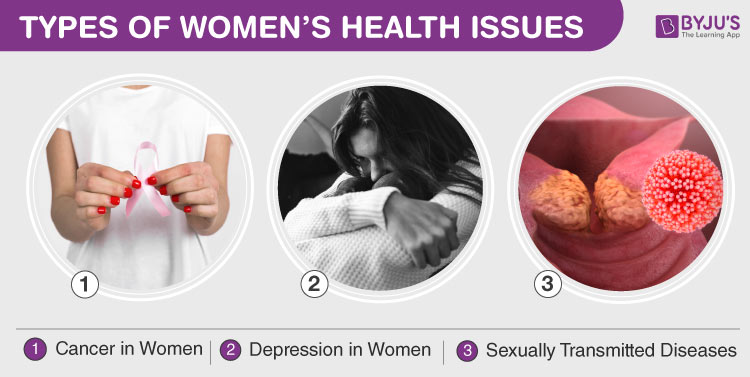
Female health issues have long been overlooked in the healthcare system, but recent discussions highlight the urgent need to address these pressing concerns. Federal Health Minister Nina Warken emphasizes the importance of recognizing women’s unique health needs, particularly regarding cardiovascular diseases, which often present differently in women than in men. The lack of focused research and gender bias in medicine has led to inadequate treatments and management strategies, especially for conditions like menstrual pain and endometriosis. With a funding initiative of 11.5 million euros aimed at advancing women’s healthcare, there is hope for increased awareness and better outcomes for women’s health issues. Addressing these disparities is not only crucial for improving individual health outcomes but also for creating a more equitable healthcare system overall.
Health challenges specific to women encompass a wide range of issues that have been historically marginalized in medical research. From the distinct ways in which cardiovascular diseases manifest in women to the ongoing struggle with menstrual discomfort and conditions like endometriosis, addressing these topics is essential for advancing women’s wellness. The healthcare landscape must evolve to consider gender differences and ensure that women receive appropriate treatments and support. Additionally, initiatives to fund research on women’s unique health experiences are vital for mitigating the impacts of gender bias in medicine. As society becomes more aware of these issues, there is a growing call for equitable healthcare solutions that prioritize women’s health needs.
Addressing Female Health Issues in Medicine
In recent years, there has been a growing awareness within the medical community regarding female health issues and the critical need for research tailored specifically to women. Health Minister Nina Warken has emphasized the alarming trend of the historical neglect of women’s medical needs, particularly in clinical studies. Cardiovascular diseases in women exhibit different symptoms and risk factors than those typically seen in men, yet this vital information has often been overlooked. Closing this knowledge gap is essential for improving healthcare for women and ensuring that treatments are effective and safe.
Warken’s commitment to addressing typically female diseases, such as menstrual pain, endometriosis, and menopause, aims to advance medical care and education. The funding of 11.5 million euros dedicated to promoting research highlights a significant political shift towards prioritizing women’s health issues. By focusing on understanding the complexities of female physiology and medical needs, the healthcare system can create more targeted interventions that significantly improve the quality of life for women suffering from these conditions.
Menstrual Pain Management: A Growing Concern
Menstrual pain management is an often-overlooked aspect of women’s health that can have profound implications on their daily lives and professional careers. According to Health Minister Warken, many women face debilitating pain during their menstrual cycles, leading them to choose part-time work over full-time employment to accommodate their symptoms. This discussion brings to the forefront the need for a deeper understanding of menstrual health and viable management strategies. Programs addressing menstrual pain could significantly reduce absenteeism and improve overall productivity among working women.
The conversation surrounding menstrual leave, similar to that in Spain, underscores the growing recognition of menstrual pain as a legitimate health concern. While Minister Warken expresses skepticism about instituting menstrual leave policies, she acknowledges that raising awareness among employers and encouraging supportive workplace environments is crucial. By fostering a culture of understanding and support, women would feel empowered to seek help and accommodations without fearing stigma or discrimination, thus enhancing their overall well-being.
Cardiovascular Diseases in Women: The Need for Gender-Sensitive Approaches
Cardiovascular diseases remain one of the leading health threats to women globally; however, the unique presentation and symptoms in women often go unnoticed. Health Minister Warken’s focus on this issue reflects a significant need to develop gender-sensitive approaches to treatment. Traditional studies primarily involving male subjects have led to a gap in understanding how heart diseases manifest differently in women, resulting in misdiagnosis or delayed treatment. It is imperative that more comprehensive research be conducted that takes into account these gender differences.
The federal government’s commitment to funding research aimed at improving the understanding of cardiovascular health in women is a step forward in addressing this critical health issue. By investing in projects that explore the nuances of female cardiovascular health, the medical community can enhance training and awareness among healthcare professionals. This targeted approach will result in better patient outcomes and help reduce the gender bias that has historically plagued women’s healthcare.
Healthcare for Women: Bridging the Gender Gap
Healthcare for women encompasses a variety of issues, from reproductive health to chronic diseases that often manifest differently in women compared to men. The push for more research funding, as highlighted by Health Minister Warken, aims to bridge the significant gender gap within medical research and treatment. Women’s health issues deserve equal attention and resources as their male counterparts. The health sector must ensure that women receive the care and consideration they rightfully deserve.
Moreover, addressing gender bias in medicine is integral to reforming healthcare systems. Women often face challenges when seeking medical assistance, stemming from historical biases that have marginalized their concerns. By prioritizing research that focuses on women’s unique health needs, we can create a medical framework that not only recognizes but actively addresses these disparities in care. This holistic approach will empower women and ensure that their health issues are prioritized in medical discourse.
Ending Gender Bias in Medicine: A Necessary Revolution
Gender bias in medicine has far-reaching consequences for women’s health outcomes. Health Minister Warken’s awareness of this issue highlights the urgent need for systemic change within medical training and practice. Historically, many clinical trials have predominantly included male participants, leading to a lack of understanding of how certain treatments may affect women differently. By refining our approach to medical research and including a balanced representation of both genders, we can work towards equitable healthcare for all.
Revolutionizing the medical landscape to address gender bias requires a collaborative effort from various stakeholders, including researchers, healthcare providers, and policymakers. Initiatives focused on education and training for medical professionals can cultivate a culture of inclusivity that respects and prioritizes women’s health issues. Furthermore, encouraging female representation in medical leadership roles can advocate for issues that impact women’s healthcare, ultimately leading to improved health equity.
The Importance of Research in Women’s Health
Investing in research to improve women’s health is not just a matter of equity; it’s a public health imperative. The funding allocated by the Federal Health Minister to support research into female-specific health issues is a significant recognition of the unique challenges women face. These challenges include understanding complex conditions like menopause, which can have varied effects on women’s physical and mental health. By focusing on research, we can discover new treatment options and prevention strategies that cater specifically to women.
Moreover, engaging in research that explores the intersections of gender, health, and social determinants will provide a broader perspective on women’s health. This comprehensive understanding should inform policy-making efforts and guide healthcare practices to ensure they are responsive and tailored to the needs of women. By elevating the voice of women in health research, we stand to not only benefit women directly but also enrich the overall efficacy of medical practice.
Improving Women’s Health Through Policy and Legislation
The commitment from the Federal Health Minister to improve women’s health through policy changes reflects the recognition that systemic issues require legislative action. By advocating for policies that support women’s healthcare needs, the government can ensure that women receive appropriate resources, education, and support. Legislation can promote equitable access to healthcare services, addressing disparities that affect women’s health outcomes.
Additionally, implementing health policies that specifically consider women’s health issues is crucial. This includes addressing reproductive health, maternal care, mental health, and issues such as menstrual pain, which has been largely overlooked. As advocacy for women’s health grows, it becomes essential for policymakers to base their decisions on empirical evidence from research, ensuring that women’s voices are heard in the legislative process.
The Role of Awareness Campaigns in Women’s Health
Awareness campaigns play a pivotal role in highlighting women’s health issues and educating the public and healthcare providers about gender-specific health concerns. Through such initiatives, Health Minister Warken aims to bring attention to typically female diseases, such as menstrual pain and the consequences of endometriosis, which can have profound effects on women’s daily lives. Raising awareness can lead to increased dialogue, better recognition of symptoms, and improved treatment options.
Furthermore, awareness campaigns can also challenge existing norms and stigma surrounding women’s health issues. By fostering open discussions about topics such as menstrual health and menopause, these campaigns can help shift societal attitudes and encourage women to seek care without shame or embarrassment. This cultural transformation is essential for ensuring that women’s healthcare needs are recognized and addressed effectively.
The Future of Women’s Health Initiatives
The future of women’s health initiatives looks promising as more attention is drawn to the unique health challenges faced by women. With political figures like Health Minister Warken advocating for better research funding and women’s health visibility, there is hope for broadening the understanding of women’s specific medical needs. Continued support for research that tackles gender bias, cardiovascular health, and menstrual health is essential for developing new solutions and treatment protocols.
As awareness grows, it is vital that initiatives are coordinated on a national level, engaging healthcare professionals, researchers, and policymakers alike. Collaborative efforts that bring together different sectors will ensure that innovative solutions address the multifaceted challenges of women’s health. The ultimate goal is not just to improve healthcare for women but to create an equitable system that recognizes and champions the importance of women’s health within the broader medical framework.
Frequently Asked Questions
What are the key female health issues that need more attention in medical research?
Key female health issues that require more attention in medical research include menstrual pain management, the effects of endometriosis, menopause, and cardiovascular diseases in women. These conditions often have different symptoms and treatment responses in women compared to men, highlighting the need for gender-specific studies in women’s health.
How can menstrual pain management improve women’s health?
Effective menstrual pain management is crucial for women’s health, particularly since many women experience severe pain that can impact their daily lives. Improved recognition and treatment of menstrual disorders can enhance quality of life, reduce absences from work, and encourage women to pursue full-time employment without the stigma of their symptoms.
What is the impact of gender bias in medicine on female health outcomes?
Gender bias in medicine can lead to misdiagnosis and under-treatment of female health issues, particularly in diseases like cardiovascular conditions, where symptoms may not align with typical male presentations. Addressing this bias is essential for improving healthcare for women and ensuring accurate diagnoses and effective treatments.
Why is it important to consider women’s health issues in clinical studies?
It is vital to consider women’s health issues in clinical studies because women can experience different symptoms and responses to treatment than men. Incorporating women’s health issues in research, including hormonal effects and reproductive health, helps close the knowledge gap and contribute to better healthcare outcomes for women.
What initiatives are being implemented to improve healthcare for women?
Initiatives to improve healthcare for women include a funding pool dedicated to research on female-specific health issues. The Federal Ministry of Health plans to allocate €11.5 million for projects focused on menstrual pain management, endometriosis, and menopause, emphasizing the importance of targeted healthcare solutions for women.
How can awareness of cardiovascular diseases in women impact health management?
Raising awareness of cardiovascular diseases in women can significantly impact health management by ensuring early diagnosis and tailored treatment strategies. Women often show different symptoms, making education and training crucial for healthcare professionals to recognize and treat these conditions effectively.
What challenges do women face in accessing healthcare for gender-specific issues?
Women often face challenges in accessing healthcare for gender-specific issues due to systemic biases in research, stigma around certain conditions, and a lack of awareness among healthcare providers. Addressing these challenges is essential for ensuring that women’s health issues are prioritized and adequately treated in the healthcare system.
| Key Points | Details |
|---|---|
| Federal Action | Nina Warken, Federal Health Minister, emphasizes political action to address typically female diseases. |
| Research Funding | A funding pool of 11.5 million euros has been established for research projects focused on female health until 2029. |
| Clinical Studies | Women’s health needs have been inadequately addressed in clinical studies, particularly for conditions like cardiovascular diseases. |
| Menstrual Pain Awareness | Warken highlights the need for greater awareness of menstrual pain and related conditions like endometriosis. |
| Skepticism on Menstrual Leave | Warken is cautious about introducing ‘menstrual leave’ as seen in Spain, advocating instead for understanding workplace conditions. |
| Healthcare Savings Package | Negotiations are ongoing to finalize a savings package for the healthcare sector before the year-end. |
| Basic Income Impact | Plans are in place to address health insurance costs affecting citizens on basic income. |
Summary
Female health issues are critical in today’s healthcare conversation. Observations from Federal Health Minister Nina Warken reveal a significant gap in the treatment and understanding of women’s health compared to men’s. It’s imperative to enhance clinical studies and medical training to encompass female-specific symptoms and health conditions. The commitment of the Federal Ministry of Health, including substantial funding for research, represents a pivotal step towards improving the healthcare landscape for women, tackling often-overlooked challenges like menstrual pain, endometriosis, and menopause.

