
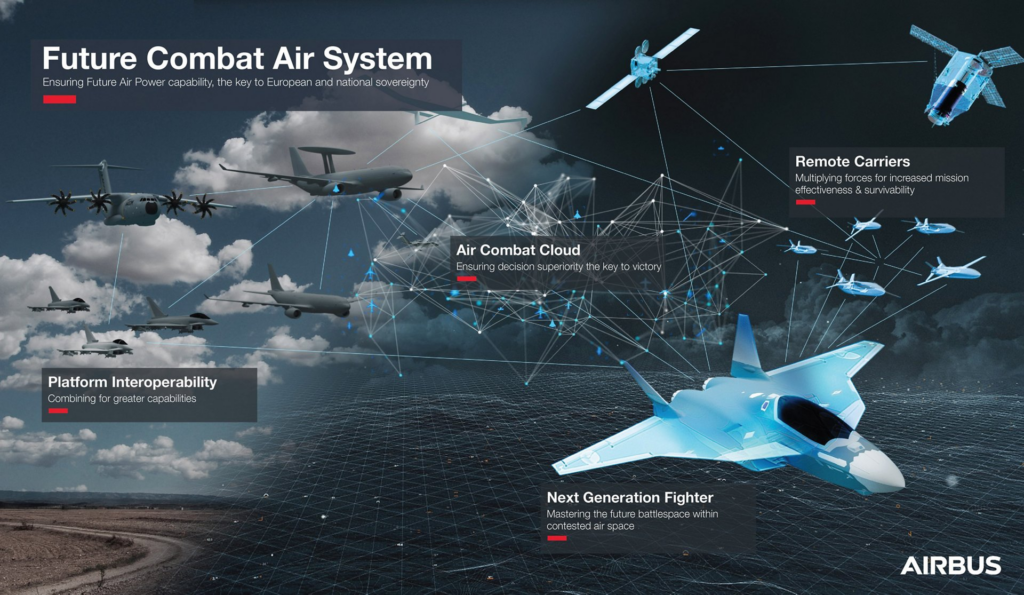
The FCAS air combat system, short for Future Combat Air System, represents a groundbreaking initiative in European defense collaboration, jointly spearheaded by Germany and France. Initially conceived as a prestigious and innovative endeavor to replace legacy aircraft like the Eurofighter and Rafale, this project promises to revolutionize air combat capabilities. However, the recent decision to indefinitely postpone discussions regarding its realization casts uncertainty over its future. With an estimated budget in the hundreds of billions, FCAS aims to integrate advanced military drone capabilities, ensuring that it is not merely a new fighter jet but a comprehensive system of next-generation warfare. As tensions and negotiations continue to mount, the fate of this ambitious defense project remains in limbo, highlighting the complexities of multinational military cooperation.
The Future Combat Air System, an ambitious joint combat aircraft initiative, is at a critical juncture as Germany and France grapple with strategic disagreements and project viability. As they aim to advance their military capabilities through this sophisticated aerial solution, the integration of drone technologies and a shared combat network is essential. The FCAS project, designed to serve as a successor to existing aircraft fleets, faces challenges that could ripple across European defense partnerships. With its inception aimed at fostering collaboration amongst European nations, the situation raises questions about the future of defense innovation and joint procurement strategies. As talks remain stalled, alternative options and competing programs like the Global Combat Air Programme loom on the horizon, indicating a potential shift in focus for Germany.
The Future of the FCAS Air Combat System: Challenges and Delays
The Future Combat Air System (FCAS) stands as a pivotal initiative poised to redefine European military aviation. However, recent postponements by Germany and France have cast a shadow on its viability. Originally slated for a decisive review by the end of 2023, the absence of a clear timeline has left stakeholders in a state of uncertainty. These delays seem rooted in broader foreign and security policy discussions that have taken precedence, leading to stalemates in high-level negotiations regarding the joint combat aircraft. Stakeholders are now left questioning not only when decisions will be made but also how they will shape the landscape of European defense cooperation moving forward.
Additionally, the ongoing dialogue surrounding the FCAS air combat system is complicated by varying corporate interests among partners like Dassault and Airbus. As disagreements over company involvement persist, they hinder progress towards a cohesive strategy. With the project’s potential costs reaching impressive figures in the three-digit billion range, the stakes couldn’t be higher. If collaborators fail to resolve these conflicts and agree on a unified direction, the FCAS project may well fade further into uncertainty, jeopardizing decades of cooperative defense planning.
Frequently Asked Questions
What is the Future Combat Air System (FCAS) and its objectives?
The Future Combat Air System (FCAS) is a collaborative defense project between Germany, France, and Spain aimed at developing a next-generation air combat system to succeed the Eurofighter. The FCAS intends to integrate traditional manned fighter jets with advanced military drone capabilities, creating a network of aerial resources with enhanced operational effectiveness by 2040.
Why has the decision on the FCAS air combat system been postponed?
The decision on the FCAS air combat system has been postponed indefinitely due to ongoing negotiations and disagreements between Germany and France regarding the project’s development and company involvement. Political complexities surrounding foreign and security policies have also contributed to this delay.
What are the implications of the FCAS project for European defense cooperation?
The FCAS air combat system represents a significant advancement in European defense cooperation. Its delay or potential failure could strain relations between Germany and France, diminishing collaborative efforts in defense projects, and impacting the future of joint military capabilities within Europe.
How does the FCAS project compare to other defense initiatives like the Global Combat Air Programme (GCAP)?
The FCAS air combat system is often compared with the Global Combat Air Programme (GCAP), a collaboration involving the UK, Italy, and Japan. While FCAS focuses on integrating advanced manned and unmanned aircraft, GCAP may represent a competing vision for future combat aircraft development, potentially impacting Germany’s commitment to FCAS.
What technologies will the FCAS air combat system include?
The FCAS air combat system is set to incorporate advanced technologies like next-generation fighter jets, unarmed military drones, and a ‘Combat Cloud’ data network. This high-tech integration aims to enhance situational awareness and operational coordination among aerial assets in military operations.
When is the FCAS air combat system expected to enter service?
The Future Combat Air System (FCAS) is projected to enter service by 2040, intending to replace the current Eurofighter and Rafale aircraft used by the German and French armed forces. However, ongoing delays in decision-making may affect this timeline.
What are the estimated costs of the FCAS air combat system project?
The total costs of the FCAS air combat system project are expected to reach the three-digit billion range, making it the largest and most expensive defense project in Europe, if fully realized. This significant investment underscores the project’s importance for future European air defense capabilities.
How will company involvement impact the development of FCAS?
Company involvement is crucial for the FCAS air combat system’s development, with significant disagreements between Dassault, Airbus, and Indra regarding project shares. Dassault aims for 80% involvement, while German stakeholders advocate for equal participation, impacting the project’s progress and potential outcomes.
What role do drones play in the Future Combat Air System?
Drones play a vital role in the Future Combat Air System (FCAS) by providing both armed and unarmed capabilities that complement the manned fighter jets. This integration aims to enhance operational flexibility, data sharing, and tactical advantages in modern warfare scenarios.
What is the significance of the Combat Cloud in the FCAS project?
The Combat Cloud is a critical data-sharing network within the Future Combat Air System, designed to streamline communication and coordination between manned aircraft and drones. This capability aims to create a more interoperable and effective military force, enhancing decision-making and operational success in complex combat environments.
| Key Point | Details |
|---|---|
| Project Status | Germany and France have indefinitely postponed the decision on the FCAS. |
| Original Timeline | A decision was expected by the end of August during the ministerial council. |
| Current Situation | There is no new target date set for decision-making regarding the FCAS. |
| Financial Implications | Total costs are projected to be in the three-digit billion range. |
| Project Scope | The FCAS is intended to operate alongside armed drones, not just as a fighter. |
| Company Involvement Issues | Disagreements over project share between Dassault, Airbus, and Indra have stalled negotiations. |
| Potential Alternatives | Germany may consider involvement in the Global Combat Air Programme (GCAP) instead. |
| Impact of Failure | The failure of FCAS may harm German-French defense cooperation and bilateral relations. |
Summary
The FCAS air combat system is a critical project for European defense, intended to capitalize on joint military capabilities between Germany, France, and Spain. However, due to persistent delays and disagreements, its future remains uncertain. Initial plans to finalize the project by the end of the year have not materialized, leaving the aviation landscape in Europe in a state of flux. As negotiations continue to stall, the implications on defense cooperation between Germany and France could be profound.

