
European pesticide regulation is undergoing significant changes, as the European Commission outlines plans to permit certain plant protection products, including glyphosate, indefinitely. This shift brings with it the elimination of the regular renewal process for pesticide approvals, a move aimed at streamlining EU pesticide legislation. By proposing that approvals now be granted without periodic re-evaluation, the Commission seeks to ease the administrative burdens on the pesticide industry. However, critics assert that this change may compromise safety standards and weaken assessments of the toxicological properties of these substances. Ultimately, as the legislative proposal unfolds, the implications for agriculture, environmental health, and public safety will be closely watched by stakeholders across the continent.
The evolving framework surrounding agricultural chemicals in Europe presents a pivotal moment for growers and consumers alike. With recent discussions about extending the approval duration for substances, like the controversial herbicide glyphosate, the implications of plant protection product regulations are far-reaching. The shift toward less stringent controls raises questions about the balance between agricultural effectiveness and environmental safety. Amid growing concerns over the influence of the pesticide industry in shaping these regulations, many are pondering the long-term consequences this might have on human health and ecosystems. As stakeholders engage in the legislative process, the future of crop protection and public health remains a critical topic of debate.
Understanding European Pesticide Regulations
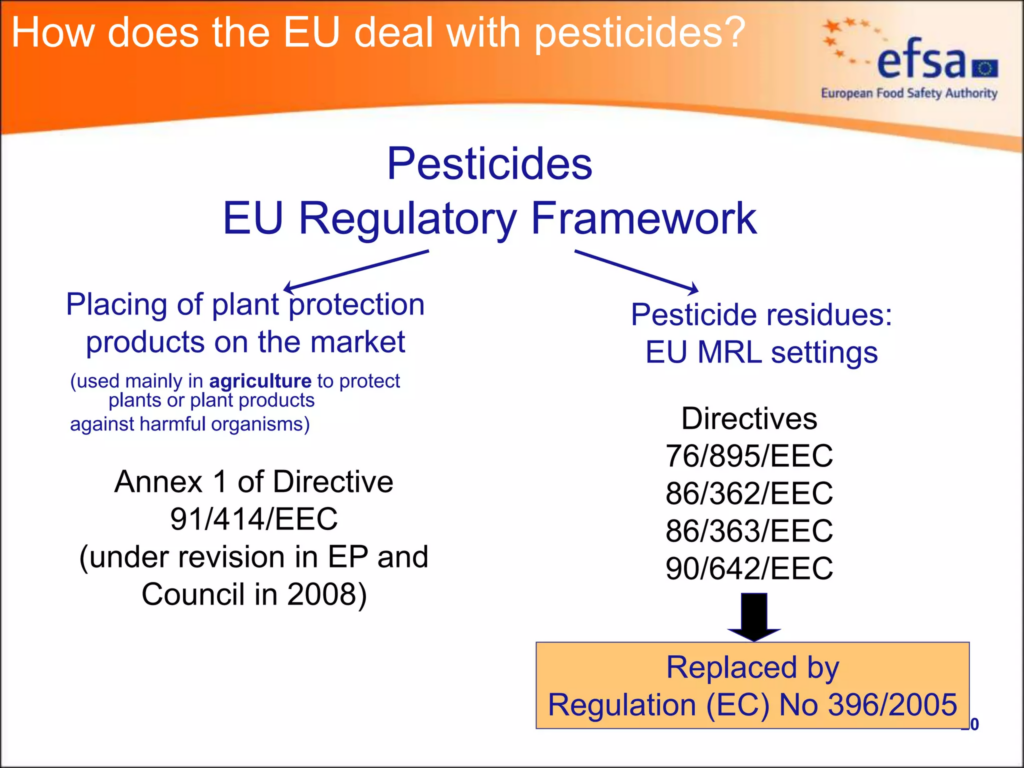
European pesticide regulations play a crucial role in ensuring the safety and efficacy of plant protection products, such as herbicides and insecticides, in the agricultural sector. These regulations are primarily embodied in the EU Pesticides Regulation (EC) No 1107/2009, which sets the framework for the approval of such substances across member states. Under this legislation, substances must undergo rigorous testing to evaluate their toxicological properties and effects on human health and the environment. The current framework requires a renewal process every ten to fifteen years, providing a structured approach to reassess the safety profiles of active ingredients like glyphosate.
However, recent proposals from the European Commission suggest abolishing the regular renewal process for certain products, potentially leading to indefinite approvals for select substances. This approach raises questions about the long-term implications for food safety and ecological health. Critics argue that if regular evaluations are suspended, the comprehensive understanding of new scientific insights regarding toxicological properties could be overlooked, potentially putting public health at risk.
Frequently Asked Questions
What changes are proposed in the EU pesticide legislation regarding glyphosate approval?
The European Commission proposes to allow glyphosate and other plant protection products to be approved indefinitely, eliminating the need for regular renewals of approvals. This change aims to simplify EU pesticide legislation except for the most dangerous substances, which will still require time-limited approvals.
How will the new European pesticide regulation affect pesticide industry practices?
The proposed European pesticide regulation is expected to streamline approval processes for plant protection products, potentially diminishing the frequency of re-evaluations. Critics argue that this could lead to increased influence from the pesticide industry, as less scrutiny may allow certain products, like glyphosate, to remain on the market longer.
What are the potential implications of eliminating regular renewals in EU pesticide legislation?
Eliminating regular renewals could result in long-term approvals for large numbers of pesticides, including glyphosate, unless scientific reasons necessitate re-evaluation. This may raise concerns about the ongoing assessment of toxicological properties and ecological impacts of these plant protection products.
What is the current approval status of glyphosate under EU pesticide regulations?
As of now, glyphosate is approved in the EU until at least 2033, following a renewal that occurred in 2023. The approval allows its continued use, but certain member states have restrictions on its application in residential areas and public spaces.
How does the EU’s proposed pesticide regulation balance agricultural needs and health concerns?
The European Commission’s proposed pesticide regulation aims to balance agricultural productivity by simplifying approval processes while addressing health and environmental concerns through continued scrutiny for particularly hazardous substances. However, critics express worry that the changes could undermine health protections.
What role do EU member states play in the approval of plant protection products?
EU member states can influence the approval process by requesting limitations on specific substances. This means that while the European Commission leads the proposal changes in pesticide legislation, individual countries can still advocate for stricter controls on certain plant protection products.
Are there any exceptions to the proposed changes in pesticide regulation for hazardous substances?
Yes, while the proposed changes would eliminate regular approvals for most plant protection products, the most dangerous substances will still be exempt from this regulation and will continue to require time-limited approvals to ensure public safety.
What are the concerns raised by critics regarding the proposed EU pesticide legislation?
Critics, including organizations such as the Pesticide Action Network, express concern that the proposed EU pesticide legislation is heavily influenced by the pesticide industry. They warn that it could jeopardize health and environmental standards, placing farmers and rural communities at risk.
How often must a pesticide currently be re-evaluated under EU regulations?
Under current EU pesticide regulations, most plant protection products must undergo re-evaluation and renewal every ten to fifteen years. The proposed changes aim to remove this requirement for most substances, including glyphosate.
What scientific requirements will still exist under the new pesticide approval processes?
Under the proposed European pesticide regulations, future renewals and re-evaluations will only be mandated when there are scientific reasons to reassess a product’s safety, particularly concerning its toxicological and ecotoxicological properties.
| Key Point | Details |
|---|---|
| Indefinite Approval for Certain Products | The European Commission plans to allow indefinite approvals for certain plant protection products, including glyphosate. |
| Abolishment of Regular Renewals | Current requirements for regular renewal of pesticide approvals are proposed to be eliminated to simplify approval procedures. |
| Exemption for Dangerous Substances | The most dangerous substances will still require regular reviews despite the proposed changes. |
| Future Renewals Based on Scientific Reasons | Renewals and re-evaluations will only occur when there are scientific indicators necessitating such actions. |
| Current Approval Duration | Presently, pesticide approvals in the EU last between ten and fifteen years, with glyphosate approved until at least 2033. |
| Restrictions in Member States | Some EU countries, like Germany, have restrictions on using certain pesticides in residential gardens and public areas. |
| Regulatory Process | The Commission’s proposal requires discussion and approval from the European Parliament and the Councils of the EU member states. |
| Criticism from Environmental Groups | Critics warn that the proposals are influenced by the pesticide industry and could negatively impact farmers and rural health. |
Summary
European pesticide regulation is at a pivotal juncture, as the European Commission proposes to allow indefinite approvals for certain pest control products, such as glyphosate, thereby eliminating the necessity for regular renewals. This proposal intends to simplify the approval process while still maintaining strict regulations for hazardous substances. However, the influential voices in the agricultural and environmental sectors argue that such a move could undermine long-established health and safety standards, potentially placing both environmental and public health at risk. As the proposal proceeds through the EU legislative process, it raises critical questions regarding the balance between agricultural efficiency and public safety in European pesticide regulation.

