
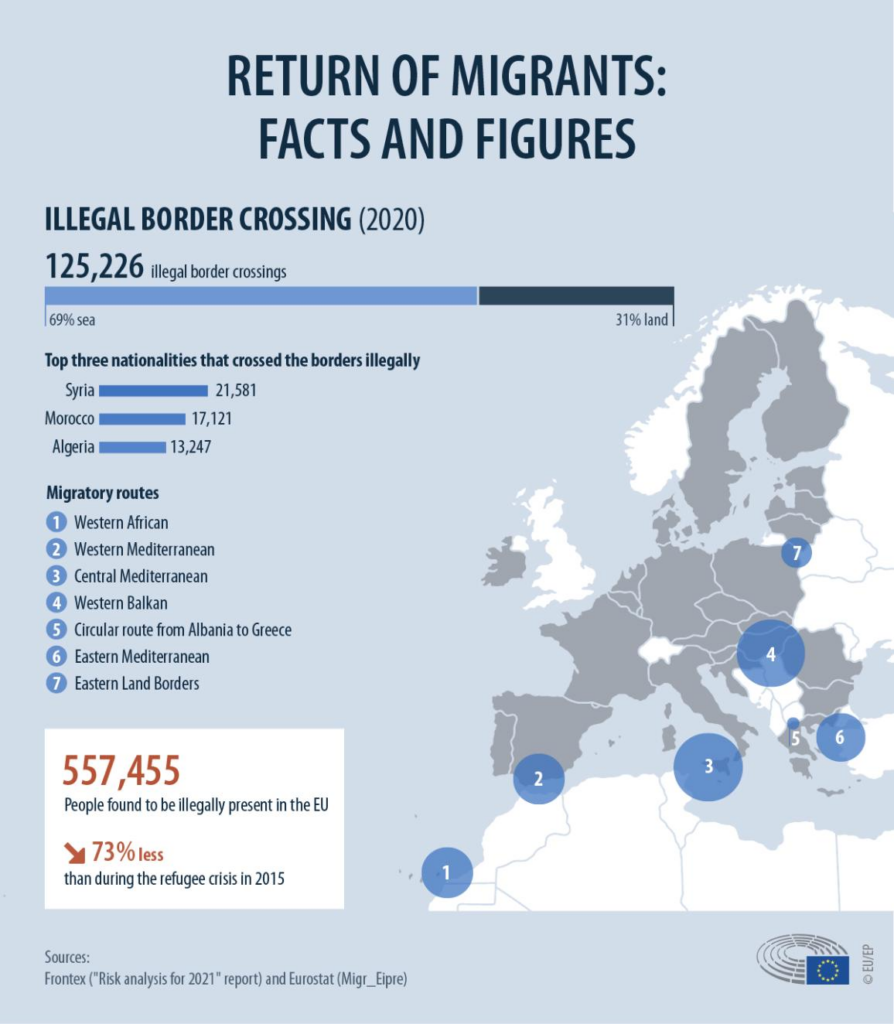
European migration policy is currently a hot topic, especially in the context of recent calls from the US government for more restrictive immigration measures across the continent. Chancellor Friedrich Merz firmly counters US interference, asserting that Europe must shape its own asylum policies without external pressure. This sentiment underscores the ongoing migration challenges facing European nations, as they seek to balance humanitarian obligations with social stability concerns. As countries navigate this complex landscape, the approach to migration becomes not just a matter of policy, but also a representation of national identity and sovereignty. Merz’s stance reflects a commitment to independent decision-making in the face of external advisories, emphasizing that Europe has the right to dictate an effective asylum policy that serves its citizens best.
When discussing the broader implications of migration management in Europe, it’s crucial to acknowledge the interplay of national and international influences. The concept of asylum and immigration frameworks is increasingly under scrutiny as various European leaders respond to external pressures, including directives from the United States. Chancellor Merz’s rejection of US input highlights a pivotal moment where sovereignty in migration affairs is fiercely defended. As nations grapple with the ramifications of mass migration, their policies often reflect a delicate balance between humanitarian needs and the perceived risks associated with immigration. This ongoing discourse showcases the dynamic nature of migration strategies, emphasizing the importance of establishing robust, independent approaches to immigration across Europe.
Chancellor Merz’s Stance on US Interference in Migration Policy
Chancellor Friedrich Merz has boldly asserted that Germany will not be swayed by external pressures regarding its immigration policies. In response to recent instructions from the US government urging European nations to adopt more restrictive immigration measures, Merz made it clear that Europe has the autonomy to create its own migration strategy. He reinforced the idea that decisions regarding asylum and immigration should remain within Europe’s jurisdiction, emphasizing that the continent is capable of crafting policies that align with its unique needs and values.
In Merz’s view, the right to self-determination in migration policy is essential, especially in a time where global migration challenges are at the forefront of political discourse. His remarks come at a critical juncture, as many European countries are grappling with the complexities of welcoming refugees while ensuring national security. By standing firm against US directives, Merz sends a clear message that any discussions surrounding asylum policy Europe is a matter for local leaders, free from outside admonitions.
Frequently Asked Questions
What is the current state of European migration policy in light of US interference?
European migration policy is being shaped significantly by internal discussions, particularly as Chancellor Merz emphasizes Europe’s autonomy in creating its own laws and regulations. Recent US directives urging a more restrictive immigration policy have prompted European leaders to assert that they will develop their common asylum and immigration policy independently.
How is Chancellor Merz addressing US interference in migration policy?
Chancellor Friedrich Merz has firmly rejected US interference, stating that European migration policy should be determined by Europe. He highlighted that recent shifts in Germany’s government reflect a commitment to create a cohesive European asylum and immigration strategy that meets the continent’s unique needs.
Why is the US advocating for a more restrictive immigration policy in Europe?
The US government’s push for a more restrictive immigration policy in Europe aims to address concerns associated with mass migration—such as violent crimes and human rights violations. The State Department’s recent directives encourage European nations to adopt stricter rules to mitigate perceived negative social impacts.
What are the main challenges facing European migration policy today?
European migration policy faces several challenges, including balancing humanitarian responsibilities with security concerns, integrating large numbers of asylum seekers, and responding to pressure from external sources like the US government, which advocates a more restrictive approach.
How does the US immigrant policy impact European migration strategies?
The US immigrant policy influences European migration strategies through its stance on restrictive measures. As the US promotes a clampdown on immigration, European countries, particularly those led by figures like Chancellor Merz, are encouraged to assert their independence and tailor their asylum policies to better reflect European values and social dynamics.
What implications does Chancellor Merz’s stance have for the future of European asylum policy?
Chancellor Merz’s stance on rejecting US interference may strengthen Europe’s resolve to create a unified asylum policy that prioritizes European interests. This could lead to innovative approaches that balance humanitarian efforts with practical immigration controls.
What role does the CDU play in forming Europe’s migration policy?
As the leading party in Germany’s government, the CDU, under Chancellor Merz, plays a crucial role in shaping Europe’s migration policy. Their emphasis on formulating a common European asylum policy reflects a commitment to addressing migration challenges while asserting independence from external pressures like those from the US government.
| Key Points |
|---|
| The US government has directed diplomats to promote a more restrictive immigration policy in Europe. |
| Chancellor Friedrich Merz has rejected US intervention, asserting that European migration policy is for Europe to decide. |
| Merz emphasizes the ongoing development of a unified European asylum and immigration policy. |
| The US argues that mass migration leads to negative social impacts, including crime and human rights violations. |
| Historically, immigration has been a significant political issue, particularly under the Trump administration. |
| Germany is a focal point of US diplomatic efforts related to migration, with influence on political parties in Europe. |
Summary
European migration policy is currently at a crossroads due to external pressures, most notably from the US government. Chancellor Friedrich Merz’s dismissal of US interference underscores Europe’s commitment to independently determining its asylum and immigration strategies. As Europe grapples with the complexities of migration, there is a clear intention to craft a cohesive policy that addresses the multifaceted challenges while maintaining sovereignty over its legislative processes. The evolving dynamics of migration policy in Europe will undoubtedly continue to be shaped by both internal discussions and external influences.

