
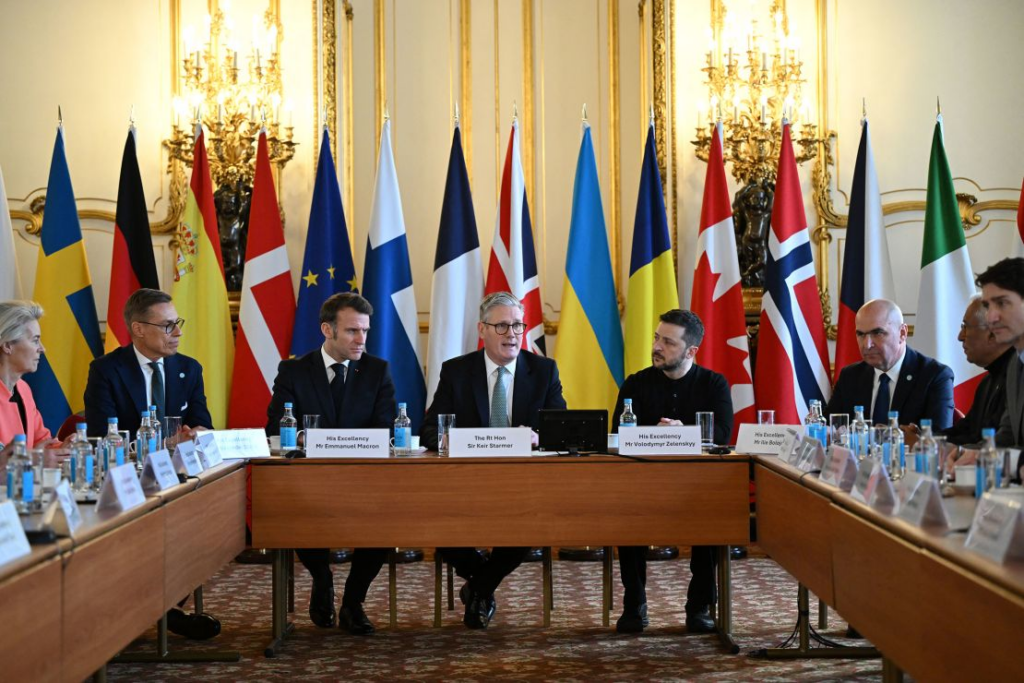
European leaders and Russia have found themselves at a critical crossroads, where the actions of individual nations could unintentionally serve to bolster the Kremlin’s agenda. Political scientist Gerhard Mangott warns that unilateral actions by European heads of state may play directly into Russia’s hands, undermining collective security. He advocates for a coordinated approach to Russia to ensure that all European leaders are united against Putin’s strategy of division. Emphasizing European unity against Putin is vital not only for limiting Moscow’s geopolitical influence but also for sustaining a stable and healthy policy framework across the continent. A lack of coherent strategy could threaten to fracture the strength of Europe, which must present a united front to tackle the multifaceted challenges posed by Russia.
When discussing the dynamics between European policymakers and the Kremlin, it is essential to understand the implications of fragmented responses to Kremlin aggression. The phrase “coordinated approach to Russia” reflects the need for collective decision-making among nations, contrasting with potential “unilateral actions in Europe” that could weaken the overall stance. Experts, such as Gerhard Mangott through his insightful analysis, shed light on how a disjointed response could inadvertently empower Russia’s geopolitical influence. Therefore, fostering an atmosphere of European unity is critical for countering the threats posed by Moscow. By focusing on these collective strategies, Europe can significantly improve its resilience against the challenges that lie ahead.
The Need for a Coordinated Approach to Russia
In his analysis, political scientist Gerhard Mangott emphasizes the essential need for a coordinated approach among European leaders regarding their dealings with Russia. He warns that unilateral actions taken by individual states can inadvertently empower Kremlin initiatives. By forging a united front, Europe can counteract the divisions that Russia seeks to exploit. The ability to present a cohesive strategy not only enhances Europe’s negotiating power but also diminishes the room for Putin to maneuver diplomatically.
Moreover, a synchronized response from European leaders helps in reinforcing democratic values across the continent. By working together, nations can initiate sanctions that affect Russia’s economy and limit its geopolitical influence. This unity is particularly important in times of increased tensions, where any divergence among European states could be perceived as a weakness, thus voraciously inviting further provocations from Russia.
European Unity Against Putin’s Strategy
European unity is paramount in successfully countering Putin’s strategic maneuvers. As Gerhard Mangott posits, any sign of discord among European nations can be harnessed by Russia to its advantage. Historical precedence demonstrates that disunity has often led to undesirable consequences, with individual nations facing increased geopolitical pressure. By advocating a unified stance, Europe can present a formidable barrier to the expansion of Russian influence and ambitions.
Ultimately, forging strong alliances within the European Union not only secures a shared policy regarding Russia but also fosters a collective commitment to democratic principles and human rights. This cooperative spirit amplifies the continent’s voice on the global stage, demonstrating a powerful front against any form of authoritarianism, especially that emanating from Moscow.
Challenges of Unilateral Actions in European Policy
Gerhard Mangott brings attention to the pitfalls of unilateral actions by European heads of state, warning that these can lead to fragmentation in foreign policy towards Russia. When countries act independently, they risk undermining collective bargaining power, making it easier for Russia to exploit divisions and reassert its geopolitical strategies. Disparate approaches can create confusion and weaken responses, leading to a misalignment of objectives within the European community.
Additionally, unilateralism can create a chasm in policy effectiveness, as individual nations may pursue divergent agendas that could clash with collective desires. This fragmentation not only dilutes the impact of any sanctions or measures imposed but may also embolden Russia to persist with its aggressive posture. Therefore, a commitment to coordinated policy-making and information sharing is imperative for Europe to effectively counter unwanted Russian influence.
The Impact of Geopolitical Influence of Russia
Moscow’s geopolitical influence extends beyond mere territorial ambitions; it seeks to disrupt Western unity and bolster its global standing at the expense of European stability. Gerhard Mangott’s analysis recognizes this influence as a multifaceted threat, reflecting Russia’s adept use of propaganda, cyber warfare, and economic leverage to undermine European cohesion. Understanding the mechanisms of this influence is crucial for European leaders striving to maintain internal solidarity while crafting effective responses.
The challenges posed by Russia’s geopolitical maneuvers necessitate a comprehensive analysis of its strategies and intentions. European states must prioritize intelligence sharing, strategic discussions, and joint military exercises to enhance deterrence. A collective understanding of these dynamics among European leaders is not merely beneficial but essential in neutralizing Russian attempts to sow discord and exploit divisions.
Gerhard Mangott’s Insights on Russian Strategy
Gerhard Mangott provides valuable insights into the nature of Russian strategy, pinpointing how it seeks to exploit weaknesses within European unity. His detailed analysis warns that Russia’s focus is not just military but also psychological, aimed at creating uncertainty and mistrust among European nations. He urges European leaders to remain vigilant against these tactics, advocating for a deliberate and strategic approach in uniting against such challenges.
Moreover, Mangott’s emphasis on a cohesive European response underscores the necessity for shared intelligence and collaborative defense initiatives to thwart Russian ambitions. By understanding the intricacies of Russia’s approach, European leaders can better prepare and construct a fortified stance that effectively reassures EU citizens of their security while simultaneously sending a clear message to Moscow.
The Role of European Leaders in Defining Policy
European leaders play a pivotal role in shaping the continent’s policy towards Russia. Their decisions can either fortify a collective stance or unravel the unity necessary to confront the Kremlin’s strategies. As echoed in Gerhard Mangott’s analysis, a failure to align policies can lead to a diluted response to Russian aggression. Each leader’s commitment to a coordinated approach is key to presenting a strong front against such geopolitical threats.
In navigating the complex political landscape, it becomes vital for leaders to engage in constructive dialogue and seek consensus on major issues. This requires prioritizing diplomatic channels and working collaboratively to draft policies that reflect a unified vision for Europe. By emphasizing cohesion, European leaders can collectively limit Russia’s ability to exploit divisions while reinforcing the security framework integral to European stability.
Strengthening a Unified Front in Europe
In an era where Russia is increasingly testing the limits of European resolve, the need for a unified front becomes paramount. Mangott’s warnings about unilateral actions remind European leaders of the critical importance of presenting a cohesive stance. Striking a balance between national interests and collective goals ensures that the message sent to Moscow is clear: Europe stands united.
Strengthening this unified front requires ongoing dialogue, strategic planning, and a commitment to multilateralism. European nations must collaborate to develop shared frameworks and responses to potential threats, showcasing both resilience and solidarity. This not only bolsters immediate security but also enhances the long-term stability of Europe as a whole, nurturing a climate where democratic values can thrive undisturbed.
The Importance of Intelligence Sharing in Europe
Intelligence sharing is an essential component of reinforcing European unity in the face of challenges posed by Russia. According to Gerhard Mangott, effective collaboration among European states can significantly enhance understanding of the evolving geopolitical landscape. By pooling resources and intelligence, European nations can proactively identify threats and respond swiftly to any maneuvers by the Kremlin.
This form of partnership not only aids in anticipating Russian strategies but also fosters a sense of collective responsibility amongst member states. As European nations navigate complex security dynamics, sharing intelligence becomes critical in facilitating informed decision-making. Such cooperative frameworks will prove invaluable in shaping effective policies aimed at counteracting Russia’s geopolitical influence.
Future Directions for European Policy on Russia
Looking ahead, it is essential for Europe to define clear policy directions concerning Russia. Through a united front and coordinated approach, European leaders can navigate future complexities more effectively. Mangott’s analysis points to the necessity of adapting strategies to address emerging threats while maintaining a focus on long-term goals of stability and security.
Going forward, these strategies must involve a balanced blend of deterrence and diplomacy, signaling to Russia that aggressive actions will be met with unity. A robust policy framework that incorporates input from various member states can help guide Europe in responding proactively to Russian maneuvers, ultimately striving for a secure and prosperous future that reflects shared European values.
Frequently Asked Questions
What is the importance of a coordinated approach to Russia among European leaders?
A coordinated approach to Russia among European leaders is crucial to counteract Putin’s strategy of division. Political scientist Gerhard Mangott emphasizes that unilateral actions may undermine collective European efforts. Unity is essential for effectively addressing Russia’s geopolitical influence and maintaining a stable and robust European policy.
How do unilateral actions by European nations impact their dealings with Russia?
Unilateral actions by European nations can weaken their collective stance against Russia, playing into the hands of the Kremlin. As highlighted by Gerhard Mangott, individual decisions may disrupt the necessary unity among European leaders, making it easier for Russia to exploit divisions within Europe.
Why is European unity against Putin essential in contemporary geopolitics?
European unity against Putin is essential because it strengthens Europe’s overall response to the challenges posed by Russia. A unified front minimizes the geopolitical influence of Russia and showcases a solid position in international relations, as stressed by analysts like Gerhard Mangott.
What is Gerhard Mangott’s analysis regarding European leaders’ responses to Russia?
Gerhard Mangott’s analysis warns against the risks of unilateral actions by European leaders towards Russia. He advocates for a collaborative approach to ensure that Europe remains unified in its response to Russian aggression, which is paramount for effectively countering Moscow’s influence in the region.
How can Europe maintain stability while addressing the geopolitical challenges from Russia?
To maintain stability while addressing geopolitical challenges from Russia, European leaders must prioritize a coordinated strategy. This includes avoiding unilateral actions and fostering unity among member states, as highlighted by Gerhard Mangott, to present a cohesive response that limits Russia’s divisive tactics.
What role do European leaders play in limiting Russia’s geopolitical influence?
European leaders play a pivotal role in limiting Russia’s geopolitical influence by presenting a united front. By coordinating their policies and actions, they can effectively counter Russia’s maneuvers, as noted in Gerhard Mangott’s analysis, ensuring that Europe’s response is comprehensive and impactful.
| Key Points | Description |
|---|---|
| Unilateral Actions | European leaders should avoid taking unilateral actions when dealing with Russia. |
| Coordinated Approach | A united front among European leaders is needed to effectively counter Russia’s strategies. |
| Putin’s Strategy | Russia aims to divide European nations through individual national actions. |
| Importance of Unity | Maintaining unity within Europe is essential to limit Moscow’s influence. |
| Geopolitical Influence | A coordinated European response is crucial for a stable and healthy geopolitical environment. |
Summary
European leaders and Russia must recognize the significance of unity in addressing the geopolitical challenges posed by Moscow. Political scientist Gerhard Mangott warns that unilateral decisions by individual European heads of state could inadvertently empower Russia’s divisive tactics. A coordinated response among European nations is vital to effectively counter Vladimir Putin’s strategies and to preserve a stable European policy framework. By prioritizing unity, European leaders can collectively limit Russian influence and foster secure and healthy relationships within the continent.

