
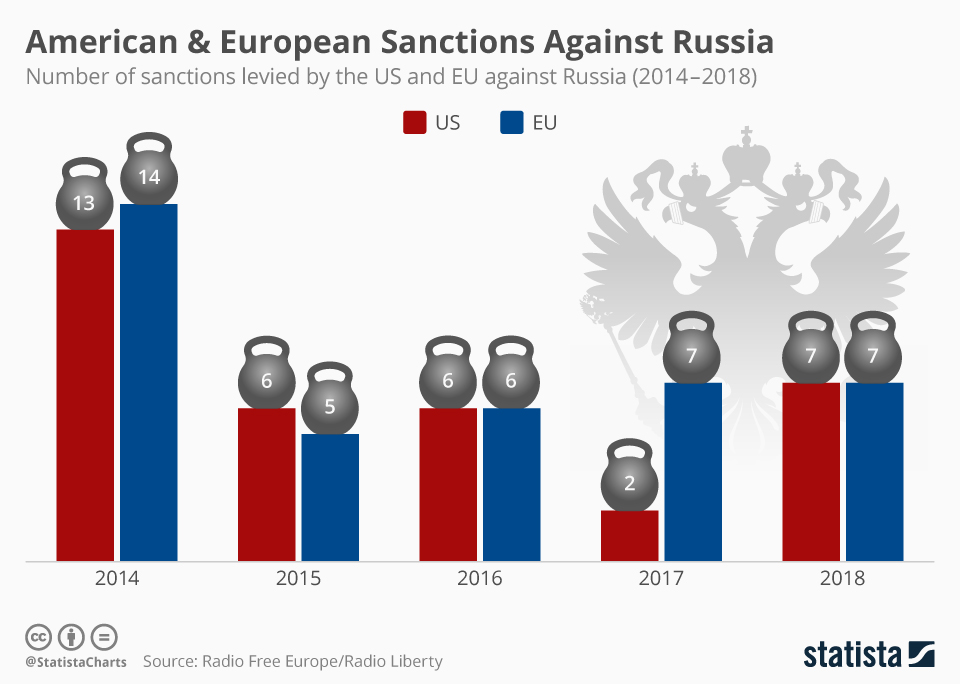
The EU sanctions on Russian assets have emerged as a pivotal strategy in the ongoing geopolitical conflict related to Ukraine. By prohibiting the transfer of frozen Russian funds, 25 of the 27 EU member states are solidifying their stance against the war of aggression initiated by Russia. This decisive action aims to redirect these state assets towards Ukraine funding, ensuring that reparations are conditioned on the cessation of hostilities. While Hungary and Slovakia stand in opposition, the broader coalition recognizes the economic challenges posed by the war, particularly rising prices for oil and food. As the EU sanctions regulations evolve, the focus remains on leveraging these frozen Russian funds to support Ukraine and foster stability across Europe.
The measures implemented by the European Union regarding Russian state assets highlight a broader commitment to international solidarity amid wartime disruptions. With a concerted effort to maintain a prohibitive stance against the release of frozen funds, EU member states are navigating complex political landscapes to ensure financial support flows towards Ukraine. This initiative is not only about enforcing compliance but also about leveraging economic resources to confront the ramifications of the ongoing conflict. Member nations are keenly aware of the stakes, knowing that the successful application of these sanctions could significantly impact the stability of both the region and the global economy. Ultimately, the ongoing discussions and strategies surrounding these assets underscore a unified resolve to counteract aggression and bolster Ukraine’s recovery efforts.
Understanding EU Sanctions Regulations on Russian Assets
The EU sanctions regulations have established a crucial framework for managing and controlling the state assets of Russia. With the current geopolitical climate following Russia’s aggression towards Ukraine, EU member states have unanimously agreed to implement measures that indefinitely prohibit the transfer of frozen Russian funds back to their originating state. These sanctions impact the assets of the Russian central bank, which are under strict control due to concerns about funding ongoing military actions. This regulatory approach underscores the intention of EU member countries to utilize these assets not only as a punitive measure against Russia but also as a potential source of funding for Ukraine’s recovery.
The implications of these sanctions are profound, as they create a financial barrier for Russia while ensuring that the frozen assets are redirected to aid Ukraine, thus integrating humanitarian assistance with economic sanctions. The EU’s decision, taking a majority vote despite Hungary and Slovakia’s opposition, illustrates its commitment to a unified strategy in foreign policy matters. The strategic use of Article 122 of the Treaty on the Functioning of the European Union allows member states to act collectively against economic threats, thereby reinforcing the legal standing of EU sanctions and ensuring the protection of Ukraine’s sovereignty.
The Role of Member States in Implementing Sanctions
EU member states play a critical role in the establishment and enforcement of sanctions against Russia, reflecting a collective response to the war in Ukraine. The recent decision to indefinitely retain Russian assets was supported by 25 out of 27 member countries, highlighting a strong majority that favors stringent measures against Russia. Countries like Hungary and Slovakia, which voted against such measures, have raised concerns about potential diplomatic repercussions and the broader impact of sanctions on international relations. Nonetheless, the majority view underscores a commitment to maintaining economic pressure on Russia while providing essential funding to support Ukraine.
The ability of EU member states to vote and uphold these sanctions reflects their collective understanding of the broader geopolitical landscape. By invoking EU sanctions regulations, members are not only addressing the immediate economic impact of the war but are also setting a precedent that reinforces the need for accountability and reparations for damages incurred. This collaborative effort is vital, as it aims to safeguard European interests while ensuring that the repercussions of Russia’s aggression do not weaken the overall stability and security of the region.
Funding Ukraine: Directing Frozen Assets for Reconstruction and Aid Efforts
The decision to retain Russian funds within the EU presents a unique opportunity to redirect these assets towards critical funding for Ukraine. With the ongoing conflict leading to significant humanitarian crises and economic challenges, utilizing frozen Russian state assets could aid in reconstruction efforts. The EU has discussed plans to facilitate long-term loans to Ukraine, ensuring that funds previously earmarked for Russia can support those who are most affected by the war. This approach not only penalizes Russia but also signals solidarity with Ukraine during its time of need.
Using frozen Russian funds for Ukraine’s recovery requires careful planning and international cooperation, particularly among member states like Belgium, which manages a significant portion of these assets through financial institutions. The EU’s intent to earmark these funds for Ukraine’s reconstruction aligns with broader strategic goals while emphasizing the necessity for reparations from Russia once the conflict ceases. This financial redirection aims to foster stability and development in Ukraine, providing much-needed resources to rebuild after the destruction wrought by the war.
Challenges in Utilizing Frozen Russian Funds
Although the EU has made significant strides in freezing Russian assets, several challenges remain in converting these funds into effective support for Ukraine. The resistance from certain member states, particularly Belgium’s concerns over potential risks in handling the funds, poses significant obstacles. Without unanimous consent or cooperation from key member states, the implementation of the initiative could be hindered, leading to delays in providing much-needed financial relief to Ukraine.
Furthermore, the complexity of international law and political considerations adds layers of difficulty in accessing and reallocating these frozen assets. There are ongoing discussions about the legal ramifications and potential backlashes against member states willing to participate in this initiative. Addressing these complexities is essential to ensure that the EU strategy to utilize frozen Russian funds proceeds smoothly and accomplishes its humanitarian goals.
The Economic Impacts of the Ongoing Conflict
The war initiated by Russia against Ukraine has had significant economic ramifications, not just for regional stability but also for the global economy. The ongoing conflict has resulted in skyrocketing prices for oil, gas, and food, which have severe implications for EU member states. Countries within the bloc have been forced to implement emergency measures costing billions of euros to mitigate the effects of these price increases. Therefore, the importance of utilizing frozen Russian assets to counterbalance these economic disturbances cannot be overstated, as securing alternative funding sources becomes increasingly critical.
By redirecting these state assets towards supporting Ukraine, the EU can address some of the economic challenges that have arisen from the conflict. It creates a dual effect of imposing economic pressure on Russia while supporting a neighboring nation in dire need of assistance. Addressing these challenges collectively through sanctions and funding initiatives ensures that the EU not only serves its strategic interests but also promotes regional stability and economic recovery.
Future Prospects for EU Sanctions Against Russia
Looking ahead, the landscape of EU sanctions against Russia will likely continue to evolve depending on the geopolitical climate and the ongoing situation in Ukraine. With international pressure mounting, the necessity for a united front among EU member states remains paramount. The commitment voiced by leaders, including EU Council President António Costa, reinforces the idea that the freezing of Russian state assets will persist until meaningful reparations are agreed upon. As the war drags on, the efficacy of these sanctions will be tested and may necessitate further adaptation to achieve their intended goals.
Future discussions will also likely include evaluating the impact of these sanctions on the EU’s internal economy, addressing the multifaceted consequences of diminishing Russian resources while maximizing support for Ukraine. In achieving these goals, EU members must navigate a complex web of legal, financial, and diplomatic factors that govern international sanctions. By balancing these elements, the EU can uphold its commitment to peace and security while supporting its broader geopolitical objectives.
The Importance of Unity Among EU Member States
The unity among EU member states is crucial when it comes to enforcing sanctions against Russia and utilizing its frozen assets for the benefit of Ukraine. This solidarity is essential not only for addressing the immediate impacts of the ongoing conflict but also for sending a strong message to Russia about the consequences of its actions. When member states present a united front, they enhance the effectiveness of sanctions and increase the overall pressure on Russia to cease its aggressive actions.
However, achieving this unity can be challenging, as evidenced by Hungary and Slovakia’s opposition to renewing sanctions against Russia. These divisions highlight the need for continuous dialogue among EU nations to address concerns and reaffirm shared goals. By fostering an environment of cooperation and mutual support, the EU can strengthen its position on the global stage while ensuring that its sanctions against Russian state assets are robust and effective.
Potential Outcomes of the EU’s Strategy
The EU’s strategic decision to maintain sanctions on Russian assets could lead to several potential outcomes that may significantly influence the trajectory of the conflict in Ukraine. By applying sustained economic pressure on Russia through the freezing of assets and redirecting these resources towards supporting Ukraine, the EU aims to create a pathway for de-escalation and eventual resolution. Should these assets be effectively utilized in rebuilding Ukraine, it could serve as a deterrent and a significant incentive for Russia to seek a diplomatic solution.
Moreover, successful fundraising and support for Ukraine could reinforce EU unity and present a precedent for future actions should similar situations arise. It may illustrate the effectiveness of collective sanctions, boosting the EU’s international reputation as a defender of democracy and sovereignty. Conversely, if member states fail to uphold this strategy, it could invite further aggressions, undermine the EU’s credibility, and destabilize the region even further.
The Long-term Vision for Ukraine’s Recovery
In crafting a long-term vision for Ukraine’s recovery, the utilization of frozen Russian funds represents a crucial component. As the nation grapples with the aftermath of war and aims to rebound economically and socially, redirecting these frozen assets can be pivotal in funding rebuilding infrastructure, supporting local economies, and fostering community resilience. Crafting a detailed recovery plan that effectively leverages these assets will ensure that Ukraine can not only recover but emerge stronger from the conflict.
Moreover, collaboration between EU member states in formulating and executing this vision is vital. It will require a strategic partnership that encompasses financial, social, and political elements to facilitate Ukraine’s transition from survival mode to sustainable growth. Achieving long-term recovery goals hinges on the successful management of these frozen assets, aligning international assistance efforts, and fostering a collaborative framework that prioritizes Ukraine’s sovereignty and future prosperity.
Frequently Asked Questions
What are EU sanctions on Russian assets and their purpose?
EU sanctions on Russian assets refer to measures implemented by European Union member states to freeze and prohibit the transfer of Russian state assets. These sanctions aim to restrict funds that could support Russia’s military actions in Ukraine and facilitate the use of those frozen assets to help fund Ukraine’s recovery efforts.
How do frozen Russian funds fit into EU sanctions regulations?
Frozen Russian funds are a critical component of EU sanctions regulations, which allow member states to prohibit the release of these assets until specific conditions are met. Currently, the EU has decided to indefinitely keep these funds frozen to ensure that they can be used to support Ukraine in the aftermath of the ongoing conflict.
Can EU member states individually veto sanctions on Russian state assets?
No, individual EU member states can no longer veto actions concerning Russian state assets due to recent agreements. The majority of member states, excluding Hungary and Slovakia, voted to prohibit the transfer of frozen funds, thereby streamlining decision-making processes regarding these sanctions.
What is the significance of Article 122 in relation to EU sanctions regulations on Russia?
Article 122 of the Treaty on the Functioning of the European Union allows member states to adopt measures by a qualified majority in situations of serious economic difficulties. This has been invoked regarding EU sanctions on Russian assets, acknowledging that the ongoing war in Ukraine poses substantial economic challenges for the EU.
How are EU sanctions on Russian assets affecting Ukraine funding?
EU sanctions on Russian assets are pivotal in redirecting these frozen funds to aid Ukraine. The measures are designed to ensure that Russia’s assets are not released until reparations for damages caused by the war are paid, thus supporting long-term funding initiatives for Ukraine’s recovery.
What challenges do EU member states face concerning the management of frozen Russian funds?
The management of frozen Russian funds faces significant challenges, particularly for the implementation of plans to support Ukraine. A key issue is the participation of Belgium, which manages a large portion of these funds and has cited risks in allowing their use.
What commitment did EU leaders make regarding frozen Russian funds and Ukraine?
EU leaders, reaffirmed by Council President António Costa, committed to keeping Russian assets frozen until Russia ends its aggression against Ukraine and compensates for the damages incurred during the conflict. This commitment serves as the foundation for potential funding support for Ukraine.
How has the economic impact of the Ukraine war influenced EU sanctions on Russian assets?
The economic impact of Russia’s war against Ukraine, including soaring prices for energy and food, has galvanized EU member states to implement sanctions on Russian assets. These measures are viewed as necessary responses to the ongoing economic challenges faced by the EU, ensuring the funds are retained until the conflict is resolved.
What is the role of Hungary and Slovakia regarding EU sanctions on Russian state assets?
Hungary and Slovakia opposed the indefinite freezing of Russian funds during the recent EU vote. Their dissent highlights internal divisions among EU member states about the approach to sanctions and reflects concerns over the potential implications for diplomatic efforts surrounding the conflict.
What is the potential future for utilizing frozen Russian funds under EU sanctions?
The future utilization of frozen Russian funds under EU sanctions hinges on diplomatic negotiations and compliance with conditions set by member states. The EU aims to facilitate funding for Ukraine through these assets, contingent on Russia meeting reparations obligations.
| Key Point | Details |
|---|---|
| EU’s Foundation on Russian Assets | The EU has voted to indefinitely prohibit the transfer of frozen Russian assets back to Russia, with 25 out of 27 member states in favor. |
| Hungary and Slovakia’s Position | Both Hungary and Slovakia voted against the freeze on transferring funds. |
| Usage of Assets for Ukraine | The frozen assets are proposed for use as long-term loans to Ukraine, contingent on Russia paying reparations after its war. |
| Article 122 Invocation | Germany and other supporting states are invoking Article 122, citing serious economic difficulties due to the war. |
| Economic Impact | The war has led to increased prices in oil, gas, and food, prompting the EU to take measures costing hundreds of billions of euros. |
| Commitment from EU Leaders | Leaders reaffirmed commitment to keep Russian assets frozen until the end of the war and compensation for damages is assured. |
| Belgium’s Blocking of the Plan | Belgium’s cooperation is crucial as it manages a significant portion of Russian funds, but it is blocking the plan due to perceived risks. |
Summary
The EU sanctions on Russian assets represent a significant strategy to ensure that frozen funds are utilized to aid Ukraine amidst the ongoing conflict. With the overwhelming majority of EU member states supporting the indefinite freeze on transfers back to Russia, this move aims to deter nations like Hungary from opposing future sanctions. The initiative is closely tied to the economic challenges created by the war, with the EU seeking to address soaring costs in energy and food through these measures. As the situation progresses, maintaining consensus amongst member states remains paramount, particularly with Belgium’s critical role in managing Russian funds, stressing the urgency for unified action against Russia’s aggression.

