
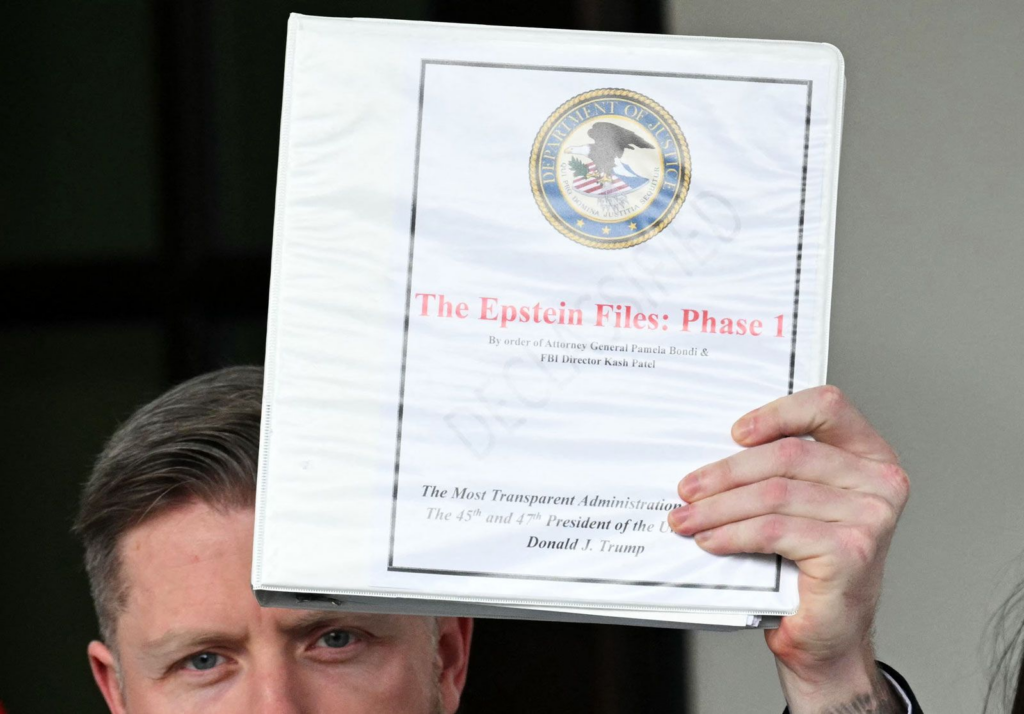
The recent analysis of the Epstein files has raised critical questions about the transparency and completeness of the documents released by the Justice Department. As mandated by the Epstein Transparency Act, these files were expected to shed light on the financial records Epstein amassed during his illicit operations. However, key materials, including vital financial documents and internal communications from prosecutors involved in the Maurene Comey investigation, appear to be conspicuously missing. This incomplete disclosure has sparked outrage among critics who argue that the agency’s actions undermine public trust. With the media spotlight on notable evidence, such as a Bill Clinton photo with Ghislaine Maxwell, many are left wondering what is still hidden within the murky depths of the Justice Department’s archives.
An examination of the Epstein files highlights a troubling lack of information regarding the high-profile investigations tied to Jeffrey Epstein and Ghislaine Maxwell. The release of these documents follows the Epstein Transparency Act, yet many essential details, including critical financial records and the actions of key prosecutors, seem to have been overlooked. Not only are specific files missing, but the public is left with heavy redactions and ambiguity surrounding the involvement of figures like Maurene Comey. While some previously known evidence has been made public, the overarching concern remains about the transparency and depth of the Justice Department’s disclosures related to this controversial case. As discussions intensify, it’s apparent that thorough scrutiny is necessary to ensure accountability and clarity in this ongoing saga.
Analysis of the Epstein Files: What’s Missing?
The recent analysis of the Epstein files has cast a spotlight on significant gaps in the documentation released by the Trump Administration. Critics argue that the absence of crucial financial records and internal memos from federal prosecutors raises serious questions about transparency. The Epstein Transparency Act was designed to shed light on the murky dealings of high-profile figures linked to Jeffrey Epstein. By not including key documents that could provide insight into how Epstein accumulated his wealth, the Justice Department seems to be sidestepping its obligations, undermining the very purpose of transparency in legal affairs.
Moreover, the released materials lack emails and discussions around prosecutorial actions—particularly those detailing who was targeted for charges and why certain individuals, potentially including influential figures, were not pursued. This omission not only fuels speculation but also undermines public trust in the legal process. As discussions surrounding potential investigations into the agency’s handling of these documents heat up, the lack of comprehensive disclosure may very well be seen as a blatant disregard for the Epstein Transparency Act.
Implications of Missing Justice Department Documents
The implications of the missing documents from the Epstein files stretch beyond a mere absence of information; they highlight systemic issues within the Justice Department. As mandated by law, all relevant documents related to Epstein and his associate Ghislaine Maxwell should have been disclosed. Yet, with only a fraction of the material available, advocates for transparency argue that the department is failing its duty to inform the public fully. The Justice Department’s rationale, citing the need for victim protection alongside compliance with the law, raises further questions regarding what exactly is protecting victims from how much information.
Moreover, the incomplete release may motivate lawmakers to pursue serious repercussions against those responsible for the apparent oversight. With figures like Congressman Ro Khanna threatening to initiate impeachment proceedings against senior officials, it’s clear that the political ramifications of this lack of transparency are far-reaching. Not only does this affect public perception of the Justice Department, but it also shapes future legal precedents about what constitutes an adequate release of information.
The Maurene Comey Investigation: A Missing Piece
The investigation led by Maurene Comey, noted as a significant facet of the Epstein case, remains shrouded in uncertainty due to the scant details provided in the released documents. Authorities have yet to clarify her role, and her abrupt dismissal without explanation has sparked concerns about the continuity and integrity of the investigations. What remains problematic is the lack of context surrounding Comey’s inquiries and decisions, which could potentially elucidate the motivations or resistance faced when pursuing high-profile individuals linked to Epstein.
This lack of transparency in the Comey investigation raises vital questions about oversight in cases involving powerful entities. As critics indicate, there is a visible disparity in how cases are pursued based on social and political connections. Advocates for victims and transparency argue that without a comprehensive look into Comey’s actions, including whom she chose not to charge, the public cannot fully understand whether justice was adequately served in the Epstein case.
Reactions to the Released Epstein Files
The public and political response to the recently released Epstein files has been one of disappointment and frustration. High-profile lawmakers from both parties, including Democratic Congressman Robert Garcia, have expressed discontent, arguing that the agency’s release represents only a fraction of what’s required under the Epstein Transparency Act. This disappointment echoes throughout advocacy groups who fought for document transparency, revealing a shared sentiment that the efforts to provide clarity on Epstein’s network are being sabotaged by excessive redactions and incomplete information.
Critiques have rallied around the notion that merely disclosing redacted documents does not fulfill the intent of the law promoting transparency. Notably, Senate Minority Leader Chuck Schumer emphasized that pages with extensive redactions don’t serve the public interest, calling for a reevaluation of the processes in place for document disclosures. His comments underscore a collective demand for accountability, suggesting that unless substantial and unredacted materials are provided, the spirit of the Epstein Transparency Act remains unfulfilled.
The Role of Financial Records in Epstein’s Case
The stark absence of financial documents in the Epstein file release presents a troubling narrative about the probe into Epstein’s dealings. Financial records are vital not just for understanding how Epstein built his wealth but also for unraveling the network of individuals and entities that may have been complicit in his actions. Without insights into the financial transactions and ties, the investigation lacks a significant dimension necessary for comprehensively grasping Epstein’s operations.
Furthermore, discussions surrounding the implications of Epstein’s financial dealings—particularly with influential figures—remain largely speculative. The lack of clarity surrounding financial ties raises concerns about possible political ramifications for those who may have benefited from or enabled Epstein. The Justice Department’s failure to include financial records only fuels skepticism and highlights the urgent need for a thorough and unredacted release of all documents, in line with the Epstein Transparency Act.
Calls for Improved Transparency in Ongoing Investigations
The persistent dissatisfaction with the recent release of the Epstein files has led to increased calls for greater transparency in ongoing investigations. Lawmakers like Congresswoman Ro Khanna are advocating for a defined timeline for document disclosures, emphasizing that without this, the public may question the credibility of the investigations themselves. It is critical for the Justice Department to ensure that future releases are comprehensive so that public trust can be restored.
The implications of inadequate transparency extend beyond the Epstein case; they pose broader questions about accountability within federal institutions. Advocates argue that without rigorous oversight, those in power might continue to escape scrutiny, ultimately allowing injustices to persist. This discourse around transparency reflects a growing public demand for confidence in legal proceedings, especially regarding high-profile cases that impact numerous victims.
Future Outlook for Epstein Documentation Releases
As the Deputy Attorney General Todd Blanche hinted at more releases in the future, the public remains cautiously optimistic about the potential for transparency. It is essential, however, for the department to adhere to a clear timeline to avoid continued doubts about its commitment to the Epstein Transparency Act. With significant material still pending, including potentially revealing financial documents, the Justice Department has an opportunity to regain public trust.
Continued attention on this issue underscores the critical nature of accountability, as constituents demand that the agency does not fall back on the same patterns of limited disclosures. As more documents become available, advocacy groups will undoubtedly scrutinize their content for transparency and clarity. The future of Epstein-related investigations depends heavily on the ability of the Justice Department to operate in a fashion that reflects the spirit of justice and openness promised by legislation.
Impact of Redacted Content on Public Trust
The heavily redacted files released by the Justice Department have raised significant eyebrows regarding the agency’s commitment to transparency. Many observers argue that excessive redactions only serve to fuel conspiracy theories and skepticism about the motivations behind the selective sharing of information. When critical documents are withheld or obscured, it can severely undermine public confidence in the legal process, particularly in a case as intricate and high-profile as that of Epstein and his associates.
Policymakers and advocates calling for transparency are increasingly concerned that continued delays will lead to further erosion of trust in governmental institutions. The situation is compounded by the fact that public interest in Epstein’s case is not just about accountability for past actions but also about safeguarding the integrity of future legal proceedings. Therefore, ensuring unredacted documents are made available is imperative to restoring faith in the judicial system.
Ongoing Legal & Political Battles Regarding Epstein Files
The ongoing legal and political battles surrounding the Epstein files reflect a complex interplay of accountability, public interest, and the power of influential individuals. With politicians on both sides of the aisle stepping forward to express frustrations over the inadequate disclosures, it’s apparent that the implications of the Epstein Transparency Act are far-reaching. The threat of impeachment proceedings against high-ranking officials indicates how seriously lawmakers view potential misconduct related to the handling of these files.
These ongoing discussions highlight the necessity for transparency in all forms of governance, particularly when sensitive or potentially damaging information is at stake. The outcome of these political skirmishes may yield significant changes in how such documents are treated in the future—either tightening safeguards around them or re-evaluating priorities in transparency. Ultimately, how these battles unfold will heavily influence both public sentiment and the future landscape of legal accountability.
Frequently Asked Questions
What insights can we gain from the Epstein files analysis?
The Epstein files analysis reveals significant omissions, particularly financial records and internal memos from the Justice Department that could shed light on Epstein’s wealth and the decisions made during the investigation, including those related to the Epstein Transparency Act.
How does the Epstein Transparency Act impact the release of documents?
The Epstein Transparency Act mandates the release of documents related to Epstein and his associates. However, the analysis shows that the Justice Department’s compliance falls short, with only 10% of the expected materials disclosed.
What documents were notably missing from the released Epstein files?
The released Epstein files lacked crucial financial documents, internal memos from prosecutors, and specific evidence from Epstein’s properties, all of which are critical for understanding the extent of his operations.
What role did Maurene Comey play in the Epstein investigation according to the files?
The Epstein files analysis indicates that while Maurene Comey co-led the prosecution against Epstein and Ghislaine Maxwell, her sudden dismissal without explanation leaves many questions unanswered regarding her contributions to the investigation.
What was included in the recent release of Epstein files?
The recent release of Epstein files included some significant items like a photo of Bill Clinton with Maxwell and interrogation videos from 2005. However, much of the material consisted of heavily redacted documents already available in public discourse.
How have lawmakers reacted to the release of the Epstein files?
Lawmakers, including Congressman Ro Khanna and Senate Minority Leader Chuck Schumer, have expressed frustration with the limited release of the Epstein files, urging more transparency and accountability from the Justice Department.
What is the public’s reaction to the redactions in the Epstein files?
The public and advocacy groups have shown disappointment and frustration regarding the extensive redactions in the Epstein files, seeing it as a violation of the spirit of the Epstein Transparency Act.
When can we expect further documents related to the Epstein case?
The Justice Department has indicated that more documents related to Epstein will be released, potentially by the end of the year, though no specific timeline has been established.
What are the implications of missing financial records in the Epstein files analysis?
The absence of financial records in the Epstein files analysis raises questions about how Epstein accrued his wealth, which may be vital for understanding the full scope of his illegal activities.
How did the Trump Administration’s policies affect the release of Epstein-related documents?
The Trump Administration’s policies, under the Epstein Transparency Act, aimed to ensure comprehensive disclosure of documents; however, analysts criticize the current release as failing to meet these intentions.
| Key Points | Details |
|---|---|
| Missing Financial Documents | The release lacks crucial financial records related to Epstein’s wealth. |
| Lack of Internal Memos | No internal memos from prosecutors were included, leaving questions about charging decisions unanswered. |
| Release Only Represents 10% | Democratic Congressman Garcia estimates only a fraction (10%) of all documents were released; more is expected. |
| Response from Officials | Deputy Attorney General Blanche promised more documents will be released by year-end, focusing on compliance and victim protection. |
| Criticism from Lawmakers | Several lawmakers, including Congressman Khanna and Senator Schumer, criticized the transparency of the released documents and called for accountability. |
| Inclusion of Notable Material | Included were some known items like a photo of Bill Clinton with Maxwell and interrogation videos from 2005, though much was redacted. |
Summary
The Epstein files analysis reveals significant gaps and omissions in the recently released documents, highlighting the lack of essential financial records, internal memoranda, and relevant investigative materials. As lawmakers express frustration with the legal release, it underscores the need for genuine transparency and accountability in investigations involving high-profile figures. The narrative surrounding the Epstein case continues to unfold, prompting further scrutiny into how effectively the Department of Justice is complying with federal mandates while ensuring public confidence in its efforts against sexual trafficking.

