
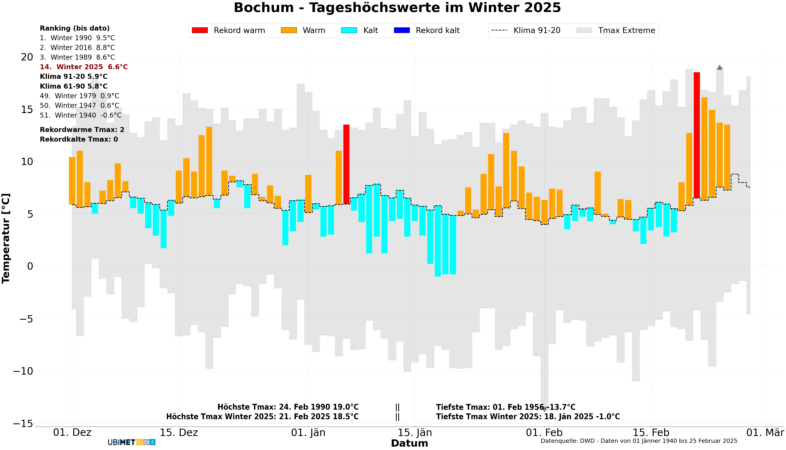
The DWD Annual Weather Summary 2025 highlights a year characterized by remarkable weather patterns, showcasing both warmth and sunshine across Germany. According to the German Weather Service, 2025 recorded some of the sunniest conditions in decades, leading to a significant increase in sunshine hours compared to historical averages. With average temperatures soaring to 10.1 degrees Celsius, which is notably higher than previous decades, the climate overview 2025 indicates a trend towards warmer conditions. Rainfall statistics reveal a stark decline in precipitation, with total rainfall dropping to 655 liters per square meter, making it a notably dry year. The preliminary assessment suggests that, despite missing a record high, the combination of dry spells and sunny weather in Germany has undeniably set a remarkable precedent for future weather trends.
In reviewing the weather patterns of 2025, we find an astonishingly bright and dry climate landscape across Germany, as outlined in the annual assessment by the DWD. This period displayed an unusual warmth, emerging as one of the most sun-drenched years in the historical weather archives. The data collected paints a clear picture of significantly less rain—highlighting the dry conditions in contrast to the expected averages. Germany’s climatic conditions this year have not only reflected an overall increase in temperature but also shed light on the evolving trends of sunshine and precipitation, ensuring that 2025 will be remembered for its distinct weather characteristics. Such observations underscore the importance of ongoing studies into long-term climate patterns and their implications for future weather forecasts.
DWD Annual Weather Summary 2025: A Year of Sunshine and Warmth
The DWD Annual Weather Summary for 2025 highlights an exceptional year characterized by high temperatures and abundant sunshine. As one of the warmest years on record, the year was noted for its mild winters and a striking lack of precipitation, aligning with the broader trends observed in Germany’s climate. With warm spells particularly pronounced in July, the overall average temperature reached 10.1 degrees Celsius, which is a significant increase compared to historical averages. This aligns with ongoing discussions around climate adaptations in Germany, emphasizing the need for increased awareness regarding climatic changes.
Additionally, the sunny weather in Germany contributed to the landscape’s vibrancy, making 2025 memorable for outdoor activities and tourism. The DWD reported over 1,945 hours of sunshine throughout the year, underlining its status as one of the five sunniest years recorded since 1951. The implications of these statistics are vast, touching on agricultural practices, water conservation, and even energy consumption patterns. As the nation faces evolving weather trends, the importance of adapting to these climatic shifts becomes increasingly vital for both urban and rural communities.
Understanding 2025 Weather Trends in Germany
The weather trends in Germany throughout 2025 signal significant fluctuations that align with climate change projections. A critical observation from the DWD report indicates that while certain months, like July, experienced extreme heat, others, particularly September, showcased increased rainfall, especially in the western regions of the country. This inconsistency presents challenges for effective urban planning and agricultural management, necessitating a thorough understanding of these shifts to mitigate adverse effects.
Moreover, the overall reduction in expected rainfall by 17 percent in 2025 has raised concerns about water resource management. The DWD noted that the rainfall total of 655 liters per square meter was well below averages from previous reference periods. This trend is critical, as water scarcity could impact agricultural outputs and natural ecosystems. As Germany looks to the future, addressing these disparities through innovative conservation strategies and sustainable practices will be essential to manage the implications of changing weather patterns.
Germany Rainfall Statistics: An Overview of 2025
The rainfall statistics for Germany in 2025 provide a telling picture of the changing precipitation patterns across the region. According to the DWD data, the expected rainfall of 655 liters per square meter was significantly lower than both historical averages. This marked a crucial shift, particularly in the context of seasonal variations, as the year’s outline indicated months of little rain juxtaposed against periods of unexpected downpours.
Such statistics underline the importance of consistent monitoring and analysis of weather patterns. The DWD’s comprehensive data collection from 2,000 measuring stations allows meteorologists to derive insights into regional discrepancies and climate behaviors. With rainfall significantly below average, it becomes pivotal for policymakers and farmers alike to develop adaptive strategies that aim to counteract these trends, securing water supplies and ensuring agricultural productivity in the years to come.
Sunny Weather in Germany: Benefits and Implications for 2025
The year 2025 saw a remarkable amount of sunny weather, which has notably influenced various sectors within Germany. With over 1,945 hours of sunshine reported, this year stands as a boon for outdoor enthusiasts and sectors such as tourism and recreation. The sunny days contributed not only to the leisure activities available to residents and visitors but also provided a potential boost for businesses that thrive in brighter weather.
Despite these benefits, the extended periods of sunshine raise important considerations regarding water use and energy management. With sunny weather contributing to heightened evaporation rates, the implications for water conservation are significant. As Germany capitalizes on the benefits of increased sunshine, strategic planning will be essential for ensuring a sustainable balance between enjoying the sunny weather and preserving vital water resources.
Climate Overview 2025: What Was Learned from DWD Data
The climate overview for 2025, as assessed by the German Weather Service, revealed profound insights into the evolving weather landscape of Germany. With data-derived analyses from across the region, patterns of warmth and dryness underscore the critical need to adapt to climate variability and extremes. The findings from 2025 could serve as a crucial benchmark for understanding future climate scenarios.
Moving forward, such insights prompt a reevaluation of infrastructure resilience, energy systems, and environmental policy in the face of climate change. By recognizing the trends and anomalies observed in 2025, Germany can better prepare and implement strategies that mitigate the risks associated with extreme weather, ensuring sustainable development amidst a changing climate.
Comparative Analysis: 2025 Weather Patterns vs Previous Years
A comparative analysis of the weather patterns from 2025 versus previous years reveals a distinctive shift in climate behavior within Germany. By examining historical data compiled by the DWD, one can note that while temperatures have consistently risen over recent decades, the stark absence of rainfall in 2025 stands out sharply from previous years. This trend indicates a significant departure from the norms of the prior decades, necessitating a reexamination of the underlying climate factors driving these changes.
The implications of these observed changes are far-reaching. For instance, farmers may need to adjust planting schedules or crop selections based on the anticipated weather patterns, while urban planners might focus on developing rainwater management systems to counteract prolonged dry spells. Understanding these dynamics will become increasingly crucial as Germany looks to implement strategies that support a resilient future in light of evolving climate challenges.
Future Predictions: How 2025 Affects Forecasting in Meteorology
As meteorologists analyze the data from 2025, future predictions about weather and climate trends become increasingly relevant. The DWD’s findings can significantly influence how weather forecasts are approached in the coming years. With unprecedented temperatures and low precipitation levels recorded, there is a heightened need for improved forecasting models that can effectively incorporate such variances into future projections.
Forecasting will also need to incorporate adaptive measures that consider the lessons learned from the 2025 data. By updating predictive models based on recent climatic trends, meteorologists can better equip the public and policymakers with the information they need to respond to weather variations more effectively. As we move forward, this adaptive approach can play a crucial role in preparation and response strategies for weather-related challenges.
Impacts of 2025 Weather Conditions on Agriculture
The weather conditions observed in Germany during 2025 have brought significant implications for the agricultural sector. The combination of high temperatures and reduced rainfall presents both challenges and opportunities for farmers. While warmer weather can lead to increased crop growth rates, the limited water supply could hinder overall agricultural productivity, pushing farmers to seek innovative irrigation techniques and drought-resistant crop varieties.
Moreover, the insights gained from this year could influence policies regarding agricultural subsidies and support systems. Understanding the relationship between fluctuating weather patterns and crop yields becomes paramount for establishing appropriate responses to future climate scenarios. Therefore, effective collaboration between the agricultural community and meteorological bodies like the DWD is essential to plan for these evolving conditions.
The Role of the DWD in Shaping Weather Awareness in Germany
The role of the German Weather Service (DWD) has been pivotal in shaping public awareness and responses to weather conditions throughout 2025. By providing timely and accurate data, the DWD enables individuals, businesses, and government entities to make informed decisions based on the climatic nuances of the year. Their emphasis on comprehensive data collection and analysis aids in better understanding trends that affect diverse sectors, from agriculture to urban development.
As weather extremes become more pronounced, the DWD’s continuous monitoring and reporting become increasingly vital. Their commitment to disseminating knowledge about changing weather patterns empowers communities to adapt and respond proactively to the challenges presented by climate change. Moving forward, fostering this relationship between data providers and the public will be essential in building resilience against future climatic variations.
Frequently Asked Questions
What are the key findings from the DWD Annual Weather Summary 2025?
The DWD Annual Weather Summary 2025 indicates that the year was one of the warmest and sunniest on record in Germany. The average temperature was 10.1 degrees Celsius, significantly above previous reference periods, and the total sunshine duration exceeded the historical average, making it one of the five sunniest years since 1951.
How does the rainfall in Germany compare according to the DWD Annual Weather Summary 2025?
According to the DWD Annual Weather Summary 2025, Germany experienced 17 percent less rainfall than the historical average, totaling 655 liters per square meter. This indicates a notably dry year, especially considering the extreme heat experienced in early July.
Was there any extreme weather reported in the DWD Annual Weather Summary 2025?
Yes, the DWD Annual Weather Summary 2025 reported extreme heat in early July, along with a notably mild and sunny winter. September was one of the wettest months, particularly in the western regions of Germany.
How does the average temperature in 2025 compare to previous years according to DWD data?
The average temperature for Germany in 2025 was 10.1 degrees Celsius, which is 1.9 degrees above the 1961-1990 reference period and 0.8 degrees above the 1991-2020 period. This positions 2025 among the ten warmest years since records began in 1881.
What implications does the DWD Annual Weather Summary 2025 have for climate trends in Germany?
The DWD Annual Weather Summary 2025 highlights increasing temperature trends and prolonged periods of sunshine, suggesting ongoing climate change impacts. The significant drop in rainfall may also indicate trends that could affect agriculture and water resources in Germany.
What was the sunshine duration in Germany as reported by the DWD Annual Weather Summary 2025?
The DWD Annual Weather Summary 2025 noted that Germany received over 1,945 hours of sunshine, roughly 26 percent above the average for the 1961 to 1990 period, and around 17 percent above the 1991 to 2020 reference period.
What were the reasons for missing a temperature record in the DWD Annual Weather Summary 2025?
The DWD attributed the failure to set a new temperature record in 2025 to fluctuations in temperatures during July and October, which balanced the overall warmth experienced throughout the year.
How does the DWD collect data for the Annual Weather Summary?
The DWD collects data for its Annual Weather Summary from approximately 2,000 measuring stations distributed across Germany, providing a comprehensive overview of national weather patterns.
| Key Point | Details |
|---|---|
| Overall Weather Conditions | Very warm, sunny, and low in precipitation. |
| Temperature | Average temperature was 10.1°C, 1.9°C above the 1961-1990 average. |
| Rainfall | Expected rainfall of 655 liters/sq.m, 17% below average. |
| Sunshine Hours | Over 1,945 hours of sunshine, 26% above the 1961-1990 average. |
| Notable Weather Events | Extreme heat in early July; very wet September in the west; mild and sunny winter. |
| Ranking | Among the ten warmest years since records began in 1881. |
Summary
The DWD Annual Weather Summary 2025 highlights a year marked by warmth and sunshine, establishing itself among the top ten warmest years recorded. Despite missing any temperature records, 2025 stood out for its sunny disposition, resulting in one of the five sunniest years since 1951. The significant spikes in temperature and sunshine were contrasted by reduced rainfall, marking the year as clearly too dry. With a comprehensive appraisal offered by the German Weather Service, it is clear that 2025’s weather patterns reflected notable extremities and deviations from historical averages.

