
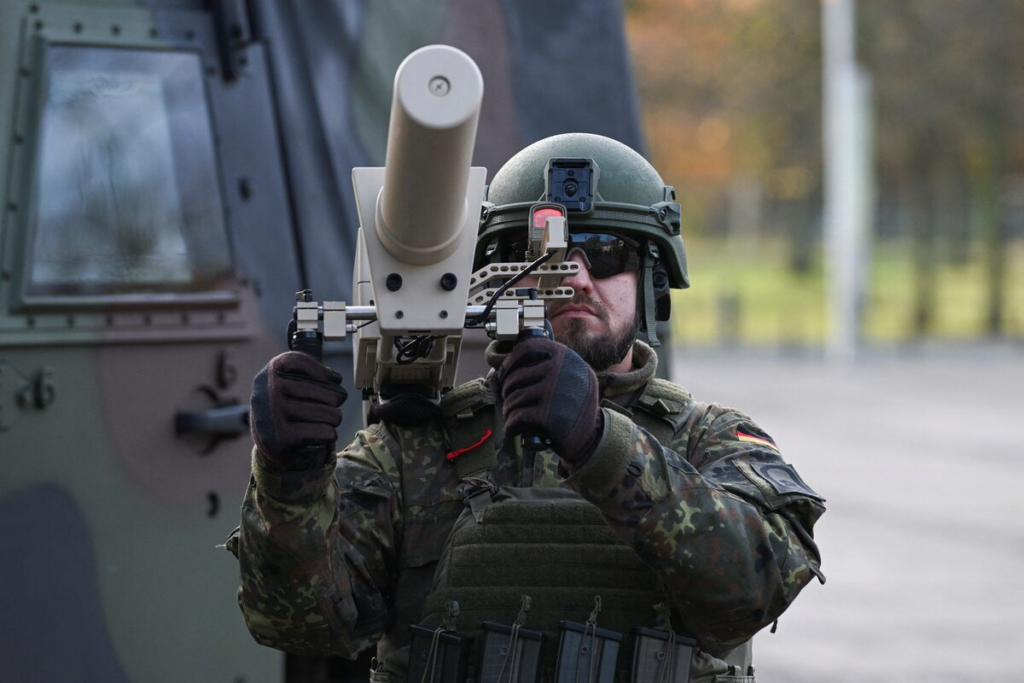
The drone threat in Germany has escalated alarmingly, with the Federal Criminal Police Office (BKA) reporting over 1,000 suspicious drone flights this year alone. This surge, detailed in an unprecedented BKA drone report, highlights concerns about the potential for criminal activities perpetrated using these unmanned aerial vehicles. BKA Chief Holger Münch emphasizes that this represents an “acute danger situation,” particularly for military facilities, airports, and critical infrastructures. In response to these ongoing threats, the establishment of the Joint Drone Defense Center aims to enhance Germany’s drone security measures and counteract these incursions effectively. As the nation grapples with the implications of military drone surveillance, it becomes increasingly vital to address the menace posed by unauthorized drone operations.
In recent months, Germany has faced an escalating challenge related to the unauthorized use of drones, characterized by increasing reports of aerial surveillance activities and suspicious drone flights. The Federal Criminal Police have alerted the public and the government to potential security risks associated with these unmanned devices, necessitating the implementation of robust measures to ensure safety. The establishment of the Joint Drone Defense Center marks a pivotal step in strengthening national defense and mitigating risks posed by aerial threats. This initiative, along with specialized drone defense units, underscores the urgency of establishing effective control over drone operations, particularly in sensitive areas such as military installations and airports. As authorities mobilize resources to combat this sophisticated form of surveillance, the focus on bolstering drone security becomes paramount.
Growing Concerns Over Drone Threats in Germany
Recent findings from the BKA drone report highlight alarming increases in drone-related incidents, marking significant concerns for public safety and national security. The reported over 1,000 suspicious drone flights within the first months of the year underscore the urgency of addressing these threats. The BKA Chief Holger Münch has described the situation as an ‘acute danger situation,’ indicating that the potential risks posed by these unmanned aerial vehicles go beyond mere annoyances and could escalate into serious breaches of security.
With concerns primarily centered around military facilities, airports, and critical infrastructures, the implications of these drone threats are far-reaching. The BKA assessment not only catalogs suspicious activities but also suggests that these incidents may be orchestrated by entities with strategic interests. As Germany adapts to evolving aerial threats, the need for comprehensive drone security measures has never been greater, emphasizing a collective responsibility to mitigate the risks associated with these technology-driven challenges.
The Role of the Joint Drone Defense Center
In response to the rising drone threats, the establishment of the Joint Drone Defense Center (GDAZ) in Berlin represents a proactive measure to enhance surveillance capabilities. This new facility aims to improve the detection and neutralization of unauthorized drone flights, thereby fortifying national security infrastructure. As the operations are set to initiate in January, it signifies a collaborative effort among federal and state authorities to coordinate responses to this pressing challenge, ensuring that appropriate resources are allocated effectively.
The addition of AI-supported jamming systems and automatic interception drones showcases an innovative approach to modern threats in the airspace. With specialized forces being deployed to critical locations across Germany, the GDAZ is positioned as a cornerstone in the country’s efforts to combat drone-related issues. These advancements in military drone surveillance technology are critical in safeguarding airspace against threats that could undermine public confidence and safety.
Understanding the Implications of Suspicious Drone Flights
The BKA’s report sheds light on the implications of suspicious drone flights, particularly as they relate to gathering intelligence on military operations. The assertion that these drones frequently overfly military training facilities suggests a calculated threat that could have significant repercussions. By identifying personnel and gathering information, these drones pose a challenge not only to the safety of service members but also to national security interests.
Furthermore, the psychological impact associated with these drone sightings cannot be overlooked. The drone flights serve to instill a sense of uncertainty among troops and civilians alike, affecting morale and stability. The challenge lies not only in addressing the physical intrusion these drones represent but also in restoring confidence in the security measures put in place to protect vital infrastructures from unwanted aerial surveillance.
Military Drone Surveillance Tactics and Their Risks
Militaries worldwide have increasingly recognized the importance of drone surveillance as a tactical advantage, and Germany is no exception. However, the proliferation of unauthorized drone activity over military sites brings to light the risks associated with advanced aerial reconnaissance. The possibility that enemy forces or other malicious actors could leverage similar drone technology for intelligence gathering poses significant challenges for Germany’s armed response strategies.
As noted by BKA Chief Holger Münch, the presence of drones involved in surveillance over military installations represents a new frontier in warfare where information can be collected undetected. This makes the implementation of stringent drone security measures critical to protect personnel and operational integrity. The balancing act between utilizing drones for defense and preventing their misuse for offensive tactics necessitates a robust response, such as the establishment of specialized drone defense units.
The Need for Enhanced Drone Security Measures
In light of the growing drone threat in Germany, comprehensive and robust drone security measures are essential to safeguard sensitive infrastructures. With more than a thousand reported suspicious flights, the urgency for implementing advanced detection systems and established protocols is evident. The BKA highlights the necessity of mitigating risks associated with drone surveillance at key locations such as military bases and airports, which are increasingly becoming targets.
To effectively counteract these risks, authorities are investing in state-of-the-art technologies capable of identifying and intercepting unauthorized drones. The deployment of specialized forces equipped with jamming systems aims to create a clear defensive perimeter around vulnerable sites. As these measures are implemented, it is critical for all stakeholders to remain vigilant and responsive to the evolving landscape of aerial threats that pose challenges to national security.
Challenges in Identifying Drone Operators
One of the significant challenges in dealing with the drone threat in Germany is the difficulty in identifying and apprehending the operators of these unmanned aerial vehicles. BKA Chief Münch pointed out that without the ability to interrogate drone pilots directly, discerning the motivations behind these flights remains a complex task. This limitation complicates efforts to establish whether these operations are state-sponsored or independent activities, adding a layer of ambiguity to the security landscape.
Compounding this issue is the technological sophistication of drones, which allows for operations to be conducted discreetly. As privacy concerns grow alongside national security issues, the need for enhanced tracking and identification systems becomes paramount. Understanding who operates these drones and the intentions behind their flights will be crucial for effective law enforcement and for strategizing a comprehensive response to the growing threat of unauthorized drone activities.
Impacts of Drone Surveillance on Military Operations
The implications of drone surveillance extend deeply into military operations, raising significant concerns for the Bundeswehr and allied forces. As suspected overflights by drones collect data on military personnel and activities, the vulnerability of operational security becomes apparent. The potential for foreign actors to harness this information represents not only a tactical disadvantage but also endangers lives, thereby emphasizing the critical need for enhanced protective measures.
Furthermore, increasing awareness of such drone activity could lead to alterations in military strategy and training protocols. Troops must be adaptable and prepared for the possibility that their movements could be monitored, prompting a shift toward more clandestine operational tactics. Military planners must integrate counter-drone strategies into their operations to defend against the persistent threat of aerial surveillance, safeguarding both current endeavors and future missions.
Collaborative Efforts in Drone Defense
The concerted efforts to develop proactive measures in drone defense are evident in the establishment of the Joint Drone Defense Center. This collaborative initiative highlights the recognition among various government agencies that addressing drone threats requires a united front. By pooling resources and expertise, authorities aim to enhance their collective ability to monitor, detect, and neutralize unauthorized drones, which are increasingly infringing upon airspace security.
The integration of technology into these collaborative efforts, such as AI-based jamming systems, marks a significant advancement in counter-drone strategies. By engaging in joint operations, the Federal Police and military forces can create a more dynamic response mechanism, prepared to tackle the challenges posed by rogue drone activity. Such collaboration not only fortifies national defenses but also fosters a sense of unity among agencies tasked with ensuring public safety in the face of evolving aerial threats.
Future Prospects for Drone Regulation in Germany
As Germany grapples with the rising threat of drone activities, the need for effective regulation becomes increasingly vital. Policymakers must work quickly to establish clear guidelines that govern the use of drones, limiting unauthorized operations that could pose risks to security and safety. The introduction of legislative measures focused on tracking and controlling drone usage will be essential to navigate the complexities of this rapidly advancing technology.
Future drone regulation will require collaboration between lawmakers, security agencies, and the technology sector to ensure that regulations promote safe innovation while protecting national security interests. By developing a comprehensive legal framework, Germany can prepare for the potential opportunities of drone technology while simultaneously addressing the associated risks and threats. The challenge lies not just in regulating existing drone usage but also in staying ahead of emerging technologies that could perpetuate sophisticated surveillance tactics.
Frequently Asked Questions
What is the current drone threat in Germany according to the BKA drone report?
According to the BKA drone report, Germany has recorded over 1,000 suspicious drone flights since the beginning of the year. This data indicates an acute threat level associated with crime drones, particularly around military facilities and critical infrastructure.
How does the BKA assess the drone threat in Germany?
The BKA’s assessment of drone threats in Germany is based on a national evaluation that includes detailed records of suspicious drone activities. This assessment reveals significant concern over unauthorized drone flights affecting military facilities, airports, and defense-related companies.
What recent measures have been taken to address the drone threat in Germany?
To combat the drone threat in Germany, the federal government established the Joint Drone Defense Center (GDAZ) in Berlin. This initiative aims to improve detection capabilities and neutralize unauthorized drone flights, with operations set to commence in January.
What role does the Joint Drone Defense Center play in enhancing drone security measures in Germany?
The Joint Drone Defense Center is pivotal in enhancing drone security measures in Germany by deploying advanced technology to detect and counter unauthorized drones. It will utilize AI-supported jamming systems and automatic interception drones to protect critical infrastructure.
What areas are most affected by suspicious drone flights in Germany?
Suspicious drone flights in Germany predominantly affect military facilities, airports, and other critical infrastructures, such as defense companies and port facilities. These areas are considered high-risk for unauthorized surveillance and information gathering.
Are all suspicious drone flights in Germany linked to foreign actors?
While some suspicious drone flights in Germany may be linked to foreign actors, such as state-controlled actions potentially from Russia, the BKA emphasizes that it’s challenging to confirm the identities of drone pilots with certainty.
What psychological impact might drone surveillance have in Germany?
The psychological impact of drone surveillance in Germany includes creating uncertainty and anxiety among the populace, as well as among military personnel and critical infrastructure operators, due to the potential for reconnaissance and information gathering activities.
What advanced technology will the Federal Police utilize to combat drone threats in Germany?
The Federal Police will implement advanced technology, including AI-supported jamming systems and automatic interception drones, as part of their drone defense unit to effectively address the increasing number of suspicious drone flights in Germany.
| Point | Details |
|---|---|
| Suspicious Drone Flights | More than 1,000 recorded by BKA since the start of the year. |
| Assessment of Threat | First internal assessment of drone crime threats, described as an acute danger situation. |
| Affected Areas | Military facilities, airports, defense companies, and critical infrastructures like port facilities. |
| Origin of Drones | BKA chief suspects state-controlled actions, but cannot confirm if operated by Russian actors. |
| Psychological and Strategic Implications | Drones may gather information, especially over military facilities. |
| Joint Defense Initiatives | A new Joint Drone Defense Center inaugurated to neutralize unauthorized flights; operations to start in January. |
| Federal Police Reinforcements | Drastic units expected to include 130 forces with AI-supported jamming and interception capabilities. |
Summary
The drone threat in Germany has escalated significantly, with the Federal Criminal Police Office (BKA) reporting over 1,000 suspicious drone flights since the year began. This alarming trend has prompted the establishment of a Joint Drone Defense Center, aimed at safeguarding critical infrastructure and military facilities. As authorities gather more intelligence on these aerial threats, it becomes increasingly vital to monitor and counteract potential risks, ensuring national security and public safety against these menacing drone activities.

