
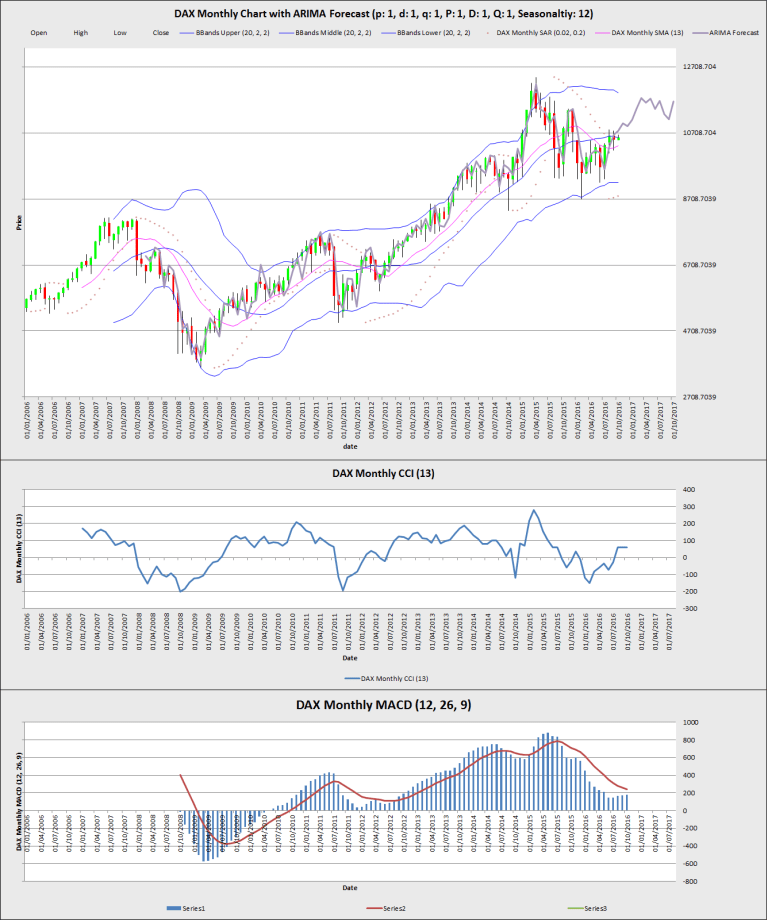
The DAX market outlook indicates a slight dip as trading opens on January 16, 2026, suggesting a cautious approach among investors. Following a robust rally that marked a significant start to the year, some market participants may opt for profit-taking before the weekend, particularly after the index closed at 25,352 points yesterday. Analysts foresee the DAX opening around 0.3 percent lower at approximately 25,288 points, raising questions about its immediate trajectory. Despite the economic optimism in Germany, underpinned by potential growth in the local economy, the sustainability of this positive sentiment remains uncertain, hinting at potential consolidation in the Germany stock market. With the DAX performance prediction showing a current year-to-date increase of over three percent, stock market trends for January 2026 will be closely watched as investors gauge if the rally can continue.
As we analyze the performance of the German benchmark index, the DAX, in the coming days, it’s essential to consider various indicators that shape the broader stock landscape. The recent fluctuations in the German stock market’s indices reflect investor sentiment that may shift given the headwinds of economic factors. Observers are noting the interplay between domestic economic reforms and the external global growth context, which will likely affect future trends. With eyes on the potential consolidation phase for the DAX, it’s clear that trading strategies will need to adapt. Keeping an eye on emerging market conditions and institutional forecasts will be key in understanding how these developments influence the outlook for German equities and beyond.
DAX Market Outlook: Predictions for January 2026
As January 2026 unfolds, the DAX index is set to face a slight downturn with projections indicating a 0.3% dip when the market opens. Recent trading sessions have highlighted a notable year-to-date growth of over three percent, showcasing the bullish sentiment that has dominated early 2026. However, market analysts advise caution, suggesting that profit-taking might influence the index downward as investors look to secure their gains before the weekend. The current index level of 25,352 points was recently observed, but with the looming chance of correction, stakeholders should remain vigilant in monitoring market trends.
Economic optimism has heavily influenced the DAX’s performance, with expectations of an all-time high of 25,507 points still tantalizingly close. However, questions remain over the sustainability of this upward trend amidst signals of overvaluation. Financial experts from Helaba have flagged the need for significant structural reforms to maintain this momentum, especially in the energy and labor markets. If these reforms are not enacted, we may see a consolidation phase rather than continued growth, resulting in diminished forecasts for the DAX’s trajectory in the near term.
Germany Stock Market News: Recent Developments
Recent developments from Germany’s stock market have caused waves among investors, particularly with the DAX’s fluctuating performance. As it stands, external cues from global markets, such as the robust gains seen in US markets driven by advancements in artificial intelligence, have provided a mixed backdrop for the DAX. These trends in the American landscape are vital for German investors who watch closely how international dynamics, particularly trade agreements and technology developments, can impact their market sentiment and trading strategies.
Moreover, the anticipated updates from the International Monetary Fund (IMF) regarding global economic forecasts are set to shed light on broader trends affecting the DAX. With the expectation of continuing resilience in global growth, there remains cautious optimism among investors regarding Germany’s economic recovery, particularly after experiencing a growth of 0.2% in 2025. Stock market analysts are particularly focused on how these international trends will shape investment strategies for the DAX as they prepare for any shifts in sentiment that might arise from the upcoming IMF announcements.
Economic Optimism in Germany: Future Prospects
The current state of economic optimism in Germany is a crucial factor influencing market behavior, particularly in the context of the DAX index. With various economic indicators hinting at a slight recovery, analysts foresee a potential growth rate of about one percent for 2026. This optimism is partly fueled by the hope of an economic turnaround following two previous years of recession. Investors are optimistic that structural reforms in key sectors might enhance economic performance, impacting stock market trends positively as they navigate the current landscape.
However, this optimism is tempered by the realization that true recovery might not be immediate. Experts project a more pronounced recovery might only come into play around 2027, which creates a cautious backdrop for market participants. This duality of hope and caution is a hallmark of the current DAX market sentiment, as investors weigh the implications of macroeconomic forecasts against the historical performance and potential corrections within the German economy.
DAX Index Analysis: Navigating Market Trends
An in-depth DAX index analysis postulates that while the benchmark seems to be on a positive trajectory, the potential for short-term corrections cannot be overlooked. The market’s recent ascent has been characterized by specific bullish patterns and an overall increase in investor confidence. However, the frequent advisories from financial analysts regarding possible overvaluation suggest that traders should adopt a strategic posture—looking for signals that indicate either a buying opportunity or a time to take profits before a anticipated market pullback.
The DAX’s movement is also sensitive to macroeconomic factors, including changes in monetary policy and global economic conditions. Market watchers are keenly observing respondents from major financial institutions as indicators of future trends. Understanding the interplay between the DAX index’s historical performance and current economic news will be crucial for investors aiming to align their strategies with emerging opportunities as well as risk mitigation strategies in highly volatile market phases.
Stock Market Trends: January 2026 Insights
January 2026 has been witness to intriguing stock market trends that could set the tone for the remainder of the year. The initial weeks of January have shown promising growth indicators, with a significant year-to-date increase of approximately three percent for the DAX. Observers note the positive influences of improving economic sentiments and the hope of structural reforms being enacted as essential elements aiding the index’s ascent. Yet, the market remains sensitive to profit-taking and potential pullbacks, making it crucial for investors to remain proactive and informed.
As stock market trends continue to evolve, it’s essential for stakeholders to capitalize on both the bullish signals and defensive strategies. The performance of the DAX over the coming weeks will be closely monitored, especially in light of January’s strong start. Investors are encouraged to diversify their portfolios and consider additional sectors that may benefit from current economic landscapes influenced by technological advancements and global trade dynamics, ensuring they remain well-positioned to navigate any market fluctuations.
The Role of Artificial Intelligence in the DAX’s Performance
Artificial Intelligence (AI) is reshaping not just the global economy but also the performance of national indices such as the DAX. The recent surge in optimism surrounding AI developments, particularly those emanating from the US, have repercussions for German markets as investment in tech industries grows. As major German companies adapt and innovate in response to AI, the implications for the DAX are clear: improved efficiencies and enhanced earnings could bolster market sentiment and drive performance upwards.
Nonetheless, investors should approach the rise in AI with a sense of caution; the rapid pace of change in technology could also invite volatility. Analysts are dissecting the influence of AI on productivity rates and employment trends, as shifts in these areas could affect consumer spending and, subsequently, the DAX index. Investors must weigh the potential rewards of AI against the risks associated with technology’s volatile nature in the stock market.
Global Economic Influences on the DAX
The global economic landscape plays a significant role in shaping the DAX’s performance, particularly as international trade agreements and policies evolve. The recent trade pact made by the USA with Taiwanese chip manufacturers to enhance technology exports exemplifies how global interactions can directly impact stock markets. As key players in the tech industry, these developments are crucial for the DAX, which has a high reliance on technology sectors to drive its performance.
Additionally, updates such as those anticipated from the IMF regarding worldwide economic growth projections will provide vital information for both investors and analysts focused on the DAX. As Germany positions itself within this global context, understanding the complex interdependencies between international markets and local economic conditions is essential. Investors must remain agile, adjusting their strategies as global narratives unfold, to safeguard their interests in the dynamic environment of the DAX.
Anticipated Challenges for the DAX in 2026
While the DAX has shown promising growth, anticipated challenges loom on the horizon for 2026. Chief among these is the risk of market corrections due to overbought conditions as highlighted by recent analyst reports. Concerns such as rising inflation rates, supply chain disruptions, and geopolitical tensions could all exert pressure on the DAX, prompting investors to rethink their positions and strategies moving forward. It’s crucial for traders to assess these emerging risks in relation to the ongoing optimism surrounding the German economy.
In addition, the prospect of sustained growth hinges on key drivers within the economy, including the implementation of necessary reforms in energy and the labor market. If these reforms fail to materialize, expectations for a continued upward trend in the DAX might not hold. Investors are advised to remain focused on both economic indicators and policy changes to navigate the treacherous waters ahead, ensuring they make well-informed decisions that align with broader market realities and forecasts.
Frequently Asked Questions
What is the current DAX market outlook for January 2026?
As of January 16, 2026, the DAX market outlook is showing a slight dip expected at the open, with the index estimated to start at around 25,288 points, reflecting a 0.3 percent decline. Despite some positive cues from Wall Street and a year-to-date increase of over three percent, investors may engage in profit-taking ahead of the weekend, indicating potential short-term volatility.
Will economic optimism in Germany affect the DAX performance prediction?
Yes, economic optimism in Germany plays a crucial role in DAX performance predictions. Analysts note that while there is hope for economic revival, structural reforms are needed to sustain this optimism. Any lack of implementation could dampen DAX performance, leading to possible corrections in the index.
What are the latest trends affecting the DAX index analysis?
Recent trends in DAX index analysis point towards a market that may be overbought, with analysts warning of correction risks. Factors influencing these trends include profit-taking by investors and the overall economic climate in Germany, which is dependent on the anticipated structural reforms and the global economic outlook.
How does DAX performance relate to global economic forecasts?
The DAX performance is closely intertwined with global economic forecasts. With the IMF projecting a global growth rate of 3.2 percent for 2025, this could support the DAX. However, potential headwinds such as geopolitical tensions and local economic reforms will significantly impact the German stock market’s trajectory.
What insights can investors gather from Germany stock market news regarding the DAX?
Germany stock market news suggests a cautious approach as the DAX sees limited positive momentum. Investors are advised to stay updated on economic policies and international trade agreements, as these factors play a significant role in shaping the DAX market outlook and determining overall stock market trends in the upcoming months.
What are the potential implications of stock market trends January 2026 for DAX investors?
Stock market trends for January 2026 indicate potential volatility, with profit-taking behaviors and economic uncertainties. DAX investors should closely monitor both domestic and international news, particularly regarding economic reforms and global market developments, to make informed decisions amid these trends.
| Key Point | Details |
|---|---|
| Market Outlook | The DAX is expected to open 0.3% lower at 25,288 points after closing at 25,352 points yesterday. |
| Profit-Taking Activity | Investors may take profits ahead of the weekend after a strong start to the year. |
| Potential for Consolidation | A market correction is anticipated due to an overbought situation, despite the all-time high being within reach. |
| Economic Growth Forecasts | IMF anticipates continued global economic growth, with a slight recovery projected for Germany in 2025. |
| US Market Influence | US stock market shows positive momentum driven by Artificial Intelligence and chip manufacturing news. |
Summary
The DAX market outlook indicates a slight dip at the market open, primarily driven by profit-taking sentiments among investors and an overbought market condition. While there are positive signals from the global economy, particularly concerning US market performance, the future trajectory of the DAX remains uncertain. Observers point to the need for structural reforms in Germany’s economy to sustain growth and optimism. As investors navigate these complexities, the upcoming economic forecasts will be pivotal in shaping expectations and market movements in the DAX.

