
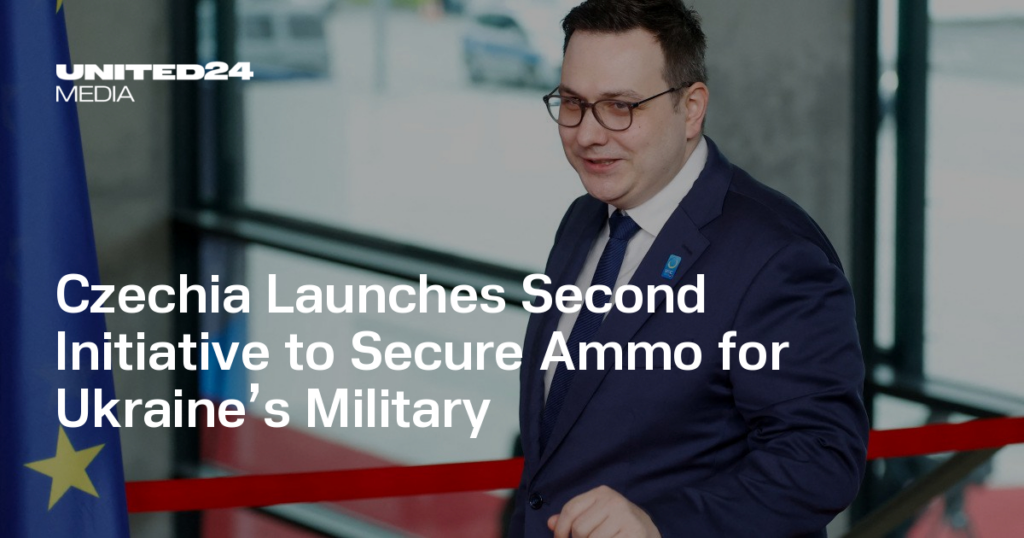
The Czechia ammunition initiative has emerged as a pivotal component of the nation’s military support for Ukraine amid ongoing conflicts with Russia. Led by Prime Minister Babis, this initiative has supplied a substantial portion of critical military supplies, accounting for around 42 percent of Ukraine’s artillery needs in recent years. However, recent political developments, including Babis’s plans to halt arms deliveries, have raised concerns about the future of this crucial program. As President Zelenskyy has expressed gratitude for Czechia’s unwavering aid, the implications of this initiative extend beyond mere numbers, representing a commitment to international solidarity during the Ukraine crisis. With disruption looming, the discourse surrounding Czechia Ukraine aid is increasingly vital as military experts and political analysts closely monitor these changes in the Czech government’s military support landscape.
Czechia’s ammunition program, aimed at bolstering military supplies to Ukraine, has garnered significant attention and debate recently. This effort, designed to facilitate arms support and ensure the readiness of Ukrainian forces against ongoing threats, has been met with mixed reviews from political leaders at home. Under the direction of PM Babis, Czechia’s role in supplying artillery and ammunition to Ukraine has been critical, yet recent announcements may jeopardize the operational flow of these supplies. As the Ukraine aid narrative evolves, discussions on how this initiative aligns with broader geopolitical strategies are essential for understanding its future. The transformation of Czech military assistance is not merely a response to external conflicts, but also a reflection of internal political dynamics shaping the country’s approach to international military collaborations.
Czechia Ammunition Initiative: Current Status and Challenges
Czechia’s ammunition initiative, initially hailed as a vital mechanism to support Ukraine, is currently at a crossroads. On January 7, 2026, Prime Minister Babis declared a halt to arms deliveries and expressed intentions to discontinue the initiative entirely. This decision has raised significant concerns within the National Security Council and among international allies who have come to rely on Czechia’s substantial contributions to Ukraine’s military needs, particularly during a crisis marked by ongoing Russian aggression.
In 2025 alone, Czechia facilitated approximately 1.8 million artillery shells, which constituted 42 percent of Ukraine’s total requirements, placing them at the forefront of countries aiding Ukraine’s defensive efforts. The immense scale of support highlights the critical role Czechia has played in fortifying Ukraine’s military apparatus amidst the Ukraine crisis, making the reconsideration of the ammunition initiative all the more troubling.
Frequently Asked Questions
What is the Czechia ammunition initiative and how does it support Ukraine?
The Czechia ammunition initiative is a military support program designed to supply Ukraine with essential military resources, particularly artillery shells. Launched under former President Petr Pavel, this initiative accounts for a significant portion of Ukraine’s ammunition needs, providing approximately 1.8 million artillery shells, which represented 42% of their requirements as of 2025. Through collaborative efforts with international partners, Czechia is able to procure and supply weapons, enhancing Ukraine’s defense against ongoing Russian attacks.
Is the Czech government planning to end military support for Ukraine through the ammunition initiative?
Currently, the Czech government, under Prime Minister Babis, has proposed a halt to arms deliveries and the cessation of the ammunition initiative due to concerns over transparency and funding. While Babis initially criticized the initiative, indicating that NATO should manage arms deliveries, he has since acknowledged its importance, albeit with local reforms to mitigate corruption linked to funding sources.
How has the political climate in Czechia affected its ammunition initiative for Ukraine?
The political climate in Czechia is currently strained regarding the ammunition initiative due to Prime Minister Babis’s controversial stance and the demands from his coalition partner, the far-right SPD, which calls for an end to all aid to Ukraine. This tension arises from economic concerns and populist sentiments, leading to uncertainty about the future of Czechia’s military support efforts in the Ukraine crisis.
What role did former Foreign Minister Jan Lipavsky play in the Czechia ammunition initiative?
Former Foreign Minister Jan Lipavsky was instrumental in organizing and promoting the Czechia ammunition initiative. He emphasized its collaborative nature, securing significant support for Ukraine’s military needs through international partnerships. His efforts contributed to the successful procurement of millions of artillery shells and reinforced Czechia’s commitment to aiding Ukraine amid the ongoing crisis.
What funding mechanisms support the Czechia ammunition initiative for Ukraine?
The funding for the Czechia ammunition initiative is primarily backed by international partners like Germany, Denmark, and the Netherlands, who collectively financed approximately four billion euros. In contrast, Czechia contributed around 120 million euros, representing a small fraction of the overall funding. This strong financial backing underscores the initiative’s reliance on multinational cooperation to fulfill Ukraine’s urgent military supply needs.
What changes has Prime Minister Babis suggested regarding Czechia’s support for Ukraine?
Prime Minister Babis has suggested reforms to ensure that the Czechia ammunition initiative operates transparently and without corruption. Although he has criticized the initiative’s transparency and called for an end to state spending on military support for Ukraine, he has also softened his stance, acknowledging the importance of the initiative while contemplating a symbolic withdrawal as a funder.
How does the Czechia ammunition initiative align with NATO’s military support efforts for Ukraine?
The Czechia ammunition initiative aligns with NATO’s broader efforts to support Ukraine by ensuring that critical military supplies, such as artillery shells, are procured and delivered effectively. Despite Prime Minister Babis’s call for NATO to take over arms deliveries, the initiative functions within the cooperative framework that NATO has established, facilitating joint procurement and logistical support to bolster Ukraine’s defense.
| Key Points | Details |
|---|---|
| Czech Prime Minister Babis halts arms deliveries | The decision includes ending the ammunition initiative amid discussions in the National Security Council. |
| Support for Ukraine acknowledged by President Zelenskyy | Previously stated Czech support is crucial for Ukraine’s defense against Russian attacks. |
| Former Foreign Minister’s contribution | In 2025, Czechia provided 1.8 million artillery shells, meeting 42% of Ukraine’s needs. |
| Czech initiative operates with international partners | It facilitates weapon procurement for Ukraine, primarily from external sources. |
| Funding commitments from other nations | Germany, Denmark, and the Netherlands funded 97% of the initiative, with Czechia contributing 3%. |
| Babis’s criticism of the initiative | Described the initiative as overpriced and promised to stop it during the election campaign. |
| Political tension in Czechia regarding Ukraine support | The far-right SPD party demands an end to all aid for Ukraine. |
Summary
The Czechia ammunition initiative is currently facing uncertainty as Prime Minister Babis has announced intentions to halt arms deliveries and end the initiative. The situation remains complex, with significant contributions made to Ukraine’s defense efforts previously organized by Czechia, which supplied a significant portion of artillery shells needed by the Ukrainian forces. Political dynamics within Czechia reflect a growing tension regarding military aid to Ukraine, particularly due to shifts in leadership and differing ideologies about foreign military support. The National Security Council will continue to discuss the future of this initiative amid rising populist sentiments and criticisms surrounding the transparency and effectiveness of the current strategies.

