
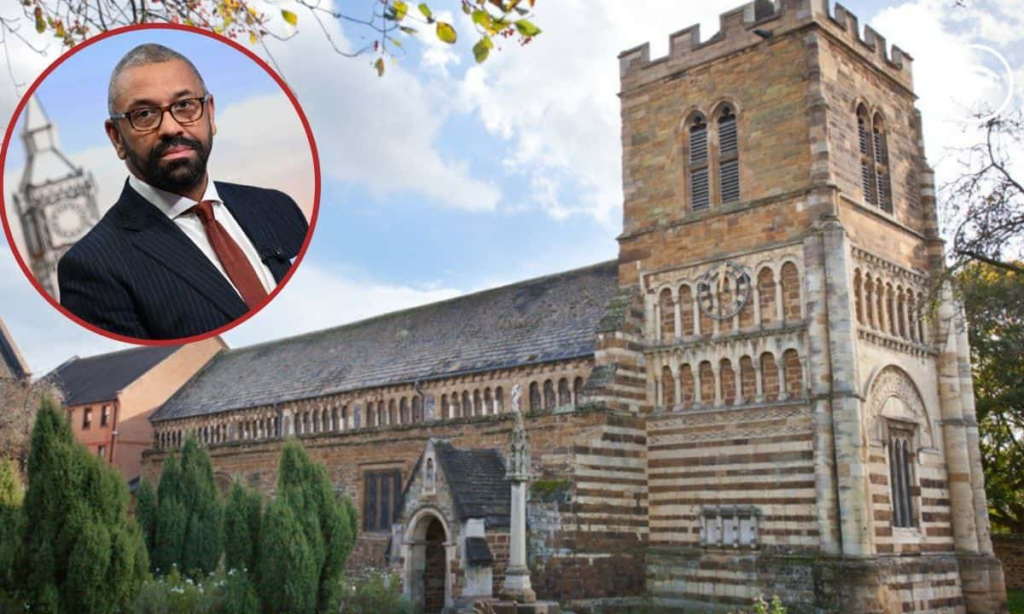
Church asylum cases have become a pressing topic in recent discussions surrounding refugee protection in Germany. In 2025, these cases saw a significant decline, reflecting larger trends in asylum applications throughout the country. Data from the Federal Office for Migration and Refugees (BAMF) indicates a stark drop in successful church asylum requests, dwindling from 2,966 in 2024 to just 2,139 by the end of November 2025. This decrease corresponds with a larger decline in asylum applications overall, partially due to stringent measures at the German borders and the complexities surrounding the Dublin regulation asylum framework. As asylum seekers continue to face significant obstacles, church asylum remains a critical, albeit controversial, means of offering refuge to those in imminent danger of deportation.
The concept of religious sanctuary for asylum seekers, often referred to as ecclesiastical refuge, has deep historical roots and presents a complex interplay of law and humanitarianism. With the evolving landscape of refugee rights in Germany, the notion of church asylum — a practice rooted in providing a safe haven from potential harm — has come under scrutiny as fewer individuals successfully receive this form of protection in 2025. Factors contributing to this trend include the increased rejection rates at the borders, which significantly impact those seeking shelter from persecution. As society grapples with the implications of the Dublin regulations and their influence on displacement, the role of faith-based organizations in providing sanctuary continues to ignite discussions about the balance between legal frameworks and moral obligations in refugee protection.
Declining Trends in Church Asylum Cases: Understanding the Shift in 2025
The number of church asylum cases has notably declined in 2025, reflecting a broader trend relating to the reduction in asylum applications across Germany. With a recorded 2,139 cases of church asylum granted from January to November 2025, this number marks a significant drop from the previous year. This decrease, as reported by the Federal Office for Migration and Refugees (BAMF), aligns with a stark rise in rejection rates at Germany’s borders, indicating a tightening of entry policies for asylum seekers. The shift illustrates a worrying trajectory for those seeking refuge, especially given the historical trend where church asylum instances had been rising for four consecutive years before this decline began. As the community response to asylum seekers shifts, understanding the underlying causes for this decline is crucial for future policy changes.
This fall in church asylum cases not only affects individual asylum seekers but also impacts the entire framework of refugee protection in Germany. The difficulties faced by those already registered as applicants in other EU member states, who are often denied entry, pose significant challenges to access for genuine asylum seekers. As Dieter Müller notes, these changes are exacerbated by the Dublin Regulation procedures, which limit the rights of asylum seekers to claim protection in their desired countries. The implications of these barriers underline the urgent need for reform in asylum policies that can better accommodate and protect those in vulnerable positions.
Church asylum serves as an important humanitarian option for those whose lives are at risk due to deportation or repatriation. However, with a decrease in cases being granted, community organizations, and faith groups must reconsider their strategies for providing support to asylum seekers. The concept of church asylum is historically rooted in the belief of offering sanctuary to those fleeing persecution, a practice that dates back centuries. Today, with the dramatic decline in successful asylum claims, many communities are struggling to uphold this tradition while navigating the complexities of modern immigration laws and border enforcement practices.
As we look toward the future, the challenge will be to rejuvenate the church asylum model in a way that complies with contemporary legal frameworks while still prioritizing the humanity and dignity of those seeking protection. Advocacy groups emphasize the need for dialogues that bridge the gap between legal obligations and moral imperatives to provide humanitarian assistance. Without addressing these concerns, the decline in church asylum cases may signal a critical juncture for both asylum seekers and the communities that strive to support them.
Frequently Asked Questions
What are church asylum cases and how do they relate to the Dublin regulation asylum process?
Church asylum cases refer to instances where religious organizations provide temporary shelter to asylum seekers to prevent their deportation. This practice often intersects with the Dublin regulation asylum process, which determines the EU member state responsible for processing an asylum application. If a person has previously registered in another EU country, they may face deportation, leading to an increase in church asylum requests as a last resort.
Why has there been a decline in church asylum cases in 2025?
The decline in church asylum cases in 2025 can be attributed to a significant reduction in overall asylum applications and a high number of rejections at German borders. As cited by the BAMF, the tightening of border measures has affected the entry of individuals who already submitted asylum claims in other EU countries, reducing their chances of receiving church asylum.
How does the decline in asylum applications impact church asylum cases in Germany?
The decline in asylum applications negatively impacts church asylum cases in Germany by reflecting a broader trend of fewer individuals seeking protection. The BAMF has confirmed that this decrease is leading to fewer asylum seekers arriving in Germany, which in turn results in lower numbers of church asylum requests.
What role do church asylum cases play in ensuring refugee protection in Germany?
Church asylum cases play a crucial role in ensuring refugee protection in Germany by providing a temporary haven for asylum seekers at risk of deportation. This practice often highlights the humanitarian aspects of asylum, especially when deportation poses serious risks to the individual’s life or integrity. As such, church asylum serves as a critical intervention, despite the controversy surrounding its use.
What are the criticisms surrounding the practice of church asylum in the context of current asylum policies?
Criticism of church asylum in the context of current asylum policies includes concerns that it is becoming increasingly controversial, as it is viewed as a last resort for those facing deportation. Guidelines from some religious leaders express that while church asylum is vital, it should be an exceptional measure, especially given the evolving legal frameworks and tightening immigration policies that can complicate asylum seekers’ paths.
What historical significance does church asylum have within the framework of refugee protection?
Church asylum carries historical significance within the framework of refugee protection as it has roots dating back to the fourth century, where churches served as sanctuaries for those seeking safety. Although largely diminished with the rise of formal state systems and legal statutes prohibiting it in the 18th and 19th centuries, the practice resurged in response to modern humanitarian crises, emphasizing the enduring need for refuge against persecution.
| Key Points |
|---|
| Number of church asylum cases in 2025: 2,139 (down from 2,966 in 2024) |
| Significant decrease attributed to high rejection rates at borders. |
| BAMF reports less engagement with Dublin cases due to border measures. |
| Church asylum serves as temporary protection against deportation. |
| Controversy surrounding church asylum practices; regarded as a ‘last resort’. |
| Historical context: church asylum has roots since the fourth century. |
| Officially abolished in the Catholic Church since 1983 under new guidelines. |
Summary
Church asylum cases have seen a significant decline in recent years, primarily due to increased border rejections and changing asylum policies. As highlighted, the number of individuals receiving church asylum in 2025 has dropped to 2,139 from the previous year’s 2,966, reflecting a broader trend in asylum requests overall. The issues surrounding church asylum continue to spark debate, especially regarding the rights of asylum seekers and the ethical obligations of religious organizations to provide sanctuary. Historically a pivotal practice dating back to the fourth century, church asylum is now viewed as a controversial measure amidst stringent border control policies and the evolving landscape of immigration law.

