
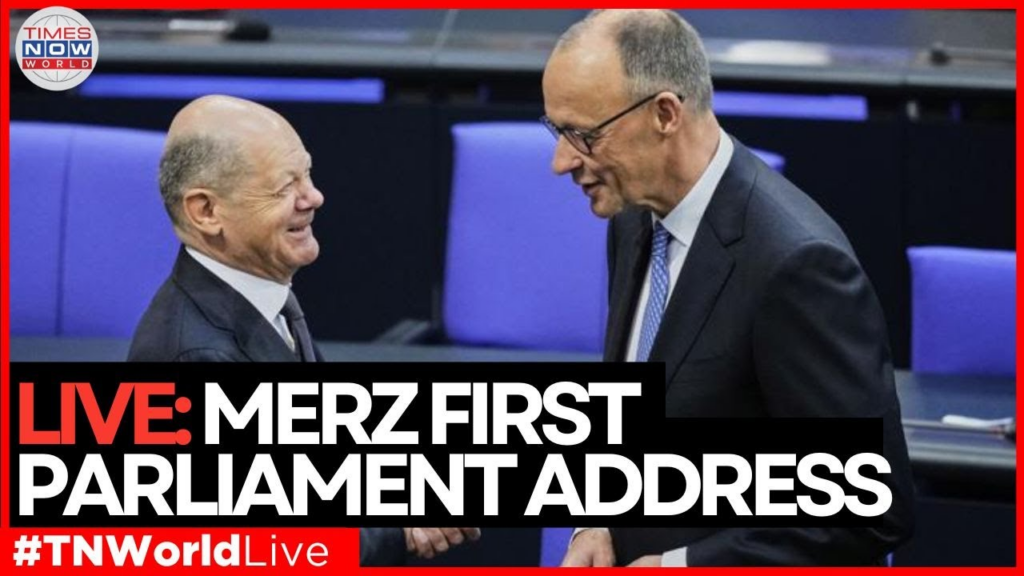
In his first New Year’s address, Chancellor Merz set a tone of urgency, signaling the need for greater political cohesion in Germany. With a backdrop of social division and mounting criticism, particularly from figures like FDP’s Wolfgang Kubicki, Merz emphasized optimism amid the challenges of government reform. He recognized the increasing disparities within society, stating that citizens’ differences are more pronounced than ever. While his emphasis on unity was clear, it brought forth concerns regarding the effectiveness and substance of his proposals. Critics argue that Merz’s speech lacks concrete solutions to address the significant divides faced by the nation, testing the resilience of his leadership in these tumultuous times.
As we delve into Chancellor Merz’s inaugural address for the New Year, it becomes essential to examine the themes of unity and consolidation in today’s political landscape. This speech sheds light on the pressing matters facing Germany, particularly the socio-economic divisions that have emerged. Opposition voices, such as those from the Free Democratic Party (FDP), raise valid questions about the depth of Merz’s commitment to meaningful reform amidst these challenges. The growing sense of fragmentation calls for an urgent reassessment of governmental priorities to ensure effective advocacy for all citizens. Thus, understanding the implications of this speech is crucial in navigating the complex terrain of contemporary German politics.
Chancellor Merz’s New Year’s Address: A Call for Unity
In his inaugural New Year’s address, Chancellor Merz emphasized the urgent need for political cohesion in Germany amidst unprecedented challenges. With a steadfast tone, he urged citizens to embrace optimism and to stand together during these turbulent times. This appeal for unity is particularly significant as the nation grapples with multifaceted crises that threaten social fabric and governmental integrity. Merz’s message resonates with a vision of resilience, promoting the idea that collaborative efforts can mend the divisions that have surfaced in recent years.
However, while Chancellor Merz’s intentions may be noble, the reality of societal division presents a formidable barrier. As he speaks about unity, many citizens are experiencing the social fragmentation that Wolfgang Kubicki highlighted shortly after the address. The contrast between Merz’s optimistic rhetoric and the stark experiences of the populace raises important questions about political leadership and accountability in communicating reform strategies. Without addressing the underlying issues that perpetuate division, calls for solidarity may fall on deaf ears.
Political Cohesion in Germany: Challenges Ahead
The emphasis on political cohesion outlined in Chancellor Merz’s speech underscores the current state of disunity affecting German society. The challenges to social cohesion are exacerbated by criticisms from key political players, such as FDP’s Wolfgang Kubicki, who has described the societal rifts as deeper than ever. As the government navigates through pressing reform challenges, it becomes crucial to engage all segments of society, fostering a more inclusive discourse that acknowledges the needs and concerns of diverse groups.
The pathway toward cohesion is filled with obstacles, particularly with the increasing polarization among citizens. Acknowledging these divides is essential for any meaningful reform initiative to take hold. Political leaders must confront these concerns directly, incorporating feedback from constituents to ensure that their proposed policies resonate on a broader scale. The success of any future government reform will largely depend on its ability to bridge these gaps and promote genuine discussions around unity and collaborative progress.
FDP’s Criticism of Merz: A Call for Substance
Amidst the backdrop of Chancellor Merz’s optimistic New Year address, the critique from Wolfgang Kubicki and the FDP brings to light the pressing need for substance in political discourse. Kubicki’s remarks regarding the speech being ‘contentless’ resonate with many who feel that the government is failing to address the pressing realities faced by ordinary citizens. Criticism from leadership within coalition partners highlights the precarious nature of political alliances in a time when cooperative governance is essential for effective reform.
Such criticisms highlight an important dynamic in German politics: the balance between delivering hopeful speeches and implementing policies that effectively tackle pressing social issues. For the government to move forward successfully, it must not only illustrate a commitment to political cohesion but also demonstrate accountability by addressing genuine societal concerns. This dual approach is vital for ensuring that public faith in government actions is restored and that meaningful reforms can take root in an increasingly skeptical populace.
Social Division in Germany: An Increasing Concern
The social division within Germany is becoming increasingly pronounced, as underscored by commentary from leading political figures. The implications of this division are dire, signaling that without cohesive and coordinated efforts, the societal fractures could deepen. This context was starkly evident in the aftermath of Chancellor Merz’s New Year address, where while the call for unity was clear, the response showcased a contrasting reality of division. Citizens are seeking more than just rhetoric; they crave tangible solutions to escalating tensions.
Addressing social division requires an urgent, multi-faceted approach from government officials. It is essential for policymakers to not only acknowledge the diverse perspectives within society but also prioritize initiatives that can heal these divisions. By fostering dialogue and inclusive policy-making, leaders can begin to mitigate the effects of social division, ultimately paving the way for a more unified Germany in the years to come.
Government Reform Challenges: Navigating Uncertainty
As Germany enters a new phase under Chancellor Merz’s leadership, the challenges associated with government reform are increasingly apparent. His call for patience regarding these initiatives reflects the complexities involved in effecting meaningful change at the governmental level. Analysts suggest that without an actionable strategy and public buy-in, the proposed reforms may falter. Merz’s government must prepare to navigate resistance from various factions, as the societal backdrop is fraught with unrest.
Moreover, government reform in the face of social division presents unique challenges. Policymakers will need to engage in extensive consultation with both political partners and the community at large to address pressing concerns, from economic stability to social equity. This cooperative commitment is essential not only to gain public trust but also to lay the groundwork for sustainable governance. Cultivating a constructive dialogue around reform can help bridge divides and focus efforts on uniting the nation under a common purpose.
The Role of Communication in Political Leadership
Effective communication is paramount to successful political leadership, especially during times of crisis. Chancellor Merz’s New Year address serves as a case study in this regard; while his message sought to inspire unity, the mixed reception underscores the complexities of public sentiment. Political leaders must ensure that their speeches resonate with the realities of citizens’ experiences, fostering an atmosphere of trust and engagement. The challenge lies in aligning optimistic language with substantive action.
Constructive communication should reflect the current social landscape, acknowledging challenges while promoting shared goals. Furthermore, leaders must be prepared to adapt their messaging in response to feedback, which is critical for retaining public support during reform initiatives. As Germany looks ahead, cultivating a communication strategy that is both authentic and responsive will be essential for mitigating social divisions and promoting political cohesion.
Unity in Diversity: The Path Forward
The concept of unity in diversity is fundamental to fostering a cohesive society in contemporary Germany. Chancellor Merz’s rhetoric in his recent New Year address points toward a hopeful aspiration for collective identity amidst a tapestry of cultural and political differences. However, achieving this unity necessitates recognizing and respecting the diverse perspectives that characterize the nation. By promoting inclusiveness, government leaders can inspire a sense of belonging among all citizens.
Moreover, the pursuit of unity should not encourage the silencing of diverse voices. Instead, it should inspire a richer, more nuanced conversation about reform. Embracing diversity allows the government to craft policies that reflect the needs of all constituents and address the underlying issues of social division. Progress hinges on the ability to weave together different narratives into a cohesive vision, ultimately promoting a kind of unity that strengthens the nation as a whole.
The Future of German Politics: Lessons from the Past
As the political landscape in Germany evolves under Chancellor Merz’s guidance, reflecting on historical lessons becomes crucial. Past experiences with political unity and division can offer valuable insights into the current challenges faced by the government. The history of previous administrations shows that calls for unity must be backed by tangible efforts and substantial policies that resonate with citizens’ concerns. This historical context can guide contemporary leaders in avoiding pitfalls encountered by their predecessors.
Moreover, the relationship between government reform and public trust illustrates a timeless lesson in politics. For Merz’s administration to chart a successful course, it must build upon the premise that reform should improve people’s lives on a practical level. A commitment to authentic engagement and responsiveness to citizens’ needs will help galvanize a more unified political climate, paving the way for a stronger and more resilient future for Germany.
The Impact of Public Opinion on Policy Reform
Public opinion plays a pivotal role in shaping governmental policies, especially in times of division and uncertainty. As Chancellor Merz calls for greater cohesion in his New Year address, the reactions of citizens will be a critical indicator of the potential success of proposed reforms. Engaging with public sentiment can offer leaders the insights necessary to mold effective policies that address the realities faced by various demographics within society.
Additionally, leaders must be attuned to the shifting tides of public opinion as they navigate government reform challenges. The criticism from Wolfgang Kubicki of the FDP illustrates the potential disconnect between political rhetoric and the lived experiences of citizens. By prioritizing active listening and responsiveness in political communication, officials can ensure that their policies are not only well-informed but also widely accepted. Understanding and integrating public opinion will be essential for fostering political cohesion and driving meaningful change.
Frequently Asked Questions
What were the key highlights of Chancellor Merz New Year’s address?
In his New Year’s address, Chancellor Merz emphasized the need for greater political cohesion in Germany during challenging times, urging for optimism and patience as the government addresses reform initiatives.
How did FDP criticism reflect the public’s perception of Chancellor Merz’s New Year’s address?
Following Chancellor Merz’s New Year’s address, Wolfgang Kubicki, the FDP’s deputy chair, criticized the speech for lacking substance. This criticism reflects a broader public concern about the visible social divisions in Germany, which Kubicki claims are now deeper than ever.
What challenges for government reform did Chancellor Merz highlight in his New Year’s address?
Chancellor Merz’s New Year’s address acknowledged the significant challenges that the government faces in implementing reforms, particularly amidst the deepening social divisions in Germany that complicate political cohesion.
What is the significance of political cohesion in Germany according to Chancellor Merz’s New Year’s address?
Chancellor Merz stressed the importance of political cohesion in his New Year’s address, stating that it is vital for overcoming the ongoing crises and fostering a sense of unity among citizens amidst significant societal rifts.
How might social division in Germany affect the government’s ability to implement reforms mentioned in Merz’s speech?
The social division highlighted in Chancellor Merz’s New Year’s address poses a significant obstacle to government reforms, as it underscores the differing perspectives and needs among citizens, complicating efforts to achieve consensus on necessary changes.
| Key Point | Details |
|---|---|
| Chancellor Merz’s Address | Merz emphasizes the need for greater cohesion and optimism during crises. |
| Call for Patience | He urges citizens to be patient with ongoing reform initiatives. |
| Criticism from Kubicki | Wolfgang Kubicki criticizes the speech as lacking substance. |
| Division in Society | Kubicki highlights that societal division is deeper than ever. |
| Visibility of Differences | Social and political rifts are more pronounced, posing challenges. |
Summary
Chancellor Merz’s New Year’s address emphasizes the importance of unity and optimism in these challenging times. While he calls for patience with the government’s reform agenda, it is clear from the criticism by Wolfgang Kubicki that substantial divisions still exist within society. The call for cohesion comes against a backdrop of visible rifts that may complicate future governance. Thus, Merz’s address serves as both an appeal for solidarity and a recognition of the complexities facing the nation.

