
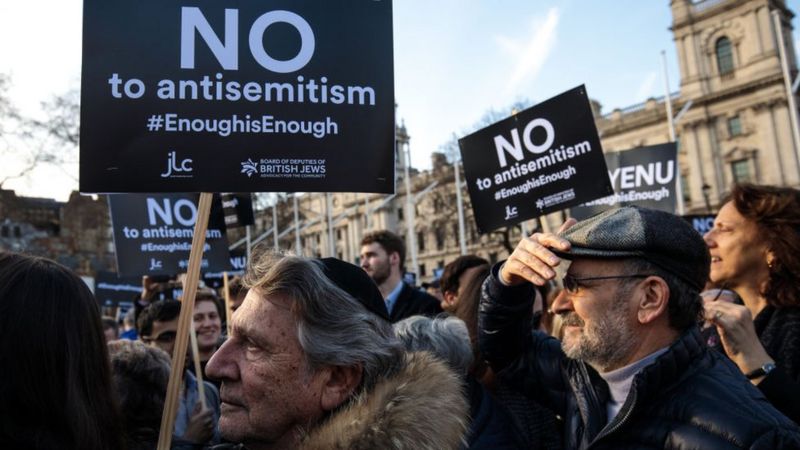
Antisemitism in Europe has emerged as a critical issue, especially following events like the Hanukkah attack in Australia. The Israeli ambassador, Ron Prosor, has vocally condemned the trivialization of this crisis, highlighting the systemic dangers that threaten Jewish safety in Europe. He argues that such incidents are not merely isolated events, but rather symptoms of a broader rise in global antisemitism that endangers Jewish communities everywhere, from Bavaria to the world stage. By calling for comprehensive education against hate, Prosor emphasizes the need for urgent action to combat this deadly ideology that aims to silence and intimidate Jews. With rising tensions, it is clear that a concerted effort is necessary to protect Jewish rights and uphold their dignity across Europe.
In recent years, the issue of anti-Jewish sentiment in Europe has become alarmingly prevalent, as seen through various distressing incidents. Diplomatic figures like Ron Prosor have raised awareness about the threats faced by Jewish individuals, underscoring how attacks are informed by a larger, insidious ideology that links hatred for Jews to broader geopolitical conflicts. The rhetoric surrounding these acts often blurs the lines between criticism of Israel and outright antisemitism, complicating the narrative surrounding Jewish identities and experiences. This growing climate of fear pushes discussions around Jewish safety to the forefront, urging society to confront hate with educational initiatives and legislative reforms. It is essential to not only recognize these patterns but also to foster a cultural environment where antisemitism is firmly rejected.
The Rise of Antisemitism in Europe
Antisemitism in Europe has seen a disturbing increase in recent years, marked by violent incidents that resonate far beyond individual attacks. The recent Hanukkah attack in Australia serves as a stark reminder of the pervasive antisemitic sentiment that exists globally. Diplomatic figures like Israeli ambassador Ron Prosor have voiced their deep concerns, highlighting that this troubling ideology extends its roots into European nations, including Germany. With a history rich in culture and communities, Europe now finds itself grappling with a resurgence of hate that threatens the very fabric of coexistence.
Prosor emphasizes that the incidents are not isolated; rather, they exemplify a broader trend of global antisemitism that cannot be ignored. Events in Australia, such as the Hanukkah festival attack, are a warning for Europe to confront its dark undercurrents of hatred. The alarming rise in symbolism related to antisemitism and attacks on Jewish communities call for immediate action to ensure Jewish safety in Europe. Education against hate is crucial, as it provides the foundation for future generations to understand the importance of acceptance and coexistence.
The Hanukkah Attack: A Global Incident
The Hanukkah attack in Australia has not only rocked the local Jewish community but has raised alarms globally regarding the security of Jewish people everywhere. Ron Prosor’s statements reflect concerns that, while the attack occurred far from Europe, it is part of a disturbing pattern that includes threats and acts of violence in European nations. He warns that the trivialization of these incidents fosters an environment of fear for Jews and sends a dangerous message to antisemites that such behavior is acceptable.
This incident is a clarion call for European countries to acknowledge and address rising antisemitism. By examining the implications of such attacks, we see a reminder of the historical injustices faced by Jewish communities worldwide. To prevent further violence and ensure safety, it is imperative for leaders to speak out against all forms of hate, reinforcing the idea that unity and understanding must prevail against division and intolerance.
Calls for Education Against Hate
In light of rising antisemitism, Ron Prosor advocates for a reevaluation of educational systems across Europe. He believes that schools should become battlegrounds for ideas that combat hate and intolerance. Education against hate can play a pivotal role in dismantling the ideologies that have led to tragic events like the Hanukkah attack. By instilling values of empathy and understanding in young minds, future generations can be equipped to challenge prejudices and reject extremist ideologies that threaten societal harmony.
Furthermore, integrating comprehensive content regarding the history and contributions of Jewish people into curricula can foster a more inclusive culture. Prosor highlights the need for educational initiatives that address the causes and consequences of antisemitism while promoting respect for diversity. The fight against this deadly ideology necessitates proactive measures that not only condemn hate speech but also empower individuals through knowledge and awareness.
Strengthening Legislation Against Antisemitism
One of the critical aspects highlighted by Ron Prosor is the need for stronger legislation in the fight against antisemitism. He unequivocally states that it is essential to recognize that some expressions of hate do not equate to free speech. The call for clear laws means that societies must draw a line, ensuring that acts of incitement and hate are met with firm repercussions. Only through stringent laws can we protect vulnerable communities and send a strong message that such ideologies will not be tolerated.
In Germany and across Europe, there is a pressing need to reinforce legal frameworks that hold individuals accountable for actions motivated by hate. Efforts must also encompass public awareness campaigns to illuminate the severity of antisemitic actions. By creating an environment where hate is condemned legally and socially, societies can work towards safety for all, including Jewish communities that currently perceive their public safety as under threat.
The Role of Media in Combatting Antisemitism
Media plays a crucial role in shaping public perception and discourse surrounding antisemitism. In light of the recent Hanukkah attack, responsible journalism becomes imperative in depicting the realities of hate and its impacts on communities. Ron Prosor’s statements serve as a reminder that the portrayal of Jewish individuals in media is often rife with stereotypes that can perpetuate antisemitism. Reporting must be mindful and sensitive, providing context to foster understanding and awareness rather than fueling divisions.
The media can also highlight educational programs and initiatives that aim to combat hate. By showcasing success stories and constructive dialogues, outlets can foster a societal atmosphere conducive to coexistence. It is essential for media professionals to take an active role in dismantling narratives that reinforce antisemitism, pushing for a culture where diversity is celebrated and respected.
Community Responsibility in Addressing Antisemitism
Addressing antisemitism is a communal responsibility that transcends borders and ethnicities. As Ron Prosor indicated, the poison of antisemitic ideology must be confronted by communities uniting against it. Interfaith dialogues and collaborative social initiatives can play a significant role in reducing prejudice and promoting tolerance. When communities come together to oppose hatred, it sends a clear message that diversity should be embraced, and acts of hate will be met with solidarity and support.
Active participation in local advocacy groups or community education programs can empower individuals to make a difference. By fostering environments where Jewish culture is celebrated, communities can create meaningful relationships that counter antisemitism. Efforts to promote understanding through shared activities, perspectives, and narratives can help build bridges among diverse populations, reinforcing the importance of mutual respect.
International Perspectives on Antisemitism
The issue of antisemitism does not exist in a vacuum; it is an international concern that necessitates an interconnected response. Ron Prosor’s insights on global antisemitism are an urgent call for countries to collaborate in combating hatred across borders. This includes sharing intelligence on hate crimes, presenting a united front against extremist groups, and promoting global frameworks that protect Jewish communities. Such international cooperation can enhance safety and diminish the feeling of vulnerability experienced by Jews in disparate regions.
Countries can learn from one another’s experiences and strategies in tackling these issues. By forging alliances, nations can exchange best practices on education, legislation, and community engagement in the fight against antisemitism. Greater awareness of antisemitism as a global phenomenon can foster a collective understanding, encouraging unity among nations and communities in their efforts against this age-old hatred.
The Importance of Jewish Safety in Europe
Ensuring Jewish safety in Europe has become paramount in light of recent incidents of antisemitism. Ron Prosor’s remarks underscore the urgency with which governments must respond to these threats. Jews should feel secure in their communities and freely practice their traditions without fear of violence or discrimination. Initiatives aimed at enhancing physical security in Jewish neighborhoods, such as increased law enforcement presence during religious festivities, can significantly reassure these communities that their safety is being prioritized.
Protection of Jewish citizens also entails a commitment to fostering a broader culture of acceptance. This can be achieved through proactive measures that address both hate crimes and the ideologies underpinning them. Discussions on Jewish heritage and history within community forums and public dialogues may pave the way for increased understanding and solidarity, ultimately contributing to a safer environment for all citizens. Ensuring that Jewish voices are heard and valued is essential in combating the pervasive threat of antisemitism.
Future Initiatives for Combating Antisemitism
Looking toward the future, ongoing initiatives are vital for combatting antisemitism and promoting understanding across societies. Ron Prosor’s commentary highlights the importance of forward-thinking strategies that integrate education, legislation, and community engagement. Proactive measures should include workshops focused on anti-bias training for educators and law enforcement to enhance awareness and sensitivity towards Jewish issues. Additionally, partnership with organizations that specialize in promoting interfaith dialogue can help dismantle misconceptions and stereotypes.
Funding and resources allocated towards community-led initiatives are crucial in shaping public perception across Europe. This means supporting organizations focusing on education against hate and providing platforms for the Jewish community’s stories to be told. By fostering an environment of dialogue and understanding, it becomes possible to counteract the narratives that sustain antisemitism, paving the way for a more inclusive society.
Frequently Asked Questions
What is the significance of Ron Prosor’s statements on antisemitism in Europe?
Ron Prosor, the Israeli ambassador, emphasizes the urgent need to address and combat antisemitism in Europe, particularly in light of recent attacks, including the Hanukkah attack in Australia. His statements highlight a global rise in antisemitism and advocate for educational reforms and anti-hate legislation to ensure Jewish safety in Europe.
How does the Hanukkah attack relate to growing antisemitism in Europe?
The Hanukkah attack serves as a stark reminder of the rising tide of antisemitism in Europe. It illustrates how acts of violence against Jews are not isolated incidents but part of a broader, dangerous ideology that threatens Jewish communities across Europe and beyond.
What actions does Ron Prosor suggest to fight antisemitism in Europe?
Ron Prosor calls for a comprehensive response to antisemitism in Europe, which includes reforms in education against hate and stronger legislation against antisemitic acts. He believes that combating this ideology is essential to ensure the safety of Jews living in Europe.
How does the concept of global antisemitism affect Jewish safety in Europe?
Global antisemitism poses a significant threat to Jewish safety in Europe by manifesting in violent acts and societal discrimination. This interconnectedness means that what happens in one part of the world, such as the Hanukkah attack, can have repercussions that reverberate through European Jewish communities, creating an atmosphere of fear.
What role does education play in combating antisemitism in Europe according to recent discussions?
Education is critically important in combating antisemitism in Europe, as highlighted by Ron Prosor. He advocates for educational initiatives that promote understanding and tolerance, aiming to dismantle the hateful ideologies that fuel antisemitism.
Why is it important to address antisemitism during discussions on freedom of speech?
Addressing antisemitism is crucial in discussions on freedom of speech because many expressions of hate and violence are incorrectly labeled as free speech. Prosor suggests that incitement to hatred should not be protected under the guise of free expression and must be curtailed to maintain Jewish safety in Europe.
What warnings does Ron Prosor provide regarding the ideology behind antisemitism?
Ron Prosor warns that the ideology driving antisemitism is deadly and poses a threat not only to Jews but to the broader societal fabric in Europe. He states that failure to confront this ideology may lead to increased violence and societal discord in the future.
How does recent antisemitism in Europe reflect broader global trends?
Recent antisemitism in Europe mirrors broader global trends, as demonstrated by the Hanukkah attack and the comments of Ron Prosor. This reflects a worrying pattern where anti-Jewish sentiment is rising worldwide, prompting urgent calls for attention and action from European leaders.
| Key Topic | Details |
|---|---|
| Israeli Ambassador’s Critique | Ambassador Ron Prosor criticized Europe’s response to antisemitism, particularly following an attack on Jews during Hanukkah in Australia. |
| Rising Antisemitism | The Sydney attack is described as a warning signal for the rise of antisemitism, not just in Australia but worldwide, including Germany. |
| Deadly Ideology | Prosor labels the antisemitism as a ‘deadly ideology’ threatening Jews everywhere, from Australia to Europe. |
| Need for Education and Legislation | Calls for educational reforms and stronger laws to combat antisemitism, arguing that incitement should not be protected as ‘freedom of speech’. |
| Concerns for Jewish Safety | Prosor expressed fears regarding the safety of Jews in public spaces in Germany, suggesting that antisemitism is rampant. |
| Hope for Change | While hopeful for political change in Australia regarding antisemitism, Prosor expresses skepticism regarding its likelihood. |
| The Path Forward | Prosor emphasizes that confronting the deadly ideology today is crucial to prevent future tragedies. |
Summary
Antisemitism in Europe is a growing concern, as highlighted by Israeli ambassador Ron Prosor’s recent remarks regarding the violent attacks against Jews, including the incident during Hanukkah in Australia. Prosor’s call for stronger responses to this rising threat underscores the need for a comprehensive approach, including educational reforms and stringent laws against antisemitism. With rising incidents serving as a global warning, European countries must confront this deadly ideology effectively to ensure the safety of Jewish communities and uphold their right to exist.

