
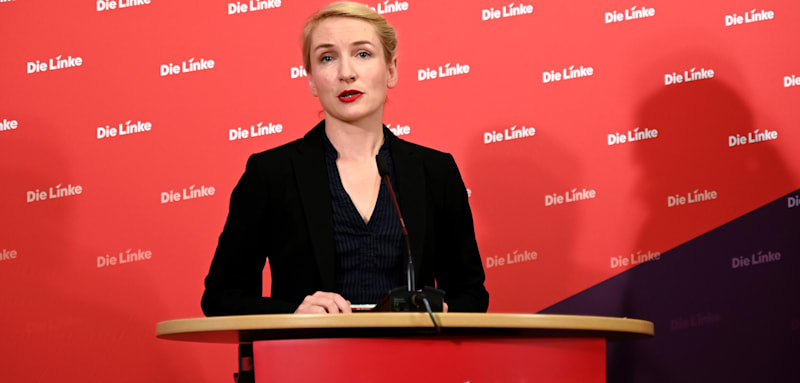
In the heart of Berlin, antisemitism accusations in Neukölln have sparked a fierce political debate surrounding the mayoral candidate, Ahmed Abed. Known for his controversial statements against Israel, Abed’s nomination by the Left party has ignited a hate campaign, according to party chair Ines Schwerdtner, who defends his position amidst escalating criticism from the CDU and SPD. The opposition argues that his candidacy symbolizes a troubling shift towards antisemitism within German politics, challenging the party’s previously held antifascist values. As the political landscape in Neukölln becomes increasingly polarized, many are questioning the implications of supporting candidates like Abed and the broader ramifications for Berlin political disputes. The intersection of these antisemitism accusations and local governance reflects a critical moment for both the Left party and the city’s political future.
The unfolding controversy surrounding Neukölln’s mayoral candidate Ahmed Abed highlights significant tensions regarding allegations of antisemitism. Various political factions, particularly from the CDU and SPD, have accused Abed of fostering an environment that promotes hate rather than solidarity. This contentious issue raises important questions about the responsivity of political parties to accusations that could undermine communal harmony, particularly in a city like Berlin with a complex historical backdrop. As accusations continue to fly, the Left party’s unapologetic support for Abed reveals the growing divide in perceptions of anti-Israel sentiment and its relation to antisemitism. Observers now watch closely as Neukölln navigates through this thick web of political strife and what it could mean for future electoral dynamics.
Understanding the Antisemitism Accusations in Neukölln
The recent nominations for the Neukölln mayoral election have drawn significant public attention, particularly surrounding the accusations labeling Ahmed Abed as antisemitic. Political figures, including representatives from the CDU and SPD, have asserted that his candidacy reflects a concerning trend of antisemitism within the Left party. The claims were bolstered by remarks regarding Abed’s past interactions with Jewish officials and his affiliation with controversial movements like the BDS which advocates for boycotts against Israel. These allegations have ignited a fierce debate about the boundaries of political discourse and the implications of endorsing candidates with seemingly polarizing views.
In light of these allegations, the narrative around antisemitism in Neukölln has evolved into a critical marker of Berlin’s broader political climate. The confrontation between the Left party and opposition groups like the Greens has intensified discussions about what constitutes antisemitism in political rhetoric. As these events unfold, it is essential to examine not only the specific accusations against Abed but also how they reflect the tensions between different political ideologies and their historical context in Germany.
The Ahmed Abed Controversy: A Political Flashpoint
Ahmed Abed’s candidacy has become a flashpoint in Berlin’s political discourse, particularly as it raises significant questions about the Left party’s stance on Israel and Palestine. Critics argue that Abed’s past comments about Israel and his advocacy for Palestinian solidarity position him at odds with mainstream German political values, especially among those opposed to antisemitism. This controversy spotlights how deeply-held beliefs can lead to significant divisions among political factions. Prominent figures, including CDU politician Falko Liecke, have condemned the Left party’s decision to nominate Abed, describing it as an affront to the Jewish community.
Supporters of Ahmed Abed, including Ines Schwerdtner, the Left party chair, defend his candidacy by framing the backlash as a “hate campaign” aimed at polarizing the political landscape. Schwerdtner contends that Abed’s focus is on social justice and solidarity with Palestine, asserting that he represents broader social values that resonate with constituents in Neukölln. This dichotomy illustrates the complex dynamics of modern German politics, where issues of representation, identity, and historical context significantly influence public perception and political strategy.
Berlin Political Disputes and Their Implications
The ongoing political disputes in Berlin exemplify the complexities of contemporary governance in a city that is often seen as a microcosm of larger European political trends. The controversy surrounding Ahmed Abed and the accusations of antisemitism thrown by various political factions underscore a broader struggle within the political left. As parties like the Left contend with grassroots movements and traditional structures, the ensuing dialogue is not just about Abed himself, but about the future of leftist politics in Germany at large. This contentious atmosphere invites discussions about how parties navigate ideology and the potential ramifications for future elections.
Furthermore, examining these disputes sheds light on the dialogue surrounding antisemitism in Germany, where the intersection of personal beliefs and political agendas can lead to societal fractures. The allegations against Abed reflect not only political disagreements but also a larger cultural conversation about the acceptance of antisemitism in public discourse. As the Left party rallies behind Abed, the response from other political parties signifies a growing commitment to addressing the roots of antisemitism and ensuring that electoral candidates align with values that promote inclusivity and respect.
Support for Ahmed Abed: A Divided Response
Support for Ahmed Abed within the Left party demonstrates a divided response among political entities regarding the implications of antisemitism accusations. While local party members rally to defend Abed, framing the critique as politically motivated, the opposing parties emphasize the potential danger of normalizing such rhetoric in political discourse. This schism reflects a broader conflict within German politics regarding how to engage with issues related to Israel and Palestine without alienating key voter demographics. As the political landscape continues to shift, understanding the nuances of these divisions becomes essential for effective political strategy.
It is vital to recognize that support for Abed also stems from a commitment to social justice issues that resonate deeply with many residents of Neukölln. His defenders argue that the accusations against him are not just attacks on his character but represent a systematic effort to silence voices advocating for Palestinian rights. Consequently, the unfolding situation presents an opportunity to rethink how political parties can constructively engage with complex issues while fostering dialogue that prioritizes community values and historical awareness.
Navigating Antisemitism Allegations in Political Campaigns
Navigating allegations of antisemitism during political campaigns is a complex issue that many candidates face in today’s charged political environment. The accusations leveled against Ahmed Abed highlight the fine line between advocating for political positions, especially relating to Israel and Palestine, and crossing the line into antisemitism. As more candidates like Abed emerge with contrasting views, it becomes crucial for political parties to articulate their stances clearly to avoid alienating potential voters and miscommunication across party lines.
Political parties must foster an understanding of what antisemitism entails in the context of modern discourse while remaining open to constructive criticism. For the Left party, this involves carefully evaluating not just the views of candidates like Abed but also how these views align with the party’s broader mission and historical commitments to anti-discrimination. This tension between supporting diverse voices and adhering to established values presents a significant challenge for political parties in Berlin and beyond.
The Role of Media in Shaping Political Discourse
Media coverage plays a pivotal role in shaping public perceptions of political figures and their associated controversies. The intense media scrutiny regarding Ahmed Abed’s candidacy reflects how narratives can be constructed or dismantled through reporting. This media landscape can significantly influence political outcomes by framing which issues become central in public discourse. With major outlets echoing the concerns of political opponents, the portrayal of Abed as a candidate facing antisemitism accusations can alter voter perceptions, leading to implications that extend beyond the electoral process.
Moreover, the media’s role in reporting these political disputes can also catalyze wider societal debates about antisemitism and identity politics in Germany. As journalists highlight various viewpoints, they participate in creating a dialogue that shapes party identities and voter alignments. Thus, the dynamics of media involvement in political discourse not only affect the immediate outcomes of electoral campaigns but also contribute to the broader cultural narrative surrounding issues like antisemitism and solidarity with marginalized communities.
Left Party’s Strategy in the Face of Controversy
The Left party’s strategy in defending Ahmed Abed amidst growing antisemitism allegations encapsulates a broader approach to engaging with controversies that challenge party alignment and values. By embracing Abed’s nomination, the Left signals its commitment to representing diverse perspectives, particularly surrounding Palestinian rights, within the political landscape. This approach aims to consolidate support among constituents who champion social justice while navigating the potential backlash from established rivals.
In conjunction with defending Abed, the Left must also cautiously balance accusations of antisemitism with their tradition of promoting antifascism and solidarity. Crafting a response that emphasizes their historical values while acknowledging public concerns around antisemitism is an intricate endeavor. The party’s actions in the coming weeks will significantly impact how they communicate their ideological positioning and the perceptions of their candidates moving forward.
The Future of Political Alliances in Neukölln
The political landscape in Neukölln is evolving, especially as controversies surrounding candidates like Ahmed Abed redefine alliances among parties. As the Left party seeks to bolster its support base by advocating for diverse voices, other political entities—including the SPD and Greens—are recalibrating their strategies in response to these shifts. The potential for forming new alliances or deepening divisions will depend on how effectively parties can communicate their core values while addressing the relevant concerns of their constituents regarding antisemitism and solidarity with marginalized communities.
Looking ahead, how these political alliances play out in Neukölln will signal broader trends across Berlin and Germany as a whole. The power dynamics among parties will likely shift in response to the current political climate, influenced heavily by public sentiment surrounding figures like Abed. As political actors navigate this delicate terrain, acknowledging socio-political complexities and fostering collaborative dialogues will be essential for creating a cohesive vision that resonates with the electorate.
Frequently Asked Questions
What are the antisemitism accusations against Neukölln mayoral candidate Ahmed Abed?
Ahmed Abed, the Neukölln mayoral candidate from the Left party, faces serious accusations of antisemitism, primarily related to his past statements against Israel and support for the BDS movement. Critics, including politicians from the CDU, SPD, and Greens, argue that his nomination represents a troubling shift toward antisemitic sentiment within Berlin’s political landscape.
How has the Left party responded to the antisemitism accusations against Ahmed Abed?
The Left party has defended Ahmed Abed against antisemitism accusations, labeling the criticism as part of an ‘unspeakable hate campaign.’ Ines Schwerdtner, chair of the Left party, emphasized that Abed’s candidacy represents solidarity with Palestine and accused detractors of attacking the core values of the party.
What controversies are linked to the Neukölln mayoral candidate Ahmed Abed and allegations of antisemitism?
Controversies surrounding Ahmed Abed include his inflammatory comments towards Israeli officials and his legal representation of the BDS movement, which has been labeled as antisemitic. These actions have ignited significant backlash from other political factions in Berlin.
Why are the allegations of antisemitism against Ahmed Abed significant in the context of Berlin’s political disputes?
The accusations are significant as they highlight a growing divide in Berlin’s politics, particularly within the Left party about issues related to antisemitism and solidarity with Palestine. The controversy reflects broader tensions regarding Israel and Palestine in Germany, prompting national discussions about the acceptability of certain political stances.
What has been the national political reaction to the Left party’s support for Ahmed Abed amid antisemitism accusations?
Nationally, the reaction has been critical, with political figures from the SPD and Greens condemning the Left party’s support for Ahmed Abed. They argue that endorsing a candidate with a history of controversial remarks about Israel undermines the fight against antisemitism in Germany.
How does the Ahmed Abed controversy reflect on the Left party’s stance regarding antisemitism?
The Ahmed Abed controversy arguably challenges the Left party’s historical antifascist stance, as it faces backlash for nominating a candidate accused of encouraging antisemitic sentiments. The situation has prompted calls for a re-evaluation of the party’s approach to such allegations within its ranks.
What impact do the accusations of antisemitism against Ahmed Abed have on the Neukölln mayoral election?
The antisemitism accusations against Ahmed Abed could significantly impact the Neukölln mayoral election by polarizing voters and influencing party support. The intense scrutiny may provoke debates about tolerance and political accountability in Berlin’s increasingly charged political climate.
| Key Point | Details |
|---|---|
| Accusations of Antisemitism | Left party’s Neukölln candidate Ahmed Abed is accused of being antisemitic by CDU, SPD, and Greens. |
| Response from Left Party | Ines Schwerdtner, chair of the Left party, defends Abed, claiming the accusations are part of an ‘unspeakable hate campaign.’ |
| Allegations’ Background | The criticism stems from previous anti-Israel statements made by Abed, including attacks on Israeli officials. |
| Impact on Politics | The controversy has escalated to a national level with discussions about the acceptability of antisemitism in German politics. |
| Political Divide | Former politicians from SPD express concern over rising antisemitism within society and politics in Berlin. |
Summary
The ongoing antisemitism accusations against Neukölln’s Left party candidate Ahmed Abed highlight a troubling and contentious divide within German politics. These allegations have sparked a fierce discourse on the acceptance of antisemitic sentiments, particularly within the political left. As the debate continues to unfold, it emphasizes the necessity for a critical examination of candidates’ past statements and their implications for communal solidarity.

