
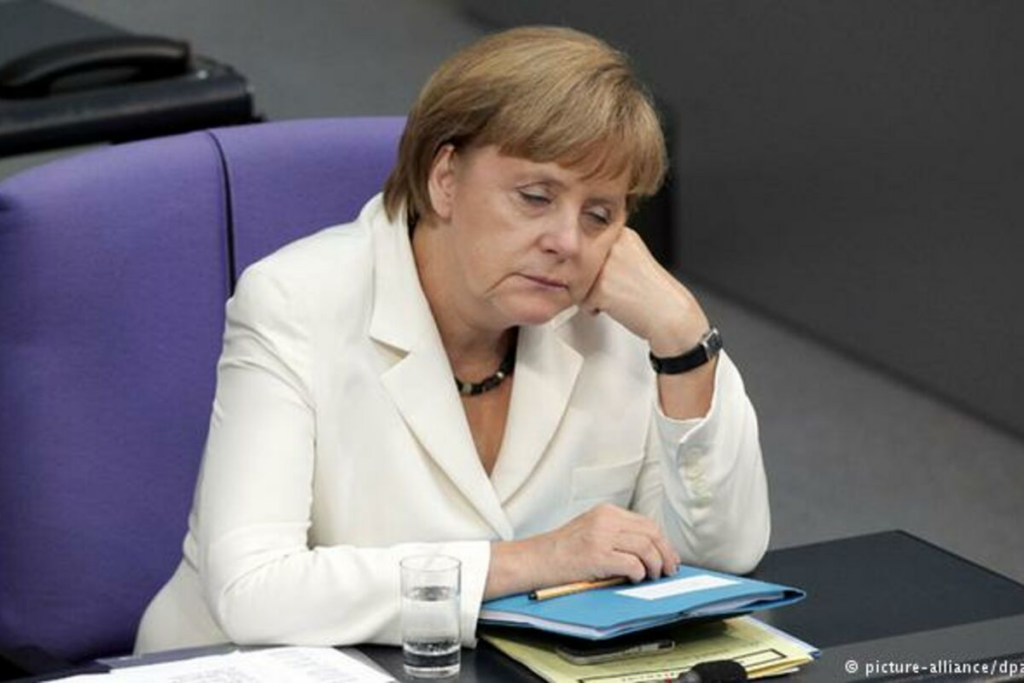
Angela Merkel’s crisis management has come under the spotlight following the unprecedented challenges posed by the Corona pandemic. Recently, she received the prestigious Grand Staufer Medal in Gold, a recognition for her resolute leadership during this critical time. At the award ceremony in Stuttgart, Minister-President Winfried Kretschmann delivered a thoughtful speech that balanced admiration for Merkel’s determination with pointed critiques of certain decisions made throughout the crisis. Kretschmann’s insights underline the complex nature of political responsibility, illustrating how even well-intentioned measures can be subject to scrutiny. As Merkel’s legacy is evaluated, it is clear that her approach to crisis management will be pivotal in shaping future discussions on effective governance during global emergencies.
In examining Angela Merkel’s approach to handling crises, particularly during the unprecedented period marked by the COVID-19 pandemic, we can see a multifaceted response that combined practical strategy with political nuance. Beyond the accolades, such as the Grand Staufer Medal, her methods sparked an essential dialogue about the overarching theme of political accountability. Winfried Kretschmann’s reflections on her tenure remind us that effective crisis management is often a balancing act between decisive action and careful consideration of potential repercussions. The complexities of political responsibility are especially pronounced in such turbulent times, and Merkel’s response is a case study for future leaders facing similar challenges. As the discourse on crisis management evolves, her experiences serve as a crucial reference point in evaluating leadership efficacy in times of turmoil.
Angela Merkel’s Crisis Management during the Corona Pandemic
Angela Merkel’s approach to crisis management during the Corona pandemic has set a benchmark for leaders worldwide. Implementing scientifically-backed strategies, her government swiftly enacted measures to mitigate the spread of the virus, including social distancing protocols and mass vaccinations. Merkel’s ability to communicate complex information in a relatable way not only garnered public trust but also encouraged compliance with health directives. These steps were instrumental in positioning Germany as a model of effective pandemic response.
However, while Merkel’s crisis management earned her accolades including the Grand Staufer Medal, it also drew scrutiny. Critics pointed out delays in vaccine procurement and inconsistent communication in certain phases of the pandemic. Winfried Kretschmann, Minister-President of Baden-Württemberg, acknowledged both her accomplishments and the criticisms in his laudation, underlining that history’s judgment will encompass both praise and lessons learned from her tenure.
The Significance of the Grand Staufer Medal
The Grand Staufer Medal, awarded to Angela Merkel, symbolizes recognition not only of her leadership during the pandemic but also her broader political legacy. This prestigious honor highlights the importance of effective crisis management and the political responsibility that comes with it. By addressing challenges with resilience, Merkel demonstrated how leaders can navigate unprecedented situations while aiming for public welfare. The medal serves as a reminder of the impact leadership can have, particularly amidst a global health crisis.
Additionally, the Grand Staufer Medal signifies a new chapter in evaluating political figures through the lens of crisis management. As the dynamics of governance evolve, future educators and political analysts will draw from Merkel’s experiences to illustrate the delicate balance between authority and accountability. Awards like this not only honor leaders but also ignite discussions about the responsibilities that power entails, encouraging future leaders to learn from both successes and failures.
Impacts on Political Responsibility and Discourse surrounding Merkel’s Decisions
The political responsibility associated with crisis management is profound, as demonstrated by the discourse surrounding Angela Merkel’s decisions during the Corona pandemic. Her leadership was characterized by a commitment to scientific advice and public welfare, establishing a new standard for political accountability. Merkel’s term reminds us that effective leadership often involves making difficult choices that can polarize public opinion. The reactions to her decisions illustrate the ongoing debate about what constitutes responsible governance in times of crisis.
In this context, Winfried Kretschmann’s comments during the medal ceremony highlight that political decisions are often scrutinized through hindsight. As society reflects on Merkel’s handling of the pandemic, it also opens the floor for discussions regarding the responsibilities leaders bear, the metrics of success in crisis management, and the ethics of policy decisions. This ongoing discourse is crucial in shaping future political landscapes and will influence how emerging leaders are educated in crisis management.
Crisis Management Awards and Their Role in Leadership Recognition
Crisis management awards like the Grand Staufer Medal play a pivotal role in recognizing exceptional leadership amid turmoil. They not only honor individuals for their achievements but also reinforce the importance of effective governance during challenging times. By acknowledging leaders like Angela Merkel, such awards inspire a culture of responsibility and resilience in political spheres. They also serve as benchmarks, encouraging future leaders to aspire toward excellence in managing crises.
Moreover, crisis management awards often initiate vital conversations regarding best practices and the evaluation of leadership styles. The recognition of Merkel’s tenure opens up avenues to discuss how leaders can cultivate public trust and effectively implement policies during health emergencies. In an age where public opinion can shift rapidly, these awards underline the need for proactive and transparent communication strategies, solidifying the connection between award-winning leadership and lasting positive impact.
Lessons Learned from Merkel’s Tenure and the Corona Crisis
Angela Merkel’s tenure and her handling of the Corona crisis offer invaluable lessons for future leaders concerning adaptability and communication. Her approach emphasized the significance of relying on scientific evidence and involving relevant experts in decision-making processes. This methodology not only bolstered public compliance but also laid the groundwork for a transparent government that fosters trust. Future leaders can learn from Merkel’s legacy the importance of being informed, adaptable, and responsive to changing circumstances.
Additionally, the criticisms that emerged during her response highlight the complex nature of crisis management. The balance between decisive action and responsiveness to public sentiment is delicate, and Merkel’s experiences underscore that the path to effective crisis resolution often involves navigating through contradictory feedback. As the political landscape evolves, understanding these dynamics will be essential for fostering future leaders equipped to handle crises adeptly.
The Role of Leaders in Crisis Management
Leaders play a fundamental role in crisis management, as their decisions can have far-reaching implications for public health and safety. In her response to the Corona pandemic, Merkel exemplified how principled decision-making, timely action, and clear communication can create a framework for effective crisis resolution. By prioritizing the well-being of citizens, she reinforced the idea that leadership requires not only strategic thinking but also emotional intelligence and empathy.
Moreover, a leader’s ability to unite various stakeholders becomes essential during crises. Merkel’s tenure was marked by cooperation with health experts, government authorities, and the public, showcasing the collaborative nature of effective leadership. Future leaders must learn from her example, recognizing that fostering consensus and involvement can significantly enhance the effectiveness of crisis management efforts.
Critiques and Challenges of Merkel’s Pandemic Response
While Angela Merkel’s leadership during the pandemic has received commendation, it has not been without its critiques. Some argue that delays in vaccine distribution and communication gaps reflected shortcomings in her crisis management approach. Kretschmann’s balanced evaluation of her actions emphasized that even successful leadership faces scrutiny, pointing toward the complexities inherent in navigating a multifaceted health crisis.
These challenges serve as important reminders for current and future political leaders about the need for continuous review and assessment of crisis strategies. Constructive criticism should be seen as an opportunity for improvement rather than solely as a deterrent. As policymakers reflect on past decisions, they can cultivate frameworks that embrace feedback and adaptability in their governance practices, ultimately enhancing their capabilities in crisis management.
The Future of Crisis Management in Politics
The evolution of crisis management in politics is increasingly vital as global challenges grow in complexity. Angela Merkel’s experience during the Corona pandemic provides a case study for future leaders on how to approach public health emergencies. The conversations sparked by her tenure and the associated awards emphasize the need for ongoing education and preparedness in leadership roles. As crises evolve, so too must the strategies used by those in power.
Looking ahead, political responsibility will hinge on the capacity to learn from successes and setbacks alike. By studying the nuanced responses to the pandemic, future leaders can develop comprehensive crisis management frameworks that prioritize public health and agile decision-making. This adaptability will be crucial in shaping effective governance in an era where crises are likely to arise with increased frequency and require innovative responses.
Frequently Asked Questions
What is Angela Merkel’s approach to crisis management during the Corona pandemic?
Angela Merkel’s approach to crisis management during the Corona pandemic was marked by clear communication and scientifically informed decision-making. She prioritized public health while balancing economic considerations, which many believe helped to mitigate the crisis effectively.
How was Angela Merkel recognized for her crisis management during the Corona pandemic?
Angela Merkel was awarded the Grand Staufer Medal in Gold for her exemplary crisis management during the Corona pandemic. This prestigious award acknowledges her significant contributions and the challenges she faced while leading Germany through these uncertain times.
What did Winfried Kretschmann say about Angela Merkel’s crisis management?
At the award ceremony, Minister-President Winfried Kretschmann praised Angela Merkel for her commitment and decisive actions during the Corona pandemic. He highlighted her potential success in crisis management but also pointed out some critical aspects of her decisions, reflecting on the complex nature of political responsibility.
What impact did Angela Merkel’s crisis management have on political responsibility in Germany?
Angela Merkel’s crisis management has had a profound impact on political responsibility in Germany, as her responses to the Corona pandemic will be scrutinized and debated in future political discourse. The balance of praise and critique surrounding her leadership will shape how crisis management is viewed in German politics.
What legacy does Angela Merkel leave regarding crisis management?
Angela Merkel’s legacy regarding crisis management is significant, particularly in how her leadership during the Corona pandemic is viewed. The Grand Staufer Medal symbolizes her efforts and the challenges faced, suggesting that future evaluations of her tenure will likely include discussions of her approaches to crisis management and political accountability.
How will history judge Angela Merkel’s crisis management during the Corona pandemic?
History is expected to judge Angela Merkel’s crisis management during the Corona pandemic based on the effectiveness of her decisions and their long-term implications for Germany. Winfried Kretschmann’s words emphasize that the assessment of her political responsibility and crisis management actions will evolve over time.
| Key Point | Details |
|---|---|
| Awarded Grand Staufer Medal in Gold | Angela Merkel received the accolade for her crisis management during the Corona pandemic. |
| Ceremony Location | The award ceremony took place in Stuttgart. |
| Laudation by Winfried Kretschmann | The Minister-President praised Merkel’s commitment but also included some critical viewpoints. |
| Balance of Praise and Criticism | Kretschmann highlighted the need to balance the acknowledgment of successes with recognition of shortcomings in management. |
| Historical Significance | Her crisis management is considered crucial for the pandemic measures’ success. |
| Future Discussions | Merkel’s decisions will continue to influence political discourse regarding crisis management and responsibility. |
Summary
Angela Merkel’s crisis management has been recognized through the Grand Staufer Medal in Gold, symbolizing her efforts during the Corona pandemic. This recognition highlights both her achievements and the critical examination of her policies. The balance of praise and criticism reflected in Kretschmann’s laudation underscores the complexities of leadership in crisis situations, ensuring that discussions about her legacy will persist well into the future. Her actions will remain significant in evaluating political responsibility and crisis management strategies.

