
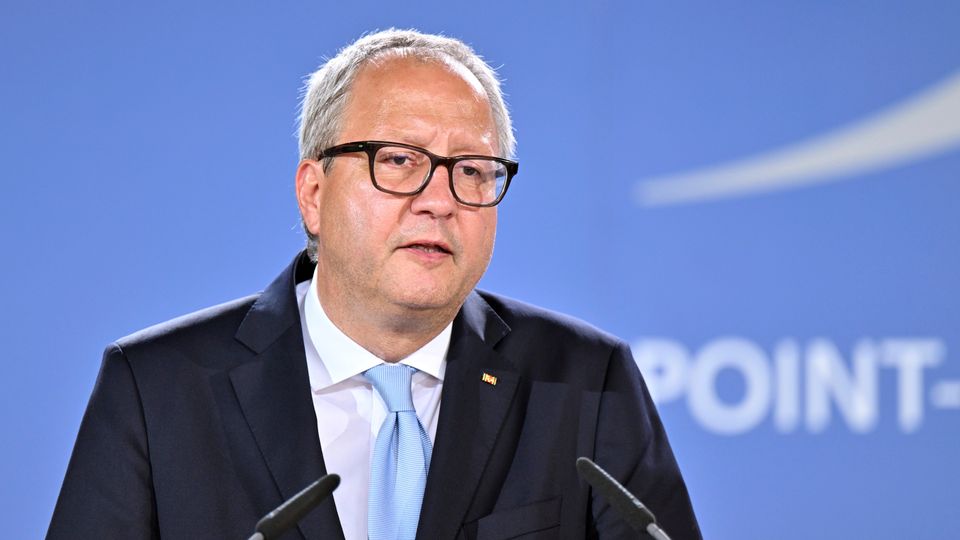
Andreas Voßkuhle warns against AfD (Alternative for Germany) and its potential impact on democracy in Germany. As the former president of the Federal Constitutional Court, Voßkuhle expresses grave concerns about the far-right party’s rising influence, particularly in light of the upcoming state elections. He advises democratic parties to be wary of collaborations that may compromise democratic ideals, stating, “I would be very cautious here. Everyone should think carefully about whether they want to sleep with the devil.” In an eye-opening interview with the “Tagesspiegel,” Voßkuhle highlights the risks posed by an AfD-led government, which threatens to further cultivate illiberal developments in Germany and undermine the principles of democracy. As the nation approaches pivotal elections, the stakes are higher than ever, with the AfD’s rise potentially leading to profound and harmful changes in how democracy is perceived and practiced in the country.
In the landscape of German politics, concerns about the Alternative for Germany (AfD) party are growing, particularly regarding its implications for the country’s democratic framework. Voßkuhle’s cautionary stance reflects broader fears about the normalization of far-right ideologies and their capacity to reshape political discourse. As upcoming elections in federal states draw near, many are beginning to question the viability and consequences of engaging with parties that do not uphold democratic values. The prospect of illiberal governance raises alarms about how future policies might disregard essential historical lessons and democratic principles. With the potential for significant shifts in governance, the conversation surrounding the AfD and its electoral strategies is more relevant than ever.
Andreas Voßkuhle Warns Against AfD’s Threat to Democracy
In a recent interview with the “Tagesspiegel,” Andreas Voßkuhle, the former president of the Federal Constitutional Court, raised his voice against the collaboration with the far-right Alternative for Germany (AfD). He made it clear that the participation of any mainstream political party with the AfD could set a dangerous precedent for democracy in Germany. Voßkuhle’s assertion stemmed from concerns about the AfD’s intentions to undermine parliamentary democracy, putting at risk essential principles such as freedom of expression and open political dialogue. As he puts it, engaging politically with the AfD is akin to “sleeping with the devil,” suggesting that the consequences of such alliances could be detrimental to the democratic fabric of the nation.
Voßkuhle’s call to action for democratic parties to seriously reevaluate their collaborations comes at a critical time, especially with upcoming state elections looming in states like Mecklenburg-Vorpommern and Saxony-Anhalt. His warnings become especially poignant when considering the potential impact of an AfD politician being elected as a head of government. Such an event could not only influence the political landscape at the state level but also create ripple effects that undermine democratic institutions nationwide.
The former constitutional court president articulated a grave concern that an AfD-led government might serve as a catalyst for further illiberal developments across Germany. Voßkuhle stated, “What happens in one state can also happen at the federal level,” underlining the interconnectedness of state and national politics. He cautioned that the election of an AfD official could lead to a disintegration of trust in several crucial state structures, including the education system and the judiciary, which might become increasingly politicized and biased towards the party’s ideology.
Emphasizing the precarious nature of public discourse, Voßkuhle warned that the AfD perceives other political entities not as democratic adversaries but as corrupt elites opposing the will of the people. This binary thinking poses a direct threat to the plurality that is foundational to democracy. His remarks underline the urgent need for caution and vigilance as Germany navigates these turbulent political times.
The Implications of AfD’s Rise in State Elections
The upcoming state elections in Mecklenburg-Vorpommern and Saxony-Anhalt are critical moments that could shape the future of German democracy. Voßkuhle warns that if an AfD politician assumes significant power, it could spark a chain reaction with dire consequences. His assessment highlights the risk of normalizing extreme political behavior and legitimizing further radicalization within German politics. The perception of the AfD as a viable alternative party could erode the values of inclusivity and openness that are essential to a healthy democratic process.
Moreover, the notion of ‘role model effect’ is a serious concern that Voßkuhle addresses. He cautions that an AfD victory could inspire similar movements across the country and might embolden other far-right groups, thereby intensifying anti-democratic sentiments. The implications of such a shift extend beyond elections; they could fundamentally alter how governance is conducted within Germany, potentially leading to policies that neglect or even dismiss the lessons learned from history.
Another alarming consequence, as posited by Voßkuhle, lies in the effective restructuring of state institutions. His concerns include a possible scenario where educational curricula downplay the significance of historical atrocities, such as the Holocaust, limiting future generations’ understanding of their past. This danger reflects a broader threat to historical memory and accountability that is vital for a society rooted in democratic values.
Additionally, the potential integration of party loyalists into key judicial roles and law enforcement could lead to a significant erosion of impartiality in these institutions. If the judiciary and police begin to reflect the biases of the AfD rather than uphold the principles of justice and democratic accountability, the rule of law itself could be compromised. With such stakes in play, the discussions surrounding the AfD’s role in state elections are not merely political but existential to the notion of democracy in Germany.
Voßkuhle’s Critique of AfD’s Democratic Legitimacy
Voßkuhle’s critique of the AfD centers on the party’s fundamental rejection of democratic norms and practices. He argues that the AfD’s disdain for other political parties manifests a dangerous mentality that equates difference with treachery instead of democratic dialogue. In his view, the party’s characterization of opposing viewpoints as the work of “corrupt elites” signifies a profound misunderstanding of pluralism, which is vital for vibrant political discourse. Without the DNA of pluralistic democracy, Voßkuhle warns, the AfD undermines the very essence of democratic engagement and collaboration.
This critique raises pressing questions about the future of political engagement in Germany. If the AfD continues to deny the legitimacy of its opponents, it not only polarizes political conversations but also risks inciting further divisions within society. It demonstrates the perils of painting complex political landscapes with broad, ideologically loaded strokes, which can alienate potential voters from engaging in healthy political debate.
Voßkuhle also expressed skepticism regarding the hope of many AfD voters for a return to moderation within the party. He argues that political movements, particularly those with extremist ideologies, tend to radicalize over time, moving away from their initial intentions. This radicalization can be catalyzed by the emotional underpinnings of electoral decision-making, which often overshadow reason and deliberation. Consequently, he warns that if left unchecked, the AfD’s trajectory could spiral further into illiberalism, diverting the nation from the path of democratic stability and peace.
Preventing Illiberalism: A Democratic Imperative
Voßkuhle’s urgent call for caution is not just a warning but a rallying cry for all democratic forces within Germany. The potential rise of the AfD as a governing partner poses existential questions about how democracy is defended and preserved in the face of illiberalism. Democratic parties must come together to cultivate an environment that doesn’t only resist the AfD but actively promotes the tenets of democracy, such as freedom of the press, pluralism, and civil rights.
The actions taken in the upcoming state elections are critical, as they may determine the extent to which German citizens actively defend their democratic norms against encroaching authoritarian tendencies. Voßkuhle emphasizes unity among democratic parties as a foundation of resistance to the AfD’s ideology and urges them to prioritize collaborative efforts that engage rather than alienate the electorate.
Moreover, fostering an informed and engaged electorate is essential for countering the rise of illiberal forces like the AfD. Education plays a crucial role, not only in instilling democratic values but also in equipping future voters with critical thinking skills to evaluate political messages critically. By confronting the narratives propagated by far-right parties and emphasizing the importance of understanding and learning from history, democratic societies can cultivate resilience. Voßkuhle’s reflections serve as a reminder that the defense of democracy requires continuous effort, dialogue, and a commitment to preserving the freedoms that underlie democratic governance.
The Role of Education in Upholding Democracy
Education is a cornerstone of democracy, serving as a vital means for nurturing informed citizens who understand their rights and responsibilities. Voßkuhle stresses that curricula should robustly address historical events, including those that highlight the dangers of authoritarianism and the importance of democratic principles. Without this critical engagement, there is a risk of repeating past mistakes, particularly with the emergence of parties like the AfD that disregard historical lessons. The fight against ignorance and historical amnesia is integral to ensuring that future generations appreciate the value of democratic governance and the freedoms it secures.
Promoting comprehensive education about democracy must include fostering a culture of debate that encourages young individuals to engage with varying perspectives. By prioritizing open discourse in educational environments, society can cultivate citizens who are not only critical thinkers but also active participants in democratic processes. Voßkuhle advocates for such initiatives, recognizing that active engagement and informed choices are crucial in safeguarding democracy against the encroachment of illiberal ideologies.
Moreover, education should also empower students to analyze political narratives, enabling them to discern misleading or extremist rhetoric often employed by parties like the AfD. By exposing students to the values of tolerance, equality, and civic responsibility, educators can counteract the divisive narratives that threaten political harmony. Voßkuhle’s emphasis on education as a tool for maintaining democracy underscores the significance of nurturing a populace that fiercely defends its democratic institutions and practices. Only with a well-informed electorate can society stand firm against the allure of populism and radical ideologies.
Collaborative Strategy: Germany’s Response to AfD
Voßkuhle’s advocacy for a united front among democratic parties indicates the need for a strategic approach to dealing with the AfD. Developing a collaborative strategy requires building coalitions that transcend individual party lines, focusing on shared democratic values rather than political expediency. By aligning efforts, progressive forces can present a formidable barrier against the rise of populism and authoritarianism. This collaboration should prioritize the safeguarding of constitutional norms, ensuring that every party upholds the tenets of democracy in their political agendas and campaign strategies.
Moreover, fostering constructive political engagement with the electorate can be achieved through campaigns that directly address the concerns of citizens while counteracting the AfD’s narratives. By being more responsive and communicative, traditional parties can reclaim ground that populists currently exploit. Voßkuhle strongly suggests that by prioritizing pragmatism and inclusivity over divisiveness, political actors can mitigate the allure of the AfD and reinforce public trust in democratic institutions.
Additionally, leveraging civil society and grassroots movements can significantly enhance the resilience of democratic values against the rise of the AfD. Engaging communities in discussions around democracy, tolerance, and the implications of anti-democratic movements is crucial for fostering resilient social cohesion. By incorporating diverse voices and perspectives, democratic forces can create a narrative that resonates with a broad specter of the population, highlighting the importance of solidarity against extremism. Such collaborative efforts among political parties, civil organizations, and the populace at large are essential in counterbalancing the disruptive influence of the AfD and strengthening the foundations of democracy in Germany.
Frequently Asked Questions
What are Andreas Voßkuhle’s concerns regarding the AfD’s influence on democracy?
Andreas Voßkuhle warns that the AfD (Alternative for Germany) poses significant risks to democracy in Germany. He cautions against forming governments with support from the AfD, stating that this could lead to an erosion of democratic values and institutions. He emphasizes that every democratic party should carefully consider the implications of cooperating with a party that challenges the foundations of democracy.
How does Andreas Voßkuhle describe the potential impact of an AfD politician being elected in state elections?
In his analysis of the upcoming state elections, Andreas Voßkuhle warns that electing an AfD politician as a head of government could have a profound ‘role model effect’ that might strengthen illiberal developments throughout Germany. He suggests that decisions made at the state level could set a dangerous precedent for federal politics, potentially destabilizing democratic norms.
What did Andreas Voßkuhle mean by saying the AfD could ‘abolish western-style parliamentarism’?
Andreas Voßkuhle expressed concerns that the AfD seeks to dismantle the principles of western-style parliamentarism, which is foundational to democracy. He argues that the party does not recognize other political entities as legitimate democratic competitors, viewing them instead as ‘corrupt elites,’ which threatens free expression and healthy political discourse.
What did Voßkuhle highlight about the education system if the AfD gains power?
Voßkuhle warned that if AfD politicians are elected, there could be disturbing changes within the education system, including the possibility of downplaying or omitting critical historical events like the Holocaust. He stresses that such developments would signify a significant move away from democratic education and understanding.
What is the significance of Voßkuhle’s warning before the state elections in relation to the AfD?
Voßkuhle’s warnings ahead of the state elections in Germany, particularly in regions like Mecklenburg-Vorpommern and Saxony-Anhalt, serve as a crucial reminder of the potential consequences of an AfD-led government. He emphasizes that the effects of electing AfD officials could ripple throughout the country, threatening democratic integrity and amplifying radical political movements.
How does Voßkuhle view the emotional nature of voters for the AfD?
Voßkuhle points out that many AfD voters are often driven by emotion, leading to decisions that deviate from rational political considerations. He argues that this emotional drive may hinder the emergence of moderate forces within the political landscape, as voters may further radicalize rather than seek balanced, democratic solutions.
| Key Point | Description |
|---|---|
| Warning Against Cooperation | Andreas Voßkuhle cautions democratic parties against forming coalitions with the AfD. |
| Risks to Democracy | He believes that partnering with the AfD could threaten the future of democracy in Germany. |
| Role Model Effect | The election of AfD politicians could encourage illiberal developments in Germany. |
| Undermining Education and Judiciary | There is a risk of changing how the past is taught and compromising judicial independence. |
| Elimination of Open Debate | The AfD does not participate in open dialogue and perceives other parties as enemies. |
| Illusions of Moderation | Voßkuhle argues that the hopes of AfD voters for moderation are misguided. |
Summary
Andreas Voßkuhle warns against AfD, emphasizing the potential dangers of collaborating with a party that threatens democratic values. His insights highlight critical concerns about the implications of electoral decisions on the stability of democracy in Germany, urging vigilance among democratic forces against the encroachment of illiberalism.

