
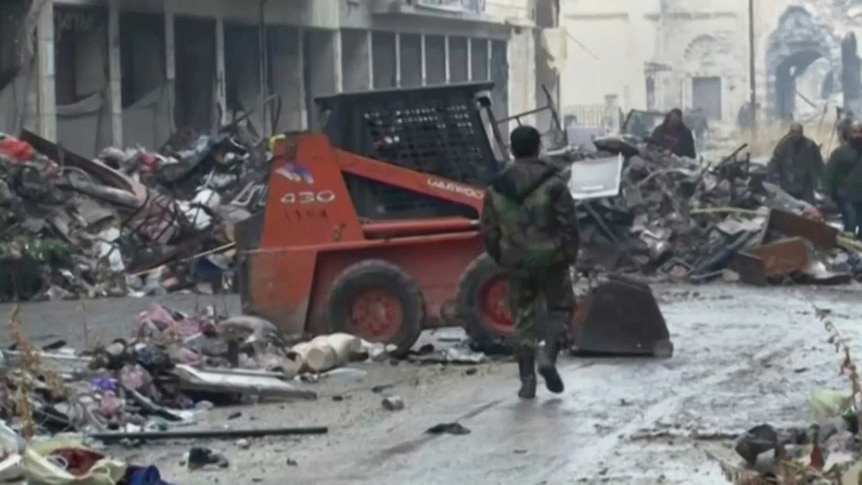
In the midst of escalating tensions in northern Syria, the recent announcement of a temporary ceasefire in Aleppo offers a glimmer of hope for peace amidst the chaos. This ceasefire, designated to occur from 3 AM to 9 AM local time, specifically targets the heavily contested neighborhoods of Sheikh Maqsud, Ashrafiya, and Bani Seyd. The Syrian Ministry of Defense has called upon armed groups to vacate these areas, enabling a much-needed respite from Aleppo’s ongoing violence. The ceasefire aims to facilitate the safe withdrawal of fighters, with the Syrian army overseeing the process to ensure security as they relocate to the northeastern regions. As the Syrian conflict news unfolds, the situation remains delicate, with reactions pending from Kurdish forces in Aleppo who are heavily involved in these tumultuous disputes over territorial control and integration into state structures.
The recent developments regarding the truce in Aleppo, often referred to as a pause in hostilities, signify a critical moment for the various factions involved in the Syrian turmoil. This precarious situation involves the Kurdish-led Syrian Democratic Forces (SDF) and government troops, both of which are entrenched in conflict over administrative control and integration issues amidst the ongoing struggle. The ceasefire reflects broader tensions surrounding governance and military presence in the Kurdish-populated districts, which continue to draw international attention. As hostilities persist, many seek a resolution not just for Aleppo, but for the enduring complexities of the Syrian conflict. With accusations flying between combatants regarding civilian safety, the need for a lasting resolution has never been more urgent.
Understanding the Aleppo Ceasefire
The announcement of a temporary ceasefire in Aleppo marks a pivotal moment in the ongoing Syrian conflict that has been characterized by violence and chaos. Set to last from 3 AM to 9 AM local time, this ceasefire aims to provide a much-needed respite for the residents of Sheikh Maqsud, Ashrafiya, and Bani Seyd, areas that have faced intense fighting. By allowing armed groups to withdraw safely, the ceasefire also seeks to reduce tensions and pave the way for a more sustainable peace. This interim measure highlights the complexities of the Syrian conflict and the urgent need for broader negotiations that involve all parties, particularly Kurdish forces and the Syrian government.
Importantly, this ceasefire not only seeks to halt immediate violence but also addresses the deeper issues at play in Aleppo and across Syria. The ongoing situation has drawn attention to the role of the Syrian Democratic Forces (SDF), which have been at the forefront of the conflict, particularly in Kurdish regions. The ceasefire creates a critical window for discussions about the future of these areas, as the Kurdish forces have faced challenges integrating their governance structures within the broader Syrian state framework. Understanding these dynamics is essential for grasping the potential impact of any ceasefire within the context of Syrian conflict news.
The Role of Kurdish Forces in Aleppo’s Turmoil
In Aleppo, the Kurdish forces, primarily represented by the Syrian Democratic Forces (SDF), have been key players amid the violence. The clashes between the SDF and government troops underscore the fractured nature of the conflict, with each side pursuing divergent goals. The recent military engagements have focused on territorial control and political representation, particularly as discussions about the integration of Kurdish fighters into the state system remain unresolved. This dynamic complicates the ceasefire efforts, as underlying tensions could easily resurface once the temporary halt in fighting ends.
Furthermore, the Kurdish communities in Aleppo, especially those in neighborhoods such as Sheikh Maqsud, Ashrafiya, and Bani Seyd, face unique challenges. Amid the ongoing ceasefire, these areas have become increasingly important focal points in the broader Syrian conflict. The international community closely monitors how both the Syrian government and Kurdish forces re-engage with the civilian populace post-ceasefire, as longstanding grievances regarding representation and security continue to simmer. An inclusive approach that addresses these concerns is crucial for any long-term solution in Aleppo.
The Challenges of a Temporary Ceasefire in Syria and Its Implications for Peace Negotiations
The temporary ceasefire in Aleppo represents only a fleeting pause in a broader cycle of violence that has plagued Syria for years. On the surface, the announcement appears promising, offering a brief window for civilians caught in the crossfire. However, the challenges of maintaining such ceasefires are significant, as previous attempts have often been undermined by renewed fighting shortly after implementation. The ongoing disputes between various factions, especially regarding the role of Kurdish fighters and the Syrian government, complicate efforts toward a lasting peace.
Moreover, the ceasefire’s success hinges on the willingness of all parties to engage in dialogue and compromise. With historical mistrust among the factions, including the Kurdish forces’ relations with the Syrian regime, skepticism remains high. In order to pave the way for sustainable peace, the international community must play a proactive role in facilitating discussions and ensuring that all voices are heard in the ongoing negotiations. Without a concerted effort to address the root causes of the conflict, any temporary measures may ultimately prove ineffective.
Civilians at the Heart of Aleppo’s Ceasefire Aftermath
Following the ceasefire announcement in Aleppo, the plight of civilians remains a pressing concern. The violence has ravaged communities, leaving residents in a state of distress and uncertainty. Humanitarian access to these areas remains crucial, as many civilians have been displaced by the fighting and lack basic necessities. As armed groups prepare to withdraw, it is essential that provisions are made for the safe return of displaced families and that their safety is prioritized during this transition. The temporary ceasefire should serve as an opportunity to reassess the humanitarian needs of those affected by the Syrian conflict.
In addition to immediate humanitarian aid, ongoing support for rebuilding efforts in Aleppo is necessary to stabilize the region in the aftermath of violence. Organizations working on the ground must focus on promoting social cohesion and addressing the grievances that have arisen during years of conflict. Without a comprehensive strategy to protect and support civilians, the cycle of violence may perpetuate, further complicating any attempts at lasting peace. Addressing the needs of the population who endure the beauty and challenges of post-conflict recovery will be vital in shaping Aleppo’s future.
Long-term Implications of Ongoing Violence in Aleppo
The ongoing violence in Aleppo, even amidst the recent announcement of a temporary ceasefire, signals troubling long-term implications for stability in Syria. The city has become a microcosm of the broader conflict, with its neighborhoods representing the complex interplay of local and national demands from various factions involved. As fighting continues to disrupt civilian life, the potential for a lasting resolution appears increasingly distant. In this context, the ceasefire serves as a temporary measure rather than a definitive solution to the issues at hand.
Moreover, the persistent cycle of violence affects not only local populations but also the political landscape within Syria. The complexities surrounding the Kurdish forces’ role in Aleppo illustrate the challenges of integrating diverse political and governance systems within the current power structures. To truly address the long-standing issues of representation and autonomy, all stakeholders, including international actors, must work towards inclusive dialogues that prioritize peace and stability over fragmented approaches that perpetuate conflict.
Frequently Asked Questions
What is the status of the Aleppo ceasefire today?
The Aleppo ceasefire is currently in effect from 3 AM to 9 AM local time, specifically targeting the neighborhoods of Sheikh Maqsud, Ashrafiya, and Bani Seyd. This temporary ceasefire aims to reduce violence in these contested areas amid ongoing clashes.
How long is the temporary ceasefire in Aleppo expected to last?
The temporary ceasefire in Aleppo is scheduled to last from 3 AM to 9 AM local time. However, the future of this ceasefire will depend on compliance by armed groups and the overall situation in the Syrian conflict.
What led to the announcement of the ceasefire in Aleppo?
The ceasefire in Aleppo was announced following violent clashes between the Kurdish-led Syrian Democratic Forces (SDF) and Syrian government troops. These clashes stem from ongoing disputes over the integration of Kurdish forces into the state’s military structure.
What areas are affected by the Aleppo ceasefire?
The Aleppo ceasefire specifically affects the neighborhoods of Sheikh Maqsud, Ashrafiya, and Bani Seyd, which have seen significant violence amidst the Syrian conflict.
Is there any response from Kurdish forces regarding the Aleppo ceasefire?
As of now, there has been no official response from the Kurdish forces concerning the temporary ceasefire announced in Aleppo, despite the heightened tensions between them and government troops.
What provisions are included for armed groups during the Aleppo ceasefire?
Armed groups are urged to withdraw from the affected neighborhoods during the ceasefire and are permitted to carry personal light weapons. The Syrian army will facilitate the safe withdrawal of fighters to northeastern regions.
Why are Aleppo neighborhoods under fire amidst the ceasefire?
The neighborhoods of Ashrafiya, Sheikh Maqsud, and Bani Seyd are under fire due to renewed fighting between the Syrian Democratic Forces (SDF) and government troops, despite the ceasefire. Both sides accuse each other of endangering civilians amid the ongoing violence.
What effect does the ceasefire have on the ongoing Syrian conflict?
The temporary ceasefire in Aleppo seeks to mitigate immediate violence and allow for potential dialogue, but its effectiveness remains uncertain given the complexities of the Syrian conflict and entrenched hostilities between different factions.
What role do Kurdish forces play in the Aleppo ceasefire?
Kurdish forces, particularly those under the Syrian Democratic Forces (SDF), are significant players in the Aleppo ceasefire. However, their participation is complicated by ongoing disputes over integration into the Syrian state’s military framework.
How does the Syrian Ministry of Defense view the Aleppo ceasefire?
The Syrian Ministry of Defense has officially announced the temporary ceasefire in Aleppo, emphasizing the need for armed groups to withdraw, indicating the government’s intention to restore order in the contested neighborhoods.
| Key Point | Details |
|---|---|
| Temporary Ceasefire | A ceasefire has been announced from 3 AM to 9 AM local time. |
| Contested Neighborhoods | The ceasefire applies to Sheikh Maqsud, Ashrafiya, and Bani Seyd. |
| Withdrawal of Armed Groups | Armed groups are urged to leave, carrying only personal light weapons. |
| Syrian Army’s Role | The Syrian army will ensure safe transportation for departing fighters. |
| Ongoing Conflict | Fighting resumed between SDF and government troops over Kurdish integration. |
| Accusations of Violence | Both sides accuse each other of attacking civilians. |
Summary
The Aleppo ceasefire marks a significant attempt to reduce violence in the ongoing conflict in northern Syria. Despite the temporary measure, tensions remain high as clashes between the Kurdish-led Syrian Democratic Forces and government troops continue over unresolved disputes. The situation in Aleppo highlights the complexities of the conflict, especially regarding the integration of Kurdish fighters into the state structure. As both sides navigate their grievances, the road to lasting peace remains fraught with challenges.

