
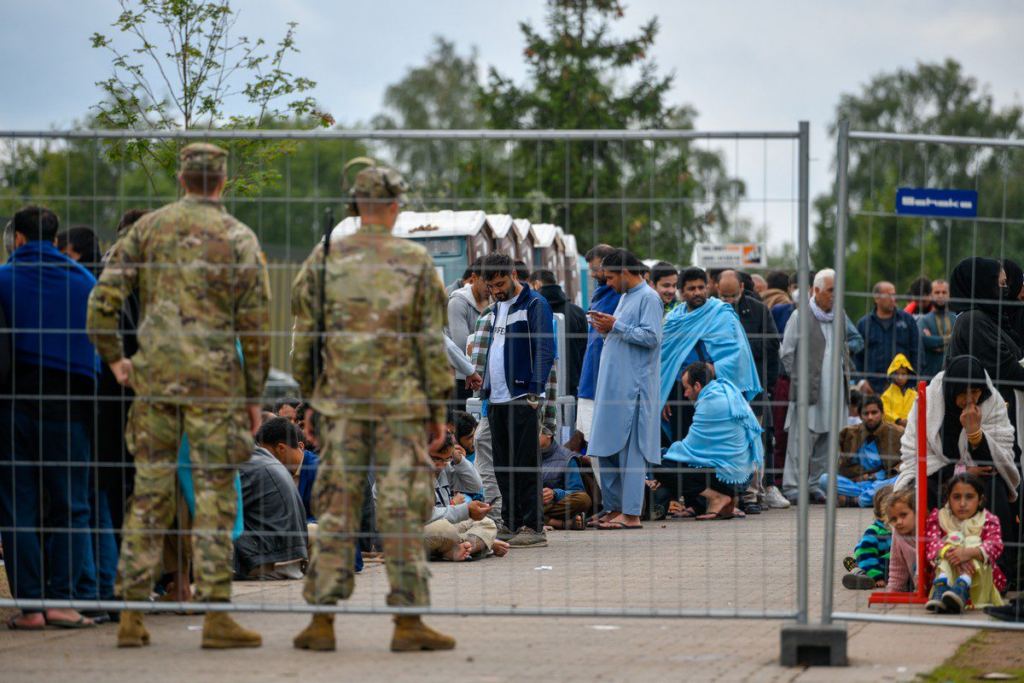
Afghan refugees in Germany face a challenging landscape as they navigate the complexities of asylum laws and government policies. Many of these individuals, including former local workers and their families, have fled Afghanistan due to threats from the Taliban and are now awaiting promised admissions to Germany. Recent developments highlight the ongoing support for Afghan asylum cases, with initiatives like the ‘Kabul Luftbrücke’ providing vital assistance for those in jeopardy. Furthermore, Bishop Christian Stäblein’s commitment to funding lawsuits for Afghan refugees demonstrates a broader societal effort to uphold the promises made by the German government. As more Afghans arrive in Germany, the collective momentum to recognize and protect their rights underscores the urgent need for supportive refugee policies in the country.
Individuals seeking refuge from Afghanistan are increasingly finding their way to Germany, where they hope for safety and a new beginning. These asylum seekers often come with harrowing stories of peril and instability, having escaped a regime that threatens their lives and livelihoods. The involvement of various organizations, such as the ‘Kabul Air Bridge’, signifies a rallying movement that transcends individual assistance, aiming to secure legal pathways for those entitled to protection. Conversations surrounding government strategies regarding refugee admissions are intensifying, especially with notable figures like Bishop Stäblein championing their cause. As the plight of these Afghan migrants becomes more visible, discussions around humanitarian support and legal challenges against policies are gaining traction, reflecting a collective commitment to uphold human dignity and rights.
Understanding Afghan Refugees’ Journey to Germany
The journey of Afghan refugees to Germany has been a significant topic of discussion since the Taliban regained control over Afghanistan. Many asylum seekers, including those who worked alongside German forces, have faced severe challenges and dangers in their homeland, leading them to seek refuge in Germany. A recent flight to Hannover marked yet another step for these individuals navigating the complexities of immigration and asylum in Germany. The Federal Ministry of the Interior reported that among the 193 arrivals were 104 women and 89 men, reflecting the urgent need for safe haven amidst the ongoing crisis in Afghanistan.
As the Taliban’s return has intensified rates of persecution against former local workers, the German government initiated various refugee policies aimed at providing assistance. However, complications arose when the admission programs for particularly endangered Afghans were halted in May by the previous administration, leaving many individuals stranded and vulnerable. Consequently, numerous affected individuals have resorted to filing lawsuits, citing unfulfilled promises of admission made by the German government to ensure their safety and well-being.
Bishop Stäblein’s Support for Afghan Refugees’ Legal Battles
Bishop Christian Stäblein has emerged as a vocal advocate for Afghan refugees in Germany, particularly those who are engaging in legal battles regarding their promised admission. Recognizing the urgency of these cases, the Protestant Church in Germany (EKD) has allocated 100,000 euros to fund the legal efforts of organizations such as ‘Kabul Luftbrücke.’ This initiative aims to support those who fear for their lives and have risked their safety for values that Germany espouses. Stäblein’s commitment underscores the moral obligation that Germany has in honoring its promises to Afghan allies.
In his statements, Bishop Stäblein emphasizes the importance of protecting human dignity and the dire consequences of offering financial incentives to those facing potential danger. He believes that serious discussions about the future of Afghan refugees in Germany must revolve around their safety and well-being, rather than financial compensations that could compromise their integrity. The bishop’s stance and grassroots support signify a broader movement within Germany advocating for a more humane approach to refugee policies, especially concerning Afghan asylum cases.
Challenges and Solutions for Afghan Asylum Cases in Germany
The landscape for Afghan asylum cases in Germany has dramatically evolved, particularly in the wake of political changes and new refugee policies that have been implemented. Many former local workers for the German armed forces and their families are currently faced with lengthy delays and uncertainties regarding their admission. Organizations like Kabul Luftbrücke have stepped up to provide vital support, working against a backdrop of bureaucratic hurdles and emotional turmoil for those awaiting resolution. The urgency of these situations cannot be understated, as many refugees remain in precarious conditions in regions like Pakistan.
While the government’s suspension of the admission program has led to increasing frustration among potential refugees, civil society groups and church organizations are striving to address the needs of these individuals. Lawsuits challenging the federal government’s decisions have gained traction, highlighting the necessity of a more just and compassionate framework within Germany’s refugee policies. Advocacy efforts not only aim to protect the rights of Afghan refugees, but also push for reforms that prevent the recurrence of similar crises in the future.
The Impact of ‘Kabul Luftbrücke’ on Afghan Refugees in Germany
‘Kabul Luftbrücke’ has played a pivotal role in assisting Afghan refugees seeking asylum in Germany. As a dedicated organization, it has worked to facilitate the safe passage of individuals facing persecution, particularly those who were promised support by the German government. The group’s efforts have become even more crucial in light of the recent suspension of the admission program for vulnerable Afghans, adding layers of complexity to an already fraught situation. The humanitarian missions organized by Kabul Luftbrücke strive to ensure that at-risk individuals can access the safety they desperately need.
Moreover, the collaboration between Kabul Luftbrücke and various religious and community organizations, including the EKD, exemplifies a commitment to solidarity and social justice. The financial contributions announced by Bishop Stäblein reflect an understanding of the urgency faced by Afghan refugees. They reinforce the notion that every effort is being made to uphold Germany’s promises and moral obligations, while also shedding light on the structural issues that hinder the asylum process.
Legal Recourse for Afghan Refugees Seeking Asylum in Germany
As Afghan refugees in Germany face unprecedented challenges, legal recourse has become a vital avenue for many of them seeking justice and acknowledgment of their plight. Lawsuits against the federal government have emerged as a response to the unfulfilled promises concerning asylum and safety. Individuals who once served Germany now find themselves grappling with a system that struggles to provide consistent support, prompting them to challenge bureaucratic decisions in court. This legal avenue is essential not only for addressing individual grievances, but also for illuminating the broader systemic failings within German refugee policies.
The process of litigating these cases often intertwines with the actions of advocacy groups and church organizations rallying to support Afghan refugees. The EKD’s allocation of resources for legal battles signifies a recognition of the moral obligation to defend the rights of those who have risked everything. Legal support could ultimately change the landscape for Afghan asylum cases, ensuring that those who sacrificed their safety for German interests receive the protection they were promised. The outcome of these lawsuits may very well set precedents that impact future refugee policies and reshape the commitment of Germany to uphold human dignity.
The Role of Civil Society in Supporting Afghan Refugees
Civil society organizations, including religious groups and humanitarian NGOs, have been at the forefront of supporting Afghan refugees in Germany during this challenging period. Their efforts are critical in advocating for the rights of individuals waiting for asylum and navigating the turbulent bureaucratic landscape that often accompanies refugee resettlement. Initiatives led by organizations such as ‘Kabul Luftbrücke’, alongside financial commitments from church entities, highlight a grassroots movement dedicated to ensuring that Afghan refugees are not forgotten in the face of governmental stagnation.
Through various campaigns and fundraising efforts, these organizations create platforms for affected refugees to voice their experiences and challenges. By mobilizing resources and raising awareness, they play a crucial role in securing legal and social support for those in need. Their work not only aids Afghan refugees but also serves to remind the wider society of its collective responsibility towards vulnerable populations, fostering a more inclusive dialogue around migration and asylum policies.
The Need for Comprehensive Refugee Policies in Germany
The ongoing struggles of Afghan refugees in Germany elucidate the urgent need for comprehensive and responsive refugee policies that address the realities faced by those seeking asylum. With the evolving political landscape and rising numbers of vulnerable individuals, it is crucial for the German government to develop strategies that effectively respond to humanitarian crises. As seen in the recent challenges faced by Afghan asylum cases, policies need to adapt to ensure that commitments made to refugees are honored and that their safety is prioritized.
Moreover, a comprehensive approach to refugee policy must also involve collaboration with civil society, legal support groups, and international organizations. By working together, these entities can create a more just framework that balances the demands of national security with the humanitarian needs of individuals fleeing persecution. Streamlining processes, enhancing communication, and providing adequate resources for refugees will foster an environment in which individuals can rebuild their lives with dignity and security.
Afghan Refugees: Stories of Resilience and Hope
The narratives of Afghan refugees arriving in Germany are filled with resilience and hope, even amidst overwhelming uncertainty. Many individuals and families have made harrowing journeys to flee from danger, showcasing their determination to seek a better life. Their stories highlight the sacrifices made in pursuit of safety, as well as the challenges they face as they adapt to a new culture and society. Each arrival at airports, such as Hannover, represents not just a statistic, but a life marked by struggle and the undeterred quest for freedom.
These experiences reflect the broader themes of humanity and solidarity that can prevail even in the darkest times. As communities across Germany rally to support Afghan refugees, their stories become interconnected with collective efforts aimed at creating understanding and acceptance. The ongoing support from organizations and religious groups plays a pivotal role in not just offering immediate aid but also fostering long-term integration and well-being for these newcomers.
Conclusion: A Call for Action to Safeguard Afghan Refugees
In conclusion, the plight of Afghan refugees highlights an urgent call for action to safeguard their rights and ensure their safety in Germany. The ongoing legal challenges faced by many underscore the necessity for the federal government to uphold its obligations and promises made to these vulnerable individuals. With community support and advocacy from figures like Bishop Stäblein, there is hope for a more humane approach to refugee policies that consider the complexities of each individual’s situation.
As Germany navigates its role in the global refugee crisis, the need for solidarity and a commitment to human dignity should remain at the forefront. The experiences of Afghan refugees serve not only as a reflection of current geopolitical challenges but also as a testament to the resilience of individuals seeking a better life. Ensuring that their voices are heard and their rights protected must be a priority as the nation moves forward in creating a more just and compassionate society.
Frequently Asked Questions
What are the current Germany refugee policies regarding Afghan refugees?
Germany’s refugee policies for Afghan refugees have evolved significantly, especially since the Taliban’s return to power in Afghanistan. The government has been working on admitting those who had received promises of protection, particularly former local workers and individuals at risk of persecution. While the admission program for endangered Afghans was halted in May, legal support and lawsuits are emerging to challenge this decision, driven by organizations like Kabul Luftbrücke.
How are Afghan asylum cases being addressed in Germany?
Afghan asylum cases in Germany are currently under scrutiny as many refugees are awaiting their promised admissions. The recent lawsuits filed by affected individuals highlight the urgent need for effective processing of these cases. Organizations such as Kabul Luftbrücke are providing legal support to ensure that these asylum seekers receive the protection they were assured by the German government.
What is the role of Kabul Luftbrücke in supporting Afghan refugees in Germany?
Kabul Luftbrücke plays a crucial role in supporting Afghan refugees in Germany by providing legal assistance and advocating for those who have been promised admission but have faced delays. This organization has garnered attention for its commitment to helping Afghan asylum seekers navigate the legal system, ensuring that their rights are protected and that they receive the humanitarian support they need.
What support is being provided to Afghan refugees by Bishop Stäblein and the Protestant Church in Germany?
Bishop Christian Stäblein, representing the Protestant Church in Germany (EKD), has announced financial support for Afghan refugees, particularly those filing lawsuits for their promised admission. The EKD has allocated 100,000 euros to assist Kabul Luftbrücke in its legal efforts. This funding aims to secure humanitarian provisions for Afghans who risked their safety for German interests.
What legal challenges are Afghan refugees facing in pursuing their admission to Germany?
Afghan refugees are facing significant legal challenges in pursuing admission to Germany, particularly as many resort to lawsuits against the federal government for failing to fulfill promises of protection. Despite the federal government’s attempts to offer financial incentives for refugees to withdraw from the process, organizations like Kabul Luftbrücke are pushing back, advocating for the rights of those in peril.
How many Afghan refugees have arrived in Germany recently?
Recently, Germany has seen multiple flights of Afghan refugees landing at airports such as Hannover. Notably, another flight brought 193 Afghans, including many women and children, who had been promised admission. This marks continued efforts by the German government to fulfill its commitments to assist former local workers and vulnerable individuals from Afghanistan.
What are the main reasons Afghan refugees are applying for asylum in Germany?
The main reasons Afghan refugees are applying for asylum in Germany include persecution due to their affiliations with German entities, threats from the Taliban, and the need for safety and security. Many applicants include former local workers, their families, and individuals facing severe risks in Afghanistan, leading them to seek refuge in Germany.
What actions is the German government taking to assist Afghan refugees amid ongoing challenges?
The German government is working to assist Afghan refugees by facilitating flights for those with promises of admission. However, the cancellation of the admission program in May has prompted lawsuits and opposition from advocacy groups. The government has also been criticized for its offers of financial compensation to encourage withdrawal from the admission process, which some see as undermining the dignity of affected refugees.
| Key Point | Details |
|---|---|
| Arrival of Afghan Refugees | Another flight landed in Hannover with Afghan refugees, including 104 women and 89 men, heading to initial accommodation at Friedland. |
| Legal Actions | Many refugees are filing lawsuits to claim the promises made to them for admission to Germany, supported by a bishop and church collections. |
| Ongoing Issues | Approximately 1,900 individuals are still waiting in Pakistan for their flights to Germany due to a halted admission program. |
| Support from EKD | The Protestant Church in Germany is allocating 100,000 euros to support legal proceedings for affected Afghan individuals. |
| Government Response | The federal government is trying to deter refugees from pursuing admission by offering financial incentives, which has drawn criticism. |
| Bishop’s Statement | Bishop Christian Stäblein criticized the federal government’s offers as undignified and damaging to the refugees’ dignity. |
Summary
Afghan refugees in Germany are currently facing numerous challenges, including legal battles over promised admissions that have yet to be fulfilled. As new flights continue to bring Afghan individuals to Germany, many remain stranded, awaiting fulfillment of their right to protection and support. Organizations like the Protestant Church in Germany are stepping up to assist these refugees, highlighting the ongoing obligations to those who risked their lives for shared values. The situation remains critical as advocacy efforts are vital to ensure that the dignity and safety of Afghan refugees are preserved amidst bureaucratic hurdles and government responses.

