
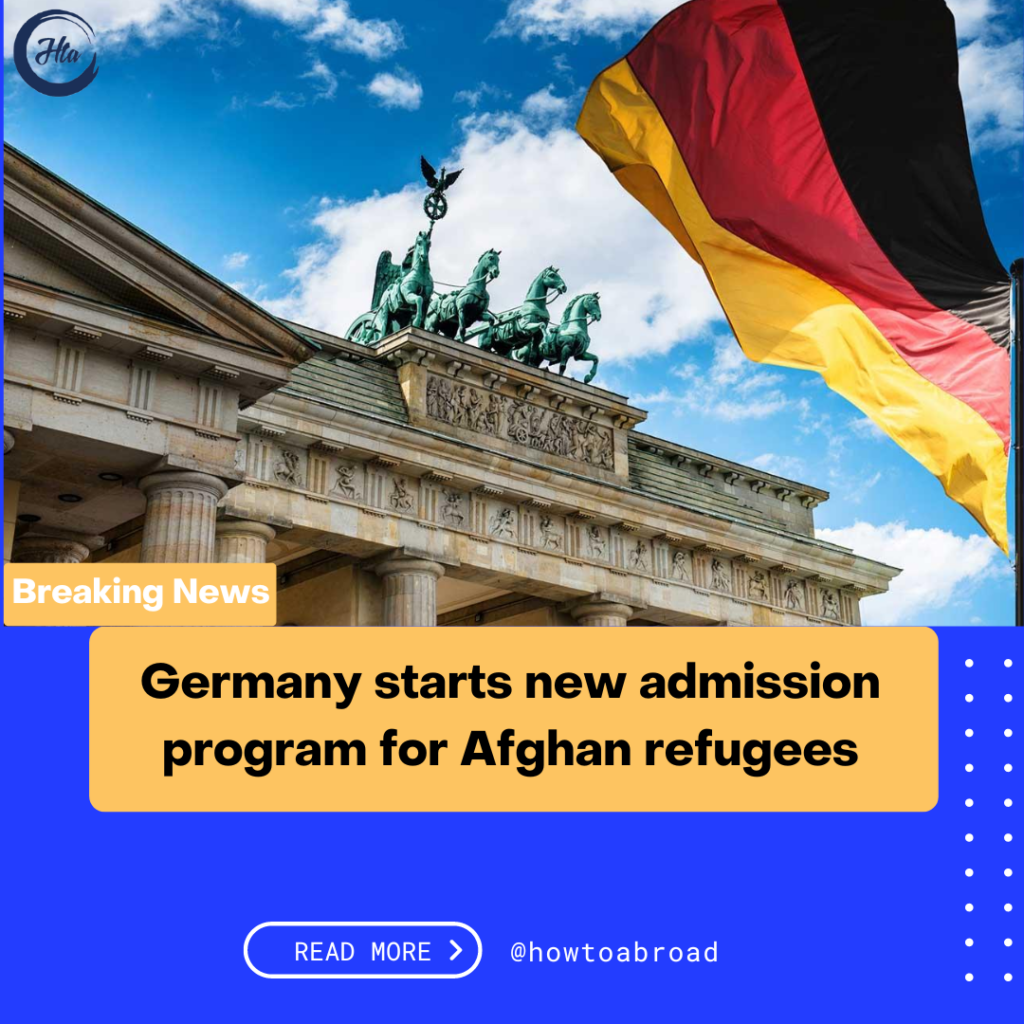
The Afghan admission program has become a crucial lifeline for those fleeing Afghanistan, particularly under the watchful eye of Federal Interior Minister Alexander Dobrindt. This initiative aims to facilitate the safe relocation of 535 Afghans, currently holding valid admission promises from Pakistan, to Germany. The program underscores Germany’s commitment to assist Afghan refugees amid ongoing humanitarian crises, ensuring those at risk can find refuge. With a focus on rapid processing and coordination with Pakistani authorities, Dobrindt expressed hope that remaining cases may be resolved soon, potentially concluding in December. However, challenges persist, including recent rejections for 650 Afghans previously promised entry under human rights provisions, highlighting the complexities of the Afghan visa process and Germany’s immigration policies.
The initiative designed for Afghan resettlement efforts, often referred to as the federal admission program, is a strategic move to aid those escaping tumultuous conditions in their homeland. Through this pathway, a significant number of Afghan refugees, including those previously part of local staff programs, are gaining the chance to rebuild their lives in Germany. Such programs reflect broader immigration strategies between Germany and Pakistan, aiming to provide urgent support to vulnerable populations. The prompt actions taken by officials, including Alexander Dobrindt, reflect an ongoing commitment to uphold humanitarian values amid challenging geopolitical situations. As the Afghan visa process continues to evolve, the hope remains that more individuals will find sanctuary and safety in a new country.
Federal Admission Program for Afghan Refugees in Germany
The federal admission program for Afghan refugees is a pivotal initiative designed to facilitate the relocation of vulnerable individuals from regions of conflict. Under this program, the German government, led by Interior Minister Alexander Dobrindt, has committed to providing a safe haven for Afghans with valid admission promises. Recently, plans have been announced to bring an additional 535 Afghans from Pakistan, underscoring the ongoing commitment to assist those who have risked their lives to support operations in Afghanistan.
Despite recent setbacks, such as rejections for 650 applicants under the human rights list, the federal admission program remains a beacon of hope. With proactive measures in place, the admission of 154 individuals from this program on a recent charter flight exemplifies the determination to expedite the Afghan visa process and assist those in need promptly. Communication with Pakistani authorities is essential to resolve any lingering cases and ensure a smooth transition for incoming refugees.
Challenges in the Afghan Visa Process
Navigating the Afghan visa process can be fraught with challenges, particularly for those fleeing dangerous situations. Many Afghan refugees face legal obstacles when seeking entry into Germany, which has led to increased scrutiny and delays. The recent complaints filed by those affected reveal the complexities involved in obtaining necessary documentation and visas, reflecting broader concerns regarding immigration from Pakistan to Germany.
Additionally, the visa process can be prolonged, frustrating applicants who are naively optimistic about their futures in Germany. The government’s approach to streamline the admissions for individuals with support promises illustrates a critical response to these challenges. It’s crucial that the Afghan visa process continues to adapt and respond to the ever-changing dynamics of migration and refugee protection.
The Role of Alexander Dobrindt in Afghan Resettlement
As the Federal Interior Minister, Alexander Dobrindt plays a strategic role in shaping the policies surrounding Afghan resettlement in Germany. His efforts to advocate for the transfer of vulnerable Afghans from Pakistan are indicative of a broader commitment to humanitarian assistance amidst rising global tensions. Dobrindt’s recent statements emphasize the urgency of expediting the processing of individuals under the federal admission program.
Moreover, Dobrindt’s engagement with Pakistani authorities reflects a collaborative approach to immigration that aims to smooth the transition for Afghan refugees. His leadership during this critical time highlights the importance of political will in addressing the needs of those fleeing persecution and uncertainty in their home country.
Impact of Germany’s Immigration Policies on Afghan Refugees
Germany’s immigration policies, particularly regarding Afghan refugees, have been influenced by changing political landscapes and humanitarian crises. The federal government’s admission program seeks to balance humanitarian needs with national interests, creating a framework for accepting qualified applicants while addressing security concerns. This ongoing dialogue highlights the complexities inherent in immigration, especially for vulnerable populations such as Afghan refugees.
Furthermore, the recent legal complaints from individuals facing rejections indicate a need for responsive policy adjustments. As representatives continue to evaluate and refine these policies, the focus on Afghan refugees remains a priority, requiring careful consideration of their unique circumstances and the geopolitics at play in Pakistan and Afghanistan.
Recent Developments for Afghans in Germany
Recent developments have seen a surge in Afghan refugees arriving in Germany, driven by the federal admission program and ongoing humanitarian efforts. The successful arrival of 160 Afghans on a charter flight highlights Germany’s commitment to providing refuge for those fleeing danger. However, the plight of thousands still waiting for their applications to be processed underscores the difficulties that many face during forced migration.
In light of these circumstances, it is evident that Germany’s immigration policies are still evolving to better accommodate Afghan refugees. The government must continue to adapt to ensure that all eligible individuals receive the attention they need, while also addressing legal issues that may arise during the visa application process.
Germany’s Commitment to Human Rights for Afghan Refugees
Germany has long positioned itself as a champion of human rights, and this commitment extends to Afghan refugees. The current federal admission program serves as a testament to Germany’s dedication to upholding human rights and providing safety to those who have supported the nation during its international missions. Minister Alexander Dobrindt has expressed the importance of this humanitarian focus and the implications it has for future asylum policies.
Despite challenges, such as the rejection of applicants on the human rights list, the German government remains steadfast in its goal to protect vulnerable individuals. The lessons learned from the Afghan visa process will be critical in refining future immigration policies to ensure that all refugees receive fair treatment and the chance for a new beginning in Germany.
The Importance of Collaboration with Pakistani Authorities
Collaboration with Pakistani authorities is essential to the successful implementation of the Afghan admission program. With many refugees currently residing in Pakistan, Germany must work closely to navigate the complexities of resettlement. This collaboration facilitates the verification of asylum seekers’ claims and expediting the entry process for those who meet the criteria for admission.
Furthermore, the ongoing dialogue allows for addressing any bureaucratic hurdles that may arise. Establishing a cooperative framework with Pakistan not only benefits the Afghan refugees but also strengthens global immigration strategies that prioritize human rights and safety.
Future Prospects for Afghan Refugees in Germany
The future prospects for Afghan refugees in Germany appear, at least in theory, to be promising with the ongoing support from the government and various human rights organizations. The federal admission program sets a precedent for how countries can address refugee needs in crises effectively. As Minister Alexander Dobrindt emphasizes the importance of resolving remaining cases, there is hope that more individuals will find safety in Germany.
However, these prospects hinge on continued political will and cooperation among relevant parties, both domestically and internationally. The path forward must involve proactive measures to streamline the Afghan visa process and a deepened commitment to uphold human rights for all individuals seeking a new life after fleeing conflict.
Lessons Learned from the Current Afghan Migration Crisis
The ongoing Afghan migration crisis has provided several important lessons that can inform future humanitarian responses. The intricate and often lengthy Afghan visa process illustrates the need for robust frameworks that prioritize speed and efficiency. Germany’s federal admission program offers insights into how nations can collaborate to facilitate the arrival of vulnerable populations.
Moreover, the legal challenges faced by many applicants highlight the necessity of transparency in immigration policies. Ensuring that refugees are adequately informed about their rights and the steps required for successful admission is essential. As the global landscape shifts, adapting these lessons will be critical for the future of humanitarian efforts directed at Afghan refugees and other groups in crisis.
Frequently Asked Questions
What is the Afghan admission program in connection with German immigration?
The Afghan admission program is an initiative led by the German government, particularly under the direction of Federal Interior Minister Alexander Dobrindt, aimed at resettling Afghan refugees and individuals who have faced threats due to their work in Afghanistan. This program is crucial for facilitating safe immigration from countries such as Pakistan, where many Afghans are currently residing.
How does the Afghan visa process work for applicants from Pakistan?
The Afghan visa process for individuals seeking admission to Germany typically begins with receiving a valid admission promise. After this initial step, applicants must engage with the German consulate or embassy to process their visa applications. This process can also involve legal appeals, especially if initial applications receive rejections.
What are the recent developments in the Afghan admission program announced by Alexander Dobrindt?
Recently, Federal Interior Minister Alexander Dobrindt announced plans to expedite the Afghan admission program, aiming to bring an additional 535 Afghans from Pakistan to Germany. This push is to ensure that those holding admission promises are processed and can enter Germany as swiftly as possible.
How many Afghans have been successfully admitted to Germany under the federal admission program?
As of the latest updates, over 650 Afghans have been granted entry to Germany under the federal admission program and a local staff program, including a recent flight that brought 154 individuals to Berlin, showcasing the government’s ongoing commitment to Afghan refugees.
What challenges are faced by Afghans seeking admission to Germany through this program?
Afghans seeking admission to Germany via the federal admission program face several challenges including lengthy visa processing times, potential legal obstacles affecting their visa issuance, and the uncertainty surrounding the government’s shifting stance on political interests regarding refugee admissions.
Why did some Afghan individuals receive rejection notices despite being on the human rights list?
Recently, about 650 Afghans from a human rights list were rejected by the federal government due to a lack of political interest in their cases. This highlights the complexities and changing circumstances of the Afghan admission program as political dynamics evolve.
What role does Pakistan play in the Afghan admission program for Germany?
Pakistan serves as a temporary residence for many Afghans seeking admission to Germany. The German government, through its Afghan admission program, is collaborating with Pakistani authorities to facilitate the immigration process for those awaiting entry into Germany.
| Key Points | Details |
|---|---|
| Admission Goal | Bring an additional 535 Afghans with valid admission promises from Pakistan to Germany. |
| Current Status | 460 individuals are part of the federal admission program, and 75 are part of the local staff program, currently in Pakistan. |
| Federal Minister’s Statement | Minister Dobrindt emphasizes swift processing of cases and ongoing communication with Pakistani authorities. |
| Timeline for Admission | Dobrindt aims to complete as many cases as possible by December, with possible extensions into the new year. |
| Recent Arrivals | 160 Afghans arrived in Berlin on a charter flight, including 154 from the federal admission program. |
| Legal Challenges | Recent arrivals involved legal complaints about visa issuance prior to their flight. |
| Rejections | Around 650 Afghans with promises under a “human rights list” received final rejections from the federal government. |
Summary
The Afghan admission program is crucial for facilitating the relocation of Afghans seeking refuge in Germany. The recent developments led by Federal Interior Minister Alexander Dobrindt highlight the ongoing efforts to navigate the challenges in admitting those eligible for asylum, particularly in the wake of logistical and legal hurdles. The goal to bring more Afghans to Germany promptly signifies a commitment to aiding those who have faced dire circumstances. With continuous engagement with Pakistani authorities and a focus on expediting the admission process, the Afghan admission program remains a pivotal initiative aimed at providing safety and a new beginning for many vulnerable individuals.

