
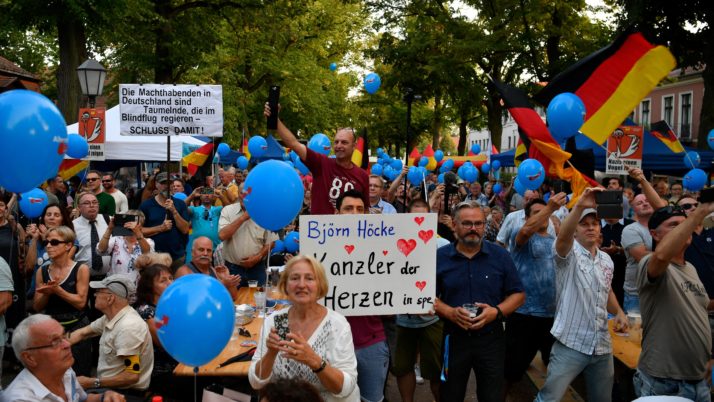
The emergence of the AfD youth has ignited significant discussions regarding political diversity within Germany. Critics, including renowned political scientist Werner Patzelt, have underscored the challenges faced by the AfD youth, particularly during the contentious youth congress held in Gießen. Patzelt highlighted the societal resistance to this group, emphasizing that the entrenched attitudes undermine the principles of a pluralistic democracy. In his analysis, he notes how attempts to silence or block such gatherings reflect a deeper unwillingness to engage with diverse political opinions. This ongoing debate underscores the importance of recognizing and respecting the existence of varied political voices within contemporary society.
The youth wing of the Alternative for Germany (AfD) is at the forefront of debates surrounding democratic engagement and political representation in the country. This new generation of activists has emerged at a time when the dynamics of political participation are shifting, leading to a reevaluation of how we understand democracy’s plurality. Scholars like Werner Patzelt have addressed the troubling societal responses to the AfD youth, particularly their recent gathering in Gießen. The discussions around this event highlight a larger discourse on the necessity of embracing differing political views in order to strengthen democratic foundations. As we explore the role of youth in political movements, it becomes essential to consider their impact on the future of Germany’s electoral landscape.
The Importance of Political Diversity in a Pluralistic Democracy
Political diversity plays a crucial role in sustaining a vibrant pluralistic democracy. It encourages a multitude of voices and perspectives, which fosters robust debates and healthy discourse among citizens. When various political ideologies are represented, there’s a better opportunity for citizens to engage with differing views, which is fundamental for the evolution of democratic principles. Political discourse thrives in an environment where diversity is respected and embraced, allowing the electorate to make informed decisions based on a broad array of viewpoints.
As political scientist Werner Patzelt emphasizes, the engagement of parties like the AfD in the political landscape signifies the need for a more inclusive approach to democracy. He argues that attempts to silence stories, like those of the AfD youth, undermine the fundamental ethos of democratic governance. If society fails to recognize the importance of political diversity, it risks stifling critical conversations that shape the future of governance and public policy.
Challenges Faced by AfD Youth in Our Society
The formation of the AfD youth has sparked significant discussions regarding political engagement among younger demographics. Critics often attempt to derail events, such as the recent youth congress in Gießen, revealing a contentious environment in which certain voices are marginalized. This opposition indicates an unwillingness to accept diverging political thoughts, which could otherwise contribute to a richer democratic framework. The challenges faced by the AfD youth showcase the broader struggles of young individuals trying to assert their political identities in a polarized society.
Patzelt brings attention to the violence and aggressive tactics employed against such gatherings as part of a troubling trend where confrontations are used to counter political diversity. Rather than fostering understanding or dialogue, such antics only serve to create divisions and a climate of fear. The AfD youth is not just a political organization; it is a segment of society that seeks to express its concerns and beliefs in a democratic context. Emphasizing the importance of dialogue can lead to a more accepting atmosphere where all contributions to political discourse are valued.
The Role of the AfD Congress in Political Engagement
The AfD Congress, particularly the Gießen youth congress, serves as a platform for the youth’s political engagement and expression of their beliefs. It represents an opportunity for young members of the party to gather, share ideas, and strategize for their future within the political arena. Unfortunately, these gatherings often attract controversy and opposition, not only highlighting the challenges the AfD youth faces but also underscoring the significance of political activism among youth in driving ideological discourse.
Events like the Gießen congress are essential for cultivating a politically informed youth, allowing participants to discuss pressing issues and strategies. This congress exemplifies the democratic process where voices, even those that might not align with mainstream politics, should have the freedom to express their perspectives. Encouraging political participation, as noted by leading political figures, aligns with the principles of pluralistic democracy, which should guarantee that varying political opinions are represented and heard.
Analyzing Werner Patzelt’s Perspectives on Political Discourse
Werner Patzelt is a notable political scientist whose contributions to the analysis of German politics and democracy have garnered attention. His critiques regarding the societal reception of political diversity, especially in relation to groups like the AfD youth, shed light on the ongoing struggles within the political landscape. Patzelt argues that society’s reluctance to recognize and engage with opposing viewpoints undermines the essence of democratic dialogue, reinforcing an environment where dissent is often mischaracterized.
In his commentary, Patzelt emphasizes the need for a more accepting attitude towards political diversity, asserting that the rejection of ideas based solely on their source inhibits progress. By fostering an environment that encourages all voices, including those from the AfD youth, society can ensure a more balanced discourse that reflects the true essence of democratic engagement. His insights call for introspection on how society addresses differing political positions and the implications of ignoring the complexities of political identity.
The Impact of Opposition on Political Movements
Opposition to political movements, such as the AfD youth, can significantly impact their ability to function and promote their ideas. The violence and opposition witnessed during events like the Gießen youth congress indicate a profound societal divide regarding the acceptance of differing political ideologies. This antagonism restricts the freedoms of speech and assembly that are fundamental in a democracy. Public outcry against these movements should ideally be replaced with a reasoned discourse, enabling an environment where ideas can be debated rather than forcibly suppressed.
The experience of the AfD youth exemplifies how effective mobilization can be challenged by societal opposition, making it more crucial for these groups to maintain resilience. The presence of adversarial forces should ideally motivate the youth to articulate their perspectives in ways that foster understanding rather than hostility. Acknowledging the potential impact of organized opposition can help reshape strategies that embrace constructive engagement and promote political literacy, which benefits the entire democratic landscape.
Promoting Dialogue over Conflict in Political Engagement
The ongoing discussions surrounding the AfD youth and their congress activities highlight the necessity for dialogue rather than conflict in political engagement. As society grapples with the complexities of various political identities, it becomes vital to create forums where constructive discussions can replace confrontational tactics. Emphasizing dialogue honors the democratic principle of pluralism, allowing for a genuine exchange of ideas regardless of their source.
Through dialogue, the AfD youth and other political groups can articulate their stances and contribute to a shared understanding of societal needs and concerns. Promoting civil discourse could pave the way to discovering common ground, even among those with opposing viewpoints. Political movements thrive in environments where ideas can be debated respectfully, ensuring that all participants feel heard and that their perspectives contribute to the evolving narrative of democracy.
Understanding the Role of Youth in Today’s Politics
The engagement of youth in politics is increasingly critical in shaping the future of democratic societies. Young individuals, including those associated with the AfD youth, embody a segment of the electorate that seeks to influence political outcomes and assert their values. Their participation brings fresh ideas and perspectives that are essential for the evolution of political discourse, ensuring that the concerns of youth are represented in mainstream conversations.
Moreover, the participation of youth in various political movements is a reflection of their desire for active involvement in decision-making processes that affect their lives. By fostering political engagement among younger populations, society can cultivate future leaders who are not only well-informed but also committed to upholding the principles of democratic governance. In this context, the AfD youth congress serves as a relevant case study in understanding the dynamics of youth participation in the political arena.
Engaging with Controversial Political Ideologies
Engagement with controversial political ideologies, such as those presented by the AfD, raises essential questions about tolerance and understanding within a democracy. It challenges society to confront uncomfortable truths and foster environments where all voices are acknowledged. Political engagement requires navigating complexities, particularly with groups seen as polarizing. Acknowledging these groups does not endorse their ideologies but opens the floor for discussion, critique, and debate.
These dialogues are essential for a well-rounded democratic process, allowing citizens to explore the full scope of political ideologies. Through thoughtful engagement and critique, mainstream society can challenge problematic aspects of such movements while still acknowledging their existence and the legitimate concerns they represent. Such an approach supports a more robust pluralistic democracy that values diverse contributions to political discourse.
The Future of Political Activism Among the Youth
As the political landscape continues to evolve, the role of youth in activism remains pivotal in shaping public policy and political ideologies. Movements led by groups like the AfD youth reflect a growing trend of increased political awareness and a desire for younger generations to voice their opinions. This activism is not solely about promoting one ideological standpoint but encompasses a broader call for representation within a pluralistic framework.
Looking ahead, it is imperative that youth activism adapts to the changing political climate, emphasizing strategic alliances across various demographics. By collaborating with other groups and fostering open dialogue, the AfD youth and similar organizations can navigate the complexities of today’s political environment. This approach is essential to ensure that youth remain integral participants in the ongoing evolution of democracy.
Frequently Asked Questions
What is the role of AfD youth in promoting political diversity?
The AfD youth plays a significant role in promoting political diversity by representing the perspectives of younger generations within the Alternative für Deutschland (AfD) party. They engage in discussions that challenge the prevailing narratives in politics and encourage dialogue in the context of a pluralistic democracy.
How does Werner Patzelt view the challenges facing AfD youth?
Political scientist Werner Patzelt highlights the difficulties that AfD youth face, particularly during events like the AfD congress. He points out societal resistance and the violence aimed at blocking these gatherings, arguing that such responses show a reluctance to accept political diversity.
What was the impact of the Gießen youth congress for the AfD youth?
The Gießen youth congress served as a crucial platform for AfD youth to assert their presence in a pluralistic democracy. However, it was marred by attempts to prevent the congress, which Patzelt criticized as counterproductive to fostering political diversity and healthy democratic engagement.
Why is political diversity important in a pluralistic democracy, according to AfD youth supporters?
Supporters of AfD youth argue that political diversity is essential in a pluralistic democracy because it allows for a wide range of views and discussions. This diversity enriches the political landscape, leading to more comprehensive solutions to societal issues.
What are some criticisms faced by AfD youth regarding their engagement in politics?
AfD youth have faced criticisms related to their alignment with the party’s controversial stances. Critics, including Werner Patzelt, argue that their efforts often provoke violence and societal backlash, raising questions about the acceptance of their political diversity in the current democratic context.
How has WELT TV contributed to the discourse on AfD youth?
WELT TV has contributed to the discourse on AfD youth by publishing videos, including those featuring Werner Patzelt, which discuss the acceptance of political diversity and the challenges faced by the party’s youth organization during events like the Gießen youth congress.
What do political scientists like Werner Patzelt suggest for fostering political diversity within youth movements like AfD youth?
Political scientists such as Werner Patzelt advocate for recognizing and discussing diverse political perspectives openly. They suggest that engaging with organizations like AfD youth, despite their controversies, is crucial for nurturing a healthy democratic environment that respects political diversity.
What lessons can be learned from the challenges that AfD youth face in promoting their message?
The challenges that AfD youth encounter underscore the importance of resilience in advocating for political diversity. These situations highlight the need for dialogue and reflection among all political factions to ensure that pluralistic democracy is upheld.
| Key Point | Description |
|---|---|
| Founding of AfD Youth | The establishment of the AfD youth wing has initiated debates about the acceptance of political diversity in Germany. |
| Werner Patzelt’s Commentary | Political scientist Werner Patzelt discusses the violence and attempts to disrupt the AfD youth congress, highlighting societal issues in accepting diverse political views. |
| Societal Attitude | Patzelt criticizes the reluctance of society to embrace political diversity, worrying that this could undermine democratic principles. |
| Pluralistic Democracy | He describes the activism against the AfD youth as fundamentally against the ideals of a pluralistic democracy. |
| Video Duration and Source | The commentary is available in a video format that lasts 4 minutes and was published by WELT TV. |
Summary
AfD youth is sparking significant discussions around political diversity in Germany. The reactions to its founding reveal both societal tensions and a resistance to embracing divergent political views. Political commentary, particularly from figures like Werner Patzelt, emphasizes the importance of accepting multifaceted political opinions as essential for a healthy democracy. Addressing these issues is crucial for fostering a more pluralistic society.

