
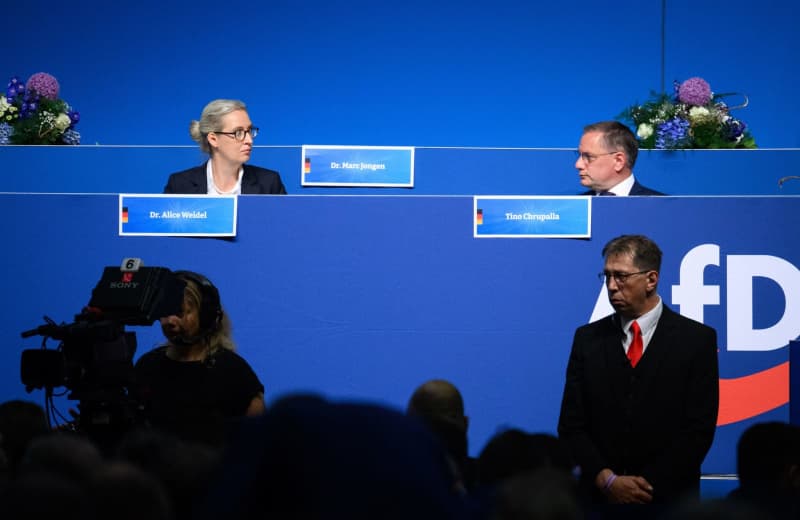
The discussion surrounding AfD MPs travel funding has gained significant attention, particularly in light of recent trips to the USA by members of the party. These journeys, intended to strengthen connections with the Republican Party, raise important questions about the use of taxpayer money for political networking. German MPs commonly rely on parliamentary group travel budgets provided by the Bundestag, which are funded by taxpayers and intended for legislative activities. However, the legality and ethical considerations of such trips are under scrutiny, especially when they appear to prioritize party interests over national benefits. As the AfD navigates these complex issues, the implications of their travel decisions could influence public perception and future funding regulations.
The financial aspects of parliamentary travel by AfD representatives have prompted a wider dialogue about the accountability of public funds in politics. Recently, MPs affiliated with the Alternative for Germany party embarked on trips that have been framed as opportunities for international diplomacy and partisan collaboration. Such excursions, often categorized as official visits, utilize resources allocated for parliamentary functions, raising concerns among taxpayers about their true value and intent. As these German politicians engage with foreign counterparts, the distinction between legislative duty and political self-interest becomes increasingly blurred, sparking debate about the transparency and appropriateness of these travel expenditures. In light of this scrutiny, the AfD’s excursions may not only reflect their political strategy but also challenge the existing norms surrounding Bundestag travel regulations.
Understanding AfD MPs Travel Funding Options
AfD members of the Bundestag have leveraged various funding mechanisms for their trips abroad, which has been a subject of considerable public scrutiny. When it comes to official travel, MPs have two primary options: they can apply for travel funding directly from the Bundestag administration, or they can utilize the internal budget allocated to their parliamentary group. This latter option allows groups like the AfD to manage their own travel expenses without requiring approval from the Bundestag’s administration, simplifying the process for associated trips, such as their recent visit to the USA.
The AfD specifically indicated that the funding for their trip to Washington came from their parliamentary group budget. This approach highlights the distinction in how parliamentary travel is funded and managed, ensuring that travel remains within the legal frameworks set forth by Bundestag travel regulations. Understanding these regulatory guidelines is crucial, as they dictate what types of travel can be deemed as serving the public interest and ensure the responsible use of taxpayer money.
The Role of Taxpayer Funding in Bundestag Travel
Travel expenses for German MPs, including those from the AfD, inevitably draw on taxpayer money, contributing to the broader discussion about accountability and transparency in governmental spending. The Bundestag allocates substantial funds, averaging over one billion euros annually, for various expenses, including the operational costs of parliamentary groups, which encompass travel to international conferences, networking events, and other significant engagements. It raises the question of value and necessity when these politicians travel, especially to forge connections outside Germany.
With the taxpayers footing the bill, it becomes imperative that MPs demonstrate that their international engagements produce tangible benefits for the Federal Republic of Germany. The AfD has articulated that their networking with Republican officials in the United States serves national interests, which is a stance that blurs the lines between party objectives and state duties. Such justifications can lead to friction, especially from political rivals who argue that taxpayer funding should not be used for apparent party-building activities.
Legal and Ethical Dimensions of AfD Travel
The legality surrounding AfD MPs traveling on taxpayer-funded trips has evoked debates on ethical standards in parliamentary conduct. While it is legally permissible for MPs to travel without strict oversight if the funding is from their parliamentary group, this flexibility can sometimes create ethical dilemmas. The arguments put forth by the AfD, claiming that their connections with Donald Trump’s administration are integral for Germany’s future, might resonate within their party but face formidable opposition from critics who perceive this as a misuse of public resources.
Critically, while the freedom of mandate in Germany allows MPs the latitude to travel, it also invites scrutiny regarding the true intentions behind such journeys. The ethical considerations extend beyond legality, emphasizing whether these trips genuinely advance diplomatic relations or primarily serve the political ambitions of the AfD. Thus, the discussions around AfD MPs’ travel funding serve as a microcosm of larger issues regarding the appropriateness of using taxpayer funding for party-specific objectives.
Public Perception of AfD Travel Expenses
Public perception plays a significant role in shaping the narrative around AfD MPs’ travels, especially in light of increasing scrutiny over how taxpayer money is allocated. As voters become more cognizant of the costs associated with parliamentary travel, there is growing concern regarding accountability and transparency. The controversy surrounding the AfD’s recent trip to the US is indicative of a broader trend where citizens demand a clearer justification of expenses that are financed by their taxes.
In response to public sentiment, the AfD must navigate these perceptions carefully, articulating the rationale behind their travels and demonstrating how such endeavors benefit not just their political platform but also the wider German populace. Striking this balance is crucial, as falling short in addressing public concerns could lead to a decline in trust towards their party and the political establishment as a whole.
Implications of AfD Connections with US Politics
The diplomatic implications of AfD MPs forging connections within US political circles cannot be understated. The aim behind the trips largely focuses on building a network that may provide political leverage for the party in Germany. By forming alliances with US republicans, AfD politicians assert their commitment to a transatlantic partnership ideology that could realign Germany’s foreign policy in line with their party’s objectives. The connections formed could yield significant strategic advantages or be perceived as a political gamble depending on the outcomes.
However, these connections may also attract criticism, particularly in light of current geopolitical tensions and differing ideologies. The AfD’s association with the Trump administration and its implications for German-American relations could evoke mixed reactions from voters who look for stable and coherent foreign relations. As the party navigates these dynamics, understanding how their initiatives resonate with public sentiment will be key to maintaining support while fortifying their political stance.
How Bundestag Travel Regulations Shape Parliamentary Activities
Bundestag travel regulations play a critical role in determining how MPs engage with international issues and parties. These regulations not only dictate the procedures for applying for travel funding but also set standards for what constitutes official parliamentary work versus party activities. Compliance with these regulations is essential for ensuring that public funds are used properly and that parliamentary activities align with national interests.
For the AfD, adhering to these regulations while promoting their ideological platform presents a unique challenge. While the party insists that their travels serve legitimate parliamentary functions, the dual nature of party and state activities often complicates these narratives. As such, the success of their policy positions might hinge on how well they navigate the intricacies of these regulations, ensuring that their activities are interpreted favorably by both the public and political adversaries.
Accountability in Bundestag Spending Practices
Accountability in spending practices within the Bundestag is under ever-increasing scrutiny, especially with the rise of populist parties like the AfD, who often challenge established norms. Examining how taxpayer money is channeled towards various activities, including travel, is becoming a focal point for political discourse in Germany. For the AfD, proving that their expenditures are justified is not only essential for transparency but also for their political longevity.
By engaging with this topic, the AfD can spotlight their commitment to responsible governance and misuse of public resources. However, the continuous spotlight on spending practices can also lead to backlash if perceived as incongruent with public interests, especially in a time of fiscal constraint and social demand for efficiency. Hence, the onus is on the party to not only justify their travel expenses but also to align them with a broader narrative of accountability and responsible governance.
The Future of AfD’s International Engagement Strategies
Looking ahead, the AfD will need to refine its international engagement strategies to remain relevant in a shifting political landscape. Their recent travels suggest a concerted effort to strengthen ties with like-minded parties abroad, promoting their agenda both domestically and internationally. Yet, in doing so, they must be cognizant of the potential backlash from opponents who could argue that such movements align more closely with party ambitions rather than national duties.
Adapting to changing public perceptions and the political environment will require a strategic approach to how they frame these international interactions. By grounding their initiatives in a value-driven context that emphasizes mutual benefit and shared goals in sectors such as trade and security, the AfD could position themselves as not just a national party, but a key player in international dialogues. Their strategy will need to balance assertiveness with caution, ensuring that taxpayer resources contribute to legitimate diplomatic pursuits.
Navigating Political Critiques of Travel Funding
The AfD’s travel funding has not only prompted discussions about financial accountability but has also led to a wave of political critiques. Critics argue that using taxpayer money for trips aimed at bolstering party connections, especially in areas of controversial foreign alliances, undermines public trust. As political opponents seize upon trips that appear more self-serving than beneficial to Germany, the AfD faces an uphill battle in defending their choices and justifying expenses.
Successfully navigating these critiques hinges on the AfD’s ability to communicate the significance of their international engagements. Articulating how their travel fosters constructive dialogues and presents opportunities for Germany could turn the tide of criticism. Furthermore, as they confront legislative scrutiny, presenting solid evidence of the benefits gained from such travels will be essential for maintaining credibility with constituents who may be skeptical of their motives.
Frequently Asked Questions
What are the funding sources for AfD MPs travel to the USA?
The funding for AfD MPs travel to the USA comes primarily from German taxpayer funding. Each parliamentary group in the Bundestag, including the AfD, receives a travel budget that can be used without external approval, allowing them to manage their expenses independently.
How does AfD Bundestag travel funding work for international trips?
AfD Bundestag travel funding for international trips operates under specific regulations that require MPs to either apply for approval from the Bundestag administration or utilize their parliamentary group’s allocated travel budget. For their recent trip to the USA, the AfD confirmed that costs were covered by their parliamentary group’s funding.
Are AfD MPs’ trips funded by taxpayers always justified?
AfD MPs’ trips funded by taxpayers must align with parliamentary work and the interests of Germany. While the AfD argues that their connections to the Trump administration benefit Germany, this justification can be contentious and is often criticized by political opponents.
What regulations govern parliamentary group travel for AfD politicians?
Parliamentary group travel, including that of AfD politicians, is governed by Bundestag travel regulations. These stipulate that funds are allocated for parliamentary duties and cannot be redirected for party-specific purposes, ensuring accountability in taxpayer spending.
How does the AfD justify its networking trips to the USA?
The AfD justifies its networking trips to the USA by citing the importance of establishing connections with the Trump administration as beneficial for future governance in Germany. They argue that such diplomatic efforts fall within the realm of their parliamentary responsibilities.
What potential criticisms do AfD MPs face regarding their US trips?
AfD MPs face criticism regarding their US trips, particularly around the perception that taxpayer funding is being used for political networking rather than legitimate parliamentary work. Critics assert that these trips may not fulfill the intended purpose of serving Germany’s national interests.
How much does the Bundestag allocate for parliamentary groups like the AfD?
The Bundestag allocates over 138 million euros annually for all parliamentary groups, including the AfD. This funding supports parliamentary work and staff expenses, ensuring resources are available for official duties rather than party activities.
Can AfD MPs’ travel funding lead to legal challenges?
While AfD MPs’ travel funding is legally structured under Bundestag regulations, potential legal challenges could arise regarding whether their trips serve genuine parliamentary interests. However, intervening against MPs’ travel is complex due to protections of legislative mandates in Germany.
| Key Points | |
|---|---|
| Topic | AfD MPs travel funding debate concerning US visits |
| Who | Several AfD Bundestag members, including Markus Frohnmaier. |
| Purpose | Networking with US Republicans and attending gala events. |
| Funding Source | Taxpayer money, managed by Bundestag administration or parliamentary group. |
| Legal Consideration | Travels must serve parliamentary work; AfD claims connections to Trump serve German interests. |
| Controversy | Potential backlash from political rivals over the use of taxpayer funds for these trips. |
Summary
AfD MPs travel funding has sparked significant debate regarding the appropriateness and use of taxpayer money for international visits, especially to the USA. These trips, intended for networking with U.S. Republican leaders, raise important questions about the guidelines surrounding such expenditures and whether they genuinely serve the interests of the German public. As discussions continue, the AfD will likely encounter opposition from political adversaries, further emphasizing the need for transparency in the funding and purpose of MPs’ travels.

