
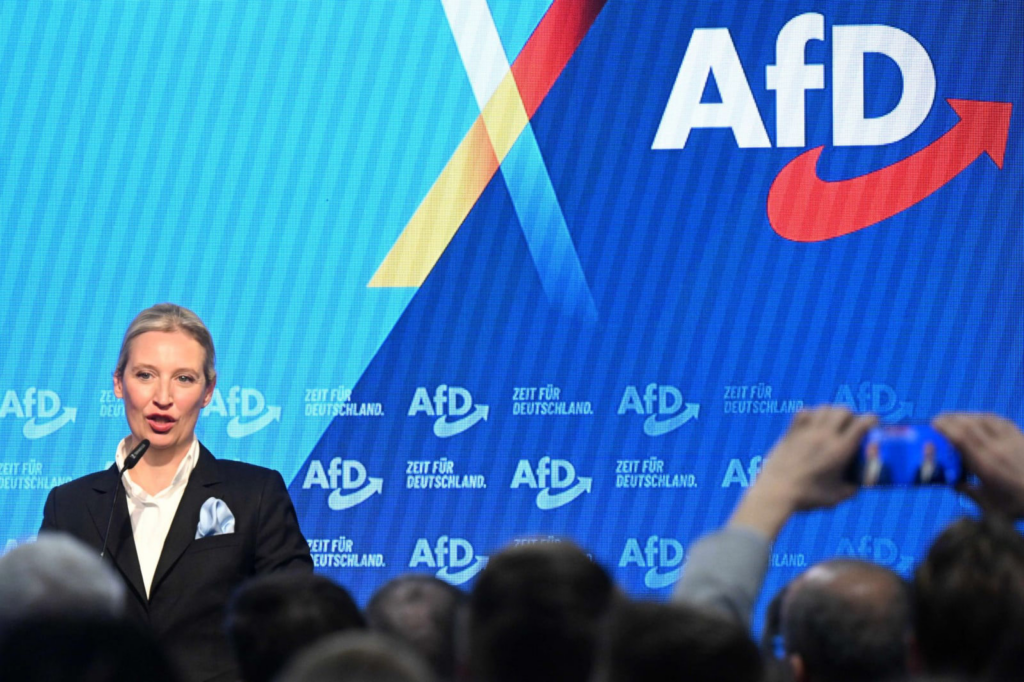
The recent discussions surrounding AfD government involvement have raised pressing concerns within Germany’s security landscape. Holger Münch, the President of the Federal Criminal Police Office (BKA), has articulated serious apprehensions regarding the potential implications of this far-right political influence on national safety. In a revealing interview, Münch questioned the inherent risks associated with the Alternative for Germany’s ascendance to power, particularly concerning access to safeguarded and sensitive information. As he notes, if the AfD were to secure governance at the state level, it could severely disrupt the collaboration between government security agencies. This situation poses a unique challenge, compelling experts to assess how such political dynamics could affect the integrity and effectiveness of law enforcement operations in dealing with emerging security risks.
In light of the shifting political landscape in Germany, the prospect of Alternative for Germany’s participation in government raises critical questions about national security and public safety. The insights shared by Holger Münch reflect growing unease regarding far-right entities gaining institutional influence and the urgency of addressing potential vulnerabilities within agencies like the BKA. When discussing the security risks tied to right-wing involvement in governance, one must consider how party affiliations impact the transparency and effectiveness of security measures. As discussions evolve, it becomes essential to evaluate how the presence of such political factions affects the safeguarding of sensitive information and the collaborative functions of security bodies.
Consequences of AfD Government Involvement
The potential involvement of the Alternative for Germany (AfD) in government raises significant questions regarding public safety and national security. As Holger Münch, President of the Federal Criminal Police Office (BKA), points out, if the AfD were to gain governmental responsibility, the implications could be profound. This includes concerns about the party’s access to sensitive and classified information, which could seriously disrupt the current framework of cooperation among security agencies. The idea of a far-right political influence within government can lead to fears of compromised integrity in decision-making processes, ultimately endangering the safety of citizens.
Moreover, the ramifications extend beyond mere political rhetoric. Should the AfD be classified as a far-right group, potential conflicts of interest could arise, negatively impacting how security operations are conducted. Münch’s interview underscores the urgency of examining these risks and preparing appropriate strategies to mitigate them. An increase in governmental involvement from the AfD could lead to a chilling effect on the flow of information, fostering an atmosphere of secrecy and distrust within essential security services like the BKA.
BKA Security Risks Linked to AfD Influence
In his interview, Holger Münch highlighted that the BKA currently operates without requiring officials to disclose their political affiliations. This lack of transparency raises alarm bells regarding potential security vulnerabilities, particularly concerning members of the AfD. If individuals who hold extremist views or ties to far-right ideologies hold positions within the BKA, there’s a tangible risk that they could misuse sensitive data or leak confidential information. Such scenarios fuel concerns about national security and the effectiveness of government security agencies in the face of increasing political extremism.
Furthermore, Münch expressed apprehension about handling sensitive information openly if the AfD’s status as a political entity continues to evolve. The infiltration of extremist ideologies into security agencies not only undermines operational integrity but also jeopardizes public trust in governmental institutions. Security agencies must adopt strict monitoring and evaluation processes to ensure that their personnel can uphold the rule of law without bias or conflict of interest stemming from political affiliations.
The Role of Security Agencies in Monitoring Political Influence
Government security agencies play a crucial role in maintaining public safety and upholding democratic values. An emerging challenge where parties like the AfD increasingly influence the political landscape elevates the responsibilities of these agencies. Effective measures must be set in place to navigate the nuances of political affiliation among agency members. Transparency must be balanced with privacy rights while ensuring that those with potential far-right political affiliations do not compromise the integrity of national security.
Additionally, the evolving nature of political threats necessitates adaptive strategies from security agencies. Engaging in regular assessments of members’ affiliations can be an effective step to counter risks posed by potential biases. Holger Münch’s concerns about how to manage information flow in light of possible AfD government involvement exemplify the critical need for preparedness and foresight within BKA operations. This proactive stance ensures the agency remains resilient against any form of political intrusion that may threaten established norms in governance.
The Implications of Political Classification on Security Protocols
Classifying the AfD as a security threat could have significant implications on the operational protocols currently practiced by the BKA and other security agencies. Such classifications often lead to heightened scrutiny and more robust vetting processes for personnel who may have political leanings towards extremism. This shift can impact not just the internal cohesion of security agencies but also the morale of officials who may feel unjustly targeted for their political beliefs. Münch’s remarks prompt consideration about how classifications can shape the landscape of internal security.
Moreover, the consequences of an official classification as a security threat could extend to the handling of sensitive data and information-sharing practices among agencies. Legal and ethical concerns must be navigated carefully to ensure that policies do not overreach into unconstitutional territory. Thus, as discussions surrounding the AfD and its potential governmental responsibilities continue, it is crucial for security agencies to refine their approaches to risk management while safeguarding the principles of democratic governance.
Political Landscape and Far-Right Influence in Germany
The political landscape in Germany is increasingly complex, especially with the rising influence of the AfD. This far-right party has garnered significant attention as it debates its role within governmental structures. As political volatility escalates, the ability of traditional parties to counteract extreme ideologies becomes paramount. The growing acceptance of the AfD among voters signals a shift in public sentiment that warrants scrutiny from security officials, who must remain vigilant about the implications this has for national stability.
Additionally, the interactions between the AfD and established political entities challenge the fundamental frameworks of democracy. Agencies must be prepared to address the consequences of this political shift, ensuring that the rise of far-right influence does not embolden radical elements within society. Holger Münch’s insights shed light on the urgent need for security frameworks that can effectively mitigate risks associated with increased political extremism.
Addressing Security Agency Limitations in Political Contexts
One of the primary concerns expressed by Holger Münch is the limitations faced by security agencies like the BKA in navigating the delicate intersection of politics and national security. The lack of required reporting on political affiliations significantly hampers operational effectiveness. This absence could create gaps in intelligence assessments and resource allocation, potentially allowing extremist ideologies to permeate security protocols. Developing comprehensive reporting systems that balance confidentiality and accountability is essential in addressing these limitations.
Moreover, as political affiliations become more intertwined with security operations, inefficiencies can arise when agencies are not adequately equipped to deal with such complexities. Training and awareness around the political landscape’s evolving nature should become a foundational aspect of agency protocols. By establishing more robust frameworks to address the involvement of far-right elements, security agencies can better uphold their mandate while ensuring the protection of democratic institutions.
Preparing for Future Security Risks from Political Extremism
As the potential for government involvement from the AfD looms, it is vital for security agencies to adopt a proactive stance in identifying and mitigating future security risks. This involves not only analyzing the current implications of their political stance but also foreseeing the trajectory of far-right movements in Germany. Holger Münch’s call for foresight emphasizes the necessity of developing strategic plans that address emerging threats while maintaining operational stability within security frameworks.
In this context, continuous dialogue between political entities and security agencies is essential. Understanding the nuances of political influence helps in crafting responses that are both effective and compliant with democratic principles. Preparing for the potential repercussions of AfD government involvement requires an investment in education, training, and redefining current policies to effectively empower agencies in combating political extremism.
Impact of Political Affiliations on Security Data Management
The implications of political affiliations may extend significantly into how security data is managed within agencies like the BKA. With the current policy allowing officials to work without disclosure on party membership, there exists a precarious balance between freedom of association and the need for transparency within national security operations. Recognizing how personal political beliefs can influence professional conduct is an area requiring urgent attention, especially in light of increasing political tensions.
Effective data management becomes crucial in ensuring that any affiliations do not impede upon the integrity of security analysis. Agencies must foster an environment of accountability while adhering to privacy regulations. Münch’s reflections on the openness of information handling present an opportunity for security agencies to innovate and redefine frameworks that prioritize both security and individual rights amidst the changing political climate in Germany.
Navigating Ethical Dilemmas in Security Operations
The rising influence of far-right groups like the AfD presents ethical dilemmas for security agencies charged with the duty of safeguarding public safety. Holger Münch’s comments challenge agencies to consider how they navigate these complex waters, ensuring that their operations do not infringe upon the rights of individuals based on political beliefs. This complexity necessitates rigorous ethical guidelines governing personnel management and data handling, enabling agencies to uphold justice while remaining vigilant against potential threats.
Moreover, the emphasis on ethics in security operations reinforces the need for transparency and accountability within these agencies. Engaging in comprehensive ethical training and discussions aids in preparing officials to address challenges that arise from political affiliations among their ranks. As the participation of the AfD in government looms, agencies must prioritize ethical considerations to maintain public trust and ensure the legitimacy of security operations.
Frequently Asked Questions
What are the implications of AfD government involvement on BKA operations?
The involvement of the AfD (Alternative for Germany) in government could significantly disrupt operations within the BKA (Federal Criminal Police Office). Holger Münch, the BKA President, warns that their access to sensitive information might compromise the integrity of security agency cooperation.
How does Holger Münch view the risks associated with AfD participation in government?
In an interview, Holger Münch expressed concern about the potential risks posed by the AfD’s participation in government. He highlighted that if the party gains governance in any federal state, it could affect data handling and security protocols, raising alarms about possible security risks.
What security risks does the AfD present according to Holger Münch?
According to Holger Münch, the AfD’s presence in government poses numerous security risks, including the potential misuse of sensitive data. He is particularly worried about the implications for internal security operations, especially if the party is recognized as far-right.
Why is it problematic for AfD members to work within government security agencies?
The issue lies in the fact that the BKA does not track the party affiliations of its employees. This lack of transparency makes it problematic, as members of the AfD could access critical information without a clear understanding of the potential conflicts of interest or security risks they pose.
What does Holger Münch suggest about information handling if AfD is in government?
Holger Münch suggests that if the AfD is classified as a potential security threat, there would need to be a reevaluation of how openly information is handled within government security agencies. This could impact the sharing of crucial data among different departments.
How many AfD members work in the BKA?
Currently, the BKA does not have an accurate count of how many AfD members work within the agency, as there is no requirement for employees to disclose their party membership. This uncertainty raises concerns about accountability and security.
What measures should be taken in light of the potential AfD government involvement?
In light of potential AfD government involvement, Holger Münch emphasizes the need for forward-thinking strategies to manage information security. This includes reassessing data sharing protocols and ensuring that sensitive information is protected from potential misuse.
| Key Points | Description |
|---|---|
| Warning from BKA President | Holger Münch warns of risks related to AfD gaining governmental control. |
| Risks of Data Access | AfD’s access to sensitive data could endanger security cooperation. |
| Current Party Affiliation Issue | BKA officials aren’t asked about political affiliation, allowing AfD members to work unnoticed. |
| Skepticism on Information Handling | Münch is skeptical about the management of sensitive information if AfD is viewed as far-right. |
| Unknown Membership Impact | The BKA is unaware of how many AfD members are in the agency due to reporting policies. |
| Need for Forward-thinking | Münch emphasizes the need to proactively consider implications of AfD in government. |
Summary
AfD government involvement poses significant risks to national security and data integrity, as highlighted by Holger Münch, the head of the BKA. The potential for the AfD to access sensitive information can jeopardize the effectiveness of security agencies. Münch’s concerns underscore the importance of evaluating the broader implications of such political developments, ensuring that security protocols remain intact amidst changing political landscapes.

