
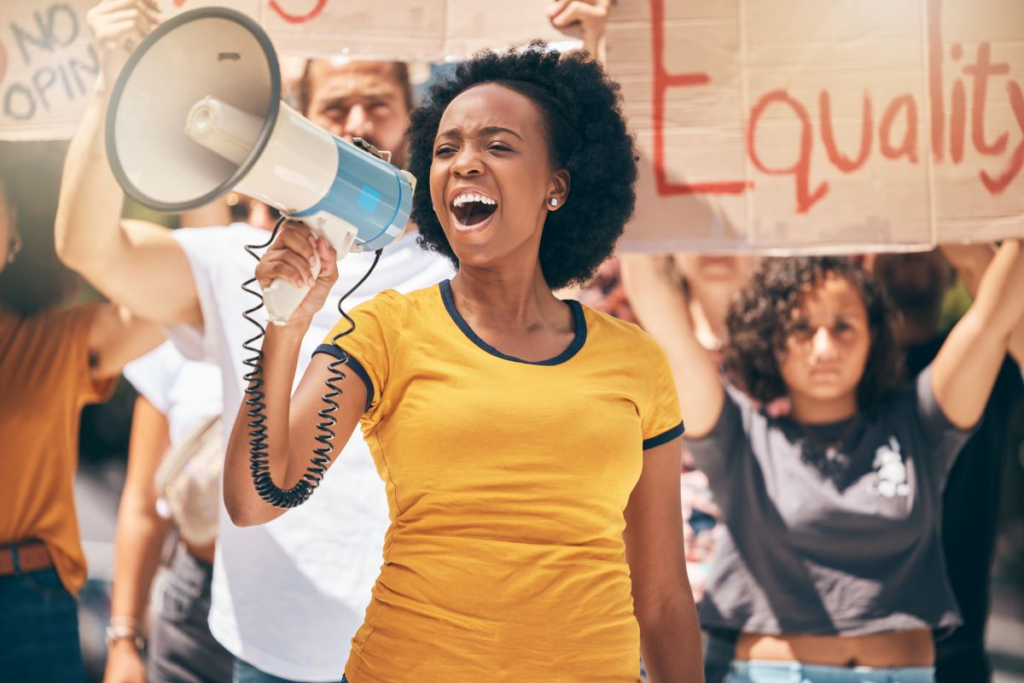
Freedom of expression stands as a cornerstone of democracy, allowing individuals to voice their thoughts openly. Recently, ZDF presenter Dunja Hayali has spotlighted this vital issue in light of the ongoing censorship debate sparked by the online platform “Nius”. Her candid remarks, shared via an Instagram post, underline the potential dangers of compromised dialogue fueled by biased information. Hayali emphasizes that this misuse of platforms can undermine the integrity of journalism, urging her followers to resist participating in these detrimental narratives. As we navigate the complexities of the digital age, the responsibility of journalists and the reliability of information sources have never been more crucial.
The notion of expressing one’s opinions freely is fundamental to a thriving society, often referred to as the “right to speak” or “speech liberty”. In contemporary discussions, especially in relation to media outlets like “Nius”, the line between genuine journalism and biased reporting is increasingly blurred. Dunja Hayali’s insights resonate powerfully in this context, highlighting the pressing need for accountability among content creators. With digital platforms shaping public discourse, the implications for editorial integrity and honest dialogue remain pivotal. As we explore the intersection of digital media and responsible reporting, the importance of protecting the freedoms we cherish becomes ever more significant.
The Role of Dunja Hayali in the Censorship Debate
Dunja Hayali has emerged as a strong voice in the ongoing censorship debate, particularly concerning the controversial online platform Nius. Her critical stance highlights the potential dangers of relying on manipulated information that dominates digital age media. As a respected ZDF presenter, she encourages her audience to be mindful of the sources of their information, advocating for a return to primary sources in journalism. Hayali’s insights push the conversation about the responsibilities of media figures and the impact of biased journalism on public discourse.
In a recent Instagram post, Hayali expressed concern over how manipulative narratives from platforms like Nius can escalate divisions within society. She argues that these debates often serve the interests of anti-democratic forces rather than fostering meaningful dialogue. Her call for users to disengage from the ‘outrage game’ underlines a greater responsibility that media and citizens share in nurturing a democratic environment. By critiquing the current use of sensationalized content, she aims to shift the conversation back to substantive issues that matter to the public.
Understanding Freedom of Expression in the Digital Age
Freedom of expression plays a crucial role in contemporary discussions about media and journalism responsibility, especially in the context of digital platforms. Hayali’s commentary emphasizes that while individuals have the right to express opinions, there is a pressing need for accountability in what is shared online. She warns that unchecked freedom can lead to the proliferation of misinformation, which undermines democratic values. This delicate balance between free speech and responsible communication becomes increasingly pivotal as new media evolve.
Critiques from figures like Federal Justice Minister Stefanie Hubig highlight the complexities inherent in the balance between freedom of opinion and editorial bias. Hubig’s remarks affirm that journalism must navigate these waters carefully to uphold the integrity of information in the digital age. As Hayali and Hubig illustrate, the freedom of expression is not just a right but a responsibility that demands vigilance from both journalists and the public alike.
Nius Platform and the Challenge to Journalism Ethics
The Nius platform stands at the heart of the contemporary censorship debate, prompting essential questions regarding journalistic ethics and accountability in the rapidly evolving digital landscape. Critics, including Dunja Hayali, argue that platforms like Nius often disseminate biased information that can distort public perception. This manipulation of information raises concerns about the ethical responsibilities of journalists who must navigate an environment rife with sensationalism and misinformation.
As a digital media outlet, Nius represents a shift in how information is consumed and understood. Hayali’s warnings about the potential dangers of relying on such platforms speak to the broader issue of media responsibility in an era marked by instant access to information. For journalists, this is a call to maintain a commitment to fact-checking and to prioritize integrity in reporting, reminding audiences that the credibility of news should always take precedence over populist narratives.
The Impact of Biased Journalism on Democracy
Biased journalism poses a significant threat to the fundamental principles of democracy, as highlighted by recent discussions around the Nius platform. Dunja Hayali’s critiques reflect a growing concern that a lack of editorial integrity can sway public opinion and diminish trust in media institutions. When journalists fail to present balanced perspectives, they risk exacerbating societal divisions and undermining democratic discourse.
Federal Justice Minister Stefanie Hubig’s intervention underscores the urgency of addressing these challenges. By reaffirming that journalism with a clear bias falls under freedom of opinion, she emphasizes the necessity for journalists to recognize their role in shaping public dialogue. This environment of partiality must be critically assessed by consumers of news, who must demand greater transparency and accountability from media sources to safeguard democratic values.
The Importance of Primary Sources in Reporting
In today’s fast-paced digital environment, the reliance on primary sources in journalism is increasingly vital. Dunja Hayali’s appeal to return to verified information reflects a growing frustration over the prevalence of misinformation spread through platforms like Nius. By emphasizing the importance of primary sources, Hayali advocates for a media landscape where facts are prioritized over sensationalism, ensuring that audiences receive accurate and responsible reporting.
The challenge lies in the ease with which manipulated narratives can circulate, often drowning out the voices of credible journalism. As such, media consumers are urged to critically evaluate the origins of the information they encounter. This emphasis on primary sourcing is not merely a recommendation; it is a crucial aspect of preserving the integrity of journalism, particularly in an age where digital platforms have changed how news is reported and consumed.
Navigating Outrage Culture on Social Media
Dunja Hayali’s warning against the ‘outrage game’ prevalent on social media platforms resonates with an audience fatigued by polarizing discourse. In an era where sensationalism often garners more attention than thoughtful dialogue, the role of social media in shaping public opinions cannot be ignored. Hayali urges followers to engage in more constructive conversations, promoting a shift from inflammatory commentary to collaborative discussions that prioritize understanding and empathy.
The ramifications of outrage culture extend beyond individual users; they impact the overarching narrative in political and social arenas. By redirecting focus away from attention-seeking behaviors, Hayali provides a blueprint for how to harness the power of social media for civic engagement. Encouraging mindfulness in online interactions fosters a healthier digital landscape where freedom of expression is respected without compromising democratic discourse.
Media Responsibility and Public Trust
The relationship between media responsibility and public trust is increasingly tenuous, especially in the context of platforms like Nius and the criticisms articulated by figures like Dunja Hayali. With the rise of digital media, the expectation for journalists to uphold ethical standards and provide accurate reporting has never been more critical. This ongoing conversation surrounding the responsibilities of media outlets is essential to restoring faith in journalistic practices.
As public trust dwindles, the implications for democracy are profound. An informed citizenry is fundamental to a healthy democratic society, yet biased reporting can distort perceptions and contribute to misinformation. Media institutions must reaffirm their commitment to ethical journalism, ensuring they serve as reliable sources of information that reflect diverse viewpoints while fostering informed public debate.
The Influence of Digital Age Media on Public Discourse
Digital age media has reshaped the parameters of public discourse, raising important questions about the ethical obligations of journalists and media platforms. Dunja Hayali’s critiques serve as a reminder of the impact that online content can have on societal dialogue, particularly when sensational or biased information prevails. As citizens increasingly rely on digital sources for news, the responsibility to provide accurate and reliable content falls squarely on media outlets.
The shift towards digital formats has led to significant changes in how information is disseminated and consumed, often prioritizing speed over accuracy. Hayali’s position underscores the necessity of restoring rigor in journalism, reminding both creators and consumers of the dangers that arise from neglecting these responsibilities. By fostering a culture of accountability and truthfulness, media in the digital age can contribute to a more informed and engaged public.
Challenges to Democracy in the Current Media Landscape
The current media landscape presents numerous challenges to democracy, with platforms like Nius at the forefront of the censorship debate. Dunja Hayali’s insights reveal how biased information can distort democratic processes, weakening the foundations of informed public discourse. When news consumers encounter manipulated narratives, their ability to engage in meaningful political discussions is hindered, threatening the very essence of democracy.
As political voices become increasingly marginalized in favor of sensational content, the responsibility of media outlets to uphold democratic values becomes paramount. Both journalists and platforms must navigate these challenges while promoting freedom of expression that aligns with upholding integrity in reporting. By doing so, they can help ensure that the public remains well-informed and capable of participating in democratic processes.
Frequently Asked Questions
What role does Dunja Hayali play in the current freedom of expression debate regarding digital age media?
Dunja Hayali is a prominent figure in the freedom of expression debate, particularly regarding the digital age media landscape. Her recent comments about the online platform ‘Nius’ underscore the concerns surrounding the reliability of information shared on social media, highlighting the dangers of misinformation and the escalation of dialogue that benefits anti-democratic opponents.
How is the ‘Nius’ platform impacting the freedom of expression and censorship debate?
The ‘Nius’ platform is under scrutiny in the freedom of expression and censorship debate as it is perceived to manipulate information, affecting journalists’ ability to report responsibly. Critics, including Dunja Hayali, argue that politicians relying on biased platforms like ‘Nius’ undermine democracy and distort public discourse.
What is the responsibility of journalists in the context of freedom of expression and media manipulation?
Journalism carries the dual responsibility of upholding freedom of expression while ensuring the information disseminated is credible and unbiased. Prominent figures, such as Federal Justice Minister Stefanie Hubig, emphasize that biased journalism falls within the bounds of press freedom, yet journalists must strive to report truthfully to maintain public trust and democracy.
How does the discussion surrounding Charlie Kirk relate to freedom of expression in digital media?
The discussion surrounding Charlie Kirk illustrates the complexities of freedom of expression in digital media, where controversial opinions can provoke strong reactions. Dunja Hayali urges the public to steer clear of participating in outrage games and instead focus on substantive topics, reflecting a broader concern about how online discourse can distort democratic values.
In what ways can the censorship debate affect the future of journalism and freedom of expression?
The censorship debate poses significant challenges for the future of journalism and freedom of expression, especially as digital media evolves. As platforms like ‘Nius’ come under fire for misinformation, there is a growing need to balance the protection of free speech with the responsibility to confront biased content, ensuring that journalism remains a credible source in the digital age.
What are the implications of relying on manipulated media sources for public opinion and freedom of expression?
Relying on manipulated media sources undermines the integrity of public opinion and challenges the principles of freedom of expression. Figures like Dunja Hayali warn that such practices not only misinform citizens but also create a polarized environment detrimental to democratic dialogue and civic engagement.
How can citizens navigate the challenges of freedom of expression in the digital age?
Citizens can navigate the challenges of freedom of expression in the digital age by critically assessing information sources and seeking out credible journalism. Engaging in informed discussions, avoiding outrage-driven narratives, and scrutinizing the content shared by platforms like ‘Nius’ are essential steps to foster a healthy public discourse.
| Key Point | Detail |
|---|---|
| Dunja Hayali’s Post | Discusses censorship and freedom of expression in relation to ‘Nius’. |
| Critique of ‘Nius’ | ‘Nius’ is seen as a platform that undermines democracy; information is often manipulated. |
| Call for Focus | Hayali urges followers to avoid the ‘outrage game’ and engage in more constructive discussions. |
| Public Reception | Hayali’s stance receives praise from social media, with many calling her brave. |
| Officials Respond | Federal Justice Minister emphasises the need for responsibility in journalism and freedom of opinion. |
| Media Coverage | The debate has been featured prominently in media, highlighting concerns over digital information credibility. |
| Overall Theme | The discussion underscores tensions between freedom of expression and media responsibility in the digital age. |
Summary
Freedom of expression serves as a critical pillar of democracy, as highlighted by Dunja Hayali’s recent commentary on the concerns surrounding the online platform “Nius.” This ongoing debate reveals significant challenges related to the credibility of information, the responsibilities of journalists, and the dynamics of public dialogue in the digital landscape. As individuals navigate this complex media environment, it is essential to cultivate informed discussions that honor the principles of free speech while challenging misinformation. The interplay between freedom of expression and media responsibility is crucial for fostering a healthy democratic society.

