
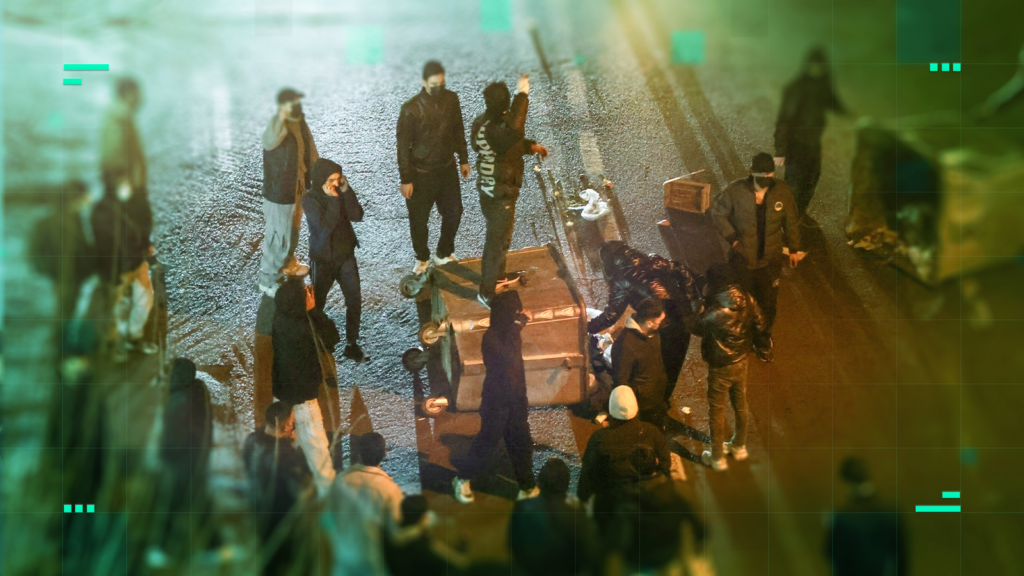
The protests in Iran have captivated global attention as citizens rise against a regime increasingly viewed as oppressive and unyielding. This civil unrest, which many believe is far from over, reflects deep-rooted frustrations that date back decades, exacerbated by a harsh regime response to dissent. In a recent interview with Islamic scholar Katajun Amirpur, she highlighted how the anger surrounding the deaths of protestors has only intensified, illustrating the immense political unrest in Iran. As calls for change spread across various social classes, from students to merchants once loyal to the regime, observers are left questioning the potential for an uprising in Iran to reignite. The dynamics of this struggle are evolving, and as Amirpur notes, it may only take one significant event to spark another wave of protests in a country steeped in turmoil and grief.
In recent years, the wave of civil disobedience within the Iranian populace has been indicative of a broader societal awakening. As political turbulence pervades the nation, the voices calling for justice and reform have grown increasingly loud and unified. Discussions surrounding the ongoing civic strife reflect not only a cry for individual freedoms but also a collective discontent directed toward the prevailing governance. The political landscape in Iran is shifting, with myriad groups coming together in their shared grievances, signaling a potential for future unrest. Such developments suggest a transformative moment that may redefine the course of Iran’s governance, reigniting hope among its citizens for a brighter future.
Understanding the Current State of Protests in Iran
The protests in Iran have reached a noticeable low since their initial surge, giving rise to concerns regarding the resilience and spirit of the demonstrators. Islamic scholar Katajun Amirpur reflects on this notion, suggesting that the brutal suppression by the mullah regime has created an atmosphere of fear and silence across the country. Reports indicate thousands of fatalities, which illustrates the dire situation faced by citizens who oppose the regime. Many are reluctant to participate in protests, fearing for their safety and the ramifications of a regime that has proven to be ruthlessly harsh.
Despite the apparent lull, it is essential to recognize the underlying resentment building within different demographics in Iran. As Amirpur notes, the protests, although currently stifled, may not be extinguished entirely. The anger among those who have suffered loss is palpable and could serve as a catalyst for renewed demonstrations in the future. It is crucial for observers to grasp that this dormant phase could be temporary, awaiting a new spark to reignite public dissent against the regime in light of extensive repression.
The Regime’s Brutal Response and Its Consequences
The Iranian regime’s response to the protests has not only been violent but has also instigated a deeper sense of distrust among its citizens. The excessive force displayed by the guards, alongside attempts to hunt down injured demonstrators in hospitals, reveals the lengths the authorities will go to maintain control. This reaction is designed to instill fear but paradoxically may strengthen the resolve of those previously hesitant to engage in political dissent. The heightening discontent is exacerbated by a sense of injustice that grows in the face of such authoritarian repression.
In the aftermath of the regime’s violent measures, groups that were once staunch supporters have begun to question their allegiance to the ruling powers. Traditionally, elements such as bazaar traders, long seen as collaborators with the Islamic leadership, are now showing signs of dissent. The gradual erosion of confidence among key constituents highlights a significant shift in public sentiment, suggesting that many in Iran are increasingly willing to oppose the regime, recognizing that lasting change may only come through collective action despite the risks involved.
Potential for Future Uprisings in Iran
Experts like Amirpur highlight the possibility of future uprisings in Iran, suggesting that the interlude of silence might be deceptive. Historical patterns indicate that cycles of protests are shortening, with increased participation from various social strata—from students to lower-income groups. The inclusion of those who once supported the regime signifies a shift in the political landscape. Recognizing that even those identified with the status quo are beginning to voice their discontent points towards a collective yearning for change.
The unpredictability of the Iranian populace remains a crucial aspect of the potential for resurgence in protests. Amirpur notes that, while the Revolutionary Guards are formidable in their control and resources, public anger could ultimately overwhelm their attempts to suppress dissent. The anger stemming from collective grief due to the regime’s brutality significantly raises the likelihood of a second wave of protests, demonstrating the resilience of the Iranian spirit that continues to seek justice and reform.
The Role of Leadership in the Iranian Uprising
The question of leadership in any revolution or significant social movement is critical. Katajun Amirpur posits that, while there are calls for figures like Reza Pahlavi, the landscape lacks unified leadership capable of rallying the vast opposition needed for a successful uprising. The existing political figures, many detained, could theoretically lead a democratic movement. However, the regime’s strategic dismantling of potential opposition groups over the years has stunted any coherent reformation efforts. Without a clear guiding figure or organization, the path forward remains murky.
Despite the confusion surrounding leadership roles, there’s an increasing recognition that the power to affect change resides within the civilian populace of Iran. Grassroots movements may emerge stronger as more individuals become aware of their collective strength. The sense that good political personnel exist both within Iranian prisons and among the citizenry where opposition is simmering could be vital. There is an inherent potential for self-organization among the people when they realize their unified voice could challenge the oppressive regime.
International Reactions to the Iranian Situation
One significant layer influencing the trajectory of protests in Iran is the response and involvement of the international community. The populace’s perception of foreign intervention, particularly from the U.S., adds complexity to the dynamic of hope and desperation. Calls for aid, as voiced by citizens desperate for support against their suppressive regime, risk also being politicized. Public sentiment in Iran reflects a longing for assistance, but the overarching concern remains that external interventions may feed into the regime’s narrative, portraying the uprisings as foreign-influenced disruptions rather than legitimate domestic grievances.
Furthermore, as Amirpur observes, it is crucial to gauge the extent and nuances of international sentiment as expressed by the Iranian people. Many feel abandoned by the world, leading to louder cries for help that signify deep despair rather than a calculated strategy for political leverage. The individual’s perspective on a potential U.S. intervention could shift significantly if perceived as genuine support, but it also underscores the risk of undermining local leadership and agency, reinforcing dependency rather than promoting self-determination among the Iranian people.
Economic Factors Influencing Political Unrest in Iran
Economic distress is often at the core of civil unrest, and in the case of Iran, this rings remarkably true. Many protesters cite economic hardship—explained by rampant inflation and an unstable economy—as significant motivators behind their demonstrations. This unrest is compounded by widespread perceptions of corruption and mismanagement within the regime, further alienating their constituents. Everyday citizens feel the effects of economic instability far more than political grievances, as they struggle to provide for their families and maintain a semblance of economic security.
As economic frustrations rise, they become intertwined with political discontent, creating a potent mix that’s hard for the regime to suppress indefinitely. Amirpur’s analysis indicates that economic woes often precipitate political movements; without corrections to socio-economic issues, protests may gain momentum again. Heightened economic inequality has broader social implications, mobilizing previously passive segments of the population, thereby increasing the numbers who may potentially rise against their oppressors in future protests.
Future Considerations for the Iranian Regime
The prospect for the Iranian regime under the ongoing wave of political unrest is grim. With significant portions of the populace recognizing their discontent collectively, the government’s ability to maintain its grip faces potential challenges. If historical patterns of uprising are any indication, the regime may find itself in a vulnerable position, especially if dissent spreads from the traditionally involved sectors to include other demographic groups. The growing atmosphere of frustration and anger may force the government into a reactive stance as protest movements begin to coalesce with intentional and strategic organization.
Amirpur emphasizes that the Iranian regime has reached a tipping point where it cannot indefinitely ignore the collective voice of its citizens, particularly as grievances are interlinked with issues of justice, equality, and rights. The increasing likelihood that protesters might be joined by previously apolitical sections of society could weaken the regime’s defenses. While the state apparatus currently seems formidable, the shifting sentiment may unearth the cracks within, highlighting the potential for significant changes in the near future.
Psychological Impact of Protests on the Iranian Society
The psychological ramifications of prolonged protests and subsequent crackdowns on the Iranian populace cannot be overlooked. Many citizens grapple with feelings of despair, fear, and helplessness due to their experiences with the regime’s brutality. This emotional toll may result in a complex relationship with activism, as many feel compelled to stand against the regime but are simultaneously paralyzed by the overwhelming consequences of participating in protests. The internal conflict creates a hesitance to engage publicly in dissent, even as anger simmers just beneath the surface.
Amirpur posits that understanding the emotional landscape is critical for assessing the potential for future uprisings. The manifestation of intense grief and outrage among those who have lost family members can catalyze widespread mobilization. Individuals, once hesitant to join emerging movements, may be inspired by the strength shown by others and driven by the collective memory of loss. This pent-up frustration may find an outlet, culminating in organized resistance against the regime if triggers arise, underscoring the need for nuanced approaches when analyzing current and future societal reactions in Iran.
The Evolution of the Iranian Opposition Movements
The evolution of opposition movements in Iran over the years has been marked by significant shifts and adaptations in response to the regime’s tactics. Each cycle of protest has seen new leaders emerge, new demands articulated, and diverse segments of society mobilized. Historically, these movements have been initiated by students and the middle class; however, recent years have demonstrated a significant broadening of the base, inviting participation from the working class and previously supportive groups like bazaar traders. The dynamics of unity and division within the opposition present both challenges and opportunities for future uprisings.
Amirpur highlights that while the fragmentation might pose obstacles, the growing realization of a shared struggle among diverse groups can yield profound transformations within the opposition landscape. As citizens become increasingly aware of the interconnected nature of their demography, there is potential for enhancing solidarity against the regime. The shifts of public sentiment and collaboration across differing classes signal an encouraging trend, demonstrating that the Iranian opposition, albeit fraught with challenges, holds power within its collective numbers as they push for meaningful change.
Frequently Asked Questions
What is the current state of the protests in Iran as of 2026?
As of 2026, the protests in Iran appear to have largely subsided following a wave of brutal repression by the regime. Observers note a ‘graveyard-like silence’ across the country, but the underlying anger, particularly among the relatives of victims, is palpable and may lead to future unrest.
How has the Iran regime responded to the protests?
The Iranian regime’s response to the protests has been extremely violent, with reports of thousands dead and widespread targeting of demonstrators by security forces. This brutal crackdown has deterred many from participating in protests, leading to a temporary lull in public expressions of dissent.
Is there potential for a new uprising in Iran?
Yes, many experts, including Islamic scholar Katajun Amirpur, believe there is significant potential for a new uprising in Iran. The historical patterns of protests suggest that intervals between protests are shortening, and growing anger among the population could trigger a resurgence of protests.
What role do economic conditions play in the protests in Iran?
Economic hardship is a major factor driving protests in Iran. Many segments of society, including the traditionally pro-regime bazaar traders, have begun to join the movement against the regime due to perceived economic exploitation and inequality.
Could external intervention influence the protests in Iran?
There is some hope among protesters that external intervention, particularly from the U.S., could help them in their struggle against the regime. However, experts warn that such intervention could also be used by the regime to justify further crackdowns on dissent.
Who might lead a new revolution in Iran?
While there have been calls for the return of exiled figures like Reza Pahlavi, many analysts believe that the real leadership for a potential revolution must come from within Iran, particularly from the imprisoned political figures who have the necessary experience and connection to the citizens.
What is the significance of the Revolutionary Guards in the protests in Iran?
The Revolutionary Guards are a key power in the Iranian regime and play a pivotal role in suppressing protests. Their military and economic strength enables them to maintain control, making them a significant force against any potential uprising.
What do the recent protests in Iran indicate about the regime’s stability?
The protests highlight a significant decline in the Iranian regime’s support among the populace and raise questions about its long-term stability. As the regime struggles with economic crises and diminishing international support, its hold on power is increasingly challenged.
What has been the historical context of protests in Iran leading up to 2026?
Protests in Iran have seen consistent patterns over the decades, with significant movements recorded in 1999, 2009, 2017/18, 2019, and 2022. Each wave demonstrated increasing participation by diverse social classes, suggesting that discontent is widespread across Iranian society.
How are the relatives of those who died in the Iran protests reacting to the regime?
The relatives of those killed in the protests are expressing profound anger and grief, which is expected to contribute to future protests against the regime. Their desire for justice and accountability may serve as a catalyst for renewed unrest.
| Key Point | Summary |
|---|---|
| Protests Suppressed | The protests in Iran have largely come to a standstill due to severe regime repression and widespread fear. |
| Increased Anger | Despite current suppression, anger among the populace is growing, especially among those who have lost loved ones. |
| Potential for Future Protests | There is potential for a new wave of protests as segments of society that previously supported the regime are now opposing it. |
| Role of the Revolutionary Guards | The Revolutionary Guards are key in maintaining the regime’s power, controlling a significant part of the economy. |
| Leadership Challenges | No clear leader has emerged from the opposition, and effective political figures are imprisoned. |
Summary
The protests in Iran, although currently suppressed, showcase an underlying tension that continues to simmer. As countless individuals mourn their losses and the regime’s grip appears to weaken, the conditions for the next uprising are ripe. With increasing discontent across various social classes, and a historical cycle of protests suggesting that these moments of calm can precede significant upheaval, the potential for renewed protests is persistent. Many now rally for change, driven by desperation and a resolve that may eventually ignite the next spark in this ongoing struggle for freedom.

