
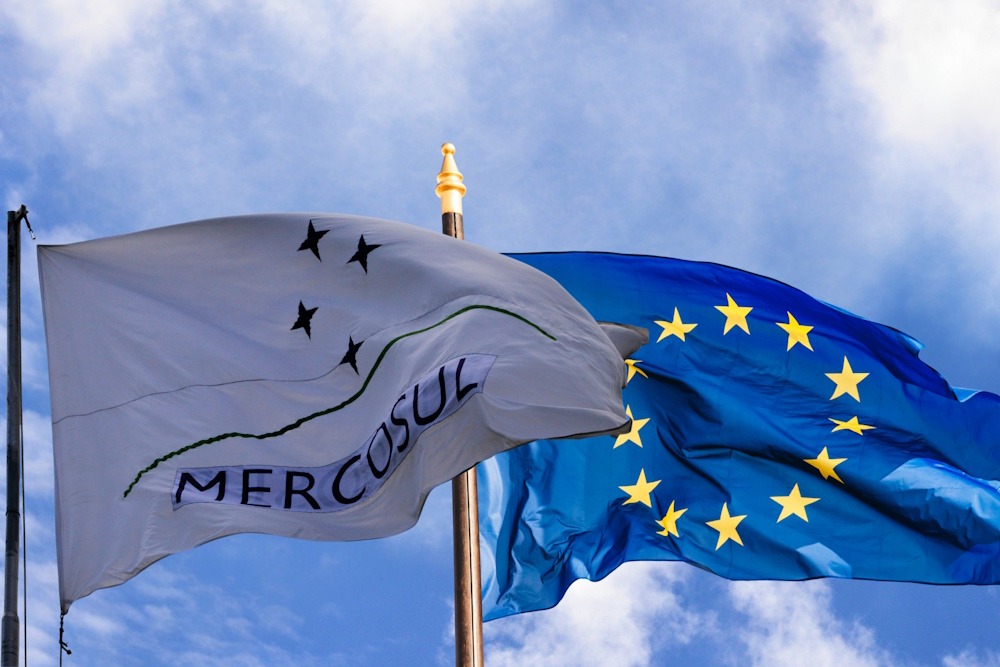
The EU Mercosur Agreement marks a landmark moment in global trade, propelling economic relations between Europe and South America’s Mercosur countries of Brazil, Argentina, Paraguay, and Uruguay. After over 25 years of negotiations, this extensive trade deal promises to establish one of the world’s largest free trade zones, aiming to lower tariffs and foster stronger EU trade relations. EU Commission President von der Leyen emphasized the partnership’s transformative potential, highlighting benefits like increased trade in goods and significant tariff savings for both sides, projected at around four billion euros annually. This comprehensive agreement not only enhances the EU Brazil partnership but also reflects shared values such as democracy and human rights among the negotiating parties. As the EU Mercosur negotiations reach their climax, the collective ambition is clear: to create real prosperity and collaborative success for approximately 700 million citizens across these regions.
The trade agreement between the European Union and the Mercosur bloc is more than just a significant economic arrangement; it reflects a deepening alliance on the global stage. Often referred to as the Mercosur free trade pact, this initiative encapsulates the hopes of fostering robust EU-Mercosur relations, highlighting mutual goals of enhancing international trade. The anticipated collaboration promises extensive trade agreement benefits, facilitating easier access to markets and resources between Europe and South America. With a focus on increased trade in agricultural products, automobiles, and raw materials, the agreement signifies the blending of diverse economic landscapes. Through this partnership, both regions aim to embrace a future of shared prosperity and strengthened diplomatic ties.
Understanding the EU Mercosur Agreement
The EU Mercosur Agreement represents a monumental step in international trade, marking the culmination of over 25 years of negotiations. This historic trade pact will establish one of the largest free trade zones globally, significantly transforming economic relations between the European Union and Mercosur countries, including Brazil, Argentina, Paraguay, and Uruguay. The agreement aims to reduce tariffs and trade barriers, facilitating the smooth exchange of goods and services across both regions. With an estimated annual saving of around four billion euros in tariffs, the positive economic implications for EU trade relations are profound.
As EU Commission President Ursula von der Leyen highlighted during her visit to Brazil, this agreement symbolizes more than just economic collaboration; it is a commitment to fostering a partnership based on shared values. Both the EU and Mercosur uphold principles such as democracy, respect for human rights, and the rule of law. Therefore, the EU Mercosur Agreement is poised to reinforce democratic cooperation and multilateralism on a global scale, ensuring that trade proceeds in a manner consistent with these fundamental values.
Trade Agreement Benefits for Europe and Mercosur
The benefits of the EU Mercosur Agreement are expected to be extensive for all parties involved. European companies are poised to gain access to new markets in South America, which will not only enable them to expand their export operations but will also stimulate investment opportunities within these emerging markets. The reduction of tariffs on EU exports, such as machinery, cars, and pharmaceuticals, will further enhance competitiveness for European businesses, which can lead to increased economic growth and job creation in the EU.
Conversely, the Mercosur countries will benefit from improved access to the large consumer market of the European Union. With the majority of exports from Mercosur consisting of agricultural products, the elimination of trade barriers will provide farmers and producers in these nations with the opportunity to reach European consumers more effectively. This trade agreement is therefore envisioned as a pathway to economic sustainability for Mercosur, supporting the agricultural sector while ensuring that the EU secures a reliable supply of essential raw materials.
EU Trade Relations: A New Era
The EU-Mercosur Agreement signifies not just a traditional trade alliance but a transformative approach to EU trade relations. With ongoing concerns regarding trade relations with China and the USA, this agreement positions the EU strategically within South America, effectively diversifying its trade partnerships. The focus on fostering stronger ties with Mercosur aligns with the EU’s broader goal of engaging with democratic partners and stabilizing global trade networks.
Furthermore, the EU’s commitment to embracing sustainable trade practices is echoed in this agreement. By supporting Mercosur countries in their efforts to adopt environmentally friendly practices and uphold labor standards, the EU is setting a precedent for responsible trade agreements worldwide. This new era of EU trade relations emphasizes collaboration that goes beyond economics, aiming for social responsibility and governance that reflects mutual respect.
The Role of EU Negotiations in Global Trade
The lengthy negotiations leading to the EU Mercosur Agreement articulate a significant shift in how global trade agreements are approached. The prolonged discussions highlight the complexity and challenges associated with aligning diverse interests from multiple nations. The EU’s approach, led by its member states and organizations such as Germany, illustrates the importance of diplomacy and consensus in crafting a functional agreement that benefits both sides.
The successful completion of these negotiations indicates a growing trend toward multi-regional partnerships that prioritize economic stability and shared governance principles. By navigating tensions that arose from differing national policies, particularly resistance from nations like France and Poland, the EU demonstrates its commitment to overcoming obstacles in pursuit of collective benefits through international cooperation.
Challenges in the EU Mercosur Agreement Process
Despite the positive outlook for the EU Mercosur Agreement, challenges remain as the agreement moves toward final ratification. The resistance encountered during negotiations, particularly from European nations concerned about environmental standards and agricultural competitiveness, underscores the complexity of achieving consensus in multi-national agreements. As member states prepare to ratify the agreement, ensuring that all concerns are addressed remains critical to the agreement’s long-term success.
Additionally, the need for compliance with environmental and social standards poses a challenge for the Mercosur countries, which must align their practices with EU regulations to fully benefit from the trade agreement. The expectation for sustainable practices may necessitate significant adjustments to local industries in Mercosur, creating both opportunities and difficulties. Balancing economic growth with responsible environmental stewardship will be essential as the new partnership unfolds.
Economic Impact on Mercosur Nations
The economic implications of the EU Mercosur Agreement are particularly significant for the South American countries involved. As Mercosur nations primarily export agricultural products, the agreement presents an opportunity to enhance their agricultural sectors, potentially increasing both output and exports. This shift could yield substantial economic growth, particularly in rural areas that rely heavily on agriculture as a primary source of income.
However, this economic boost comes with its own set of challenges, including the need to ensure competitiveness in the European markets. Farmers in Brazil and other Mercosur countries must adapt their production techniques to meet EU standards while sustaining quality and environmental practices. Thus, while the agreement opens new avenues for trade and prosperity, it also calls for strategic planning and investment in sustainable practices.
The Importance of the EU-Brazil Partnership
The EU-Mercosur Agreement significantly strengthens the EU’s partnership with Brazil, a leading economy in South America. By establishing a firmer economic link, the partnership allows for collaboration on shared priorities like climate action and sustainable development. As President Lula stated, this partnership transcends mere trade, emphasizing both nations’ commitment to democratic values and human rights, fostering a cooperative atmosphere in the international arena.
This strengthened relationship is vital for addressing global challenges, such as climate change and food security. The EU’s investment in Brazil’s sustainable agricultural practices aligns with its broader environmental objectives, promoting responsible resource management. As trade relations evolve, the EU and Brazil can work together more effectively to ensure mutual growth and address pressing global issues.
Navigating Global Trade Tensions
In an era marked by growing global trade tensions, the EU Mercosur Agreement offers a strategic counterbalance, promoting collaborative ties in the face of difficulties with major trade partners like China and the USA. This agreement is designed not just to facilitate trade but also to create a united front that upholds the importance of multilateralism and fair trade practices. The EU’s proactive approach in negotiating this agreement underscores its desire to forge stable, beneficial relationships beyond traditional economic corridors.
The dynamics of global trade are increasingly influenced by geopolitical factors, leading to transitions in how markets operate. By advancing partnerships with Mercosur nations, the EU demonstrates a commitment to resilience and adaptability in global markets, paving the way for sustainable development and collective growth in the face of uncertainty. Thus, the agreement becomes a centerpiece for redefining effective trade relations amid a changing international landscape.
Future Prospects of the EU Mercosur Agreement
Looking ahead, the EU Mercosur Agreement presents a promising opportunity for economic growth and enhanced cooperation between Europe and South America. As nations adapt to the new trade landscape, the potential for increased exports and mutual investments unfolds, setting the stage for a solid economic future that benefits both regions. The EU’s ambitious agenda of fostering strong partnerships aligns with the growth trajectories of Mercosur countries, making this agreement a cornerstone of their development strategies.
Furthermore, as global trends shift toward sustainability and ethical trade, the EU Mercosur Agreement can serve as a model for future international agreements. By prioritizing environmental standards and labor rights, the agreement not only aims to promote economic prosperity but also to ensure responsible trade practices that can inspire similar pacts worldwide. The future of this agreement depends on successful implementation, collaboration, and continuous commitment to shared values, illustrating that trade can indeed foster noble partnerships.
Frequently Asked Questions
What is the objective of the EU Mercosur Agreement?
The EU Mercosur Agreement aims to establish one of the largest free trade zones in the world by reducing trade barriers, tariffs, and taxes between the European Union and the Mercosur countries: Argentina, Brazil, Paraguay, and Uruguay. This agreement is expected to simplify trade in goods, thereby creating significant economic benefits for both regions.
How will the EU Mercosur Agreement benefit trade relations between the EU and South America?
The EU Mercosur Agreement is expected to enhance EU trade relations with South America by allowing European exports such as cars and chemicals to flow more freely, while Mercosur countries can export agricultural products and raw materials to Europe without excessive tariffs. This not only increases trade volumes but also promotes real prosperity, as cited by EU Commission President von der Leyen.
What economic impact is anticipated from the EU Mercosur Agreement?
The economic impact of the EU Mercosur Agreement includes an estimated savings of around four billion euros in tariffs annually. By fostering reduced trade barriers, the agreement is set to enhance economic cooperation and facilitate smoother transactions between the regions, thus bolstering overall economic growth.
What are the critical components of the EU Brazil partnership under the EU Mercosur Agreement?
Under the EU Mercosur Agreement, the EU Brazil partnership focuses on shared values such as democracy, the rule of law, and human rights. Additionally, the partnership emphasizes economic cooperation through efficient trade relations, with the goal of mutual economic development and prosperity.
What challenges have delayed the signing of the EU Mercosur Agreement?
The signing of the EU Mercosur Agreement faced delays primarily due to resistance from several EU member states, including France, Poland, and Italy. These concerns stemmed from various political and economic factors, prompting discussions to smooth over tensions prior to finalizing the agreement.
What will happen after the signing of the EU Mercosur Agreement?
Following the signing of the EU Mercosur Agreement, the text must be ratified by the four South American countries involved, as well as the European Parliament. This step is crucial for the formal implementation of the trade agreement and its benefits, marking a significant milestone in EU-Mercosur negotiations.
| Key Points | Details |
|---|---|
| Negotiation Duration | Over 25 years of negotiations have led to the EU-Mercosur Agreement. |
| Significance | Will create one of the largest free trade zones in the world. |
| Leaders Involved | EU Commission President Ursula von der Leyen and several South American leaders including Brazil’s Lula. |
| Economic Impact | Agreement will reduce trade barriers, tariffs, and taxes, mostly benefiting agricultural exports from Mercosur. |
| Annual Savings | Expected to save around 4 billion euros in tariffs annually. |
| Next Steps | The agreement will be signed in Paraguay and requires ratification by the four South American nations and the European Parliament. |
Summary
The EU Mercosur Agreement marks a significant milestone in international trade relations. After enduring over 25 years of negotiations, this agreement establishes one of the largest free trade zones in the world, fostering economic cooperation between the EU and Mercosur countries like Brazil and Argentina. The collaboration emphasizes not only trade facilitation but also shared values such as democracy and human rights. With an anticipated annual saving of approximately 4 billion euros in tariffs, this agreement is poised to benefit millions, highlighting the importance of partnerships in today’s globalized economy.

