
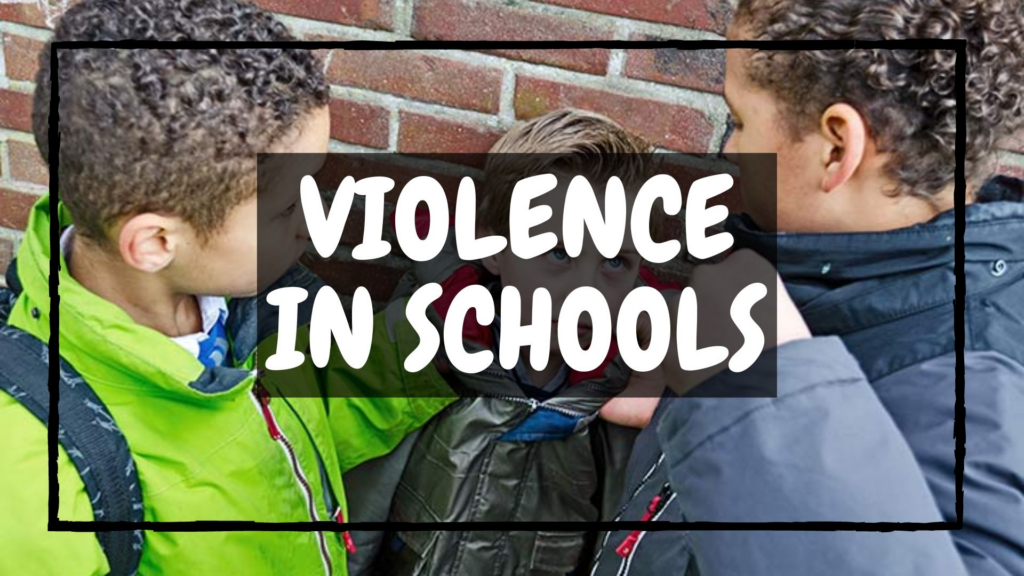
Violence in schools has become an alarming issue in Brandenburg, particularly highlighted by recent events in Cottbus primary school. Parents have raised urgent concerns through letters of complaint, urging authorities to address the increasing incidents of school violence that their children have been facing. The local government, recognizing the gravity of the situation, has initiated police intervention in schools to ensure student safety and carry out necessary investigations—there are currently 178 ongoing cases linked to such violence. Interior Minister René Wilke underscored the complexity of these school violence incidents, which range from threats to bodily harm, emphasizing a firm approach is essential in tackling these issues. With parents demanding a safe educational environment for their children, the need for effective strategies to combat violence in schools has never been greater.
School-based aggression and conflict among students have raised significant concerns across educational institutions, particularly in the context of Cottbus schools and the greater Brandenburg region. Reports indicate that a variety of physical altercations and threats have prompted parents and authorities alike to seek immediate solutions to enhance student welfare. The involvement of police forces in educational settings is a response to an increasing need for immediate intervention during incidents of student violence. As discussions unfold regarding the root causes of this misconduct — including a notable percentage of offenders with migration backgrounds — it becomes clear that a comprehensive approach is vital in ensuring safe learning environments. The ongoing efforts to curtail such troubling behavior illustrate a community grappling with safeguarding its children’s educational sanctuaries.
Understanding Violence in Schools: The Cottbus Primary School Incident
The recent surge of violence in schools, particularly highlighted by incidents at Cottbus primary school, showcases a troubling trend that has alarmed parents and educators alike. The letter of complaint from concerned parents serves as a testament to the significant student safety concerns that have emerged in the Brandenburg region. With the police handling 178 investigations related to school violence, it underscores the urgent need for comprehensive strategies to address these alarming occurrences.
These incidents have raised a myriad of questions surrounding the effectiveness of current disciplinary measures and the overall safety of students. As the interior minister noted, behaviors ranging from threats to bodily harm are increasingly commonplace in schools. The need for immediate intervention by law enforcement reflects a broader societal issue regarding youth violence, which demands not only punitive measures but also dialogue and community involvement to effectively mitigate risks.
The Role of Police Intervention in Addressing School Violence
In addressing school violence, police intervention has emerged as a critical component of the response strategy within Brandenburg. The formation of specialized school investigation units demonstrates the government’s commitment to dealing effectively with the rising tide of violence. With local police taking proactive steps—such as visiting offenders’ homes to engage in discussions—the approach seeks to deter further incidents before they escalate.
Though critics might argue that these measures are merely reactive, statistics indicate a significant impact on repeat offending. By establishing lines of communication with potential offenders and their families, law enforcement aims to foster an environment where respect and understanding between cultures are prioritized. It emphasizes the necessity for community engagement, particularly in areas with a high percentage of students from diverse backgrounds.
The Need for Comprehensive Strategies to Ensure Student Safety
Addressing the wave of violence in Brandenburg schools, especially in Cottbus, requires more than just police involvement; it necessitates a multi-faceted approach involving parents, educators, and local authorities. The call for enhanced safety measures reflects a broad consensus that schools must be secure places conducive to learning. Initiatives could range from conflict resolution programs to increased mental health support, addressing not only the symptoms of violence but also its root causes.
To effectively tackle student safety concerns, stakeholders must engage in open dialogues to build a comprehensive support system for affected children. The adverse effects of bullying and violence on a child’s educational journey cannot be understated. Strategies aimed at fostering inclusion, respect, and understanding between students of varied backgrounds are necessary to prevent harm and build a supportive educational environment.
Community Involvement in Preventing School Violence
The involvement of the community plays an essential role in the prevention and management of school violence in regions like Cottbus. Parents, teachers, and local residents must collaborate to create a resilient support network for students. Programs that foster parental engagement and community workshops can enhance communication between schools and families, ensuring that safety concerns are addressed collectively rather than in isolation.
By establishing a sense of community ownership over school safety, stakeholders can work together to identify potential issues before they escalate. Initiatives such as neighborhood watch programs around schools and community-led dialogue sessions can empower families and encourage proactive discussions about student well-being. This consistent engagement cultivates an atmosphere where children feel secure and supported, reducing incidents of violence.
Identifying At-Risk Students and Opportunities for Intervention
Recognizing at-risk students is integral to curbing the wave of violence in schools, particularly in areas with high diversity like Cottbus. Reports indicate that a notable proportion of incidents involve students with a migration background, signalling the need for tailored intervention strategies. Educational staff must be trained to identify behavioral red flags and develop responsive frameworks that address the unique challenges faced by these students.
Interventions could include mentoring programs, language assistance, and cultural sensitivity training that bring together educators and students from diverse backgrounds. By creating an inclusive atmosphere, schools can develop early intervention plans to prevent escalating behaviors and foster academic success. This approach not only combats school violence but simultaneously enhances educational outcomes for declining students.
The Impact of Migration on School Violence Trends
Brandenburg schools are experiencing challenges related to school violence that are intertwined with migration dynamics. The Cottbus primary school has seen a significant number of incidents involving students from diverse backgrounds, highlighting the complexities of integrating newcomers into the educational system. This situation underlines the importance of understanding the cultural factors that contribute to student behavior.
Addressing the intersection of migration and violence in schools requires a nuanced approach. Schools should implement diversity training programs and support services aimed at helping all students integrate successfully. By fostering an understanding of cultural differences, educators can promote a more inclusive environment that mitigates misconceptions and tension stemming from differing backgrounds.
Engaging Stakeholders for Effective Policy Implementation
The recent increase in violence in Brandenburg schools highlights the urgent need for effective policy implementations that engage all stakeholders. Policymakers must collaborate with parents, educators, and law enforcement to develop comprehensive health and safety strategies. Programs that promote multi-agency coordination can ensure that interventions are effective and tailored to community needs.
Initiatives aimed at harnessing local resources, from community organizations to mental health professionals, can enhance the overall response to school violence. Stakeholder engagement can lead to a clearer understanding of existing gaps in resources and support, paving the way for a more effective integration of services that prioritize both student safety and educational attainment.
Lessons Learned from Cottbus: Evaluating Current Measures
Evaluating the ongoing response to school violence incidents in Cottbus offers valuable insights into what measures are effective and what needs improvement. The significant number of investigations necessitates a reflective approach to understanding the effectiveness of current protocols. Policymakers and educators can benefit from assessing conditions that lead to violence and identifying patterns related to student behavior.
By drawing on these lessons, interventions can be refined to focus on preventing violence rather than merely reacting to it. This proactive stance will help cultivate a safer school environment, reducing incidents of aggression and fostering a culture of respect among students. Continuous evaluation and adaptation of strategies will be key to ensuring the long-term safety of students in Brandenburg.
Future Directions: Strengthening Safety in Brandenburg Schools
Looking to the future, strengthening safety measures in Brandenburg schools should be a unified objective. As demonstrated by the concerning statistics emanating from Cottbus, immediate action is required to ensure that students can learn in a safe environment. This encompasses not just reactive policing but holistic methods that include education reform and community engagement.
A commitment to long-term solutions, such as establishing mental health services and training educators to handle conflict effectively, will be essential in creating sustainable changes. By engaging communities in these initiatives, Brandenburg can pave the way toward safer schools, ultimately leading to a more supportive and enriching educational experience for all students.
Frequently Asked Questions
What measures are being taken to combat violence in schools in Brandenburg, specifically in Cottbus?
In response to growing violence in schools in Cottbus, the Brandenburg state government is implementing a package of measures, including police interventions and discussions with potential offenders at their homes. Since June, 178 investigations related to school violence incidents have been active, showing a commitment to enhance student safety.
How are police involved in handling school violence incidents in Cottbus?
Police intervention in schools is crucial, with dedicated school investigation units managing 178 cases of violence since June. Officers are taking proactive steps, such as visiting suspected offenders’ homes to discuss incidents, which has shown significant positive effects in reducing repeat offenses.
What safety concerns do parents have regarding violence in schools in Brandenburg?
Parents of students at primary schools in Cottbus have raised serious concerns about violence, including physical assaults that require medical treatment. In their communications, they emphasize the importance of ensuring schools remain safe places for their children amidst the rising tide of school violence.
What types of incidents are classified as violence in schools in Brandenburg?
Violence in schools in Brandenburg encompasses a range of incidents, including bodily injury, threats, coercion, and insults. The state’s Interior Minister has indicated that police are prepared to take firm repressive measures in response to these serious issues.
What are the implications of school violence incidents for student safety in Cottbus?
The increase in violence in schools has led to heightened student safety concerns among parents, with reports of children suffering from physical harm and fearing attendance. The local government plans to enhance security measures, including deploying private security services and possibly removing violent students from regular school activities.
How is the demographic background of offenders related to violence in schools in Cottbus?
Data from Cottbus indicates that approximately two-thirds of offenders involved in school violence incidents have a migration background, while one-third are of German origin. This demographic information is critical in understanding and addressing the root causes of violence in schools.
What role do discussions with offenders play in addressing school violence in Brandenburg?
Meetings with potential offenders have proven to be effective in addressing violence in schools. These discussions often occur shortly after an incident, which helps deter future misconduct and supports a decrease in the number of repeat offenders within school violence cases.
Are there any additional security measures being discussed to improve safety in Brandenburg schools?
Yes, in light of the increasing violence in schools, Mayor Tobias Schick has suggested potential measures such as the presence of security services at schools and the consideration of alternative educational placements for violent students to maintain a safe educational environment.
Why is there a focus on repressive measures in combating school violence in Cottbus?
The increasing severity and frequency of violence in schools have prompted officials to advocate for repressive measures, as the Interior Minister highlights the adequacy of firmness in deterring violence and ensuring that schools remain a safe space for all students.
| Key Point | Details |
|---|---|
| Incidents of Violence | Brandenburg police have initiated 178 investigations into violence in Cottbus schools, involving bodily injury, threats, and various offenses. |
| Measures Implemented | Brandenburg’s government is collaborating with local authorities to address school violence, focusing on repressive measures and discussions with offenders. |
| Demographics of Offenders | Two-thirds of those involved in incidents have a migration background, highlighting a multicultural dynamic. |
| Community Reactions | Parents expressed concerns about safety and have actively sought help due to their children’s experiences with violence. |
| Government Response | Interior Minister René Wilke stressed the importance of firm measures and reported a decrease in repeat offenders due to interventions. |
| Future Actions | Cottbus officials are considering strengthening security measures at schools, including potentially removing violent children. |
Summary
Violence in schools has become a critical issue in Brandenburg, particularly in Cottbus, prompting an urgent response from authorities. With 178 investigations underway, the state government aims to enhance safety and discipline through collaborative measures and proactive police interventions. Despite the challenges posed by the background of offenders, community calls for a safe educational environment underline the necessity for effective solutions in combating school violence. Continuous engagement with parents and decisive actions against violators are crucial steps toward ensuring that schools can once again be safe havens for all children.

