
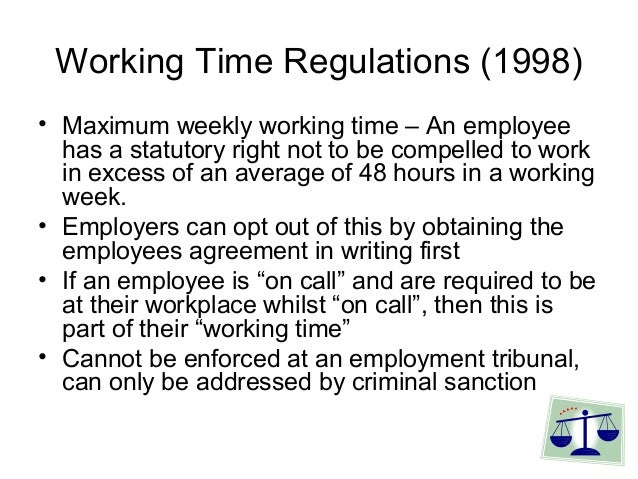
The Working Time Act plays a critical role in shaping labor laws in Germany, ensuring that the rights of employees are safeguarded while also offering business flexibility. Recently, Friedrich Merz, a prominent political figure, has stirred controversy by proposing the repeal of this Act, claiming that compliance among employers is severely lacking. His comments, made at a business reception, have raised concerns among union responses, as they directly challenge employee protection measures integral to the law. The Act not only sets boundaries for daily working hours but also mandates minimum break periods to maintain worker health and well-being. As discussions surrounding labor regulations evolve, many are left wondering how such changes could impact the balance between employer interests and employee rights in the German workforce.
When discussing Germany’s labor regulations, the Working Time Act is often at the forefront, addressing essential aspects of employee welfare and operational adaptability for companies. Friedrich Merz’s proposition to abolish this legislation has ignited debates on employee safety and employer responsibilities. His statements resonate through the business community, highlighting a tension between facilitating business freedom and safeguarding worker rights. As both the CDU and SPD consider potential reforms, including shifting from daily to weekly working hour limits, the response from unions could pave the way for significant changes in how labor laws are interpreted and enforced. This evolving dialogue reflects broader issues surrounding labor standards and their impact on the workforce.
Friedrich Merz’s Proposition to Abolish the Working Time Act
Friedrich Merz’s suggestion to abolish the Working Time Act raises significant discussions in the realm of labor laws in Germany. Merz argues that the current legislation is largely ignored by employers, claiming that adherence to the act is minimal. He believes that repealing these regulations would not only reflect reality but could also enhance business flexibility. His stance highlights a potential shift in the political landscape, especially regarding how labor laws are perceived by those who advocate for less restrictive policies in business operations.
However, Merz’s proposal has not gone unnoticed by unions and labor rights advocates. For many, the Working Time Act is a critical framework that protects employee rights and ensures safe working conditions. By suggesting its repeal, there is concern over potential exploitation and a rollback of essential protections. Unions have emphasized the importance of maintaining these regulations as a safeguard for working people, maintaining that employee protection should always be a priority over the interests of business flexibility.
The Impact of Repealing the Working Time Act on Employee Protection
If the Working Time Act were to be repealed, the consequences for employee protection could be profound. The act currently sets crucial limits on working hours and mandates minimum break durations, which contribute to the overall health and wellbeing of employees. Removing these regulations could lead to longer working hours without adequate rest, putting additional strain on workers and potentially leading to workplace burnout and mental health issues. The implications of this shift would likely resonate throughout various sectors, particularly in industries known for demanding working conditions.
Moreover, the repeal could exacerbate existing inequalities in the workforce. Workers in more vulnerable positions, often without the leverage to negotiate their working conditions, would bear the brunt of such changes. The unions have voiced strong opposition to this potential repeal, advocating instead for the strengthening of labor laws to ensure that employee rights are not compromised in favor of corporate profit. The tension between protecting workers and enhancing business flexibility continues to rise, necessitating a careful examination of the potential impacts of any legislative changes.
Concerns from Unions Regarding Labor Law Changes
Union responses to Friedrich Merz’s proposals indicate substantial unrest within labor organizations. The potential abolition of the Working Time Act has prompted outcries from several unions, who perceive this move as an attack on hard-won employee protections. Unions argue that such a policy shift may significantly undermine labor rights and lead to increased labor exploitation. They emphasize that the laws designed to safeguard workers are essential, particularly in today’s demanding work environment where hours can extend unpredictably.
Furthermore, unions advocate for maintaining existing labor protections while seeking improvements rather than repeals. The idea that businesses should have the freedom to operate without stringent regulations does not sit well with labor representatives, who insist that employee protection must remain a priority. Unions are likely to mobilize in response to any attempts to weaken the Working Time Act, pushing for a collective discussion about labor laws in Germany that balances business interests with the needs and rights of workers.
Exploring the Balance Between Business Flexibility and Worker Wellbeing
The discussion surrounding the Working Time Act inevitably revolves around finding an equilibrium between business flexibility and employee wellbeing. On one hand, proponents of Merz’s approach argue that a more relaxed regulatory environment could stimulate economic growth and encourage businesses to thrive. Flexibility in working hours could allow employers to adapt to fluctuating demands, potentially leading to increased productivity. However, this flexibility must not come at the cost of worker health and safety.
Conversely, maintaining strict regulations under the Working Time Act ensures that employees are not overworked and are given necessary breaks to recharge. Labor laws are crafted to protect the workforce and provide a stable environment that fosters both employee satisfaction and productivity. Striking the right balance is crucial, and discussions led by key political figures like Friedrich Merz bring these issues to the forefront, igniting debates that could shape the future of labor policy in Germany.
Political Reactions to Proposed Changes in Labor Laws
The political landscape in Germany is heavily influenced by current debates over labor laws, particularly in light of Merz’s comments about the Working Time Act. Reactions from various political cohorts showcase the divide between those advocating for business flexibility and those prioritizing employee protections. Leaders from the SPD and other left-leaning parties have expressed strong apprehension regarding any proposed rollback of worker rights. They argue that the Working Time Act is vital for ensuring equitable treatment in the workplace and keeping corporate responsibility in check.
In contrast, right-leaning factions, aligned with Merz, are increasingly vocal about the purported burdens that existing labor laws impose on businesses. They argue that repealing these laws could lead to a more dynamic economy. However, this perspective often overlooks the potential ramifications for employees who rely on these protections for job security and health safety. The ongoing dialogue between various political representatives will ultimately shape the future of labor laws in Germany, reflecting the interests of both businesses and workers.
The Role of the Ministry of Labor in Shaping Labor Laws
The Ministry of Labor plays a pivotal role in shaping labor laws in Germany, ensuring that any changes reflect the needs of both employers and employees. As discussions surrounding the Working Time Act intensify, the Ministry’s involvement becomes even more critical. Their current stance emphasizes the importance of balancing employee protection with the need for business flexibility, underscoring that health and safety must remain paramount. Initiatives proposed in the coalition agreement hint at possible adjustments, suggesting a shift towards more adaptable working time regulations.
By advocating for a structural review of the Working Time Act, the Ministry of Labor acknowledges the evolving nature of work and the challenges that come with it. This adaptability could lead to solutions that accommodate modern work practices while still offering necessary protections for workers. Engaging dialogue across political lines, stakeholders, and unions will be vital for the Ministry of Labor as they navigate the complexities of potential reforms, ensuring that any legislative amendments promote a fair and sustainable working environment.
Future Implications of Labor Law Revisions
The implications of revising labor laws, such as the potential repeal of the Working Time Act, could be felt across various sectors in Germany. If successful, Merz’s initiative could set a precedent for future legislative changes that prioritize flexibility over regulation. Businesses may feel empowered to operate with less oversight, but this could lead to a deterioration of working conditions if employee protections are sidelined. The ability of workers to advocate for their rights might also diminish in a less regulated environment, leading to greater disparities in employee treatment.
On the other hand, pushing for reforms that align with contemporary work needs could usher in a new era of labor laws that offer both adaptability and protection. Reevaluating the Working Time Act might lead to a structure where employees can enjoy safer working conditions while also meeting the demands of an evolving economy. Ultimately, the decisions made today will have lasting impacts on labor relations, influencing how businesses operate and how employees are treated for years to come.
Understanding the History of Labor Laws in Germany
To fully grasp the significance of Friedrich Merz’s statements about the Working Time Act, it is essential to understand the historical context of labor laws in Germany. These laws have evolved over decades, driven by the need to protect workers against exploitation while fostering a favorable environment for economic growth. The introduction of the Working Time Act marked a crucial step in recognizing the rights of employees, setting standards for working hours and break times that resonate to this day.
Historically, labor laws in Germany have emerged from a tumultuous period characterized by industrialization and workers’ rights movements. The current framework, including the Working Time Act, represents a compromise between worker protection and the economic realities faced by businesses. Understanding this legacy is crucial as contemporary debates unfold, highlighting the ongoing struggle between ensuring employee rights and accommodating the demands of a competitive market.
Engagement and Dialogue on Labor Policies
The future of labor policies in Germany hinges on engagement and dialogue among stakeholders, including businesses, unions, and government representatives. Addressing the complexities surrounding the Working Time Act requires cooperation from all parties involved. Open discussions can lead to constructive solutions that satisfy the need for business flexibility without undermining employee protections. This collaborative approach is critical as the country navigates challenges posed by a changing economy and evolving workplace dynamics.
By fostering dialogue and cultivating an environment where various perspectives are considered, policymakers can aim for outcomes that protect workers while still allowing businesses to thrive. This engagement process is not only integral to immediate reforms related to the Working Time Act but also to the broader conversation surrounding labor laws in Germany. Encouraging participation from all sectors helps ensure that the final policies reflect a balanced approach that considers the best interests of employees and employers alike.
Frequently Asked Questions
What is the Working Time Act and its significance in Germany?
The Working Time Act is a crucial labor law in Germany that sets regulations on maximum daily working hours and minimum break durations to protect employees and ensure their health. It plays a significant role in balancing employee protection with business flexibility.
How does Friedrich Merz’s proposal to abolish the Working Time Act affect labor laws in Germany?
Friedrich Merz’s proposal to abolish the Working Time Act could lead to significant changes in labor laws in Germany, raising concerns about employee protection and workers’ rights. This proposal may offer increased business flexibility but could also face backlash from unions.
What are the fundamental goals of the Working Time Act?
The Working Time Act pursues two primary objectives: to protect working individuals by setting limits on working hours and breaks, and to provide necessary flexibility for businesses to operate effectively.
Why are unions skeptical about changes to the Working Time Act?
Unions are skeptical about proposed changes to the Working Time Act, such as switching from daily to weekly maximum working hours, because they believe this could undermine employee protection and lead to longer work hours without adequate rest.
What potential implications could arise if the Working Time Act is repealed?
Repealing the Working Time Act could lead to increased working hours and diminished health protections for employees, potentially heightening labor disputes and affecting overall job satisfaction among workers.
How might business representatives react to the Working Time Act based on Merz’s comments?
Business representatives may feel supportive of Friedrich Merz’s comments regarding the Working Time Act, as they could perceive the repeal as a way to gain more operational flexibility and reduce administrative burdens associated with compliance.
What are employee protections under the Working Time Act?
Employee protections under the Working Time Act include regulations on maximum daily working hours, mandatory rest periods, and provisions to protect workers’ health, ensuring that employees are not overworked.
What considerations should be made regarding business flexibility in the Working Time Act?
When discussing business flexibility in the context of the Working Time Act, it’s essential to balance the needs of employers with employee protection, ensuring that any changes do not compromise workers’ health and well-being.
How would changes to the Working Time Act affect union responses in Germany?
Any proposed changes to the Working Time Act are likely to elicit strong responses from unions, which advocate for the rights and protections of workers. Unions may mobilize to oppose changes that they believe could weaken labor rights.
What is the coalition’s stance on the Working Time Act?
The coalition agreement between the CDU and SPD hints at potential reforms to the Working Time Act, including the concept of a weekly maximum working time, indicating a willingness to adapt labor laws while still considering employee protection.
| Key Point | Details |
|---|---|
| Friedrich Merz’s Proposal | Merz intends to repeal the Working Time Act, claiming non-compliance among employers. |
| Union Reactions | His remarks may provoke dissatisfaction among union members. |
| Goals of the Working Time Act | The Act aims to protect workers and provide flexibility for businesses. |
| Health Protections | Imposes limits on daily working hours and stipulates minimum break durations. |
| Potential Changes | In coalition agreements, there is discussion about shifting to a weekly maximum working time, viewed skeptically by unions. |
Summary
The Working Time Act is a crucial piece of legislation aimed at protecting the rights and health of workers while ensuring business flexibility. Friedrich Merz’s proposal to abolish this law highlights a growing tension between business interests and labor protections. As discussions around potential reforms continue, the implications for worker welfare and business operations will remain a vital topic in Germany.

