
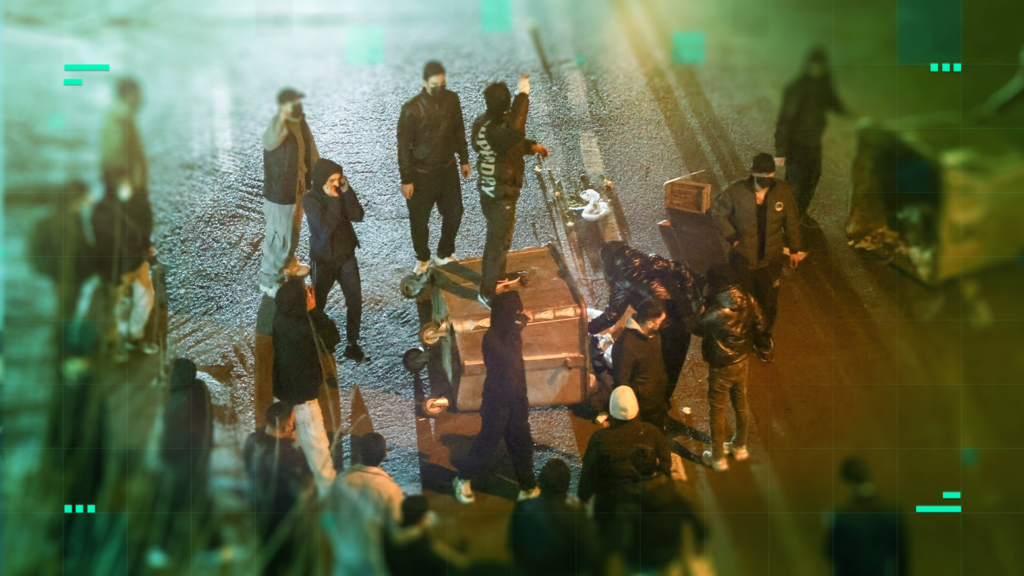
The escalating crisis in Iran has led to alarming reports of over 2,500 deaths within the country, stemming from widespread protests against the Iranian government. Activists in the United States have sounded the alarm over these fatalities, which include a significant number of government-critical protesters, as the situation continues to deteriorate. With Amnesty International warning of imminent protester executions in Iran, the urgency for human rights advocacy has never been more pronounced. Furthermore, while official figures remain undisclosed, numerous NGOs suggest that the death toll includes 2,571 lives lost and over 18,100 arrests made in a brutal crackdown on dissent. As the Iranian regime attempts to silence protestors and suppress critical information, the cries for justice echo louder than ever, making the plight of those suffering amidst the chaos increasingly hard to ignore.
The tragic toll of violence in Iran highlights a grave humanitarian crisis marked by significant loss of life and ongoing governmental oppression. In recent months, demonstrations have swept through the nation, leading to numerous fatalities and mass incarcerations of individuals standing against the ruling authorities. Human rights organizations have raised alarms about the deteriorating conditions for detainees, with reports of potential executions for those accused of dissent. The Iranian authorities’ attempts to stifle free speech and control access to information have only intensified, further complicating the situation on the ground. Thus, the urgent need for international attention and intervention becomes vital in addressing the humanitarian emergency unfolding in this impactful region.
Current Death Toll in the Iran Protests
As reported by various activists and NGOs, the current death toll from the protests in Iran has surpassed 2,500, reflecting the staggering human cost of civil unrest in the country. The organization Amnesty International has corroborated these figures, stressing the urgency of addressing the widespread human rights abuses occurring under the Iranian government’s regime. Notably, among these casualties are 2,403 government-critical protesters, which highlights the brutal crackdown on dissent that has characterized the response of the Iranian authorities.
The alarming numbers also indicate that the Iranian government is potentially defying international norms by suppressing information and failing to allow for independent verification of such reports. In light of this information black hole, the Iranian judiciary’s new charges against arrested protesters, including accusations of ‘waging war against God,’ raise serious concerns about the potential for further executions. With more than 18,100 people arrested thus far, the implications for human rights in Iran are dire, prompting urgent calls for international solidarity and intervention.
Amnesty International’s Role in Documenting Human Rights Violations
Amnesty International has been at the forefront of documenting the escalating human rights violations in Iran amidst the protests. Through meticulous research and reports, the organization has provided a detailed account of the atrocities faced by protesters and dissenters, particularly the imminent execution of individuals charged with vague offenses contrived by the Iranian government. Their efforts are crucial, given the censorship and severe restrictions on media and communication within the country, which hinder both the gathering of information and the ability of citizens to share their experiences.
The organization’s findings not only shed light on individual cases of brutality but also emphasize the broader systematic repression occurring in Iran. By advocating for accountability and justice, Amnesty International aims to spotlight the plight of the Iranian people and mobilize international pressure on the Iranian government to uphold its responsibilities regarding human rights. Their work serves as a crucial mechanism for raising awareness and catalyzing a global response to the ongoing crisis.
The Impact of Internet Restrictions on Protest Reporting
Internet access in Iran has become severely restricted, significantly hindering the flow of information regarding the protests and the associated deaths. The Iranian government’s measures to suppress free internet access have compounded the challenges faced by activists and journalists seeking to document the upheaval. Services such as Starlink, which have been smuggled into the country to provide an alternative pathway for communication, have emerged as a lifeline for those on the ground trying to connect the outside world to the realities faced by Iranian citizens.
Despite the critical role of satellite internet in facilitating communication, the Iranian regime’s attempts to confiscate these systems signal a clear message of oppression. Without access to reliable information, the global community remains largely in the dark about the realities in Iran. As activists continue to share updates through these networks, the urgency for international intervention and support becomes increasingly apparent. Reliable reporting is essential for raising awareness and advocating for actions aimed at addressing the humanitarian crisis.
Government Response to Dissent and Protests
The Iranian government’s response to dissent has been characterized by a heavy-handed approach, including mass arrests and violent crackdowns on protesters. The regime’s actions reflect a broader strategy to stifle opposition and deter future protests, leveraging tactics that not only include arresting individuals but also associating dissent with serious criminal charges such as treason and blasphemy. The allegations placed upon peaceful protesters indicate a systematic effort to use fear as a mechanism of control, fostering an environment of oppression and fear.
The government’s legal framework allows for harsh penalties, including the death penalty, for those deemed to have waged war against the state. This intense state-sponsored violence has resulted in a chilling effect on free speech and civil liberties in Iran. As more individuals are prosecuted, the implications for human rights activists and ordinary citizens are grave, raising global concerns about the Iranian government’s commitment to uphold international human rights standards amidst widespread condemnation.
Global Reaction to Executions of Protesters in Iran
International reactions to the ongoing protests and the impending executions of protesters in Iran have been one of condemnation and concern. Activists around the world have rallied against the Iranian government’s decisions, calling attention to the violations of human rights and the unjust targeting of innocent civilians. Organizations like Amnesty International have prompted governments and international bodies to take a firmer stance against the Iranian regime, demanding accountability and cessation of violence against protesters.
The global outcry not only underscores the importance of human rights advocacy but also reflects a collective demand for justice for those affected by the brutal regime. As news of potential executions surfaces, the international community faces a moral imperative to intervene—whether through sanctions or diplomatic pressure. The deeply concerning situation in Iran serves as a reminder of the delicate balance between security and human rights, prompting discussions on how to effectively support those fighting for freedom and justice.
Protester Executions and the Legal Framework in Iran
The looming threat of executions for Iranian protesters highlights a deeply concerning aspect of the nation’s legal framework. Accusations against dissenters often include vague and loosely defined terms that allow the government to classify protests as acts of terrorism or warfare against the state. Amnesty International and other human rights organizations have documented numerous cases where individuals were sentenced to death following unfair trials, raising serious questions about the legitimacy of the judicial system and its adherence to international human rights standards.
Furthermore, the charges labeled against protesters are often couched in narratives that serve the regime’s interests, justifying brutal crackdowns and silencing voices of dissent. This approach not only undermines the principles of justice but also perpetuates a cycle of fear among citizens who may consider speaking out against the government. With reports of imminent executions, it becomes increasingly urgent for the international community to advocate for the protection of human rights and the reform of Iran’s legal practices.
Challenges Faced by Human Rights Activists in Iran
Human rights activists in Iran operate under extreme conditions, often facing persecution, imprisonment, and, in some cases, death for their efforts to promote accountability and justice. The Iranian government has a long history of targeting activists who speak out against human rights abuses, using a range of tactics from harassment to violent suppression. The severe restrictions on freedom of speech and expression create an environment where activists must navigate significant risks to advocate for social change with little to no institutional support.
Moreover, the international community’s response to the plight of these activists is crucial yet often inconsistent. While many organizations recognize their struggle, the lack of significant political action or intervention can leave these individuals vulnerable. The need for solidarity from global human rights defenders is paramount in amplifying their voices and increasing pressure on the Iranian regime to respect human rights. By spotlighting the challenges faced by these activists, there can be a concerted effort to protect them and promote their cause on the global stage.
The Role of International Organizations in the Iranian Crisis
International organizations play a pivotal role in addressing the crises unfolding in Iran, particularly as the government intensifies its crackdown on dissent and human rights violations. By documenting abuses and providing platforms for activists, organizations like Amnesty International work tirelessly to raise awareness and hold the Iranian government accountable for its actions. Their reports and campaigns are essential in mobilizing international pressure on Iran to comply with human rights obligations and to cease executions and other forms of violence against protesters.
Furthermore, global organizations serve as vital conduits for information, assisting in connecting the stories of Iranian citizens to audiences worldwide. Through advocacy, humanitarian aid, and public awareness campaigns, these organizations help to amplify the voices of those affected by the turmoil. The significance of their role cannot be overstated, as sustained international attention and influence can be instrumental in fostering change and supporting those who bravely confront oppression within Iran.
Call for Solidarity with the People of Iran
In light of the escalating crisis in Iran, it is imperative for the global community to stand in solidarity with the Iranian people who are bravely fighting for their rights and freedoms. The immense courage displayed by protesters amidst imminent threats of execution and violence exemplifies their determination to pursue democracy and justice. It is essential for individuals everywhere to raise their voices in support of those struggling against oppressive regimes, fostering a sense of unity and collective resolve against tyranny.
International solidarity can take many forms, from amplifying calls for action on social media to participating in rallies and advocacy efforts aimed at raising awareness about the human rights situation in Iran. Supporting organizations that work on the ground to assist victims of state violence and human rights abuses is equally critical. By collectively working towards justice and recognition of the rights of the Iranian people, we contribute to the broader fight for human rights and dignity worldwide.
Frequently Asked Questions
What is the current death toll in Iran protests?
According to activists, the death toll from the ongoing protests in Iran exceeds 2,500. Reports indicate that at least 2,571 individuals have died, including 2,403 protesters critical of the Iranian government.
How does Amnesty International report on deaths in Iran?
Amnesty International has highlighted the dire situation, stating that the first execution of a protester linked to the protests in Iran is imminent. The organization emphasizes the human rights abuses occurring amid the unrest, including the wrongful execution of dissenters.
Why are there so many deaths among protesters in Iran?
The high number of deaths among protesters in Iran is attributed to brutal crackdowns by security forces following widespread demonstrations against the Iranian government. Allegations of ‘waging war against God’ have led to severe charges and potential death sentences for many arrested protesters.
What role does human rights play in the situation in Iran?
Human rights in Iran have come under significant scrutiny during the protests, with organizations reporting widespread abuses including arbitrary arrests and executions of protesters. The Iranian government’s oppressive measures complicate efforts to document these human rights violations.
What has the Iranian government said about the deaths in protests?
The Iranian government has not released any official figures regarding the deaths in the protests, likely due to the sensitive nature of the issue. Independent reporting is hindered by government-imposed internet restrictions and efforts to suppress information.
How many people have been arrested in the Iran protests?
Amid the protests in Iran, it is reported that more than 18,100 people have been arrested. This number reflects the Iranian government’s crackdown on dissent and further contributes to the rising death toll.
What are the implications of the executions of protesters in Iran?
The impending executions of protesters in Iran reflect the severe response of the Iranian government to dissent. Such actions not only lead to increased deaths but also heighten fears around human rights violations, as groups like Amnesty International continue to raise alarms.
How is the internet access affecting reporting on deaths in Iran?
The Iranian government’s suppression of free internet access significantly affects the reporting of deaths and other events related to the protests. Many activists rely on platforms like Starlink to share information, but security forces are actively targeting these resources to control narratives.
| Key Point | Details |
|---|---|
| Reported Deaths | More than 2,500 deaths reported due to protests in Iran. |
| Sources of Information | Activists in the U.S. and Amnesty International provided these figures, though not independently verified. |
| Arrests | Over 18,100 individuals have been arrested in connection to the protests. |
| Protesters Executed | Imminent execution of a protester as reported by Amnesty International. |
| Allegations Against Protesters | Charges include ‘waging war against God,’ which carries the death penalty. |
| Internet Suppression | Iranian government is suppressing free internet access and targeting satellite internet services. |
| International Reaction | Trump’s advocacy for aid and threats against the Iranian regime have been highlighted. |
Summary
Deaths in Iran have surged amid ongoing protests, with activists reporting over 2,500 fatalities linked to civil unrest. This alarming figure reflects the severity of the situation, as authoritative sources such as Amnesty International warn of imminent executions for protesters. While the Iranian government remains silent on the official death toll, the reports from various NGOs reveal a disturbing trend of violence and suppression. As more than 18,100 people face arrest and freedom of expression is stifled through internet restrictions, the international community is urged to take notice and act accordingly.

