
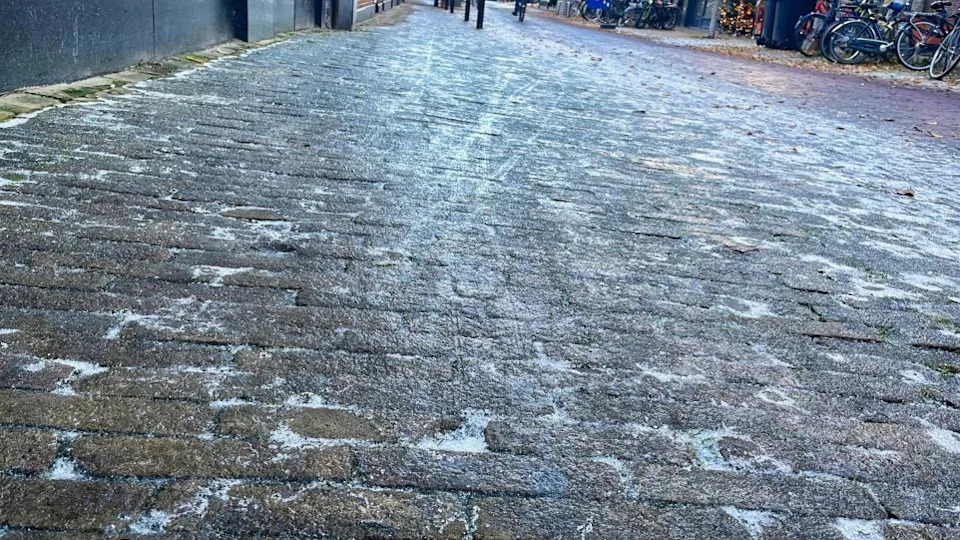
Black ice poses a significant hazard on Germany’s roads, leading to numerous traffic accidents across the nation. As winter weather settles in, black ice warnings have been issued in many regions, cautioning drivers about the treacherous road conditions Germany is currently facing. Low pressure system “Gunda” has exacerbated the situation, turning rain into a perilous, slick surface that can appear unexpectedly. With schools closed and flight cancellations in cities like Frankfurt and Munich, the impact of these icy conditions is being felt across all sectors of travel. Staying informed about black ice and its risks is crucial for ensuring safety during this challenging season.
The term “black ice” refers to the thin, invisible layer of ice that can form on roadways, often undetectable to drivers until they are already skidding. Known in some circles as “invisible ice,” this phenomenon frequently leads to hazardous traffic situations, especially during harsh winter months. As ongoing weather fluctuations in Germany continue to create icy conditions, road users must remain vigilant about the potential for slippery surfaces. This phenomenon not only affects vehicle operations but also contributes to flight cancellations and other transportation disruptions. Attention to road conditions and weather updates is essential to navigate the risks associated with black ice effectively.
Understanding Black Ice and Its Dangers
Black ice is a critical issue during winter months, especially in Germany, where road conditions can be treacherous. This invisible layer of ice can form overnight, leaving drivers unaware until it’s too late. The current weather conditions, influenced by low-pressure system ‘Gunda’, are responsible for creating these hazardous scenarios. The risk of black ice accumulates in shaded areas, on bridges, and elevated roadways, which can lead to multiple traffic accidents across the country.
Navigating through areas affected by black ice requires heightened awareness and caution. Drivers are advised to reduce their speed significantly and increase their following distance. While the warnings for black ice may lessen in some western German areas, many eastern states still face serious risks, and parents should consider the implications for school commutes amidst this winter peril.
Impact of Weather Conditions on Road Safety in Germany
The ongoing weather disruptions have had a significant impact on road safety across Germany. Authorities report numerous traffic accidents attributed to the icy conditions, notably on highways like the A46 and A6, where the road surfaces have become dangerously slick. It’s crucial for drivers to remain informed about the current road conditions, especially as weather warnings continue to evolve. In regions like Hesse and Bavaria, the combination of rain and frost has led to challenging driving situations, highlighting the need for vigilance.
In response to these dangerous conditions, many municipalities are urging citizens to reconsider travel plans unless absolutely necessary. With schools canceling in-person classes and public transport facing delays, safety remains the priority. The relationship between severe weather and road safety cannot be overstated, as statistics show an increase in traffic incidents during icy and snowy conditions. Drivers must heed local advisories and exercise caution on the roads.
Travel Disruptions and Flight Cancellations in Germany
As black ice continues to pose challenges, air travel in Germany has also faced significant disruptions. Major airports, including Frankfurt and Munich, have experienced flight cancellations due to unsafe conditions on runways. These disruptions affect not only domestic travelers but also international flights, leading to widespread rearrangements for passengers. The travel industry is currently advising people to check for updates and remain flexible with their travel plans due to potential ongoing cancellations and delays.
Airlines are working diligently to ensure passenger safety while navigating these unforeseen circumstances. However, with conditions expected to persist, travelers may experience further inconveniences. Those planning to fly are encouraged to stay in touch with their respective airlines and to have contingency plans in place for possible delays or rebookings.
The Role of Deutsche Bahn in Mitigating Travel Disruptions
Deutsche Bahn is actively addressing the travel woes caused by icy conditions and black ice. With reduced speeds on high-speed lines and certain train services facing restrictions, the railway operator is focused on maintaining safety as a priority. Passengers should anticipate and prepare for possible delays, as train schedules may remain unpredictable amidst weather challenges. The company has advised those traveling in winter months to keep updated on service alerts.
In cases of severe disruptions, such as train accidents caused by icy tracks, Deutsche Bahn collaborates with local authorities to ensure swift emergency responses, as seen with the recent incident in Saxony. Travelers are encouraged to utilize official channels for real-time information concerning train services and soothed transportation alternatives during periods of heightened weather risks.
Cold Weather Preparedness: Staying Safe During Winter
As winter settles in across Germany, it’s crucial for residents to prepare adequately for cold weather challenges. Utilizing reliable weather forecasts can help individuals anticipate icy conditions and adjust their daily routines accordingly. This includes ensuring that vehicles are equipped for winter driving, including winter tires and emergency supplies, which can make all the difference on slick roads.
Moreover, individuals should prioritize their health during these colder months by dressing appropriately for the weather and ensuring their homes are secure against the winter chill. Community organizations often provide resources and information about staying safe during severe weather, which can be instrumental in preventing accidents and promoting overall well-being during the winter season.
Educational Impacts of Extreme Weather Events
Recent weather conditions have led to significant educational impacts across Germany. Many schools, especially in high-risk areas, have opted for remote learning or canceled classes altogether to ensure the safety of students and staff. This proactive decision reflects the broader acknowledgment of how black ice warnings and poor road conditions can affect daily life, emphasizing the interconnectedness of weather and education.
Additionally, as parents navigate the challenge of school closures and altered schedules, schools are developing strategies to maintain educational continuity. Virtual classes and alternative communication methods are becoming essential tools during inclement weather, ensuring that education is not significantly disrupted while prioritizing safety.
Weather Warnings and Public Communication Updates
Effective communication regarding weather warnings is critical during severe winter events. Authorities in Germany are urging citizens to stay informed about black ice alerts and weather updates through official channels. This ensures that the public is well-prepared to handle road conditions that can change rapidly regarding safety and travel.
The dissemination of timely information can guide residents in making decisions about whether to travel or adjust their activities based on current weather conditions. As communities face increasing winter weather events, the importance of reliable and prompt public communication becomes ever more apparent.
Local Community Responses to Winter Weather Challenges
Communities across Germany have been mobilizing in response to the challenges posed by winter weather, particularly during periods of black ice. Local organizations and volunteers have been active in clearing sidewalks and public spaces to ensure safety for pedestrians. These community-driven efforts not only enhance public safety but foster a sense of solidarity among residents facing similar challenges.
Moreover, local governments are coordinating with public safety institutions to provide necessary resources and support. From distributing information about safe travel practices to ensuring that emergency services are equipped to handle accidents, communities are coming together to face winter weather’s harsh realities.
Looking Ahead: Icy Conditions Resilience Strategies
Looking ahead, Germany is focusing on resilience strategies to mitigate the impact of future icy conditions. Public works departments are investing in winter maintenance technologies, such as automated road treatments, to proactively manage black ice. These investments aim to enhance public safety and minimize traffic accidents during winter months.
Furthermore, community education on how to navigate winter weather safely will play a vital role in increasing awareness and preparedness. Local governments and agencies are crafting campaigns to educate citizens about the risks of icy conditions and how to respond effectively. As these strategies develop, they offer hope for improved safety during harsh winters.
Frequently Asked Questions
What should I know about black ice warnings in Germany?
Black ice warnings in Germany are issued when conditions create a layer of ice on roadways, typically due to freezing rain or overnight temperatures. It’s crucial to be aware of these warnings, particularly in eastern regions like Bavaria and Brandenburg, where conditions are most severe. The current weather system, low pressure ‘Gunda’, has led to high black ice risks, especially until Tuesday.
How does black ice affect road conditions in Germany?
Black ice significantly impacts road conditions in Germany, making them dangerously slippery. This can lead to multiple traffic accidents, as reported by authorities following incidents on highways such as the A46 in North Rhine-Westphalia. During winter months, it’s essential to monitor road conditions continuously to avoid these hazardous situations.
What are the current traffic accident reports related to black ice in Germany?
Recent traffic accident reports indicate a spike in incidents due to black ice across Germany, particularly on highways like the A6 near Nuremberg, where roads were described as ‘mirror-smooth.’ Authorities advise avoiding these areas and remain vigilant of local traffic updates and conditions.
Are there any travel disruptions due to black ice in Germany?
Yes, travel disruptions in Germany are widespread due to black ice. Many flights have been canceled at major airports, including Frankfurt and Munich, while train services have experienced reduced speeds and delays. Passengers are advised to check for updates before traveling.
What precautions should be taken due to the black ice situation in Germany?
In light of the black ice situation in Germany, drivers should exercise extreme caution, reduce speed, and maintain safe distances. It is advisable to check live traffic updates, and plan routes that avoid known hazardous areas. For walkers, wearing appropriate footwear and being aware of slippery surfaces can help prevent accidents.
How long will black ice conditions last in Germany?
Black ice conditions are expected to persist in certain regions of Germany until Tuesday, particularly in the eastern areas. After this period, conditions should gradually improve, but travelers should remain alert to weather updates and road advisories.
What regions in Germany are currently experiencing severe black ice conditions?
Severe black ice conditions are currently noted in southeastern Bavaria and northeastern regions such as Mecklenburg and Brandenburg. Weather warnings indicate these areas are under the second-highest alert level, emphasizing the need for caution and preparedness.
| Key Point | Details |
|---|---|
| Dangerous Road Conditions | Black ice caused by low pressure system “Gunda” leading to hazardous winter road conditions. |
| Traffic Accidents | Multiple accidents reported on highways (A46 and A6) due to black ice, resulting in injuries and closures. |
| Flight Cancellations | Around 100 flight cancellations at Frankfurt and others at Munich and Nuremberg due to icy conditions. |
| Train Service Disruptions | Deutsche Bahn reported reduced speeds, delays, and train cancellations, with some incidents of derailing. |
| Ongoing Weather Warnings | Black ice warnings in effect, particularly in eastern Germany, expected to last until Tuesday morning. |
Summary
Black ice continues to pose significant risks across Germany, leading to travel disruptions and dangerous road conditions. With ongoing severe weather warnings and accidents reported nationwide, it is crucial for drivers and travelers to stay informed and exercise caution. As low pressure system ‘Gunda’ impacts the weather, conditions are expected to gradually improve after Tuesday.

