
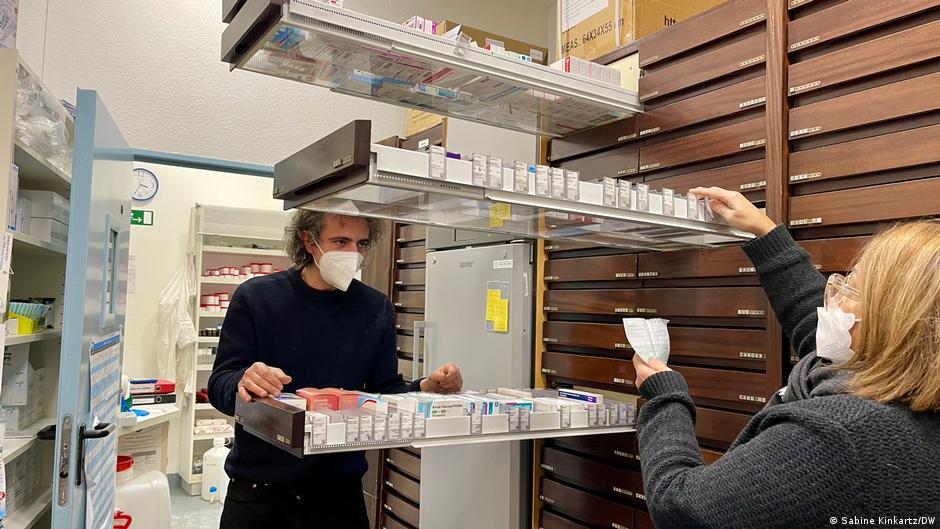
Germany is currently grappling with significant medicine shortages, a challenge that has drawn attention from both healthcare professionals and policymakers alike. These shortages are particularly concerning during the winter months when demand for essential medicines spikes. The medicine supply crisis in Germany encompasses over 500 medications, including critical antibiotics and asthma treatments, putting patients at risk and frustrating pharmacists like Christiane König. The underlying causes include structural issues within the pharmaceutical industry, such as the concentration of generic drug manufacturing in a few large factories abroad, primarily in India and China. Amidst growing Germany pharmaceutical issues and public outcry, the effectiveness of proposed political measures for medicine supply remains a topic of heated debate as stakeholders seek solutions to alleviate the shortage of essential medicines.
In the heart of Europe, the nation of Germany is witnessing a notable disruption in its healthcare landscape due to ongoing shortages of vital pharmaceuticals. This situation, often termed a crisis in medicine availability, puts immense pressure on healthcare providers and jeopardizes patient safety. The reluctance of pharmaceutical companies to produce generics domestically further complicates this issue, fueling discussions about the sustainability of the current drug supply chain. As stakeholders explore various avenues, including increased local production and regulatory changes, the complexities surrounding the import of generics in Germany come to light. Engaging in a thorough examination of these interconnected factors is essential for understanding how to resolve these pressing pharmaceutical challenges.
Understanding Medicine Supply Crisis in Germany
Germany is currently grappling with a significant medicine supply crisis that affects thousands of patients across the nation. This crisis stems from a variety of structural issues within the pharmaceutical landscape, including market concentration and global production practices. With over 500 different types of medicines classified as hard to obtain, the situation is alarming and poses serious risks to those needing essential medications. Key players in the pharmaceutical market, including wholesalers and manufacturers, acknowledge that the shortages, particularly in generics, have been exacerbated by the shifting of production to countries like India and China.
This medicine supply crisis has substantial implications for public health, as many patients rely on essential medicines that are now in scarce supply. The risks associated with not having access to these medications can lead to increased hospital admissions, higher healthcare costs, and a decline in overall patient wellbeing. Without effective political measures to stabilize and improve the medicine supply chain, the problem is likely to escalate further, leaving patients caught in the crossfire of industrial challenges and regulatory inadequacies.
The Role of Importing Generics in Germany
One potential strategy to alleviate the ongoing medicine shortages in Germany is the import of generics from other countries. With domestic production facing significant challenges due to cost and lack of facilities, importing generic medicines can offer a more immediate solution to filled gaps in the market. However, the reliance on imports can introduce new complications, such as regulatory hurdles and dependency on foreign production capabilities that may also be subject to their own supply issues.
Additionally, importing generics may not be a sustainable long-term solution to Germany’s medicine supply crisis. While it could provide temporary relief for patients needing essential medicines, the overarching issues of market concentration and price pressures on generic manufacturers still remain. Policymakers must consider a multifaceted approach that balances the need for imported generics with strategies that encourage increased local production and innovation in the pharmaceutical sector.
Political Measures for Medicine Supply Improvement
In response to the medicine supply crisis, the German government has enacted several political measures aimed at improving medicine availability. The Medicine Supply Shortage Mitigation and Supply Improvement Act (ALBVVG) is a notable attempt to address these issues. It includes provisions for price increases for children’s medicines and places stricter inventory regulations on pharmaceutical manufacturers and wholesalers to enhance supply security.
Despite these efforts, the effectiveness of the ALBVVG has come under scrutiny. Critics argue that the legislation has not sufficiently addressed the root causes of shortages and has merely introduced exceptions without guaranteeing that supply security will improve. This controversy underscores the complexities of pharmaceutical regulation in Germany, where achieving a balance between ensuring competition, affordability, and reliable access to medicines remains a significant challenge.
Impact of Market Concentration on Drug Availability
The impact of market concentration on drug availability is a critical factor in understanding why Germany faces persistent shortages of medicines. As production of generics becomes increasingly centralized in a small number of large factories, the vulnerability of the supply chain becomes apparent. Should a major facility encounter disruptions—be it due to technical issues, political instability, or natural disasters—the effects can ripple across the globe, leading to widespread shortages of essential medications.
Furthermore, this market concentration is fueled by severe price pressures that discourage local production of generics. Manufacturers are often incentivized to relocate operations to regions with lower production costs, resulting in a system that is not only less resilient but also more prone to failure when faced with disruptions. Addressing the issues of market concentration will be vital in establishing a reliable and secure supply of medications within Germany.
Increasing Local Production as a Solution
Given the challenges posed by the medicine supply crisis, increasing local production of generics has emerged as a proposed solution. By bolstering domestic pharmaceutical manufacturing capabilities, Germany can reduce dependency on foreign production and create a more robust supply chain for essential medicines. This initiative could enhance resilience against global supply chain disruptions while also supporting the local economy and job growth within the pharmaceutical sector.
However, the path to increasing local production is fraught with challenges, including the need for substantial investment and the realignment of policies that currently favor cheaper imports over local manufacturing. Stakeholders within the industry advocate for a collaborative approach between government and pharmaceutical companies to create incentives for producing generics domestically. Doing so could alleviate some of the pressure on the supply chain and ultimately lead to a more stable and reliable medicine supply.
Economic Implications of Rising Drug Prices
As Germany contemplates increasing its local production of medicines to combat shortages, rising drug prices have emerged as a significant concern. The push for more domestic generics is likely to lead to higher production costs, which, in turn, could be passed on to consumers and the healthcare system. This poses a unique dilemma where the goal of enhancing medicine availability may inadvertently place an increased financial burden on patients and the statutory health insurance system.
The economic implications of this situation are multifaceted. On one hand, enhancing local production can stabilize supply but may also raise the prices of essential medicines that are already under financial strain. These developments require careful regulatory considerations to ensure that all stakeholders, including patients, healthcare providers, and pharmaceutical companies, can balance the need for affordable access to medications while promoting domestic production initiatives.
Calls for Comprehensive Supply Chain Monitoring
In an effort to mitigate the ongoing medicine shortages, there have been increasing calls for comprehensive monitoring of the supply chain at all levels. By establishing a robust system for tracking medicine availability, stakeholders can better anticipate shortages and intervene before they worsen. Such proactive measures could significantly help ensure that pharmacies have an adequate supply of essential medications, benefiting patients in urgent need.
Effective supply chain monitoring could also facilitate better communication between manufacturers, wholesalers, and healthcare providers, leading to improved coordination in managing and distributing medicines. Enhanced transparency in the pharmaceutical market would help both patients and providers navigate the complexities of medicine availability, ultimately supporting public health efforts in safeguarding access to essential drugs.
Challenges in Addressing Shortages of Essential Medicines
Addressing the shortages of essential medicines in Germany is a multifaceted challenge that encompasses various factors, including production capacity, regulatory frameworks, and market dynamics. As healthcare providers cope with the implications of the ongoing crisis, it has become increasingly evident that a one-size-fits-all solution is unlikely to be effective. Instead, targeted and comprehensive strategies that address the root causes of the shortages are required.
Pharmaceutical manufacturers face unique challenges, particularly when it comes to the production of generics. Striking a balance between financial viability and the need for consistent quality and availability is essential to ensure that patients receive the medications they need. Without addressing these challenges on multiple fronts, the situation for essential medicines in Germany may remain precarious.
Future Outlook for Medicine Supply in Germany
The future outlook for medicine supply in Germany remains uncertain, as the ongoing challenges in the pharmaceutical industry continue to evolve. Policymakers, healthcare providers, and pharmaceutical companies must work collaboratively to address the root issues of medicine shortages while considering the economic constraints that impact both production and pricing. As the demand for essential medicines grows, the pressure mounts to develop a resilient supply chain that can withstand the fluctuations of global markets.
To move forward, a combination of innovative production strategies, strict regulation, and proactive monitoring will be essential. Only through joint efforts can Germany hope to overcome the medicine supply crisis and ensure that all citizens have access to the essential medications they require for their health and wellbeing.
Frequently Asked Questions
What are the main causes of Germany’s medicine supply crisis?
Germany’s medicine supply crisis stems from various structural issues, including the global concentration of generic medicine production, which has shifted to countries like India and China. This shift has created vulnerabilities in the supply chain, as disruptions in a few large manufacturing facilities can lead to widespread shortages of essential medicines, including antibiotics and asthma treatments.
How many medicines are currently in shortage in Germany?
Over 550 medicines are consistently reported as being in short supply in Germany, according to the Federal Institute for Drugs and Medical Devices. This shortage particularly affects generics—medicines whose patents have expired and are critical for patient care.
What steps are being taken to address the shortage of essential medicines in Germany?
In response to the shortage of essential medicines, the German government enacted the Medicine Supply Shortage Mitigation and Supply Improvement Act (ALBVVG) in 2023. This legislation allows for price increases on children’s medicines and strengthens inventory obligations for pharmaceutical manufacturers and wholesalers to improve supply security.
What role do political measures play in resolving Germany’s pharmaceutical issues?
Political measures are pivotal in addressing Germany’s pharmaceutical issues, though their effectiveness is debated. The ALBVVG introduced key changes aimed at improving medicine supply, yet critics argue that it lacks binding regulations for ensuring long-term supply stability.
How does the import of generics in Germany affect medicine shortages?
The import of generics is crucial for managing medicine shortages in Germany. However, the reliance on foreign production, particularly from lower-cost markets, raises concerns about supply security and the potential for shortages if production facilities face disruptions.
Will increasing domestic production of medicines reduce shortages in Germany?
Increasing domestic production of medicines in Germany may reduce supply shortages and enhance strategic independence. However, this shift could also lead to higher costs for generic medicines, which could impact health insurance contributions and overall healthcare expenses for citizens.
Why are essential medicines, such as antibiotics, frequently in short supply in Germany?
Essential medicines, particularly antibiotics, face frequent shortages in Germany due to factors like manufacturing concentration, price pressures on generics, and the complexity of global supply chains that can be disrupted by geopolitical or economic issues.
What are the potential financial implications of addressing Germany’s medicine supply crisis?
Addressing Germany’s medicine supply crisis may lead to increased production costs, particularly for generics. This could result in higher prices for consumers and greater financial strain on statutory health insurance systems, making it a politically contentious issue.
| Key Point | Details |
|---|---|
| Frequent Shortages | Germany faces ongoing medicine shortages, with more than 500 medicines categorized as difficult to obtain. |
| Structural Causes | Major issues include market concentration in large factories and production shifts to countries like India and China. |
| Impact of Price Pressure | Price pressures on generics discourage production in Europe, contributing to shortages. |
| Politics & Legislation | Attempts to address shortages include the Medicine Supply Shortage Mitigation and Supply Improvement Act, which has met mixed feedback. |
| Call for Increased Production | There’s a push for more generic production in Europe to decrease dependency on foreign supply. |
| Potential for Higher Prices | With increased local production, costs for generics may rise, affecting insurance contributors. |
Summary
Germany medicine shortages have become a pressing issue, characterized by the ongoing scarcity of essential medications. With over 500 medicines constantly in demand yet difficult to obtain, the root causes include structural problems such as market concentration and reliance on manufacturing in countries like India and China. Political attempts to remedy the situation, including recent legislation, have encountered challenges and varied support. A strategic move towards increasing local production may be necessary, but this could inevitably lead to higher costs for consumers. Thus, resolving Germany’s medicine shortages will require a multifaceted approach focused on sustainability and reliability in the pharmaceutical supply chain.

