
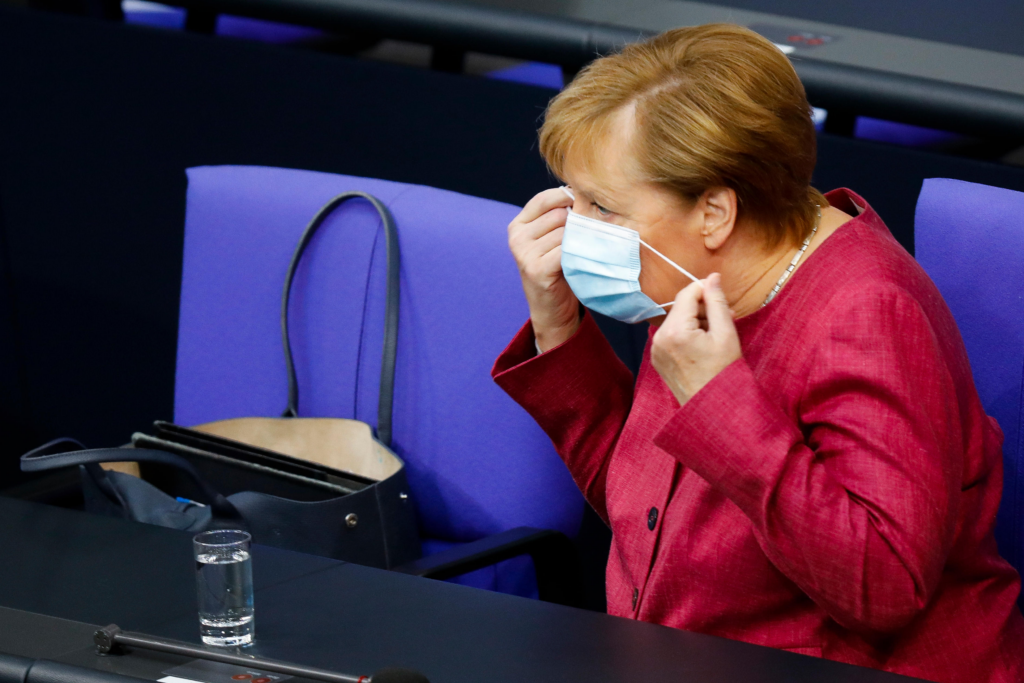
Germany’s pandemic policies have come under fire from various quarters, including a notable criticism from US Health Secretary Robert F. Kennedy Jr. He has publicly condemned the German government’s approach to prosecuting hundreds of doctors who allegedly provided vaccination exemptions or forged health certificates during the corona pandemic. Kennedy’s assertions raise significant concerns regarding patient autonomy in Germany, as he argues that these measures effectively restrict individuals’ rights to make informed medical choices. Amidst ongoing corona pandemic prosecutions, calls for a reevaluation of German government health policies are growing louder, with advocates urging for the restoration of vaccination exemptions in certain cases. The discourse surrounding these issues highlights the delicate balance between public health and individual rights, an ongoing debate that resonates deeply within Germany’s societal framework.
The strategies implemented by Germany for managing the health crisis have sparked considerable discussion across the globe. Critics highlight issues surrounding the legal repercussions faced by healthcare professionals who offer alternative perspectives, primarily in light of the ongoing health crisis. The implications of such prosecutions challenge the fundamental principles of medical ethics and patient rights within the country’s healthcare system. As the German government navigate these contentious matters, the narrative surrounding medical freedom and the adaptability of public health regulations continues to evolve. Advocates emphasize the necessity of maintaining an open dialogue about health policies to ensure the protection of individual rights amid the complexities of a public health emergency.
Criticism of Germany’s Pandemic Policies by Robert F. Kennedy Jr.
US Health Secretary Robert F. Kennedy Jr. has voiced significant criticism against Germany’s approach during the Corona pandemic. Specifically, he has condemned the German government’s criminal actions against healthcare professionals who provide exemptions from Covid-19 vaccinations and mask mandates. In his view, these actions starkly undermine patient autonomy, a fundamental principle in medical ethics. He has highlighted that over a thousand German doctors and many patients face legal repercussions for making personal health choices, which in his opinion reflects an alarming trend of encroachment on individual rights by the state.
Kennedy’s statements raise questions about the balance between public health policies and personal freedoms, particularly in the context of the pandemic. He argues that the German government’s policies not only compromise the patient-doctor relationship but also go against the democratic values that Germany is known for. The former US presidential hopeful insists that every individual should have the right to make informed medical decisions without threat of legal reprisal, thereby calling for an urgent review of Germany’s pandemic policies.
Patient Autonomy and Legal Consequences in Germany
The concept of patient autonomy is vital in healthcare systems worldwide, yet recent developments in Germany have sparked a heated debate. Critics like Kennedy assert that the legal actions taken against doctors for granting vaccination exemptions reflect a worrying disregard for patient rights. These prosecutions, often characterized as politically motivated, have drawn attention to the potential conflicts between governmental health mandates and individual medical freedoms. The ramifications of these policies could deter doctors from exercising their professional judgment, ultimately affecting patient care.
Furthermore, the backlash against health professionals in Germany marks a significant departure from traditional norms surrounding medical ethics. In a healthcare system that values patient autonomy, the fear of criminal prosecution could lead to a chilling effect, leaving doctors hesitant to provide guidance tailored to their patients’ unique situations. This dynamic emphasizes the importance of balancing public health interests with the sanctity of personal choice, a challenge that Germany must navigate amidst ongoing legal battles over health policies.
Legal Battles Over Vaccination Exemptions in Germany
The legal landscape in Germany regarding vaccination exemptions has become increasingly contentious as various federal states witness prosecutions related to the Corona pandemic. Allegations of falsified vaccination certificates have sparked numerous court cases, prompting criticism about how the government handles dissenting medical opinions. Critics contend that the prosecutions of doctors reflect a broader trend towards oppressive governmental control in healthcare, leading some to question the independence of the judiciary in these matters.
Despite these claims, representatives like former Health Minister Karl Lauterbach have countered that the framework within Germany’s judicial system operates independently, thus differentiating it from the criticisms posited by Kennedy. They argue that prosecutions are not aimed at stifling medical opinions but are instead focused on addressing fraudulent activities pertaining to vaccination documentation. This ongoing legal tension highlights the need for a nuanced understanding of how health policies intersect with legal norms and ethical considerations in the public sphere.
Vaccination Policies and Patient Rights in Germany
Germany’s policies regarding vaccinations have come under scrutiny, especially in light of the accusations made by Robert F. Kennedy Jr. regarding violations of patient rights. The call for vaccination, refunding exemptions, and administering treatments presents a complex framework where personal choice intersects with state health mandates. While the government emphasizes the necessity of vaccinations to curb the spread of Covid-19, critics argue that this should not come at the expense of patients’ rights to make informed medical choices.
The administration’s standpoint is that healthcare providers are not obligated to enforce vaccinations coercively. Instead, they should respect patient autonomy and the freedom to refuse treatment for personal, ethical, or health-related reasons. However, as legal challenges unfold, the ongoing discussions will likely influence future health policies significantly, shaping the relationship between the government, healthcare providers, and patients in Germany.
The Impact of Government Health Policies on Medical Ethics
In light of the German government’s health policies during the pandemic, emerging discussions around medical ethics have gained traction. Many argue that criminalizing doctors for their medical advice challenges the foundational trust inherent in the doctor-patient relationship. By prioritizing political strategies over ethical considerations, there are strong fears of setting a precedent that may have long-lasting implications for the freedoms associated with medical practice.
Critics maintain that such government actions erode the professional autonomy of healthcare practitioners, thereby jeopardizing patient care and well-being. The ethical landscape thus faces a significant transformation, where the identities of medical professionals may shift from caregivers to enforcers of government policy, raising alarm bells about the potential ramifications for healthcare standards in the country.
Responses from German Authorities to Kennedy’s Claims
In response to Robert F. Kennedy Jr.’s claims, German authorities have firmly rejected allegations of wrongful actions against doctors during the pandemic. Health Minister Nina Warken emphasized that the legal actions taken primarily aim to uphold integrity and prevent fraud within the healthcare system, rather than restricting medical autonomy. According to her statements, medical professionals enjoy freedoms that allow them to opt out of performing vaccinations for valid reasons without facing punitive measures.
Moreover, former Health Minister Karl Lauterbach urged Kennedy to focus on addressing health issues within the United States rather than casting aspersions on German protocols. His comments underscore a belief that the German system upholds patient rights while simultaneously ensuring that public health measures are enforced fairly and legally. This juxtaposition is critical for appreciating how health systems can evolve amidst criticism and scrutiny.
The Future of Health Policy in Germany Post-Pandemic
As the world emerges from the Covid-19 pandemic, Germany is at a crossroads regarding its health policies and their implications for patient autonomy and medical ethics. Policymakers must critically evaluate the balance between public health mandates and individual rights, particularly in light of the ongoing discourse surrounding prosecutions related to vaccination exemptions. The future of health policy will likely hinge on the lessons learned from the pandemic and the responsiveness of the government to public sentiment regarding personal freedoms within medical care.
Moving forward, fostering constructive dialogue with healthcare professionals and the community could play a pivotal role in shaping policies that honor patient autonomy while addressing public health needs. To navigate this complex terrain, transparency and collaboration between the government, health authorities, and citizens are essential in ensuring that democratic values are preserved in the face of public health challenges.
Public Perception of Government Actions During the Pandemic
Public perception of the German government’s actions during the pandemic, particularly regarding health policies, is a vital aspect that impacts the effectiveness of these policies. As illustrated by Robert F. Kennedy Jr.’s criticism, many citizens feel that their rights are being undermined by strict government regulations related to Covid-19 vaccinations and mask mandates. This sentiment has prompted significant debates on the moral implications of such actions and their alignment with democratic principles.
As cases of prosecution arise, the public’s trust in the healthcare system may waver, leading to a more extensive backlash against governmental authority. Engaging citizens in discussions about health policy, along with addressing misconceptions, could foster a more informed and cooperative public willing to embrace necessary health measures. However, without addressing these perceptions, the rift between government actions and public trust may continue to widen.
Critical Voices and Dissenting Opinions in Healthcare
The climate of dissenting opinions in healthcare, especially surrounding vaccination and treatment during the Corona pandemic, has gained visibility with figures like Robert F. Kennedy Jr. taking a stand against mainstream narratives. His criticism reflects a broader movement concerned with upholding patient autonomy and challenging governmental overreach in health policy. In an environment where critical voices feel increasingly marginalized, the implications for public health dialogue are significant.
By encouraging open discourse and valuing dissenting opinions, stakeholders in the healthcare industry can ensure that diverse perspectives contribute to the ongoing evolution of health policy. Public safety measures should ideally reflect a balance between expert consensus and public sentiment, fostering trust and collaboration in managing health crises. The role of critical voices, therefore, remains essential in shaping future healthcare strategies.
The Role of Courts in Health Policy Enforcement
The judiciary plays a crucial role in the enforcement of health policies in Germany, particularly as public health mandates and individual rights collide. As controversies surrounding criminal prosecutions link to allegations of health fraud during the pandemic, the independence of courts is paramount in ensuring that justice is served fairly and transparently. Critics argue that the judicial system must navigate the nuances of public health while safeguarding rights and freedoms against potentially overreaching governmental actions.
As legal cases unfold, the outcomes will not only define the repercussions for those accused of wrongdoing but may also set precedents influencing future health policy enforcement. The courts’ decisions could reshape how Germany approaches health legislation, ensuring that ethical standards are upheld and that patient autonomy is respected within the larger framework of public health. This balance is critical for maintaining a democratic society that values both individual rights and communal health.
Frequently Asked Questions
What are the main criticisms of German pandemic policies by Robert F. Kennedy Jr.?
Robert F. Kennedy Jr. has criticized German pandemic policies, particularly regarding criminal prosecutions of doctors who provided vaccination exemptions or mask exemption certificates. He claims that these actions indicate a disregard for patient autonomy in Germany, where he believes the government is infringing on the rights of individuals to make informed medical decisions.
How does patient autonomy relate to Germany’s handling of the corona pandemic?
Patient autonomy is central to health care in Germany, yet critics argue that during the corona pandemic, the government’s approach included prosecutions that limited doctors’ ability to grant vaccination exemptions. This has raised concerns about patients’ rights to make choices based on their beliefs, leading to accusations that German government health policies were overly restrictive.
What are the consequences of corona pandemic prosecutions for doctors in Germany?
In Germany, numerous doctors have faced legal action due to corona pandemic prosecutions for allegedly issuing false vaccination or mask exemption certificates. These prosecutions have sparked a debate about the impact on medical professionals and patient autonomy, raising concerns about government overreach in health care decisions.
Are there vaccination exemptions in Germany’s pandemic policies?
Yes, there are provisions for vaccination exemptions in Germany’s pandemic policies; however, the process has faced scrutiny. Critics, like Robert F. Kennedy Jr., argue that the government’s prosecution of doctors who provide these exemptions undermines patient autonomy and makes it difficult for individuals to navigate their medical options during the corona pandemic.
How have German officials responded to accusations regarding the criminalization of medical decisions?
German officials, including former Health Minister Karl Lauterbach and current Health Minister Nina Warken, have rejected accusations that the government criminalizes medical decisions or punishes doctors for their professional judgments. They emphasize that criminal prosecutions are limited to cases of fraud and do not target legitimate medical advice regarding vaccinations.
What is the significance of the relationship between doctors and patients in the context of German pandemic policies?
The relationship between doctors and patients is vital in Germany, particularly concerning health care autonomy. Critics argue that the prosecution of doctors for providing vaccination exemptions threatens this relationship, positioning physicians as enforcers of state policy rather than advocates for patient-centric care during the corona pandemic.
How does Germany’s handling of health policies during the pandemic reflect on its democratic values?
Germany’s handling of health policies during the pandemic has been scrutinized for potentially undermining democratic values. Critics like Robert F. Kennedy Jr. claim that prosecuting doctors for granting patient autonomy in medical decisions challenges the country’s commitment to human rights and democratic freedoms.
What has the German government said in defense of its health policies during the pandemic?
The German government has defended its pandemic health policies, asserting that they uphold the constitutional right to medical treatment freedom. Officials have clarified that during the pandemic, doctors were not obligated to conduct vaccinations and that prosecutions were only applied in cases of fraud, thereby maintaining the integrity of patient care.
| Key Points | Details |
|---|---|
| Criticism from US Health Secretary | Robert F. Kennedy Jr. criticized the German government for criminalizing doctors regarding pandemic measures. |
| Patient Autonomy Issues | Kennedy accused Germany of sidelining patient autonomy in medical decisions. |
| Prosecutions of Doctors | More than 1,000 German doctors face legal action for granting exemptions from vaccines and masks during COVID-19. |
| Disputed Reports | Kennedy did not specify sources for his claims regarding prosecutions and figures. |
| Response from German Officials | Minister Nina Warken and former Health Minister Karl Lauterbach reject Kennedy’s accusations, emphasizing the independence of German courts. |
| Freedom of Medical Decisions | Warken asserted that there was no obligation for doctors to vaccinate, also stating that criminal charges only arose from fraud cases. |
Summary
Germany’s pandemic policies have been under scrutiny following criticisms from US Health Secretary Robert F. Kennedy Jr. The ongoing prosecutions of doctors for providing medical exemptions during the COVID-19 crisis raise important questions about patient autonomy and the relationship between government and healthcare. While Kennedy urges a reevaluation of these policies, German officials assert that medical freedom is upheld, emphasizing that prosecutions address fraudulent actions rather than violations of medical freedom. As discussions continue, the balance between public health mandates and personal medical choices remains a critical topic for Germany.

