
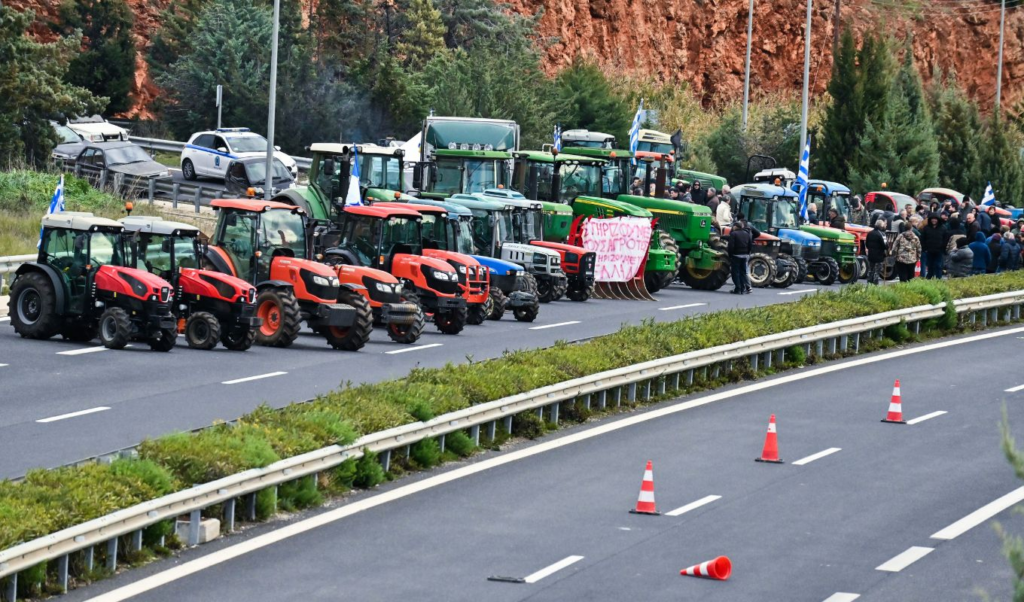
The Mercosur Agreement, a significant free trade deal between the European Union and four South American countries—Brazil, Argentina, Uruguay, and Paraguay—has generated much anticipation and concern across the globe. While this agreement promises to eliminate tariffs on numerous goods, enhancing trade efficiency, German farmers have raised alarms regarding the potential Mercosur impact on agriculture. Their fears of increased farming competition stem from the prospect of cheaper imports flooding the market and undermining local produce prices. As negotiations continue, the EU trade agreement faces mounting resistance, especially in Germany, where farmers are rallying against what they perceive as unfair competition. Observers note that without adequate protective measures, the balance of agricultural trade could shift dramatically, raising critical questions about the future of European farming and food security.
The proposed trade accord known as the Mercosur Agreement seeks to establish a robust linkage between Europe and the Mercosur bloc, comprising key South American players. This landmark deal is touted as a pathway to foster growth in a free trade zone that could boost economies while potentially revolutionizing agricultural export dynamics. However, the ongoing debate is rife with concerns from local farmers who fear they may be outmatched by the agricultural capabilities of these South American nations. Discussions surrounding the EU trade agreement emphasize the need for equitable competition, as many worry that German farming standards may not align with those in Mercosur countries, potentially disadvantaging them. As the conversation unfolds, the implications for agriculture, consumer prices, and international market dynamics remain central to this critical development.
The Impact of the Mercosur Agreement on German Agriculture
The approval of the EU-Mercosur agreement has generated a mix of optimism and concern among German farmers. While the German government touts the agreement as a pathway to new markets and enhanced exports, many farmers are anxious about the potential adverse effects on local agriculture. They fear that the influx of cheaper agricultural products from Mercosur countries like Brazil and Argentina could destabilize local pricing. The long-standing regulatory practices in Germany, particularly concerning pesticide and environmental standards, add to their unease; farmers argue that they are at a competitive disadvantage when facing produce that can be grown under less stringent rules in South America.
Furthermore, the prospect of increased competition due to the Mercosur agreement raises questions about the sustainability of smaller farms. Many farmers are concerned that if prices drop significantly due to cheap imports, it could lead to the closure of numerous smaller operations. The German Farmers’ Association has voiced these apprehensions, asserting that the agricultural concessions in the deal favor South American producers over the European market. This sense of betrayal is particularly acute among farmers who have invested heavily in sustainable practices and compliance with rigorous EU standards.
The EU Trade Agreement: Balancing Trade and Local Interests
The EU trade agreement with Mercosur is a double-edged sword—it promises to open doors to new exports but simultaneously threatens to undermine local farming practices. For German farmers, this agreement is perceived as an imbalance where they could face increasing pressures from cheaper imports while adhering to stringent safety and environmental regulations. Their concerns highlight a crucial aspect of international trade agreements: the need for fairness and equitable treatment of local industries. Without adequate protective measures, the very fabric of local agriculture may be jeopardized.
Political discourse surrounding the EU-Mercosur agreement reveals a broader tension between trade liberalization and the protection of domestic agriculture. Critics from various political parties, including the Left and AfD, argue that the benefits offered by the government do not adequately address the serious concerns raised by farmers. The protective clauses proposed by the EU Commission, often dismissed as insufficient and even as mere ‘placebos,’ reflect a growing discontent among local agricultural stakeholders. The ongoing debate emphasizes that while trade agreements can boost economic growth, they must also ensure the survival and viability of domestic farming.
Concerns of German Farmers Regarding International Competition
One of the predominant themes among German farmers protesting against the Mercosur agreement is the fear of heightened competition from international markets. Farmers express that being subjected to the same market dynamics as producers from Brazil and Argentina—with their less restrictive agricultural regulations—could lead to dire financial consequences. Many farmers have expressed that they could not compete against low-cost imports without facing significant losses, and this could trigger a cycle of closure for numerous farms in Germany. The concerns are not just economic; they encompass the social fabric of rural communities, where farming is often a way of life.
The implications of stiff international competition are especially pronounced when considering the environmental standards imposed on German farmers. Many farmers feel an ethical responsibility towards maintaining high standards for food safety and environmental protection, which do not align with practices adopted in the Mercosur countries. As the discourse unfolds, calls for fair competition and stringent checks on imported products are becoming increasingly vocal, indicating a potential need for policymakers to reconsider the balance between trade agreements and the protection of local agriculture.
Geopolitical Context of the Mercosur Agreement
The Mercosur agreement is not merely an economic pact, but a significant geopolitical move in a rapidly changing world trade landscape. The federal government views this agreement as an opportunity to reposition Germany within the global market, particularly in light of unpredictable trade policies from the United States. Supporting this agreement is seen as essential for securing Germany’s exports and fostering future growth. However, the geopolitical aspect raises critical questions about how the needs of domestic farmers align with broader market strategies. Some analysts argue that geopolitical considerations should not overshadow the pressing concerns of farmers who are wary of the implications on their livelihoods.
In this light, the EU’s strategy of establishing a strong presence in South America through the Mercosur agreement is viewed as a response to shifting global alliances. While the German government maintains that opening new markets is critical, the resistance from agricultural groups emphasizes the necessity of creating robust safeguards to protect local interests. Balancing these geopolitical aspirations with the realities faced by farmers could be a defining challenge for policymakers as they navigate the complexities of international trade.
Criticism of the Mercosur Agreement from Political Circles
The political landscape surrounding the Mercosur agreement has revealed deep divisions, with significant criticism coming from both the left and the right. Parties such as the Left and the AfD have raised alarms about the detrimental effects on German agriculture, arguing that the agreement primarily caters to conglomerates at the expense of local farmers. This critique emphasizes a common concern: that large chemical and pesticide corporations may benefit disproportionately from an influx of imported goods while small and medium-sized farms struggle to survive. Such sentiments underscore the broader debate on how trade agreements can be structured to promote equity.
Moreover, the skepticism articulated by opposition parties highlights the potential for adverse market shifts that could hollow out the agricultural sector. Politicians are questioning whether the economic gains projected by proponents of the Mercosur agreement truly reflect the realities faced by the farming community. By calling attention to these disparities, critics are advocating for a more balanced approach that considers the long-term sustainability of domestic agriculture alongside economic interests. Ensuring fair treatment and opportunities for local farmers remains a focal point in the ongoing discussions about the agreement.
Economic Relief Following the EU-Mercosur Agreement
Despite widespread protests from farmers, the initial response from the German economy following the agreement of EU states on the Mercosur deal was one of relief. Business leaders and industry representatives have welcomed the agreement, labeling it an important victory for free trade. BDI Managing Director Tanja Gönner stated that the deal signals a strong commitment to international commerce and is expected to bolster economic growth. However, this optimism seems detached from the apprehensions voiced by farmers, and it raises questions about who truly stands to benefit from the agreement.
Economically, the perspective shifts toward the benefits that may arise from reduced tariffs and increased access to key markets in South America. For businesses operating within the EU framework, this could mean enhanced competitiveness on a global scale. However, the challenge lies in reconciling the potential economic advantages with the pressing concerns of local farmers regarding survival in the face of intensifying competition. This disparity showcases the complexity of trade agreements and the need for inclusive discussions that address all stakeholders involved.
The Role of Environmental Standards in Trade Agreements
Environmental standards play a vital role in the discussions surrounding the Mercosur agreement, especially concerning agriculture. German farmers are deeply concerned that imported goods from Mercosur countries may not adhere to the same stringent environmental regulations that local producers face. This issue raises critical questions about what constitutes fair competition in trade agreements—how can farmers compete when they are held to higher standards than their international counterparts? The implications for sustainability and responsible farming practices could be profound.
Moreover, the inclusion of robust environmental considerations can also serve as a pivotal bargaining chip in future negotiations. Advocating for stronger commitments from Mercosur countries to uphold similar environmental standards could alleviate some fears among German farmers. The challenge will lie in developing a trade framework that does not only prioritize economic growth but also promotes responsible agricultural practices globally. A balanced approach emphasizing environmental integrity could ultimately lead to a more sustainable agricultural landscape in the face of globalization.
Prospects for Future Agricultural Policies Post-Mercosur Agreement
In the wake of the Mercosur agreement, German policymakers face the challenging task of re-evaluating agricultural policies to support local farmers. The upcoming period may require innovative strategies to safeguard the interests of domestic agriculture while maintaining the benefits of expanded trade. Emphasizing subsidies and support programs tailored to mitigate the impact of increased competition will be essential for ensuring that the agricultural sector remains viable. Policymakers must engage with the farming community to understand their concerns and actively seek solutions that encompass economic viability and competitiveness.
Additionally, the evolution of agricultural policies may extend beyond immediate protective measures. It necessitates a long-term vision for integrating sustainability into the framework of trade agreements. Establishing programs that encourage practices aligning with both local needs and global market demands could prove beneficial. A proactive approach in addressing the repercussions of the Mercosur agreement may also help to bolster farmers’ resilience against future challenges and set a foundation for a more equitable global trade environment.
Engagement with Local Farmers to Shape Future Trade Agreements
The ongoing discussions about the Mercosur agreement underscore the necessity for local farmers to be actively engaged in shaping future trade policies. Their on-the-ground experience, insights, and concerns represent vital pieces of knowledge that should inform international negotiations. Establishing platforms for dialogue between farmers and policymakers can foster collaboration and ensure that the voices of those directly affected by trade agreements are heard and considered. Such engagement can lead to the formation of trade deals that genuinely reflect the realities faced by local producers.
Furthermore, supporting initiatives that promote transparency in trade negotiations can help build trust between farmers and the government. Encouraging collaboration between agricultural organizations and government bodies can facilitate the exchange of information on proposed agreements, ultimately resulting in policies that are fair and conducive to local agricultural sustainability. By giving farmers a say in the process, future agreements may balance the need for economic growth with the protection of local interests, leading to a more harmonious trade environment.
Frequently Asked Questions
What is the Mercosur Agreement and its significance for the EU trade agreement?
The Mercosur Agreement is a free trade deal between the European Union and four South American countries: Brazil, Argentina, Uruguay, and Paraguay. Its significance lies in the potential to create one of the largest free trade zones globally, facilitating trade and eliminating tariffs on many goods, which aims to boost economic growth between the EU and Mercosur countries.
How does the Mercosur Agreement affect German farmers?
German farmers express significant concerns regarding the Mercosur Agreement, fearing that it will lead to unfair competition from cheaper imports. They worry about falling prices, increased competitive pressure, and the closure of farms due to the regulatory imbalances between German agriculture and standards in Mercosur countries.
What are the concerns related to the Mercosur impact on agriculture in the EU?
The concerns regarding the impact of the Mercosur Agreement on agriculture in the EU include fears of increased imports of agricultural products that do not meet European standards, potential price drops, and the challenges posed by regulatory disparities regarding pesticides and farming practices, which could disadvantage European farmers.
What protective measures are included in the Mercosur Agreement to support EU farmers?
The EU Commission has proposed protective clauses in the Mercosur Agreement that would allow for the imposition of new tariffs should agricultural imports rise sharply or cause prices to collapse. However, many farmers view these measures as insufficient and merely a ‘placebo’ that does not provide real economic security.
What is the role of the German Farmers’ Association in the discussion of the Mercosur Agreement?
The German Farmers’ Association has been vocal in opposing the Mercosur Agreement, citing that while they support trade agreements, they require fairness. The association emphasizes that the agricultural provisions of the Mercosur Agreement are heavily imbalanced and detrimental to European agriculture.
How does the Mercosur Agreement reflect geopolitical strategies for Germany?
The German federal government views the Mercosur Agreement as a geopolitical signal of the EU’s commitment to free trade amid uncertain trade policies from the USA. By establishing new markets through the agreement, Germany aims to secure exports and foster economic growth, reinforcing a rules-based global trading environment.
What are the environmental and social concerns linked to the Mercosur Agreement?
Environmental and social concerns associated with the Mercosur Agreement involve the standards for agricultural practices and production methods in Mercosur countries, which may not align with EU regulations. Critics fear this could lead to increased environmental degradation and social inequities in agricultural practices.
Why is there political opposition to the Mercosur Agreement in Germany?
Political opposition to the Mercosur Agreement in Germany arises from various parties, including the AfD and the Left. Critics argue that the agreement could shift market dynamics negatively affecting European farmers, while others see it benefiting large corporations in the pesticide and food industries at the expense of sustainable agricultural practices.
What was the reaction of the German economy to the conclusion of the Mercosur Agreement?
The German economy reacted positively to the conclusion of the Mercosur Agreement, with business leaders expressing relief and viewing it as an important success and a strong signal for the continuation of free trade, boosting optimism for economic growth and market expansion.
| Key Points | Description |
|---|---|
| Background of the Agreement | The EU-Mercosur free trade agreement was initiated in 1999 and aims to eliminate tariffs, facilitating trade between the EU and Brazil, Argentina, Uruguay, and Paraguay. |
| Farmers’ Concerns | German farmers fear unfair competition due to lower standards in Mercosur countries, leading to falling prices and farm closures. |
| EU Concessions | The EU has proposed protective clauses and quicker access to funds, but these measures have been criticized by farmers as inadequate. |
| Government Support | The German federal government supports the agreement, viewing it as crucial for economic growth and expanding markets amid uncertain U.S. trade policies. |
| Political Opposition | There is significant opposition from both left and right political factions, emphasizing the agreement’s potential harm to local agriculture and benefits to large corporations. |
| Economic Impact | Following the agreement, German businesses expressed relief, marking it as a significant achievement for free trade. |
Summary
The Mercosur Agreement is a pivotal free trade deal between the EU and four South American countries aimed at facilitating trade by eliminating tariffs. While it presents economic opportunities and is seen as crucial for enhancing the EU’s global trade presence, it has sparked significant fears among farmers in Germany about the impacts on agricultural prices and competition. Farmers’ concerns highlight the challenges of balancing free trade with local industry protection, and as political debates continue, the future of this agreement remains a crucial topic for both the economy and the agricultural sector.

