
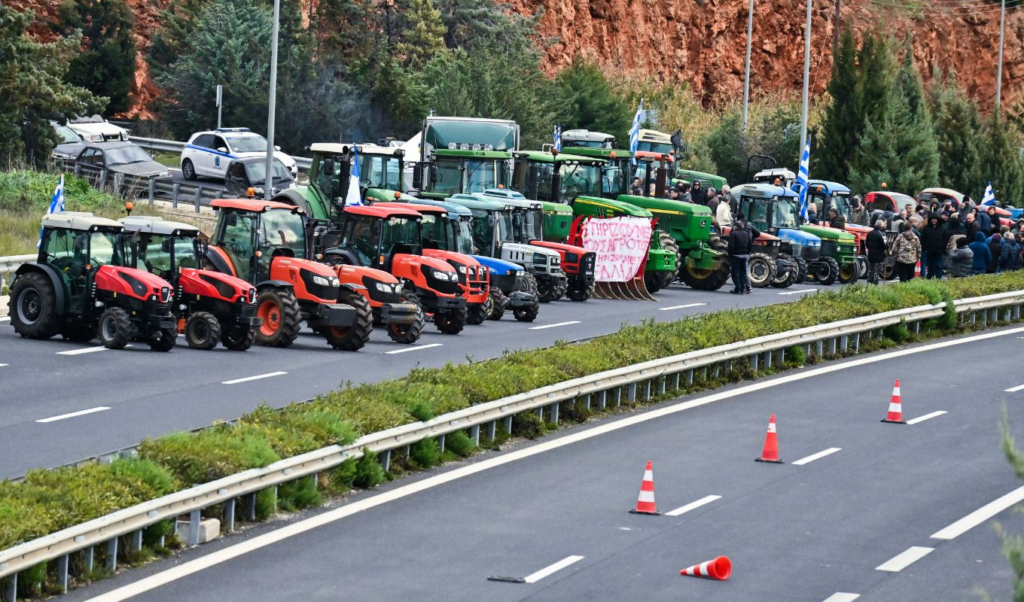
The Mercosur Agreement, a landmark free trade deal between South America and the European Union, signals a transformative shift in international trade relations. After lengthy negotiations spanning over 25 years, the pact aims to dismantle significant import tariffs, fostering increased economic cooperation. Proponents highlight the myriad benefits of Mercosur, such as expanded export opportunities for EU businesses and reduced prices for consumers. However, challenges remain, especially surrounding EU agriculture import tariffs and the potential impact on local farmers. Skepticism persists, particularly regarding the environmental concerns associated with increased imports from the Mercosur region, creating a dialogue on the balance between trade and sustainability.
Known as the Southern Common Market, the Mercosur trade agreement represents a significant milestone in fostering economic ties between its member nations and the European Union. This trade deal is not merely an arrangement for tariff reduction but also a strategic move to enhance the global competitiveness of both markets. While the advantages of Mercosur are touted by many, including economic growth and access to new markets, concerns also arise over various implications for agriculture and environmental impact. The agreement’s complexity reveals both the opportunities it presents and the skepticism surrounding its execution, highlighting that balancing trade benefits with domestic protections remains a critical conversation. As stakeholders navigate through the intricate landscape of this agreement, it will be essential to address the concerns posed by agricultural sectors and environmental advocates.
Understanding the Mercosur Agreement
The Mercosur agreement represents a significant milestone in international trade relations, particularly between the EU and South America. By drastically reducing tariffs on 91% of EU exports to Mercosur countries, the agreement opens doors for European businesses, notably in the automotive and agricultural sectors. Cars, which previously faced a hefty 35% tariff, will see greater market access over a 15-year period. This long-awaited reduction allows for increased competitiveness of EU products in the mercosur market, stimulating growth and prosperity across both regions.
For Mercosur countries, this trade deal is equally critical, as it will enable them to export 92% of their goods to Europe tariff-free within ten years. This reciprocal arrangement is expected to boost their economies significantly. The agreement not only fosters trade relations but also encourages deeper political ties, potentially leading to greater collaboration on important global issues such as climate change and public health. The anticipated economic growth can thus be viewed as a catalyst for stronger bilateral ties between the two regions.
Impact on Agricultural Tariffs in the EU
The agricultural sector is at the heart of the Mercosur agreement, sparking both optimism and concern among stakeholders. The elimination of tariffs on EU agricultural exports like wine and spirits is projected to invigorate the sector and open new avenues for EU products in South America. While tariffs on wines and spirits will reduce significantly, the EU has offered Mercosur countries expanded quotas on beef, poultry, and other commodities. This includes an additional quota of 99,000 tons of beef, raising questions about the implications for EU farmers.
The benefits of Mercosur for the agricultural sector are tempered by significant skepticism, especially among European farmers who fear facing an influx of cheaper South American products. EU agricultural leaders argue that the volume of imports will be minor compared to overall consumption but remain apprehensive about potential market disruptions. Regulatory standards and environmental considerations dominate the discourse, indicating that while tariff reductions may benefit trade, challenges in maintaining quality and sustainability are crucial.
Support for the Mercosur Trade Deal
Various stakeholders within the EU actively support the Mercosur agreement, highlighting its potential advantages, especially in reducing dependence on single markets like China. For instance, countries such as Germany and Spain advocate the deal as a strategic move to secure critical raw materials essential for various industries, including technology and automotive sectors. The EU Commission emphasizes that this is their most extensive agreement to date regarding tariff reductions, promising savings of over four billion euros annually for EU exporters.
Furthermore, the advantages extend beyond financial savings. The agreement allows EU companies to engage in public contracts at par with local suppliers in Mercosur countries, fostering a competitive business environment. This integration could lead to further economic benefits and job creation in the EU. As the region navigates shifting global trade dynamics, the Mercosur agreement symbolizes a proactive effort to bolster European economic resilience.
Opposition to the Mercosur Agreement
Despite the anticipated benefits, the Mercosur agreement faces stiff opposition from various quarters, particularly from European farmers and environmental advocates. Farmers are alarmed by the potential for increased imports of South American products, especially beef, that may not meet stringent EU environmental and food safety standards. These concerns underscore the disparity in agricultural regulations, which could undermine local production and pricing structures.
Environmental groups, such as Friends of the Earth, voice significant worries about the agreement’s impact on global climate change, arguing it could exacerbate deforestation in ecologically sensitive areas, like the Amazon. The fear of increased agricultural exports driving ecological degradation fuels a broader debate on how trade agreements must balance economic growth with environmental sustainability. This skepticism serves as a continuous challenge as both proponents and opponents of the agreement lay their arguments on the table.
Negotiating the Mercosur Agreement Amid Skepticism
Navigating the complexities of the Mercosur agreement was not without its challenges, especially given the skepticism surrounding it. The EU Commission undertook extensive negotiations to reassure opponents, establishing safeguards to alleviate fears about market disruption. Key mechanisms include provisions to suspend preferential imports for critical products like beef if certain thresholds of volume or price drops are met. Italy’s active participation in the reforms showed a willingness to compromise in the interest of securing a viable deal.
In addition to these measures, a crisis fund of 6.3 billion euros has been set aside to support farmers who may face adverse effects due to the influx of imports. These concessions reflect an understanding of the agricultural sector’s sensitivities, showcasing a balanced approach in reaching a consensus. Ultimately, Italy’s change of heart was pivotal; it underscores the intricate web of economic and political factors influencing trade negotiations, especially in a diverse union such as the EU.
The Benefits of Mercosur for European Exporters
The Mercosur agreement opens up a wealth of opportunities for European exporters, particularly in sectors poised for growth within the Mercosur markets. Notably, the elimination of tariffs enables EU companies to competitively price their products in South America, which is essential for fostering export relationships. This dynamic not only bolsters trade but also aligns with the EU’s strategic goals of diversification and reducing reliance on less stable markets.
Additionally, with Mercosur countries accounting for significant consumer markets, EU exporters can leverage this agreement to enhance their market penetration strategies. The potential for increased sales and brand recognition in these emerging markets underscores a vital economic relationship that can lead to long-term growth and development. As businesses adapt to the changing landscapes of international trade, the advantages of the Mercosur agreement could prove crucial in strengthening the EU’s global position.
Addressing Environmental Concerns in the Mercosur Deal
As the Mercosur agreement progresses, significant discussions arise about its environmental implications. Critics argue that increased agricultural exports from Mercosur countries could lead to heightened deforestation, particularly in the Amazon basin. This concern has rallied environmental activists to voice their objections, highlighting the need for sustainable practices in the agricultural sector. The challenges posed by climate change necessitate that trade deals also consider their environmental footprint, making this a crucial topic for ongoing negotiations.
In response to these challenges, it is essential for the EU to implement policies that safeguard environmental standards. This could involve mechanisms that promote sustainable farming practices adherent to EU stipulations. Collaborative initiatives with Mercosur countries can pave the way for environmentally friendly agriculture, ensuring that economic growth does not come at the expense of ecological integrity. The focus on sustainability can also resonate positively with consumers, adding a layer of responsibility to trade agreements.
The Role of Small and Medium Enterprises in Mercosur
Small and medium-sized enterprises (SMEs) play a pivotal role in the Mercosur agreement, with a significant number of German companies positioned to benefit from this trade deal. With around 12,500 German firms involved in exporting to Mercosur, approximately 72% of these are SMEs. Their active participation in international trade can enhance innovation, competition, and job creation within the EU. This segment is particularly adept at responding to market changes, making them vital players in the success of the Mercosur agreement.
The advantages provided by the Mercosur agreement, such as reduced tariffs and expanded access to Latin American markets, significantly lower the barriers for SMEs. By allowing these businesses to export more efficiently, the agreement can catalyze their growth and integration into the global economy. Encouraging SME engagement will also contribute to a diversified economic landscape, fostering resilience and adaptability in European trade relations.
Future Prospects of the Mercosur Agreement
Looking ahead, the Mercosur agreement holds promise for reshaping trade dynamics between Europe and South America. The potential economic benefits stand at the forefront, predicting increased growth, job creation, and diversification of trade partnerships. Furthermore, as both parties navigate initial implementation phases, the agreement could evolve in response to lessons learned and emerging challenges, ensuring its relevance in a rapidly changing global market.
Additionally, the ongoing dialogue around the Mercosur agreement could symbolize a broader trend toward international collaboration, showcasing how countries can work together to reap mutual benefits despite varying agricultural practices and environmental considerations. Continued scrutiny and adaptation will be crucial for its success, ensuring that the promises of the Mercosur agreement translate into sustainable economic outcomes for both regions.
Frequently Asked Questions
What are the benefits of the Mercosur Agreement for EU exporters?
The Mercosur Agreement provides numerous benefits for EU exporters, including the elimination of tariffs on 92 percent of Mercosur exports over a decade. This is expected to save EU exporters over four billion euros annually in tariffs, enhancing their competitiveness in the South American market.
How will the Mercosur EU trade deal impact agricultural imports?
The Mercosur EU trade deal will significantly impact agricultural imports by eliminating tariffs on EU products like wine and spirits, while providing higher import quotas for Mercosur agricultural products, including beef and cheese, to address EU market needs.
What challenges does the Mercosur Agreement face from European farmers?
European farmers express skepticism towards the Mercosur Agreement, fearing an influx of South American agricultural products, particularly beef, that might not meet EU environmental and food safety standards, thus influencing local markets negatively.
What is the significance of EU agriculture import tariffs in the Mercosur Agreement?
EU agriculture import tariffs are central to the Mercosur Agreement, as they will be gradually eliminated on various products. This creates opportunities for Mercosur countries to export more agricultural goods while aiming to balance imports to protect local EU farmers.
Why is there skepticism surrounding the Mercosur Agreement?
Skepticism regarding the Mercosur Agreement mainly stems from concerns over environmental impacts, particularly deforestation in the Amazon, and the potential for cheaper imports to undercut EU agricultural standards and prices, which has led to opposition from various agricultural stakeholders.
| Key Points | Details |
|---|---|
| Overview | After 25 years, the Mercosur Agreement with the EU is finalized, allowing significant tariff reductions on trade. |
| Tariff Reductions | Mercosur will cut tariffs on 91% of EU exports over 15 years; the EU will do the same for 92% of Mercosur exports over 10 years. |
| Agricultural Impact | Tariffs on EU agricultural products will be eliminated, with increased quotas for Mercosur beef, cheese, and other items. Supporters claim it will only slightly impact EU market. |
| Supporters | The EU Commission and countries like Germany see this pact as a way to reduce dependence on China and save over 4 billion euros in tariffs annually. |
| Opposition | European farmers and environmental groups oppose the agreement due to fears of cheap imports and environmental concerns, particularly regarding deforestation. |
| Concessions | To address concerns, the EU established a safeguard mechanism and a crisis fund of 6.3 billion euros for farmers. |
| German Companies | Approximately 12,500 German companies export to Mercosur, with 72% being small and medium enterprises. |
Summary
The Mercosur Agreement has emerged as a significant free trade pact between the European Union and South America’s Mercosur bloc. After years of negotiation, this agreement marks a monumental step towards enhancing trade relations and reducing tariffs on a wide array of exports. While there are valid concerns from various stakeholders, including farmers and environmentalists, the concessions made to address these issues indicate a strong commitment to making this agreement beneficial for all parties involved. Overall, the Mercosur Agreement promises to pave the way for increased economic cooperation and growth.

