
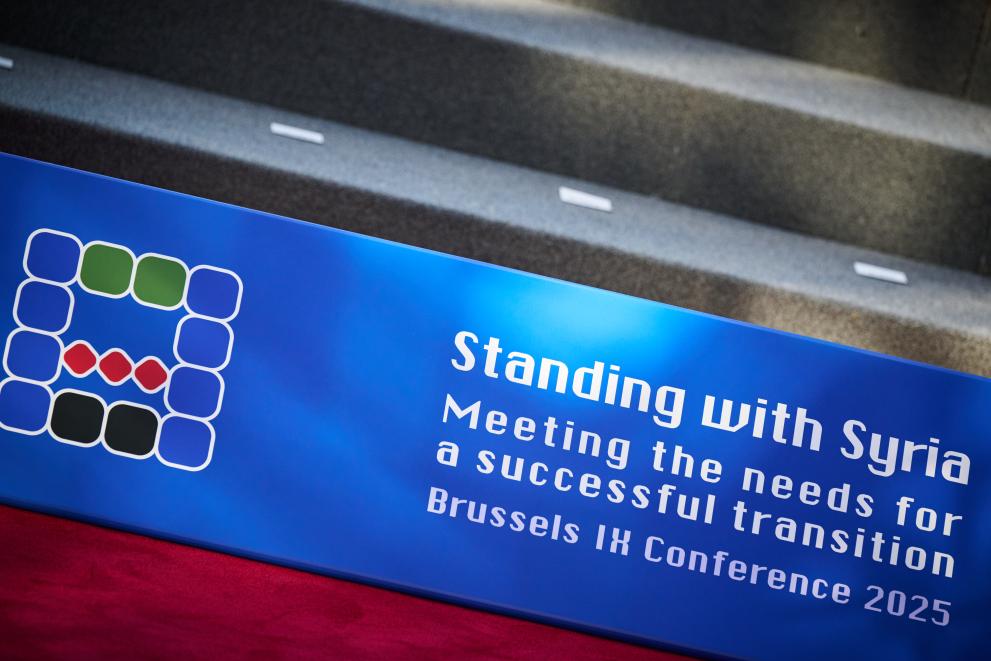
The EU support for Syria is crucial as the region seeks to recover from years of devastating conflict and upheaval. With a focus on the Syria crisis 2023, the European Union is amplifying its efforts to provide essential aid and financial assistance for Syria, emphasizing the need for both humanitarian relief and long-term reconstruction. Recognizing the plight of millions of Syrian refugees, the EU aims to foster conditions that would enable their safe return and reintegration into society. Political engagement and collaboration with neighboring countries like Turkey, Jordan, and Lebanon are pivotal in this process, as the EU seeks to align its strategies with those who help host displaced Syrians. EU Commission President Ursula von der Leyen has expressed a strong desire for a new political partnership that could pave the way for a brighter future for Syria and its people.
Addressing the ongoing turmoil in Syria, EU involvement in Syria takes on a multifaceted approach, emphasizing humanitarian assistance, infrastructural rehabilitation, and political stability. The European Union has committed to enhancing its presence in the region while working alongside allies such as Turkey and Jordan to tackle the influx of Syrian refugees and support their eventual return home. With a substantial budget earmarked for the next few years, the EU is determined to facilitate vital financial resources necessary for rebuilding efforts and fostering peace. The development of a resilient political framework is seen as essential to achieving lasting reconciliation in a country ravaged by conflict. As discussions regarding the future of Syria progress, the EU is positioned at the forefront, engaging in meaningful dialogue aimed at resolving the challenges faced by the Syrian population.
The EU’s Commitment to Syria: A Path Forward
The European Union has expressed a renewed commitment to support Syria as it faces profound challenges in the wake of a devastating civil war. The EU’s approach focuses not just on immediate aid but on long-term stability and reconstruction for the war-torn nation. This comprehensive effort aims to create conditions conducive to the safe return of Syrian refugees, many of whom have sought refuge in various EU member states. As EU Commission President Ursula von der Leyen noted during her visit to Damascus, the objective is to provide a viable future for the Syrians who wish to return to rebuild their lives.
Significantly, the EU’s strategy includes expanding financial assistance for Syria, signaling a robust financial commitment towards reconstruction efforts. With an allocation of approximately 620 million euros earmarked for 2026 and 2027, the EU intends to facilitate a partnership that not only engages regional players like Turkey and Jordan but also collaborates with international organizations such as the UNHCR. This multi-faceted approach underscores the EU’s understanding that stabilizing Syria is intrinsically linked to addressing the humanitarian needs of its population and fostering peace through economic development.
EU Support for Syrian Refugees: A Collaborative Approach
As the crisis in Syria evolves, the plight of millions of Syrian refugees remains a pressing issue for the European Union. Over the years, the EU has welcomed a substantial number of Syrians fleeing conflict, seeking safety and security in its member countries. The discussion surrounding the possibility of repatriating these refugees is complex and necessitates careful consideration and timing. Current discussions in Germany, among other nations, highlight the delicate balance between compassion for those displaced and the logistical realities of returning refugees to a country still grappling with violence and instability.
The EU’s support for Syrian refugees extends beyond temporary asylum; it includes active measures to ensure that refugees are not only safe but also have the opportunity to thrive. By collaborating with regional partners and aid agencies, the EU is attempting to create a network of support that can help facilitate the safe and dignified return of refugees when conditions permit. This collaborative approach emphasizes the importance of dialogue among all stakeholders involved, advocating for sustainable solutions to foster stability in Syria, which is critical for the reintegration of returning refugees.
Reconstruction of Syria: Challenges Ahead
The reconstruction of Syria presents an array of challenges that the EU and its partners must navigate carefully. The end of the Assad regime marked a potential turning point, yet transitioning from conflict to peace requires immense effort and resources. The ongoing violence, especially in cities like Aleppo, underscores the difficulties ahead. EU leadership, including von der Leyen, acknowledged that the journey towards reconciliation and rebuilding the nation will be fraught with hurdles, and that maintaining dialogue with various factions will be crucial to achieving lasting peace and stability.
Reconstruction efforts will not only demand financial investments but also the establishment of political frameworks that allow for inclusive governance and societal healing. The EU’s planned financial assistance is an essential step, but it must be coupled with initiatives that build trust among the diverse communities in Syria. Ensuring that all voices are heard and represented is vital to preventing the further fragmentation of society and fostering a collaborative environment that supports rebuilding efforts.
EU Involvement in Syria: A New Political Partnership
In a bid to recalibrate its involvement in Syria, the European Union is spearheading a new political partnership aimed at engaging the syrian transitional government and civil society. The recent visit to Damascus by EU leaders marks a significant moment in EU-Syria relations, representing a bid to not only provide humanitarian assistance but also to foster political dialogue that can lead to sustainable peace. As highlighted by von der Leyen, initiating a high-level dialogue could pave the way for unraveling the complexities tied to the ongoing crisis.
This renewed political partnership signifies the EU’s acknowledgment of the necessity for stability in Syria before any substantial rebuilding can commence. The EU intends to work closely with Syrian authorities while also seeking to represent the interests of displaced populations. This strategic duality in engagement aims to bridge the gap between state reconstruction and civil society needs, creating an inclusive atmosphere that can facilitate long-term solutions to the Syria crisis.
Financial Assistance for Syria: A Vital Component
Financial assistance is a cornerstone of the EU’s strategy for stabilizing Syria in the aftermath of its protracted conflict. The planned allocation of 620 million euros is expected to support major reconstruction projects, humanitarian aid, and economic revival efforts. This financial commitment reflects the EU’s understanding that effective recovery from the Syria crisis cannot solely rely on military solutions or political negotiations; it must also encompass significant economic development initiatives.
Moreover, the distribution of financial resources will be crucial in addressing urgent humanitarian needs, including healthcare, education, and infrastructure repair. The EU’s efforts to align this financial support with the broader objectives of fostering dialogue and cooperation among regional partners also highlight the importance of a coordinated approach to recovery. A well-structured financial assistance framework will not only assist in alleviating immediate challenges but also serve as a catalyst for long-term growth and stabilization within the nation.
Revisiting the Roots of the Syria Crisis in 2023
As the world navigates the ongoing repercussions of the Syria crisis in 2023, it is essential to revisit the complexities that ignited this devastating conflict over a decade ago. The multifaceted nature of the crisis stems not only from political dissent but also from socioeconomic grievances, ethnic tensions, and external influences. Understanding these root causes is crucial for the EU as it seeks to engage effectively in Syria’s rebuilding journey.
Furthermore, a balanced historical perspective will aid in shaping the EU’s approach to diplomatic relations and aid distribution, ensuring that efforts are not simply reactive but proactive in preventing future conflicts. Lessons learned from the past can inform more resilient strategies that take into account the needs and aspirations of all Syrian communities, facilitating a comprehensive rebuilding process that honors the diverse fabric of Syrian society.
The Role of Regional Partners in Syria’s Recovery
Regional partners play a pivotal role in the EU’s strategy to support Syria’s recovery. Countries such as Turkey, Jordan, and Lebanon not only host millions of Syrian refugees but also endure significant strain on their own resources as they manage these populations. The EU’s collaboration with these nations aims to establish a framework for shared responsibilities and mutual support, recognizing that regional partners are on the frontline of the humanitarian response.
By fostering cooperation among regional players, the EU enhances its potential to create a comprehensive response to the crisis in Syria. Joint initiatives can include humanitarian aid delivery, regional stability efforts, and robust dialogue on the political future of Syria. Such collaborative frameworks not only strengthen regional partnerships but also provide a united front in addressing the long-term consequences of the Syria crisis, encouraging a holistic approach to Syria’s stabilization.
Dialogue for Peace: An Essential Component in Syria
Dialogue is crucial in addressing the ongoing challenges facing Syria and its people. The EU understands this importance and has been advocating for continuous communication among all parties involved in the conflict. Establishing a platform for dialogue is seen not only as a means to resolve existing tensions but also as a foundation for building trust among diverse communities that have suffered immense hardship during the civil war. The recent recommitment from EU leaders to engage with the Syrian transitional government signifies a willingness to explore peaceful resolutions.
Moreover, fostering dialogues that encompass a wide array of stakeholders—from government authorities to civil society—can yield mechanisms aimed at facilitating reconciliation. The EU’s emphasis on dialogue reflects a long-term vision of peace in Syria, ensuring that future reconstruction efforts are guided by inclusive perspectives. Building this culture of communication is fundamental to achieving a stable and prosperous Syria, where citizens can again envision a hopeful future for themselves and their families.
Looking Ahead: The Future of Syria in the EU’s Vision
The future of Syria hinges on a collaborative effort, bringing together the international community, regional partners, and the Syrian people themselves. The EU, with its commitment to reconstruction and support for Syrian refugees, envisions a resurgence of hope and stability in the nation. The ongoing initiatives to revitalize dialogue and foster cooperation in 2023 set the groundwork for a multi-faceted strategy that addresses both immediate humanitarian needs and long-term recovery objectives.
The roadmap laid out by EU leaders reflects a recognition of the complexity of the Syria crisis and the necessity for patience and resilience in the face of ongoing challenges. The ultimate goal remains clear: to pave the way for a prosperous, peaceful Syria where displaced Syrians can return and rebuild their futures. Achieving this vision will require sustained political engagement, substantial financial backing, and a commitment to fostering inclusive policies that resonate with the diverse fabric of Syrian society.
Frequently Asked Questions
What is the EU’s financial assistance for Syria amid the crisis in 2023?
The EU plans to provide approximately 620 million euros in financial assistance for Syria for the years 2026 and 2027. This funding aims to support the reconstruction of Syria and intensify EU involvement in addressing the ongoing Syria crisis, facilitating the return of Syrian refugees.
How is the EU involved in supporting Syrian refugees?
The EU has been actively supporting Syrian refugees through humanitarian aid and by establishing cooperative efforts with regional partners like Turkey, Jordan, and Lebanon. The aim is to provide stable conditions that will allow refugees to eventually return home and contribute to the reconstruction of Syria.
What are the main goals of the EU’s involvement in Syria?
The primary goals of the EU’s involvement in Syria include providing political, economic, and financial support to stabilize the region and assist in the reconstruction of Syria, thereby enabling the safe return of Syrian refugees who have fled to the EU.
What challenges does the EU face in its support for Syria?
The EU faces significant challenges in its support for Syria, particularly due to ongoing violence and political instability. The path to reconciliation and reconstruction is complex, requiring effective dialogue among all parties involved in the Syria crisis.
What role does the UN play in the EU’s support for Syria?
The EU collaborates with the UN refugee agency, UNHCR, to enhance support for Syrian refugees and facilitate humanitarian efforts. This partnership is crucial in addressing the immediate needs of those affected by the ongoing Syria crisis and supporting their eventual return.
What recent developments have occurred regarding the EU’s involvement in Syria?
Recently, EU Commission President Ursula von der Leyen visited Damascus, marking the first visit by EU leadership since Bashar al-Assad’s overthrow in December 2024. This visit reaffirms the EU’s commitment to intensifying its political and economic support for Syria amid ongoing tensions.
How does the EU plan to rebuild Syria after the crisis?
The EU plans to focus on long-term financial assistance and political partnerships to aid in the reconstruction of Syria. Efforts include high-level dialogues and collaborations with local authorities and civil society to ensure a collaborative approach to rebuilding the nation.
What impact does the conflict in Syria have on EU policies regarding refugees?
The ongoing conflict has significantly shaped EU policies regarding refugees, leading to increased support for humanitarian assistance and efforts to create safe conditions returning refugees. The EU’s commitment to stabilize Syria is directly linked to addressing the needs of the almost 6 million Syrian refugees currently hosted in Europe.
| Key Point | Details |
|---|---|
| EU’s Support Goals | To provide political, economic, and financial support to Syria for stability and eventual refugee return. |
| Refugee Return Perspective | The EU aims for Syrian refugees in Europe to return and rebuild their lives in Syria. |
| Recent Visits | Ursula von der Leyen’s visit to Damascus was the first by EU leadership since 2024. |
| Financial Assistance | The EU announced 620 million euros in financial aid for 2026 and 2027. |
| Regional Cooperation | Plans to enhance collaboration with Turkey, Jordan, Lebanon, and UNHCR on Syria’s aid. |
| Ongoing Challenges | Recent violence in Aleppo highlights the difficult path towards reconciliation and rebuilding. |
| EU’s Presence | The EU has resumed operations in Damascus post-2024, focusing on civil society collaboration. |
Summary
EU support for Syria focuses on providing the necessary political, economic, and financial assistance to stabilize the country and facilitate the return of Syrian refugees. With an ambitious plan to enhance cooperation with neighboring regions and a commitment to significant financial aid, the EU aims to create a conducive environment for rebuilding lives in Syria. Despite facing ongoing challenges, the EU’s renewed commitment offers a glimmer of hope for many Syrians seeking to return to their homeland.

