
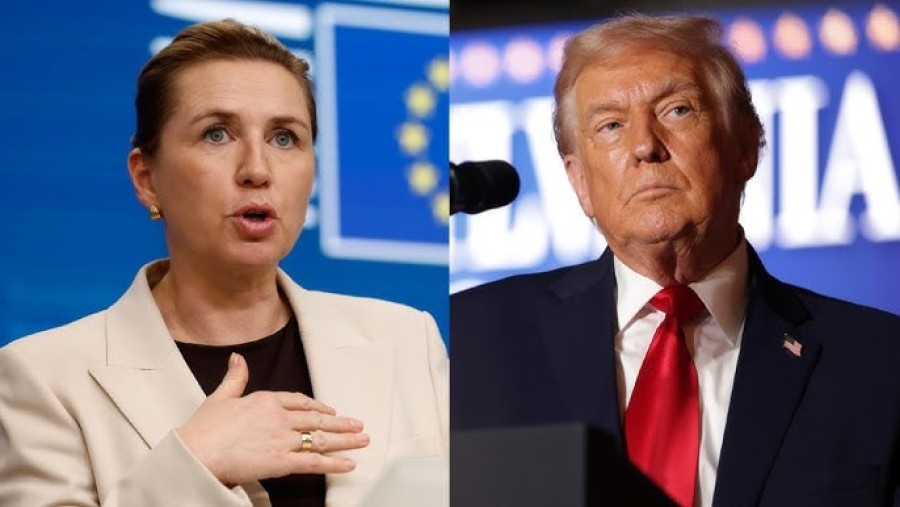
The Greenland dispute has emerged as a focal point in the complex web of Arctic geopolitics, capturing international attention with its implications for Greenland, NATO, and U.S. foreign policy. Over the years, U.S. interest in Greenland has intensified, particularly during Donald Trump’s presidency when he controversially suggested buying the territory from Denmark. The geopolitical stakes are high, as the melting Arctic ice opens up critical shipping routes and natural resources, leading to heightened tensions among global powers. This evolving scenario raises questions about Greenland’s independence and its potential roles in future U.S.-Greenland relations. With Arctic geopolitics at play, the situation is not just about land; it’s a matter of national security, trade interests, and the preservation of alliances.
The ongoing tensions surrounding Greenland’s status reflect broader themes in Arctic diplomacy and international relations. As the Arctic region rapidly changes due to climate change, the discourse on the sovereignty of this vast territory is emblematic of a larger struggle for control over emerging trade routes and resources. The conversations around NATO’s role and the possibility of Greenland asserting its autonomy prompt critical discussions on the future trajectory of U.S.-Greenland relations. Moreover, the implications of Greenland’s governance, alongside the involvement of major global players like Russia and Canada, underscore the intricate dynamics of Arctic geopolitics. In essence, the debate over this territory is more than a simple land ownership issue; it taps into the veins of national interests and global strategy.
The Historical Interest in Greenland by the US
Since the 19th century, Greenland has captured the attention of the United States due to its strategic location and resource potential. The acquisition of Alaska in 1867 was a pivotal moment, igniting US ambitions in the Arctic region. Subsequently, various attempts were made over the decades to assert control over Greenland, particularly during the post-World War II era when geopolitical maneuvering intensified. This longstanding interest aligns with the broader context of Arctic geopolitics, where the melting ice caps are reshaping the dynamics of territorial claims and resource access.
Notably, the US interest goes beyond mere geography; it encompasses military, economic, and environmental considerations. As nations vie for dominance in the Arctic, the implications of US claims cannot be overlooked. Greenland’s vast natural resources, including potential oil and mineral reserves, make it a valuable asset amidst the shift towards more favorable shipping routes. This crucial aspect ties into the idea of NATO and Greenland—a relationship that could influence future alliances and conflict over Arctic territories.
Donald Trump’s Position on Greenland
Donald Trump’s controversial remarks about Greenland during his presidency highlighted his tactical approach to NATO and international relations. His stated interest in acquiring the island was often misinterpreted as simply eccentric talk, yet it reflected a deeper agenda concerning US territorial ambitions and strategic interests in the Arctic. Critics warn that Trump’s views on alliances and sovereignty could destabilize longstanding relationships, potentially undermining NATO’s foundational principle of mutual defense among member states.
The notion of territorial acquisition under Trump reignited discussions around the status of Greenland and its right to determine its political future. With increasing geopolitical tensions, the implications of Trump’s comments on Greenland reveal a growing anxiety among European nations concerning US foreign policy direction. Many fear that if Greenland were to pivot towards the US, it could threaten Denmark’s sovereignty and plunge the Arctic into competing interests among world powers.
Greenland’s Path to Independence
As discussions about possible US claims to Greenland resurface, the island’s push towards greater autonomy and independence takes center stage. Greenland has been self-governing since 2009, demonstrating a desire to carve out its own identity in the global arena. The idea that Greenland could choose to align with another nation underscores the importance of respecting its self-determination, especially in the face of competing interests from powerful countries like the US and Russia.
The pursuit of Greenland independence is not just a political statement but is also rooted in cultural and economic aspirations. Greenlanders, who value their Scandinavian welfare model, are mindful of the ramifications that a potential shift towards the US could entail, such as the privatization of healthcare and education. This situation illustrates the delicate balance Greenland must maintain between leveraging international interest for economic gain while safeguarding its unique identity and welfare.
The Role of NATO in Arctic Geopolitics
The North Atlantic Treaty Organization (NATO) plays a crucial role in promoting stability in Arctic geopolitics. However, as Robert Habeck cautioned, any aggressive move by a member state to take control of another could undermine the alliance’s foundational principles. The strategic importance of NATO in the Arctic becomes evidently clear against the backdrop of a changing geopolitical landscape, where security concerns are increasingly intertwined with territorial claims and resource exploitation.
As Arctic nations, including Russia, expand their military capabilities, NATO’s approach must evolve. The potential for increased hostilities in the Arctic raises significant concerns about the alliance’s capacity to maintain peace and deter aggression. Future discussions around NATO in Greenland will need to carefully address the interests of member states while ensuring that Greenland’s sovereignty and self-determination are respected.
Impact of Climate Change on Greenland’s Geopolitical Significance
Climate change is reshaping the Arctic landscape, melting ice, and exposing previously inaccessible shipping routes. This phenomenon has significant implications for Greenland, as the opening of these passages heightens its strategic value to global powers. As nations like the US, Russia, and China eye the Arctic for economic opportunities and military positioning, Greenland’s role as a pivotal player in Arctic geopolitics becomes increasingly important.
The melting ice not only presents new economic prospects—such as increased shipping routes and resource extraction—but it also brings environmental concerns. Greenland’s traditional way of life is under threat as ecosystems change, prompting discussions about climate policy and the need for international cooperation. The intersection of climate change and geopolitical interests will play a key role in shaping future relations in the region and how Greenland positions itself in this evolving narrative.
The Future of US and Greenland Relations
Looking forward, the future of US and Greenland relations rests on a complex interplay of interests, identities, and aspirations. If Greenland decides to tilt towards the United States, it may gain economic benefits but at the risk of losing its autonomy and cultural identity. The challenge will lie in navigating diplomatic relations that respect Greenland’s self-governance while also addressing US interests in the region.
Amidst these developments, the role of Denmark as linking the US and Greenland cannot be understated. The Danish government must balance its own interests with the desires of the Greenlandic people to forge a cooperative future that addresses geopolitical realities without compromising local autonomy. This balancing act is crucial as Greenland operates within a delicate nexus of international relations involving powerful actors such as NATO, the US, and Russia.
Geopolitical Tensions Surrounding Arctic Territory
The Arctic region has become a focal point for geopolitical tensions as climate change reveals economic opportunities and heightens strategic competition. Nations are increasingly positioning themselves to take advantage of new routes and resources. Greenland’s geographical location places it at the center of these tensions, making it a crucial territory for both military strategy and economic aspirations, particularly for the US and Russia.
As the Arctic transforms, there is a pressing need for comprehensive agreements to mitigate conflict and ensure that the interests of indigenous populations like the Greenlanders are safeguarded. Diplomatic discussions surrounding governance and territorial rights in the context of Arctic geopolitics must prioritize environmental sustainability and respect for Greenland’s autonomy to foster long-term stability.
Economic Prospects for Greenland Amidst Global Interests
The economic prospects for Greenland present a double-edged sword. On one hand, the interest from global powers can yield significant investment and development opportunities, such as the extraction of valuable minerals and fossils that lie beneath its ice. On the other hand, this influx of foreign interest could lead to exploitation if not managed properly. The potential for windfall wealth necessitates careful planning to benefit the Greenlandic population while ensuring that their rights and cultural identity are preserved.
Greenland’s unique position calls for a nuanced economic strategy that involves the local population in decision-making processes. Emphasizing sustainable development through partnerships with countries such as Denmark and the US can foster economic growth without compromising Greenland’s values. This purposeful navigation of its economic landscape will determine how Greenland positions itself amidst competing global forces vying for Arctic dominance.
The Importance of Greenland’s Voice in International Discourse
As discussions about Greenland’s future intensify, it is imperative that the voices of its people are integrated into international discourse. Greenland’s historical context of colonization and its journey towards self-governance highlight the importance of representation in matters that impact their lives and futures. Ensuring that Greenlanders have a say in negotiations regarding territory, resources, and international alliances is crucial for their sovereignty.
Moreover, contributing to global discussions surrounding climate change and Arctic policies allows Greenland to assert its identity on the international stage. By engaging actively in these dialogues, the island can influence policy developments that reflect the aspirations and needs of its population, thus reinforcing its status as a significant player in Arctic geopolitics.
Frequently Asked Questions
What is the current status of the Greenland dispute related to US interests?
The Greenland dispute revolves around the United States’ historical interests in the territory, intensified by concerns over Arctic geopolitics and the potential for navigable shipping routes as global warming melts polar ice. US interest dates back to the 19th century and continues into present discussions, especially among US politicians like Donald Trump, who has previously expressed a desire to acquire Greenland.
How does Trump’s Greenland interest affect Greenland’s independence?
Trump’s past interest in Greenland raises questions about the island’s sovereignty and its ongoing journey towards independence. While Greenland has had administrative rights since the 1970s and has been self-governing since 2009, any potential discussions of US takeover could conflict with their aspirations for full independence.
What role does NATO play in the Greenland dispute?
NATO’s role in the Greenland dispute is crucial as it impacts European security dynamics. Warnings from experts like Robert Habeck highlight that if one NATO member were to seize territory from another (like the US claiming Greenland), the foundational principles of NATO could be jeopardized, reflecting larger concerns about Arctic geopolitics.
What impact does Arctic geopolitics have on the Greenland dispute?
Arctic geopolitics significantly influence the Greenland dispute as melting ice opens new shipping routes, making the territory increasingly strategic for global powers, especially the US and Russia. These developments raise national security interests and complicate international relations in the region.
How are Greenland’s aspirations for autonomy being affected by US policies?
Greenland’s aspirations for autonomy and self-determination are potentially challenged by US policy, particularly under administrations that express territorial ambitions. Local leadership emphasizes the importance of maintaining a Scandinavian welfare model, contrasting with the privatization trends often associated with US governance.
What has sparked renewed US interest in Greenland under recent administrations?
Renewed US interest in Greenland has been sparked by the urgency of Arctic resource exploration and geopolitical strategy as the region becomes more accessible due to climate change. This interest has historical roots, with past attempts to acquire Greenland during various periods, reflecting an ongoing strategy to strengthen American presence in the Arctic.
What are the implications of Trump’s rhetoric on Greenland for international relations?
Trump’s rhetoric regarding Greenland has raised eyebrows internationally, suggesting a transactional approach to international alliances, particularly NATO. This stance can fracture diplomatic ties and reinterpret alliances as countries reevaluate their security strategies in response to America’s assertive interests in Greenland.
How does Joseph D. Vance’s visit to Greenland relate to the Greenland dispute?
Joseph D. Vance’s visit to Greenland represents a tangible expression of US interest in the island and its resources, raising questions about the future of Greenland’s political future. Such visits underline America’s long-standing interest in establishing a presence in the Arctic, especially amid growing geopolitical competition.
What are the perspectives of Danish leadership on the Greenland dispute?
Danish leadership, including Prime Minister Mette Frederiksen, is concerned about the potential challenges posed to NATO and regional stability due to US ambitions regarding Greenland. There is a profound emphasis on the need for Europe to articulate its own claims and interests in the Arctic while respecting Greenland’s self-governance.
What are the arguments for and against Greenland’s potential independence?
Arguments for Greenland’s independence include the desire for authentic self-determination and control over resources. Conversely, concerns against independence cite potential loss of benefits from Denmark, such as the welfare state, emphasizing the complexities of balancing local governance with external interests.
| Key Point | Details |
|---|---|
| US Interest in Greenland | The US has shown interest in Greenland since the 19th century, and Trump’s tactical relationship with NATO raises concerns about potential territorial claims. |
| Warning from Robert Habeck | Habeck warns that if the US takes territory from another NATO member, it undermines the alliance’s foundation. |
| Historical Context | US attempts to acquire Greenland date back to the 1860s and have included multiple serious attempts during the 20th century. |
| Impact of Climate Change | With Arctic ice melting, Greenland becomes strategically important for shipping routes, increasing its attractiveness. |
| European Political Interests | Habeck emphasizes that Europeans must define their political claims concerning Greenland and recognize the island’s autonomy. |
| Self-Governance of Greenland | Greenland has had administrative rights since the 1970s and has pursued self-governance since 2009, maintaining its welfare model. |
Summary
The Greenland dispute highlights the complex geopolitics involving US interests in the Arctic, particularly under the Trump administration. As the implications of climate change make Greenland more accessible, concerns arise about potential US territorial claims, as voiced by figures like Robert Habeck. The changing dynamics of NATO and the need for European nations to assert their interests in the region further illustrate the urgency surrounding the Greenland dispute.

