
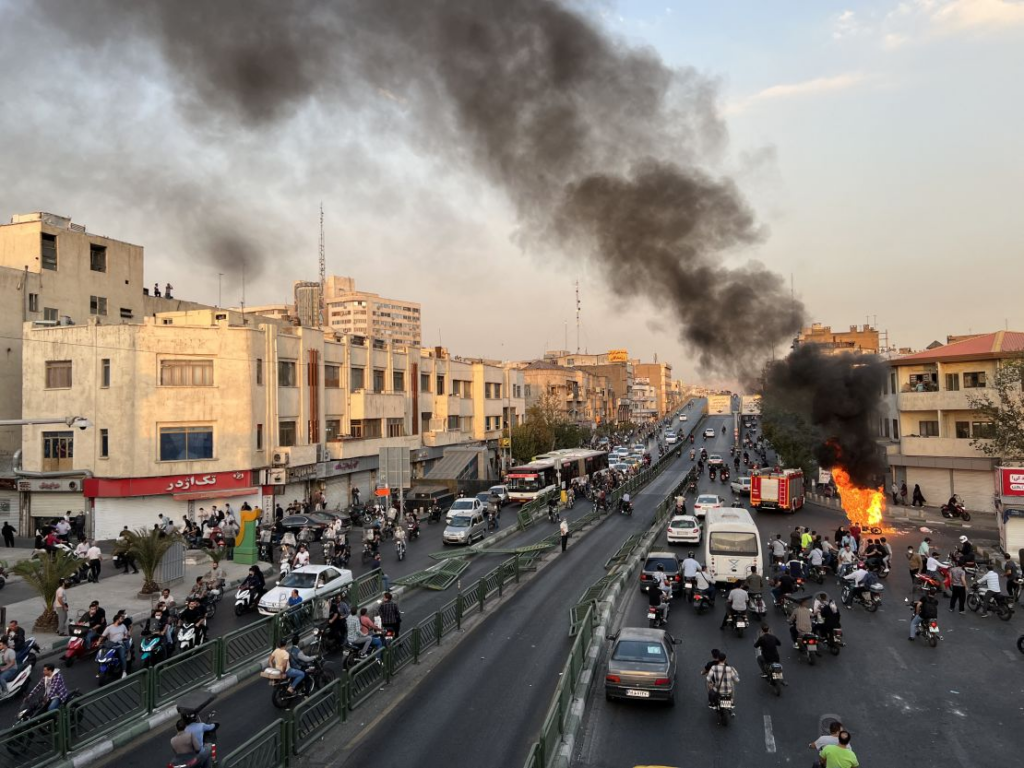
Protests in Iran have erupted into a powerful wave of dissent, signaling a crucial moment in the country’s ongoing struggle for freedom and democracy. As tensions escalate, the Iranian people, inspired by the Iranian revolution and driven by cries for human rights in Iran, are challenging the long-standing dictatorship of the mullahs. Journalist Farid Ashrafian describes these protests as a “historical turning point,” indicating that the state’s foundations are visibly shaking under the pressure of widespread discontent. In cities across Iran, demonstrators chant the poignant slogan “Neither Shah nor Mullah,” uniting diverse voices against both the current regime and the systemic oppression that has plagued the nation for decades. With current events in Iran capturing global attention, the call for fundamental change resonates loudly, demanding respect for individual rights and a departure from external influences in Iranian politics.
The uprising in Iran represents a significant cultural and political shift, as citizens unify against the entrenched authority of Islamic leadership. With an intense desire for reform, the protests signify a collective rejection of past and present autocratic rule, calling for a new dawn of democracy and liberty. This nationwide mobilization reflects the people’s aspirations for a society rooted in human rights and personal freedoms, catalyzing a larger discussion about the future of governance in the nation. As international observers monitor the situation, the narrative surrounding the protests has evolved, suggesting a profound yearning for both autonomy and a break from historical patterns of repression. The movement has garnered sympathy and interest globally, highlighting the interconnectedness of struggles for justice and sovereignty across the world.
The Significance of the 2026 Iran Protests
The 2026 protests in Iran mark a pivotal moment in the nation’s struggle against authoritarianism. As reported by German-Iranian journalist Farid Ashrafian, these demonstrations are shaking the very foundations of the Islamic Republic’s power structure. With chants of “Neither Shah nor Mullah”, protesters are asserting their discontent not just against the Islamic regime but against a legacy of repression that has persisted for decades. This collective outcry is reminiscent of the Iranian Revolution, indicating a possible shift towards a superior form of governance that aligns with the people’s aspirations for freedom and democracy.
These monumental protests have mobilized young Iranians, who represent a significant faction of the population clamoring for change. Their demands are clear: to dismantle the entrenched political elite and replace it with a system that prioritizes human rights in Iran. The sheer scale and determination of the demonstrators signal a breaking point, wherein traditional forms of governance are being challenged. For many, this signifies not merely a rejection of the current regime but a broader call for a national identity that embraces democratic values and human rights.
Challenges Facing Iran’s Reform Movement
Despite the fervor displayed during the protests, the path toward reform in Iran is fraught with challenges. As noted by Ashrafian, many agitators are disillusioned by the presence of figures such as Reza Pahlavi, who, while a symbol of the past royal dynasty, is perceived as a potential risk to the movement’s integrity. There is a palpable fear among protesters that any advocacy for democratic reforms might be undermined by foreign influences, particularly from Western nations. This skepticism towards external intervention runs deep, prompting calls for a sovereign and self-determined approach to governance in Iran.
Furthermore, the protests in Iran are marked by a palpable sense of urgency, driven by the state’s violent response to dissent. As reported, the regime has resorted to heavy-handed tactics, resulting in heightened tensions on the streets. This climate of fear complicates the reform movement as many feel that their safety is compromised. Nevertheless, the protesters’ resilience showcases a deep-rooted desire for change, revealing that they are not merely seeking to replace one regime with another, but fundamentally desire a transformation that recognizes and respects individual liberties and human rights.
Global Implications of the Iran Protests
The events unfolding in Iran have significant global implications, particularly concerning human rights advocacy. The international community is inseparably linked to the aspirations of the Iranian people as they seek genuine representation and reform. Ashrafian’s emphasis on the need for blatant support from foreign powers towards the protesters underscores an essential reality: the Iranian struggle transcends national borders. Human rights organizations worldwide are being called upon to amplify the voices of those facing oppression in Iran, shining a light on the injustices endured daily.
Simultaneously, the ongoing protests reflect a broader narrative within the context of global geopolitics. Nations have a vested interest in Iran due to its strategic importance and resources, making it imperative for foreign powers to approach the situation with sensitivity. Policymakers in Washington and other capitals must understand the implications of their stance on human rights in Iran and the potential responses from a population increasingly resistant to foreign meddling. The delicate balance between supporting reform and respecting national sovereignty remains a critical discussion point among international relations experts.
Youth Role in the Iran Protests
The pivotal role of youth in the protests across Iran cannot be understated. Young Iranians are at the forefront of these demonstrations, representing a generation disenchanted with a political system that has failed to meet their aspirations. Their engagement in the current events in Iran indicates a profound desire for progressive change, as they seek empowerment and participation in the nation’s governance. Social media has played an instrumental role in mobilizing and uniting these young activists, enabling them to communicate effectively and galvanize support from various sectors of society.
Additionally, the younger generation is particularly attuned to global narratives surrounding human rights and democracy, drawing parallels between their struggle and those in other regions. They yearn for a society free from the constraints imposed by the ruling elite, longing for accountability and transparency. This vibrant involvement not only underscores their commitment to the cause but also sets the stage for potential future shifts in Iran’s political landscape. Such a dynamic youth movement is essential, as they will be the stewards of Iran’s journey toward a more democratic future.
Solidarity Across Social Strata in Iran
The protests have ushered in a remarkable solidarity among various social and economic strata in Iran. It has transcended class boundaries, uniting students, workers, and intellectuals under a common banner against tyranny. This newfound camaraderie illustrates the widespread discontent with the mullah-led regime, fostering a sense of collective identity that strengthens the movement’s resolve. As citizens rally together for a shared cause, they demonstrate a significant shift in societal dynamics, where individual grievances coalesce into a formidable challenge against the status quo.
This solidarity is crucial not only for the current protests but also for the long-term health of the reform movement in Iran. The collaboration among different demographics highlights the gravity of the situation and the universal desire for change – a condition that can be more potent than any singular protest. As these diverse groups combine their efforts to demand significant reforms, the potential for a successful transformation becomes more tangible, paving the way for an inclusive political ecosystem where every voice is heard and represented.
The Future of Iran’s Political Landscape
The ongoing protests signal a possible turning point in Iran’s political landscape, where the momentum for reform could lead to profound changes. Observers like Farid Ashrafian view this moment as historical, hinting at the potential dismantling of an oppressive regime that has stifled dissent for years. The demand for a radical restructuring of governance reflects a broader desire for an inclusive political framework that genuinely reflects the will of the people. This could shift Iran away from the iron grip of theocracy towards a more democratic form of governance.
However, the struggles ahead remain formidable. Balancing the immediate demands for change with the need for a stable transition will require careful navigation by the various factions involved in the protests. The students, workers, and even disaffected members of the political elite must strategize effectively to prevent a power vacuum that could lead to further chaos. The future of Iran may depend on how these groups negotiate their way forward, ensuring that the hard-won victories from the current protests evolve into a sustainable political reality.
International Reactions to Iran’s Protests
The international community’s reaction to the protests in Iran will play a critical role in shaping the future of the nation. Observers around the world are closely monitoring developments, and there is an urgent call for a collective response that advocates for human rights and freedom. Many nations and organizations are urged to uphold their moral obligations and decisively stand with the Iranian people. However, the complexities of international politics must also be navigated delicately to avoid the pitfalls of direct meddling, which many Iranians vehemently oppose.
Moreover, the prospects of reform in Iran might hinge upon strategic diplomacy that supports grassroots movements without imposing external agendas. Countries must recognize that endorsing the youth-led protests for genuine democracy requires a nuanced approach that prioritizes Iranian sovereignty while fostering open dialogue about democracy and rights. Truly effective international support will respect the wishes of Iranian citizens and empower them to define their path forward.
The Role of Media in Shaping Perceptions of Iranian Dissent
The role of media in the current protests in Iran is indispensable, as it significantly shapes perceptions of dissent both domestically and abroad. Journalists, like Farid Ashrafian, are crucial in relaying the experiences of protesters, raising awareness about human rights in Iran, and challenging the state’s narrative of control. As media coverage amplifies the voices of the marginalized, it plays a vital role in garnering international solidarity and pressuring the Iranian government to reconsider its stance on dissent. In an age where information spreads rapidly, the portrayal of these protests can influence public opinion worldwide.
Nonetheless, the media landscape in Iran is fraught with danger, as the regime actively censors and suppresses dissenting voices. Journalists face severe repercussions for their work, reflecting the oppressive environment that characterizes the current state of affairs. Despite these challenges, the resilience of both local and international media in covering these protests provides an additional layer of advocacy, emphasizing the importance of freedom of the press as a fundamental right. Ensuring that these stories are heard is imperative, as it holds power accountable while fostering a narrative of hope and resilience among the Iranian populace.
Frequently Asked Questions
What are the main causes of the protests in Iran in 2026?
The 2026 protests in Iran stem from widespread dissatisfaction with the regime, particularly against the dictatorship of the mullahs. Many protesters express anger over political repression, economic struggles, and human rights violations in Iran, demanding a complete overhaul of the political system.
Who is Farid Ashrafian, and what is his perspective on the Iranian protests?
Farid Ashrafian is a German-Iranian journalist who describes the 2026 protests in Iran as a historic turning point for the country’s political landscape. He emphasizes that these protests significantly challenge the foundation of the Islamic Republic’s state apparatus, highlighting the intensity of public discontent.
What does the slogan ‘Neither Shah nor Mullah’ signify in the context of the Iran protests?
The slogan ‘Neither Shah nor Mullah’ reflects the protesters’ rejection of both the current regime and past monarchy. It underscores a broader demand for a new governing system that respects the rights and freedoms of the Iranian people, distinguishing it from previous forms of authority.
How do the Iranian protests of 2026 relate to human rights issues in Iran?
The protests in Iran in 2026 are intricately connected to human rights concerns, as many demonstrators demand an end to repression and violations of personal liberties. Protesters call for the international community to support their fight for human rights, seeking genuine political transformation and accountability from the regime.
What is the role of exiled crown prince Reza Pahlavi in the Iranian protests?
Exiled crown prince Reza Pahlavi plays a contentious role in the protests in Iran. While he rejects a return to monarchy, many protesters view him as a political risk and fear his potential influence. They are wary of foreign interference and prefer genuine self-determination over solutions dictated by external powers.
What impact could the 2026 protests have on the future of the Iranian regime?
The 2026 protests in Iran could lead to significant changes in the regime’s structure as they represent a culmination of discontent among citizens. If the current momentum continues, these protests could result in a reevaluation of power dynamics, encouraging dialogue about democratic reforms and improving human rights in Iran.
How are the protests in Iran being viewed by the international community?
The international community is observing the protests in Iran with concern and interest, responding to the calls for support of human rights and sovereignty expressed by the protesters. There is increasing pressure on foreign governments to advocate for the Iranian people’s rights and emphasize the need for a fundamental change in the political system.
What factors contribute to the current atmosphere in Iran during the 2026 protests?
The atmosphere during the 2026 protests in Iran is charged with shock, anger, and grief, largely due to the government’s violent responses to demonstrators. The youth’s fervent desire for change and the rejection of political elites contribute to a volatile climate that seeks both immediate action and long-term transformation.
Can the 2026 protests be considered as part of a larger Iranian revolution?
Yes, the 2026 protests can be viewed as part of an ongoing Iranian revolution, indicating a collective desire for freedom and justice. This movement challenges the Islamic Republic’s authority and calls for systemic change, aiming to establish a political framework that upholds the rights of all citizens.
What lessons can be learned from the protests in Iran for other nations facing repression?
The Iranian protests of 2026 offer critical insights for other nations experiencing repression, highlighting the importance of grassroots movements in advocating for human rights and systemic change. They demonstrate that sustained public dissent can challenge authoritarian regimes and inspire global attention towards democracy and individual freedoms.
| Key Points | Details |
|---|---|
| Current Protests | Protests in Iran are described as a significant challenge to the state apparatus of the Islamic Republic, highlighting a desire for change. |
| Protesters’ Demands | The demonstrators are seeking a fundamental change in the political system, rejecting both the current regime and previous monarchic governance. |
| Youth Involvement | Many protesters are young, indicating a generational desire for reform and exit from the oppressive system. |
| International Response | The protests call for international support for human rights and advocate for respecting the wishes of the Iranian people. |
| Exiled Crown Prince | The role of Reza Pahlavi is contentious; while he rejects a return to monarchy, many see him as part of the problem. |
Summary
Protests in Iran signify a critical moment in the landscape of political resistance against oppression. The growing discontent among the populace expresses a profound desire for a transformative shift away from the dictatorship of the mullahs. Demonstrators are not just voicing their opposition to the current regime but are also rejecting any form of monarchy, whether past or present. This bold movement reflects the aspirations of Iranian citizens for a regime that respects their rights and employs a democratic framework free from foreign interference. It is essential for the international community to recognize and support these aspirations fundamentally.

