
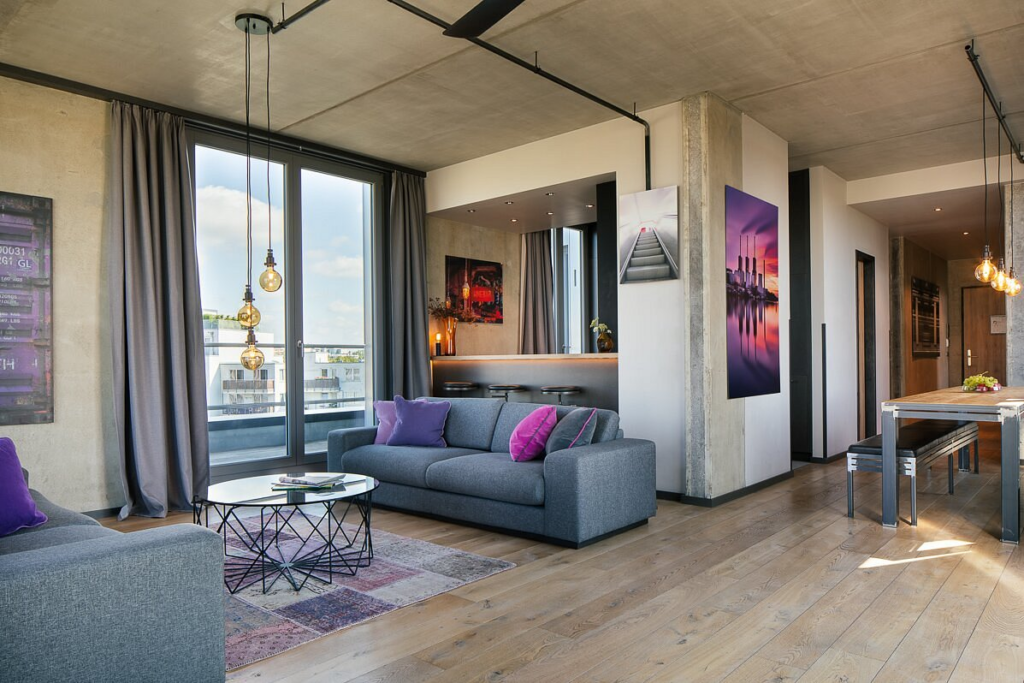
Apartments in Germany are experiencing a remarkable shift, as recent studies indicate that the average apartment size in the country is set to decline for the first time in decades. This trend is not solely attributed to rising property prices; a deeper analysis reveals that demographic changes and evolving housing preferences play significant roles. With the growing prevalence of single-person households, which now represent 41% of the population, many individuals are opting for smaller apartments in Germany. Consequently, current housing trends suggest that developers are prioritizing compact living spaces that cater to these shifting demographics, while also considering energy efficiency. As a result, the landscape of property prices in Germany is evolving, making smaller living units both a practical and attractive option for many residents in urban areas.
The current landscape of German housing reflects a shift towards more modest living arrangements, as evident in the trend for smaller residential units across the nation. With the demographic evolution leading to an increase in single-person households, there is a growing demand for efficient and affordable living spaces. This change in consumer preferences aligns with the observed average apartment size in Germany, which is stagnating and expected to decrease further. Additionally, the rising costs associated with real estate are making it more challenging for individuals and families to secure larger homes. Consequently, housing design is evolving to meet these new demands, resulting in a focus on smaller, well-planned apartments that optimize the limited living space available.
Understanding the Shrinking Size of Apartments in Germany
The trend toward smaller apartments in Germany marks a significant shift in the country’s housing market. Historically, Germans have enjoyed spacious living conditions, but recent studies indicate that this paradigm is changing. According to the German Institute for Economic Research (DIW), the average apartment size has already stagnated and is projected to decrease to around 88.5 square meters by 2050. This change can largely be attributed to demographic shifts, particularly the rise in single-person households, which have more than doubled since the 1960s.
As cities like Berlin and Munich experience a surge in single-person households—estimated at nearly 50 percent—developers are increasingly leaning towards constructing smaller apartments. These smaller units are not only more financially viable for builders due to lower land costs but are also becoming essential to meet the demand from the growing population of singles and couples. This evolving landscape calls for a departure from the previously dominant large apartments that constitute less than 30 percent of current housing stock.
The Impact of Property Prices on Apartment Sizes
One of the pivotal factors driving the trend towards smaller apartments in Germany is the rising property prices. With the cost of living increasing and many citizens facing financial strains, many are finding larger living spaces unaffordable. This economic pressure has led to a significant decrease in demand for larger apartments, pushing developers to focus on more compact living solutions, such as small apartments in Germany to cater to a wider demographic.
As a result, the average apartment size is no longer just a measure of space; it reflects the economic realities shaping housing trends in Germany. The DIW’s findings highlight that while the overall size of new constructions appears to shrink, the efficiency and design of these smaller apartments are being emphasized. This shift not only addresses the current shortages but also aligns with the need for energy-efficient housing as the building sector faces increasing demands for sustainability.
Demographic Trends and Their Influence on Living Spaces
Demographic changes play a crucial role in influencing housing trends in Germany, particularly the surge in single-person households. This statistic reflects broader societal transformations, including changing family dynamics and lifestyle preferences. As fewer people are choosing to live in larger family-oriented spaces, the demand for versatile and smaller apartments has intensified, leading to modifications in housing development strategies.
Whereas larger family homes continue to thrive with an average size exceeding 160 square meters, the increasing preferences for compact units highlight a disconnection between current housing stock and market demand. As such, the study emphasizes the urgent need for not only new constructions but also remodeling existing spaces to better match the needs of contemporary residents.
The Future of Small Apartments in Germany
Looking ahead, the future of housing in Germany seems to hinge on the development of smaller, thoughtfully designed apartments. Experts, including Sebastian Kohl from the DIW, argue that this transition is not merely a fallback but a strategic adjustment to evolving living standards. Small apartments, when designed efficiently, can provide ample space while minimizing energy consumption, thus playing a crucial role in addressing both housing shortages and environmental concerns.
Furthermore, as cities are faced with increasing populations, the efficient use of space will become even more vital. Future housing developments must focus on optimizing small living spaces with innovative design solutions and amenities that cater to the lifestyles of single individuals and smaller households. This trajectory hints at a reimagined urban landscape in which compactness does not equate to compromise but rather an innovative approach to contemporary living.
Housing Trends: Adapting to New Realities
Housing trends in Germany are increasingly responsive to demographic transformations and economic pressures that shape how individuals and families access living spaces. With rising property prices, there is a visible trend towards downsizing, as many landlords opt to develop smaller units to cater to the housing demands of a more urbanized population. This adjustment reflects a broader awareness among developers that efficiency and adaptability are essential in the crowded urban landscape.
Moreover, as the concept of home evolves, so too does the need for flexible living arrangements that accommodate various lifestyles and preferences. The shift towards smaller apartments serves to maximize limited real estate resources while providing accessibility to urban centers filled with amenities and opportunities. In essence, understanding and adapting to these housing trends will be key to fulfilling the growing needs for affordable living spaces in Germany.
Living Space Statistics in Germany: A New Era
Recent living space statistics in Germany reveal a crucial transition period for the housing sector. As the average apartment sizes show signs of contraction, the implications for both individuals seeking homes and for developers become clear. The data indicate that over the next few decades, especially in urban areas, people will need to embrace smaller living spaces as an integral part of their lifestyle.
This statistical trend not only shows how the average apartment size has increased over the last few decades but also presents a contrasting image of the current demand for smaller spaces. With many individuals opting for smaller households, it is critical for policymakers and urban planners to strategize around these shifts—ensuring that housing remains affordable and accessible to all demographics while being mindful of sustainability.
Property Prices in Germany: A Critical Overview
The landscape of property prices in Germany serves as a critical factor influencing the housing market. As urbanization accelerates and more people migrate to cities, property prices continue to climb, making the acquisition of larger living spaces increasingly impractical for many households. This financial reality has compelled potential residents to consider smaller apartments as a feasible alternative.
In light of this soaring cost, the German real estate sector must re-evaluate its focus on creating larger family homes and shift towards developing smaller, well-equipped living spaces. This financial shift is an essential focus for ensuring that diverse populations have access to affordable housing—a concern that resonates significantly in urban centers where demand outpaces supply.
Embracing the Move to Smaller Living Spaces
The movement towards smaller living spaces can be embraced not only as an economic necessity but also as a lifestyle choice. Many individuals and families view this downsizing as an opportunity to simplify their lives while enjoying the perks of urban living. Smaller apartments can lead to improved efficiency, lower maintenance costs, and even a decreased environmental footprint.
As smaller living spaces become more prevalent in Germany, innovative design concepts will likely emerge, allowing residents to make the most of compact environments. This evolution in living space design caters to the growing demand for aesthetic appeal while maintaining functionality, ultimately enriching the urban living experience for developers and residents alike.
Challenges in the Small Apartment Market
Despite the increasing demand for small apartments in Germany, challenges persist. The current housing shortage has not translated seamlessly into an oversupply of smaller units, causing a gap in availability. Real estate experts argue that while there may be a push towards building smaller units, much remains to be done to remodel larger existing units into smaller, manageable apartments.
In response to these challenges, stakeholders in the housing market must convene to devise creative solutions that could alleviate the pressure from rising demand. By exploring partnerships with urban planners, architects, and policymakers, the goal would be to increase the stock of small apartments while ensuring they meet the contemporary standards of sustainability and design.
The Role of Urban Development in Shaping Future Apartments
Urban development plays a crucial role in shaping the future of apartments in Germany, particularly as cities adapt to demographic and economic changes. The design and planning of neighborhoods must reflect an understanding of the needs of smaller households and single-person residents. The development of efficient living units—which may include communal amenities and shared spaces—can significantly enhance the quality of life in urban centers.
As urban areas continue to grow, integrating sustainable practices within new constructions and renovations will be essential. With small apartments leading the way, urban developers are tasked with creating buildings that are not only compact and aesthetic but also economically feasible and environmentally friendly. Innovations in construction methods and materials will play a pivotal role in this transition, ensuring that small living spaces can accommodate the demands of the future.
Frequently Asked Questions
What is the trend regarding small apartments in Germany?
The trend for small apartments in Germany shows a decline in average apartment size. Since 2005, new construction apartments have been getting smaller, and by 2050, the average size is expected to shrink to about 88.5 square meters. This shift reflects changing social demographics, particularly with the rise in single-person households.
What factors are contributing to the average apartment size in Germany becoming smaller?
Several factors contribute to the trend of smaller apartments in Germany, including rising property prices that make larger living spaces unaffordable for many. Additionally, the increase in single-person households, which now make up about 41% of residences, has led to a demand for smaller, more economically viable apartments.
How do property prices in Germany affect housing trends?
Property prices in Germany are significantly affecting housing trends by making larger apartments less accessible to many residents. Developers are increasingly focusing on creating smaller apartments, as they are more economically feasible, resulting in a growing demand for small apartments in urban areas.
What are the living space statistics in Germany?
Living space statistics in Germany have shown that the average apartment size has increased over the decades, but recent trends indicate a stagnation and potential decline. Currently, the average living space per person has risen from under 20 square meters in the 1960s to over 49 square meters, with expectations of a future decrease as the demand for smaller apartments grows.
Why are small apartments becoming more popular in major cities like Berlin and Munich?
In major cities like Berlin and Munich, the popularity of small apartments is due to the high proportion of single-person households, which can reach around 50%. These smaller living spaces cater to a demographic that prioritizes affordability and location over size, especially given the increasing property prices in urban areas.
What is the expected future of apartment sizes in Germany?
The expected future of apartment sizes in Germany suggests a continued decrease in average living space, with forecasts indicating that by 2050, the average apartment could be about six square meters smaller than today. This is in response to social changes and the need for energy-efficient living spaces.
How is the shortage of small apartments impacting housing in Germany?
The shortage of small apartments in Germany is leading to an increasing demand not being met by current construction rates. While attempts are being made to build smaller apartments, real estate experts suggest a focus on remodeling larger existing apartments into smaller units to alleviate this shortage and meet the needs of a changing demographic.
What role do energy-efficient designs play in the future of apartments in Germany?
Energy-efficient designs are becoming crucial in the future of apartments in Germany as smaller, well-designed units will be necessary to reduce the energy demands of the housing sector. This focus on efficiency aligns with the trend towards smaller living spaces that accommodate single-person households.
| Key Points | Details |
|---|---|
| Average Apartment Size | Expected to decline from 94 square meters to 88.5 square meters by 2050. |
| Demographic Trends | Single-person households have doubled to 41% since the 1960s. In major cities, this percentage is around 50%. |
| Market Dynamics | Rising property prices make larger apartments less affordable, leading to a preference for smaller units. |
| Construction Trends | Since 2005, newly built apartments are trending smaller, while single- and two-family homes continue to grow larger. |
| Future Housing Solutions | Emphasis on smaller, well-designed, energy-efficient apartments as a necessary adaptation to social realities. |
Summary
Apartments in Germany are becoming notably smaller due to changing demographics and economic factors. As the average living space per person continues to shift in response to rising property prices and the increasing number of single-person households, the preference for smaller, more efficient apartments is evident. Developers are adjusting to these trends by focusing on creating smaller living spaces, while current housing stocks remain dominated by larger apartments. In the future, the challenge will be to convert and remodel existing larger apartments to meet the growing demand for smaller units.

