
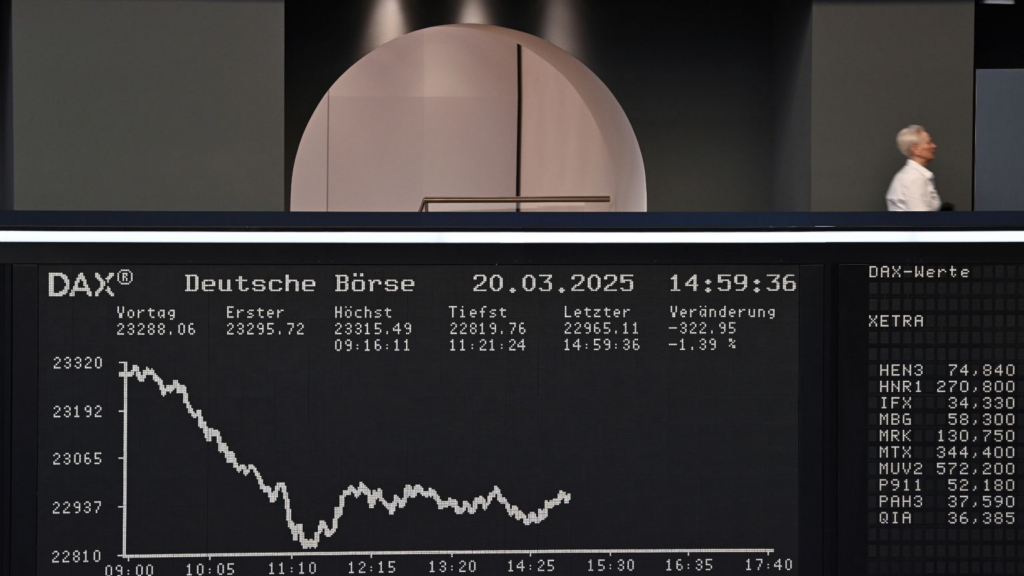
The recent DAX stock market rally has captured the attention of investors worldwide as it has impressively surpassed the 25,000 points milestone for the first time ever. Analysts have attributed this remarkable surge to a combination of factors, including hopes for falling oil prices following geopolitical tensions, specifically the U.S. attack on Venezuela, which many believe could lead to improved economic conditions. This rally reflects a broader optimism regarding the German economy, underpinned by the government’s significant spending on infrastructure and defense, which is expected to revitalize growth in 2026. Moreover, seasonal trends in January typically support a bullish sentiment in the markets, making this upward trajectory even more noteworthy. As stock market trends evolve, the DAX’s impressive performance signals renewed confidence among investors, especially against the backdrop of a recovering Eurozone.
In the world of financial markets, the DAX index is making headlines as it conquers new heights, with remarkable gains pushing it beyond the 25,000 point threshold for the first time. This dramatic turnaround can largely be linked to investor sentiment buoyed by expectations of lower oil prices amidst ongoing international conflicts, particularly the situation in Venezuela. As the German economy appears poised for a turnaround, thanks to government-enforced spending measures, many are looking at this as a beacon of hope amidst uncertain conditions. The recent rally is emblematic not only of the resilience of the DAX but also reflects a broader shift in stock market dynamics, where factors like geopolitical events and government policies could dramatically influence economic prospects. Therefore, as we analyze these trends, it becomes evident that the DAX’s substantial rises present a significant opportunity for investors to explore.
DAX Index Surpasses Historic Milestone
The DAX index has achieved a remarkable milestone, surpassing the 25,000-point mark for the first time. This notable increase signals not only a period of growth for the German stock market but also the resilience of the German economy in the face of global challenges. Such historical achievements in stock market indices often attract attention from global investors, showcasing the potential for high returns in robust economies like Germany’s.
Market analysts cite various factors contributing to this historic rise in the DAX, including substantial government spending aimed at improving infrastructure and enhancing military capabilities. This spending is seen as a catalyst for economic revitalization, fostering an optimistic outlook for the German economy as it enters 2026. The January seasonality trend, historically favored by investors, further augments the index’s ascendance, attracting bullish sentiment.
Impact of Global Events on DAX Performance
The recent U.S. military actions in Venezuela have led to a significant shift in market attitudes, impacting the DAX index positively. After the swift action against Venezuelan President Nicolás Maduro, a wave of optimism swept through global markets due to the prospect of falling oil prices. Analysts believe that lower oil prices will not only ease inflation but contribute to a stronger economic environment, benefitting major indices such as the DAX.
This optimism is critical, particularly in Europe, where the economy has faced various uncertainties. The DAX’s rise amidst geopolitical tensions is a testament to how quickly market sentiments can shift, with investors prioritizing potential future gains over current economic troubles. As oil prices stabilize and decline, the German economy could experience uplift, thus creating favorable conditions for the DAX index to maintain its growth trend.
Stock Market Trends and Investor Sentiment
Currently, the stock market sentiment is overwhelmingly positive, with the DAX index serving as a leading barometer for investor confidence in the German economy. Many investors are betting on a recovery spurred by government initiatives and increased resilience against external shocks. This positive sentiment is not only visible in the DAX but also in EURO Stoxx 50, which is gradually nearing the 6,000-point mark, indicating a broader European market rally.
Furthermore, as investors anticipate potential interest rate cuts by central banks due to decreasing oil prices, there is a renewed interest in equities. This trend reflects a strategic pivot back towards growth-oriented investments, particularly in a well-established index like the DAX which includes many globally competitive companies. Thus, the current stock market trends underscore a collective shift towards optimism, particularly within the DAX.
Economic Recovery Signals in the German Market
As the DAX index continues to surge, it appears to be reflecting broader economic recovery signals within Germany. Investors have been increasingly optimistic due to government plans for debt-financed infrastructure projects and streamlined regulations, which are conducive to growth. Such initiatives indicate a commitment to jumpstarting the economy, thus enhancing the appetite for investments in key sectors.
Moreover, despite facing a sluggish economic downturn, the DAX’s performance suggests that investors are focusing on long-term projections rather than immediate circumstances. This forward-looking approach is underlined by the strong international positioning of the 40 companies within the DAX, many of which generate significant revenue from operations abroad, thereby insulating them from domestic economic fluctuations.
The Role of Defense Stocks in the DAX Rally
The ongoing war in Ukraine has provided a particular boost to defense-related stocks within the DAX, contributing significantly to its recent rally. As defense spending increases and geopolitical tensions persist, these sectors have seen heightened investor interest. Analysts note that such stocks within the index have become pivotal in not only supporting the DAX but also contributing to broader market stability amid uncertainty.
Defense stocks often perform well in tumultuous times, as increased government spending in this area is likely, and investors seek security in industries that are seen as recession-proof. This strategic allocation of capital to defense firms has helped propel the DAX beyond the 25,000-point threshold, reflecting a market that is responsive to global events and their economic implications.
Future Outlook for the DAX and German Economy
Looking ahead, the DAX index is poised for continued growth as expectations for a strong German economy take hold. The potential for falling oil prices, coupled with increasing governmental investment, positions the DAX favorably. Economic experts suggest that, with appropriate management of external factors, the index could establish new records while enabling investors to profit as conditions improve across Europe.
Ultimately, it is essential for investors to closely monitor both domestic and international indicators that may impact the DAX’s trajectory. In a market shaped by volatility, those who understand the nexus of global events, economic policies, and stock market trends will be best equipped to capitalize on the opportunities presented by this historic rally.
Comparative Analysis of DAX and Other Major Indices
When analyzing the recent performance of the DAX in surpassing the 25,000-point mark, it is crucial to compare it with other major global indices, such as the Dow Jones Industrial and the EuroStoxx 50. The confluence of factors leading to DAX’s rise, including government spending and external market pressures, offers insights into how different markets respond to similar economic challenges.
The growth in the DAX is particularly significant when viewed against the backdrop of the EuroStoxx 50’s nearing the 6,000-point milestone. Such comparisons serve to highlight the DAX’s unique position within Europe, especially given its mix of global revenue-generating companies. Furthermore, as global investor appetite shifts, the DAX may attract increased attention, potentially driving further rallies in response to slowing or fluctuating conditions in markets elsewhere.
Investor Perspectives on Current Economic Climate
Investor perspectives on the current economic climate are shaping the outlook for the DAX, particularly as sentiment swings in response to geopolitical events and government policies. The optimism surrounding the German economy’s recovery has prompted many to reassess their investment strategies, with increased focus on long-term gains associated with the flourishing indices. Many market participants believe that Germany’s fundamentals provide a solid foundation for sustained growth.
Additionally, as investors assess potential opportunities arising from falling oil prices, they are likely to recalibrate their portfolios, leaning towards sectors that may outperform in the new economic landscape. The DAX, representing a dynamic cross-section of German corporate strength, is likely to benefit from this tactical shift as it continues to allure investors through its strategic alignment with current market trends.
Anticipating the Next Economic Cycle for the DAX
As the DAX surpasses historic highs, anticipation for the next economic cycle begins to build. Investors are weighing the likelihood of continued government intervention in the form of spending, regulatory adjustments, and fiscal stimulus, which will guide the DAX in the months to come. In a world increasingly shaped by rapid changes, understanding these trends is key for stakeholders in the German market.
Moreover, the upcoming quarters will likely see fluctuating oil prices influencing growth forecasts and stock valuations within the DAX. Investors must navigate these variables diligently, keeping a close eye on both domestic economic indicators and international developments that may steer market sentiment. The ability to adapt and forecast will be vital as the DAX embarks on what promises to be an intriguing and potentially lucrative economic cycle.
Frequently Asked Questions
What factors contributed to the recent DAX stock market rally?
The DAX stock market rally, which saw the index surpass 25,000 points for the first time, was driven by several key factors. Analysts attributed the rise to hopes for falling oil prices following geopolitical events, particularly the U.S. attack on Venezuela. Additionally, the German government’s substantial spending on infrastructure and defense has bolstered expectations for economic recovery in Germany, further fueling the DAX’s gains. January’s seasonal trends also contribute positively to stock market performance.
How did falling oil prices influence the DAX index?
Falling oil prices are critical to the DAX index’s recent rally, as cheaper oil can alleviate inflationary pressures and improve economic sentiment globally. The U.S. attack on Venezuela raised hopes for decreases in oil prices, leading to positive investor reactions and contributing to the DAX’s surge beyond 25,000 points. With reduced oil costs, companies in the DAX 40 can benefit from lower operational costs, boosting stock attractiveness.
Is the DAX index likely to maintain its rally amid domestic economic challenges?
While the DAX index has reached a historic high surpassing 25,000 points, its future performance may be impacted by ongoing domestic economic challenges in Germany. However, investors are typically forward-looking, focusing on potential profits rather than current economic downturns. If government initiatives and favorable global conditions, like falling oil prices and strategic infrastructure investments, continue to unfold, the DAX may maintain its upward trend.
How do defense stocks play a role in the DAX stock market rally?
Defense stocks have gained significant attention in the DAX stock market rally, particularly due to the ongoing war in Ukraine. Investors are increasingly bullish on defense companies as geopolitical tensions persist, contributing to the DAX’s surge beyond the 25,000 points mark. The government’s plans for increased military spending further enhance the outlook for these stocks, driving overall DAX performance amidst a complex economic landscape.
What does the DAX’s surpassing of 25,000 points indicate for the German economy?
The DAX surpassing the 25,000 points milestone suggests increasing optimism regarding the German economy, primarily driven by expected government investments and strategic spending. This rally reflects investor confidence in future economic recovery despite current sluggishness, positioning Germany as a potential growth area as international factors, such as falling oil prices and improved global market conditions, favor the DAX’s performance.
How might the U.S. attack on Venezuela affect international investors’ perceptions of the DAX?
The U.S. attack on Venezuela has, paradoxically, sparked hope among international investors regarding falling oil prices, which can positively influence the DAX index. By mitigating inflation and enhancing consumer spending power, this geopolitical event indirectly boosts the attractiveness of the DAX stock market rally, driving foreign investor interest and contributing to the index crossing the significant threshold of 25,000 points.
| Key Points | Details |
|---|---|
| DAX Surpasses 25,000 Points | The DAX index has reached 25,003.73 points, marking a historical milestone. |
| Market Influences | Hopes for falling oil prices after the U.S. attack on Venezuela boosted market sentiment. |
| Economic Stimulus | Government spending on infrastructure and armament has positively influenced investor outlook for the German economy. |
| Seasonal Trends | January is typically a strong month for stock markets, contributing to the DAX rally. |
| Conflicts Impact | Ongoing conflicts, particularly in Ukraine, have driven interest in defense stocks. |
| Positive Investor Sentiment | Market sentiment is buoyant, reflecting a renewed appetite for stocks amid concerns about U.S. markets. |
Summary
The DAX stock market rally has reached a historical milestone by surpassing 25,000 points for the first time. This surge is primarily driven by favorable economic forecasts, decreased oil prices due to geopolitical events, and significant government investments aimed at revitalizing the German economy. As investors remain optimistic about future profits, the overall sentiment reflects a strong rebound, even amid ongoing economic challenges.

