
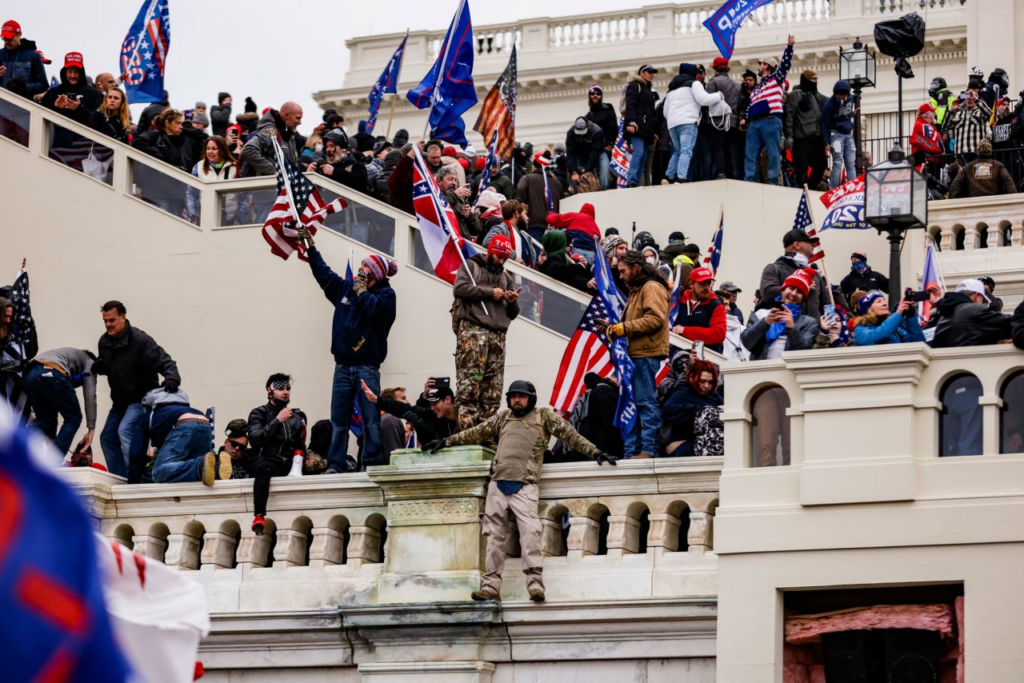
The storming of the Capitol on January 6, 2021, marked a significant turning point in American history, serving as a stark reminder of the political divisions gripping the nation. As the fifth anniversary of this harrowing event approaches, there will be no official commemorative events, leaving many questioning the impact and consequences of that day’s actions. In the absence of a formal remembrance, Democratic representatives are set to gather and pay tribute to the police officers who bravely defended democracy amid the chaos of the US Capitol riot. The tension surrounding the anniversary extends to ongoing disputes about how to honor this momentous day, with discussions revolving around the narratives of Trump and January 6 still deeply polarizing. Commemorating January 6 is not simply about remembering the violence; it’s about confronting the underlying issues that have driven a wedge between Americans since that fateful day.
The January 6 anniversary evokes memories of the Capitol insurrection that aimed to overturn the democratic process in the United States. On that fateful day, individuals stormed the nation’s legislative heart, illustrating profound political strife among citizens. As the country reflects on those events, the concept of honoring the sacrifices made by law enforcement officials becomes paramount in acknowledging the resilience of democracy. Alternatives to the official commemoration have emerged as diverse political groups seek to express their narratives about the US Capitol riot. Whether viewed through the lens of trauma or political dissent, this day in history serves as a cautionary tale about the fragility of democratic norms.
Reflecting on the Storming of the Capitol: A Divided Nation
As we commemorate the fifth anniversary of the storming of the Capitol, it is crucial to reflect on the deep political divisions that have emerged in the wake of that fateful day. January 6, 2021, was a moment that highlighted significant fractures within American society, as supporters of former President Trump clashed with law enforcement while attempting to overturn the certification of the presidential election. The absence of an official commemoration this year further illustrates the disparate narratives surrounding the event, as both the Republican and Democratic parties struggle to find common ground on how to view the Capitol riot.
The political landscape remains polarized, with many Democrats viewing the storming of the Capitol as a direct assault on democracy. On the contrary, some Republicans have characterized the events of January 6 as a misguided protest rather than an outright insurrection. This discord has led to a narrative battle, where the significance of the day is interpreted through highly partisan lenses. Commemorating January 6 means different things to each side, leaving the nation in a position where healing and understanding seem out of reach.
The Impact of Commemoration on Democracy
The lack of official memorial events to honor the police officers who defended the Capitol raises questions about how a nation can truly reconcile its history. The unresolved installation of a commemorative plaque intended to honor their bravery reflects a broader reluctance to confront the realities of that day. Without acknowledgment, the sacrifices made during the Capitol riot could fade from collective memory, leading future generations to overlook the lessons learned from political extremism and violence.
Douglas Brinkley, a historian, points to the need for future generations to discern the true significance of January 6. It is imperative that the country not forget the importance of democracy and the dangers posed to it by political violence. A memorial could serve as a stark reminder of the fragility of democratic institutions, inspiring citizens to remain vigilant against similar threats in the future. As the fifth anniversary passes without official recognition, it is essential for communities to engage in their own forms of remembrance that highlight the consequences of division and the importance of collective unity.
Trump’s Meetings on the Anniversary of the Capitol Riot
On this fifth anniversary of the storming of the Capitol, former President Trump opted for private meetings with Republican members rather than participating in public commemorative events. This decision is indicative of the ongoing political rift that has failed to heal since January 6, 2021. By choosing to meet at the Kennedy Center, Trump continues to distance himself from the implications of the Capitol riot while simultaneously reaffirming his influence within the Republican party, as many view him as the pivotal figure responsible for inciting the violence that day.
Trump’s actions contrast sharply with those of Democratic representatives who are striving to remember the tragic events of January 6. Their plan to speak with witnesses and gather at the Capitol signals an effort to ensure that this turning point in American history is not forgotten. In this context, Trump’s avoidance of a reflective moment only underscores the broader issues of accountability and narrative that plague Congress today. The stark differences in how these two sides remember the storming of the Capitol only deepen the political divisions that persist in America.
The struggle for narrative control surrounding the Capitol riot highlights the broader cultural and political battles within the nation. For many, the storming of the Capitol is a symbol of the fragility of democracy and the extreme measures some will take to validate their political beliefs. As the country navigates this anniversary, the need for open dialogue and commemoration is more pressing than ever, reminding us of the need to learn from our past in order to secure a better future.
Police Officers’ Sacrifice: An Overlooked Narrative
The sacrifices made by police officers on January 6 continue to be downplayed as the nation grapples with the storming of the Capitol. Despite Congressional approval for a commemorative plaque, its installation has been delayed, raising concerns about the continued recognition of those who put their lives on the line to protect democracy. The absence of acknowledgment speaks to a larger truth about the political environment today, wherein the actions of law enforcement are scrutinized and politicized rather than celebrated.
The struggles faced by the officers during the siege have also led to calls for accountability for those who incited the violence. As efforts continue to establish a proper memorial for these defenders of democracy, questions remain about how such acknowledgments can influence the Justice Department’s ongoing legal battles. Recognizing the bravery of these officers is paramount not only for their sake but to serve as a reminder to the nation about the costs of political unrest and the fundamental duty of law enforcement in preserving order.
Commemorative Efforts by Congressional Representatives
In the absence of an official commemoration, many congressional representatives, particularly Democrats, have taken it upon themselves to honor the fifth anniversary of the storming of the Capitol. Their initiatives include displaying reproductions of the memorial plaque for January 6 in front of their offices, effectively creating a grassroots memorial in an attempt to fill the void left by official neglect. These acts symbolize the commitment of some lawmakers to ensure that the memories of the events and the heroism of those involved are preserved.
This symbol of remembrance contrasts sharply with the ongoing political narrative that seeks to minimize the significance of January 6. By creating makeshift memorials, these representatives are working against the tide of misinformation and apathy that threatens to overshadow a pivotal moment in American history. The grassroots efforts serve not only as a commemoration of that day but also as a reminder to the public that political and civic responsibility is essential in safeguarding democracy.
Future Generations and the Legacy of January 6
As society reflects on the significance of the storming of the Capitol, the question arises: how will future generations interpret this moment in history? The lack of consensus among American citizens about the events of January 6 has led to fragmented narratives that could influence how history is taught and remembered. Will January 6 be portrayed as a critical moment of danger for democracy, or will it be dismissed as an aberration? The implications of these interpretations are profound, affecting not only the political landscape but also the civic education of future Americans.
Engagement with the legacy of January 6 is critical as it shapes the way citizens understand their rights and responsibilities within a democracy. The importance of commemorating the sacrifices made by individuals during the Capitol riot must be stressed to ensure that such events are contextualized and understood properly. By fostering open discussions about the fallout of January 6, society can cultivate a more informed electorate, one that remains vigilant against threats to democracy.
The Role of Memorialization in Healing Political Divisions
The act of remembering significant historical events serves not just as a tribute but as a crucial mechanism for healing and understanding societal rifts. The storming of the Capitol was not merely an isolated incident; it represents a culmination of political tensions that have been brewing for years. Effective memorialization can play a vital role in bridging the political divisions that persist across the country, helping constituents find common ground through shared historical experiences.
By encouraging dialogue about the events of January 6, memorials can foster reconciliation efforts that are so desperately needed in today’s polarized climate. Understanding the factors that led to such violence can aid in rectifying systemic issues within the political framework. Creating inclusive spaces to discuss these themes will be essential for moving forward together as a nation, ensuring that vital lessons are learned from one of the most tumultuous days in recent U.S. history.
Challenging the Silence: Activism on January 6
The absence of official commemoration on the anniversary of January 6 serves as a call to action for activists and concerned citizens alike. It not only reflects a significant oversight but also highlights the need for grassroots movements to take the lead in highlighting the historical consequences of the storming of the Capitol. As prominent voices like Enrique Tarrio attempt to reshape narratives around the event, it affirms the critical role that activism plays in defining and redefining crucial moments in history.
Activists have the power to influence the narrative by organizing events, raising awareness, and creating memorials that serve as reminders of the ongoing struggle for democracy. Their efforts are vital in challenging the silence that surrounds controversial events like January 6, compelling the public to confront uncomfortable truths about political extremism and accountability. The legacy of this day can serve as a rallying point for those who believe in the fundamental tenets of democracy, underscoring the importance of participating in a well-informed civic discourse.
The Future of Commemoration in a Polarized America
As the nation marks the fifth anniversary of the storming of the Capitol, there lies a critical question regarding the future of political commemoration in a highly polarized climate. The absence of an official commemoration reveals the challenges lawmakers face in navigating the competing narratives from both sides of the aisle. This landscape calls for innovative approaches to memorialization that transcend partisan divides and promote collective historical understanding.
For memorials to be impactful, they must not only honor the events of January 6 but also encourage dialogue and reflection on the broader implications for American democracy. Moving beyond echo chambers will be vital as political discourse continues to evolve. The challenge lies in creating commemorative traditions that not only acknowledge the past but also inspire action towards a more united future—one where the lessons learned from the storming of the Capitol lead to positive change rather than further division.
Frequently Asked Questions
What happened during the storming of the Capitol on January 6, 2021?
On January 6, 2021, supporters of then-President Donald Trump stormed the US Capitol in an attempt to overturn the election results confirming Joe Biden’s victory. The crowd clashed with law enforcement and breached the Capitol building, leading to significant unrest and a temporary lockdown of Congress.
Why is there no official commemoration for the January 6 anniversary of the Capitol riot in 2026?
As of January 6, 2026, there are no official commemorative events planned for the anniversary of the storming of the Capitol. This absence has drawn attention amidst ongoing political divisions and discussions about the significance of the events on that day.
What actions are being taken by Democratic representatives to remember January 6?
Democratic representatives plan to engage with witnesses of the January 6 violence and gather on the steps of the Capitol to commemorate the events. They have also been displaying reproductions of a memorial plaque to honor police officers who defended democracy during the Capitol riot.
What impact did the storming of the Capitol have on US politics?
The storming of the Capitol has heightened political divisions in the United States, making it challenging for Republicans and Democrats to agree on a common narrative of the events. This has further exacerbated tensions within the political landscape, influencing discussions on democracy and governance.
Who was called to commemorate the storming of the Capitol and why?
Enrique Tarrio, the former leader of the Proud Boys, called for a march to commemorate the storming of the Capitol and to honor Trump supporter Ashli Babbitt and other victims of the January 6 violence, emphasizing a narrative from a perspective that sees the events in a patriotic light.
What is the status of the memorial plaque intended for the police officers honored for their role on January 6?
The memorial plaque intended to honor police officers who defended the Capitol on January 6, 2021, remains missing as of 2026, despite a Congressional resolution passed in 2022 that required its installation by early 2023.
How has public perception of the storming of the Capitol evolved since January 6, 2021?
Public perception of the storming of the Capitol remains divided. Scholars like Douglas Brinkley pose questions about its legacy, pondering if it will be regarded as a pivotal moment for democracy or simply an outlier event in history.
What is President Trump’s response to the anniversary of the storming of the Capitol?
On the fifth anniversary of the storming of the Capitol, President Trump scheduled meetings with Republican representatives at the Kennedy Center, indicating his continued influence and presence in the GOP despite the political fallout from January 6.
| Key Points | Details |
|---|---|
| No official commemoration on anniversary | As of January 6, 2026, there are no planned memorial events for the storming of the Capitol. |
| Missing commemorative plaque | The plaque intended to honor the police officers is still not installed despite a Congressional resolution. |
| Democratic representatives’ actions | Democrats intend to gather to remember the events and speak with witnesses. |
| Trump’s meetings with Republicans | Former President Trump scheduled events with Republican members at the Kennedy Center. |
| Divided narratives on events | Republicans and Democrats have different interpretations of the events of January 6. |
| Historical perspective | Questions remain about the significance of January 6 in U.S. history and future remembrance. |
Summary
The storming of the Capitol remains a deeply polarizing event in American history. On its fifth anniversary, no official commemorative events are scheduled, highlighting ongoing divisions surrounding the event and its memory. While Democrats aim to honor the police who defended democracy, former President Trump’s alternative gatherings further illustrate the country’s rift. As discussions about the significance of January 6 continue, the absence of a cohesive narrative may hinder national unity and reflection on this critical moment.

