
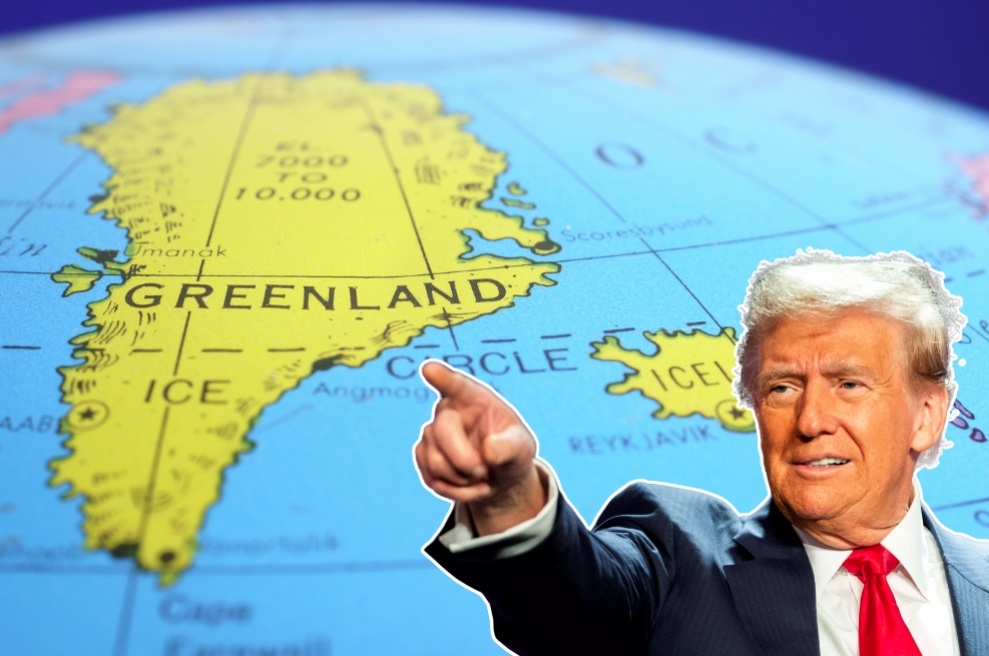
The Greenland dispute has escalated recently as the U.S. asserts its claims over the Arctic island, prompting a wave of European solidarity with Denmark and Greenland. With increasing interest in Arctic sovereignty, seven European nations, including Germany, have united in emphasizing Denmark’s right to govern the region. This situation reflects a broader concern regarding NATO security in the Arctic, where the stability of alliances is crucial amid U.S. assertions. Moreover, the European leaders’ joint statement reiterates that decisions regarding Greenland should be made solely by the island’s inhabitants and their government, reinforcing the idea of self-determination within the context of Denmark and Greenland. As tensions rise, this diplomatic situation highlights the importance of European solidarity in the face of external pressures and the complexities of international claims in the Arctic.
Amid growing geopolitical tensions, the ongoing issue surrounding this northern territory has come to be known as the Greenland dispute, symbolizing a clash between major world powers over Arctic governance. The controversy revolves around the U.S. claims regarding the island, showcasing the delicate balance of relationships between Denmark, Greenland, and the broader European community. Observers note that this situation not only implicates matters of territorial integrity and national sovereignty but also serves as a critical test of European unity and commitment to collective defense strategies. Issues of Arctic security are becoming increasingly urgent, with NATO’s role coming to the forefront as nations grapple with securing their interests in an area of strategic importance. The unfolding scenarios reflect the intricate web of diplomacy required to address the challenges posed by powerful nations seeking influence over the Arctic region.
Understanding the Greenland Dispute
The Greenland dispute has emerged as a significant geopolitical issue, particularly following the renewed claims by the United States to assert control over the Arctic island. Greenland, while part of the Kingdom of Denmark, enjoys a high degree of autonomy, leading to a complicated relationship between these parties. Recent statements from U.S. President Donald Trump emphasizing the island’s strategic importance for American national security have drawn reactions from far beyond Denmark. The urgency of this claim highlights concerns about Arctic sovereignty and the potential for heightened tensions among nations vying for influence in this resource-rich region.
In response to U.S. claims, seven European nations have voiced their solidarity with Denmark, reinforcing the message that Greenland’s future should be determined by its residents and Denmark, not external powers. The unity displayed by these countries underscores the significance of European solidarity in the face of U.S. assertiveness. This cooperation aims to uphold the tenets of international law, particularly the principles outlined in the UN Charter, which emphasizes respect for sovereignty and territorial integrity. Such positions reflect a collective European commitment to safeguarding Arctic stability amidst growing geopolitical challenges.
The Role of NATO and European Solidarity in Arctic Security
As the Greenland dispute unfolds, the role of NATO becomes increasingly crucial. The leaders from Denmark, Germany, and other European nations reaffirmed that Greenland’s security is a matter that concerns NATO allies, particularly with the historical context of Denmark being a member of the organization. Any military threats to Greenland must be addressed collectively, leveraging the existing defense agreements between Denmark and the U.S. from 1951. This calls for a collective response not only to safeguard the territory but also to affirm the principle of mutual defense that underlies NATO’s foundational mandate.
European solidarity in this matter also serves as a reminder of the interconnectedness of national security in the Arctic. European voices are increasingly advocating for a unified approach, which may include measures such as establishing a dedicated European Security Council to ensure that collective security strategies are aligned with the realities of 21st-century threats. The recent willingness to discuss the deployment of European troops to Greenland further reflects a shift in European defense postures as they recognize the need to actively participate in maintaining security in their own neighborhood – the Arctic region.
The US Claims Over Greenland: Implications for Global Politics
The ongoing U.S. claims over Greenland signify a broader strategy to consolidate influence in the Arctic, where climate change is opening new shipping lanes and access to untapped natural resources. Trump’s administration’s insistence that Greenland is critical for U.S. national security raises questions about the balance of power in this region. These claims have not only sparked outrage in Denmark but have also prompted European powers to reassess their own strategic interests and responses to American policies that might destabilize existing treaties and alliances.
The implications of U.S. claims extend beyond the immediate dispute, influencing diplomatic relations and security collaborations globally. For instance, European leaders have reaffirmed their commitment to the principles of international law, suggesting that they will not passively accept changes to the status quo without concerted efforts to protect their interests. This dynamic illustrates how the Arctic is becoming a focal point for contested global governance, pushing countries to navigate the complexities of sovereignty, security, and diplomacy in a rapidly changing geopolitical landscape.
Historical Context and Current Assertions of Sovereignty
The historical relationship between Greenland and Denmark is marked by a delicate balance of autonomy and authority. While Greenland remains a territory of the Kingdom of Denmark, it has significant self-government, which complicates external claims of sovereignty, especially from powers like the United States. Understanding this historical precedent is crucial to comprehending current assertions and counterclaims regarding the Arctic island. The nuances of this relationship emphasize the need for all parties to engage in diplomatic dialogue to resolve potential disputes honorably and legally.
Furthermore, the assertion of U.S. sovereignty over Greenland, reminiscent of colonial attitudes, raises ethical questions about respect for the indigenous people’s rights to self-determination. With Greenland’s unique cultural and political landscape, the claims over its territory must consider the voices of its residents, who value their autonomy and heritage. This dimension adds depth to the existing political discourse, pressing for solutions that honor the historical context while addressing present-day security concerns in the Arctic.
Responses from European Leaders to U.S. Claims
European leaders have reacted decisively to the U.S. claims over Greenland, with many calling for a unified response that emphasizes the importance of upholding Denmark’s sovereignty. The recent statement from seven countries highlights the shift towards collective action in defense of international norms. Statements by prominent leaders, including German Chancellor Friedrich Merz and Danish Prime Minister Mette Frederiksen, reflect a strong consensus that any decisions regarding Greenland must prioritize the voices of its inhabitants over external ambitions.
Furthermore, this collective stance serves as a reminder of Europe’s potential to play a pivotal role in Arctic governance. By advocating for shared principles anchored in the UN Charter, these leaders highlight the necessity of keeping international legal frameworks at the forefront of geopolitical discourse. The emphasis on European solidarity also indicates a desire to move beyond passive responses to assertive foreign policies, positioning Europe as a proactive player in Arctic affairs.
The Impact of U.S. Policies on European Security Dynamics
The assertiveness displayed by the Trump administration in its claims over Greenland has significant implications for European security dynamics. Many European nations see this behavior as indicative of a broader trend that threatens established international norms and alliances. For Europe, the stability of Greenland is not merely an issue of local governance but also a matter of regional security that requires active diplomatic engagement with both the U.S. and global allies. The interconnected nature of Arctic sovereignty and NATO’s security framework can trigger cooperation or discord among member states.
As European leaders work collaboratively to counter the unilateral U.S. claims, they must also consider the potential for establishing more robust mechanisms for security cooperation in the Arctic. This could involve joint military exercises or reshaping the defense strategies within NATO to address emerging security challenges posed by heightened tensions in the region. In this light, enforcing principles like territorial integrity and adherence to international law not only reinforces regional stability but also strengthens transatlantic ties in an era of geopolitical uncertainty.
Future Prospects for Greenland’s Political Status
Looking ahead, the political status of Greenland remains a topic of profound interest amid competing international claims. With its vast mineral resources and strategic geographic position, Greenland’s future could greatly influence global economic and military politics. The ongoing discourse surrounding its autonomy raises questions about potential referendums or negotiations that could alter its relationship with Denmark and broader international actors. Such discussions must thoughtfully consider the aspirations of Greenlanders and their right to self-determination.
Additionally, the international community’s response to the Greenland dispute will likely shape future engagements in the Arctic. If countries can find common ground emphasizing respect for sovereignty and cooperation, there could be pathways to a peaceful resolution that promotes regional stability. Conversely, failing to address these issues collaboratively may lead to further disputes and tensions, which would ultimately hinder the prospects for cooperative governance in an increasingly contested Arctic.
International Law and Its Relevance to the Greenland Dispute
International law plays a critical role in mediating conflicts like the Greenland dispute, offering frameworks that govern state interactions and territorial claims. The principles outlined in documents such as the UN Charter underpin the discussions surrounding sovereignty, especially as they pertain to Greenland’s status as part of the Kingdom of Denmark. A thorough understanding of international law is necessary for all parties involved to navigate these claims effectively, as violations could lead to geopolitical fallout and disrupt existing alliances within NATO.
Moreover, the relevance of international law extends beyond mere rhetoric; it provides a pathway for resolving disputes through recognized legal channels. This means that any U.S. attempts to enforce claims over Greenland must be scrutinized under international legal standards. European leaders’ emphasis on upholding these standards highlights their commitment to establishing a legal basis for any actions taken. In this light, the Greenland dispute can serve as a litmus test for the efficacy and resilience of international law in addressing contemporary territorial issues.
The Future of Arctic Sovereignty Amid Global Climate Change
Climate change has dramatically altered the Arctic landscape, accelerating geopolitical interest in territories like Greenland. As melting ice unveils new shipping routes and resource deposits, the urgency for establishing firm sovereignty claims intensifies. The Greenland dispute exemplifies how global climate phenomena intersect with national interests, compounding the complexities of Arctic sovereignty. This reality necessitates a reevaluation of political strategies and international cooperation, as the melting ice suggests that the future economic and environmental viability of the region will hinge on collaborative governance.
Europe’s proactive stance in the Greenland dispute signifies a broader commitment to addressing the challenges posed by climate change. By promoting sustainable development and cooperative environmental policies, European nations can work towards a future that values both national interests and the ecological integrity of the Arctic. Fostering relationships that emphasize environmental stewardship will be pivotal in ensuring that sovereignty claims over Greenland do not lead to exploitative practices that could ultimately jeopardize the region’s fragile ecosystems.
Frequently Asked Questions
What is the Greenland dispute and how does it relate to Arctic sovereignty?
The Greenland dispute primarily revolves around U.S. claims over Greenland, an autonomous territory of Denmark, which has sparked significant discussions regarding Arctic sovereignty. The U.S. government has reaffirmed its interest in Greenland, citing national security concerns. In response, Denmark and various European countries have emphasized that decisions about Greenland should remain in the hands of its people, thereby asserting their territorial integrity and sovereignty.
How did European countries respond to recent U.S. claims over Greenland?
In light of the U.S. claims regarding Greenland, seven European countries, including Germany, expressed solidarity with Denmark. They stressed the importance of adhering to the UN Charter principles and declared that only Denmark and the people of Greenland can determine matters concerning the territory. This unified stance underscores European solidarity in the face of external claims over Arctic sovereignty.
What role does NATO play in the context of the Greenland dispute?
NATO plays a crucial role in the Greenland dispute as Denmark, which governs Greenland, is a NATO member. The European leaders’ statements highlighted that the security of the Arctic, including Greenland, should be a collective concern for NATO allies. This emphasizes the importance of maintaining security and territorial integrity in the Arctic region amidst U.S. claims.
What historical agreements exist between Denmark and the U.S. regarding Greenland?
A significant historical agreement between Denmark and the U.S. is the defense agreement established in 1951, which allows for U.S. military presence in Greenland. This agreement underlines the strategic importance of the island within the context of NATO security, particularly as tensions rise concerning Arctic sovereignty and U.S. claims over Greenland.
Why are some European leaders advocating for military action concerning Greenland?
Some European leaders, including members of the European Parliament, are advocating for military preparedness, including potentially sending European troops to Greenland, in response to perceived threats from U.S. claims. This reflects concerns about the geopolitical implications of Arctic sovereignty and the need for Europe to defend its interests proactively.
How has Danish Prime Minister Mette Frederiksen responded to the U.S. claims over Greenland?
Danish Prime Minister Mette Frederiksen has firmly stated that Greenland belongs to its people and that any military aggression towards NATO members, including Denmark, would fundamentally disrupt the Western defense alliance. Her position emphasizes the importance of maintaining peace and cooperation in the face of U.S. assertions regarding Greenland.
What are the implications of the Greenland dispute for European security and solidarity?
The Greenland dispute has significant implications for European security and solidarity, as it challenges the established principles of territorial integrity and international cooperation. The unified response from several European nations highlights the need for a coordinated approach to uphold sovereignty, particularly in the context of NATO security in the Arctic, and reinforces the necessity for Europe to act decisively in defense of its interests.
| Key Points |
|---|
| The U.S. claims control over Greenland, leading to dismay from Denmark and solidarity from seven European countries including Germany. |
| A statement signed by key leaders emphasizes that only Denmark and Greenland can decide on matters concerning them, asserting Greenland belongs to its people. |
| European leaders reaffirm the importance of the UN Charter principles regarding sovereignty and territorial integrity. |
| The U.S. claims Greenland is vital for national security, with recent reaffirmations from President Trump and his officials. |
| Calls for EU action have surfaced, including proposals for sending European troops to Greenland amid potential military threats. |
| Denmark’s Prime Minister warns that an attack on a NATO ally would dismantle the Western defense alliance established post-World War II. |
Summary
The Greenland dispute highlights the tension between U.S. claims and European solidarity regarding the Arctic island. As the U.S. government asserts its position, European nations, led by Germany and several key leaders, maintain that the fate of Greenland should be determined by Denmark and its people. This ongoing dispute underscores the geopolitical complexities surrounding defense alliances and territorial sovereignty, making it crucial for diplomatic dialogue to prevail.

