
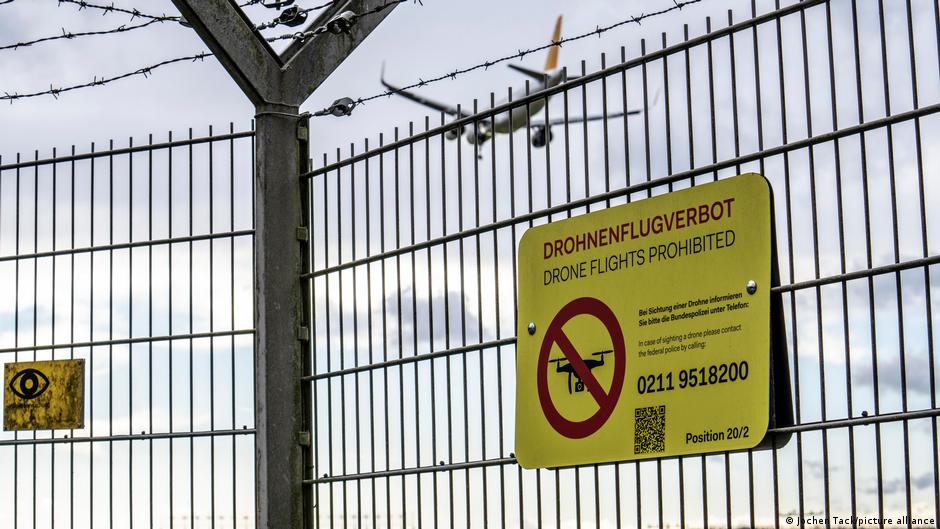
The recent Berlin power supply attack has brought to light the concerning issue of German infrastructure vulnerability, highlighting critical gaps in our national security. BDK Chief Peglow has emphasized that such assaults threaten not only energy supply but also the very foundations of societal stability. As the Federation of German Criminal Police Officers reinforces the need for improved infrastructure security, we face an urgent call to address the risks associated with our energy systems. The implications of such vulnerabilities extend beyond the occasional blackout; they pose an ongoing energy supply threat that could destabilize entire regions. In a world where cyber and physical attacks are increasingly common, safeguarding our infrastructure must become a national priority.
Germany’s critical systems face significant exposure to various threats, particularly in the wake of incident reports such as the Berlin power supply attack. Experts like BDK Chief Peglow advocate for heightened vigilance from the German criminal police to safeguard these vital networks. Vulnerabilities in infrastructure not only pertain to energy but encompass various sectors that form the backbone of our economy and public safety. The urgency to implement robust infrastructure security measures cannot be overstated, as these attacks disrupt life and undermine public confidence in essential services. Addressing this growing concern involves understanding the broader implications of our energy supply threats on national resilience.
Understanding the Berlin Power Supply Attack
The recent Berlin power supply attack has raised significant concerns regarding the security of Germany’s infrastructure. This incident highlights vulnerabilities within critical energy systems, prompting both public and governmental scrutiny. The attack not only disrupted electricity supply but also unearthed serious questions surrounding the preparedness of German infrastructure to withstand such threats, further stressing the importance of maintaining robust security protocols.
In light of this attack, BDK Chief Dirk Peglow has emphasized the need for an urgent review of national infrastructure defenses. Such attacks are not merely criminal acts; they are disruptive events that target the foundation of our supplies and can lead to widespread chaos. Addressing these vulnerabilities is imperative to ensure continuity in energy supply and protect citizens from similar threats in the future.
BDK Chief Peglow’s Warnings on Infrastructure Vulnerability
BDK Chief Peglow’s recent warnings underscore the pressing need to address the vulnerabilities present within Germany’s infrastructure. His statements reflect a broader recognition of how an attack on a power supply can be indicative of systemic weaknesses in infrastructure security. Peglow expresses concern that such vulnerabilities could be exploited by criminals or hostile entities, potentially leading to more severe consequences.
Furthermore, Peglow’s call to action is crucial as it aims to mobilize resources and focus attention on the energy supply threat faced by the nation. The German criminal police are now tasked with investigating not just the immediate ramifications of the Berlin attack but also the underlying security policies that govern infrastructure protection. This proactive stance could prevent future supply disruptions and ensure a more resilient energy framework for Germany.
The Role of the German Criminal Police in Infrastructure Security
In the aftermath of the attack on Berlin’s power supply, the German criminal police are playing a pivotal role in addressing infrastructure security challenges. Their involvement is critical not only for the investigation of the recent incidents but also for developing strategies aimed at preventing future vulnerabilities. This effort includes close collaboration with government agencies to enhance protective measures for essential services.
As experts in crime prevention, the German criminal police are equipped to identify potential threats to infrastructure and recommend best practices for safeguarding against them. Their insights could influence policy changes that reinforce infrastructure security, addressing the deficiencies that the Berlin incident has revealed. By leveraging intelligence and community engagement, the police aim to establish a more secure energy supply landscape.
Analyzing Energy Supply Threats in Modern Germany
The looming threat to energy supplies, emphasized by the Berlin power supply attack, is a reminder of the vulnerabilities faced by modern societies. As cities grow and our reliance on continuous energy increases, the risk associated with infrastructure attacks also escalates. It is crucial for stakeholders to understand these threats and work collaboratively to mitigate them through enhanced security frameworks.
Consequently, energy supply threats should not only be addressed through reactive measures but also through proactive strategies that foresee and fortify against potential attacks. This involves integrating advanced tech solutions and fostering public awareness about the importance of infrastructure security so that communities are better prepared to respond to incidents that may threaten their essential services.
Strategies for Strengthening German Infrastructure Security
In light of the recent attack on Berlin’s infrastructure, it has never been more pertinent for Germany to develop comprehensive strategies for strengthening its infrastructure security. This entails conducting thorough assessments of current systems, identifying weaknesses, and implementing robust protocols to protect against future attacks. Government agencies, alongside the BDK, must prioritize infrastructure resilience in their planning and operations.
Moreover, investing in innovative technologies plays a crucial role in safeguarding infrastructure. From improved surveillance systems to rapid response frameworks, adopting advanced solutions can significantly reduce vulnerability to attacks. Comprehensive training for personnel responsible for infrastructure management is also essential, ensuring that they are equipped with the skills needed to address potential threats proactively.
Public Awareness and Education on Infrastructure Vulnerability
Addressing infrastructure vulnerability begins with public awareness and education. Engaging citizens about the importance of infrastructure security and the potential risks involved can help foster a culture of vigilance. Community programs aimed at educating the public on recognizing suspicious activities can serve as a frontline defense against infrastructure attacks.
Furthermore, collaboration between public institutions and private sectors can enhance education efforts. Workshops, seminars, and informational campaigns could empower citizens to contribute to the safety of their surroundings. When individuals and communities are informed and engaged, they become active participants in maintaining the security of critical services, ultimately fortifying the backbone of the nation’s infrastructure.
Collaboration Between Agencies for Enhanced Security
Collaboration between various agencies is crucial in enhancing national infrastructure security, particularly in the wake of the Berlin power supply attack. The integration of efforts from the German criminal police, governmental bodies, and private sector stakeholders can create a unified front against potential threats. By sharing information and resources, these entities can work together to develop effective security frameworks.
Such collaboration fosters a comprehensive approach to combating infrastructure vulnerabilities, ensuring that all aspects—from prevention to response—are accounted for. This collective strategy is vital in addressing the complexities of threats faced by Germany’s energy supply and reinforcing the resilience of the entire infrastructure system.
Legislative Responses to Infrastructure Attacks
The Berlin power supply attack serves as a catalyst for potential legislative responses aimed at bolstering infrastructure security. Lawmakers are likely to assess current policies and regulations concerning energy supply protection, seeking ways to enhance legal frameworks that govern the safety of critical infrastructures. New legislation may introduce stricter penalties for those who perpetrate attacks against vital services.
Moreover, lawmakers could advocate for increased funding allocated to infrastructure resilience projects. By emphasizing the significance of safeguarding energy supply systems, they can mobilize resources required to implement advanced security measures. Legislative action is essential to create a proactive environment where vulnerabilities are addressed before they manifest into threats.
Future Directions for German Energy Supply Resilience
Looking ahead, fostering resilience in German energy supply systems is imperative in a landscape fraught with potential threats. Future directions must focus on integrating cutting-edge technology and innovative practices that enhance security protocols. This may include the adoption of smart grid technologies that not only optimize energy distribution but also monitor for potential disruptions in real-time.
Additionally, investing in diversified energy sources can alleviate the nation’s reliance on singular supply chains, thereby diminishing risk. By promoting renewable energy sources and local generation, Germany can create a more robust energy landscape. The path forward must prioritize resilience, ensuring that infrastructure capable of withstanding attacks becomes a central component of national strategy.
Frequently Asked Questions
What did BDK Chief Peglow say about the vulnerability of German infrastructure after the Berlin power supply attack?
After the Berlin power supply attack, BDK Chief Peglow emphasized that it was a targeted assault on the foundation of German infrastructure. He stated it highlights the significant vulnerabilities in our infrastructure security and the rising threat to energy supply.
How does the Berlin power supply attack relate to the overall security of German infrastructure?
The Berlin power supply attack serves as a stark reminder of the vulnerabilities present in German infrastructure. It underscores the need for enhanced infrastructure security measures to protect against potential threats to our energy supply and maintain public safety.
What is being done by German criminal police to address the threats to infrastructure security?
Following incidents like the Berlin power supply attack, the German criminal police are actively investigating vulnerabilities in the infrastructure and collaborating with security agencies to bolster defenses against potential threats to energy supply and ensure the protection of critical services.
Why is the Berlin power supply attack considered a significant concern for Germany’s energy supply security?
The Berlin power supply attack highlights the fragility of Germany’s energy supply system, raising alarms about infrastructure vulnerability. This incident stresses the importance of strengthening infrastructure security to prevent similar attacks that could disrupt essential energy services.
What measures can be taken to improve German infrastructure vulnerability against future attacks?
To address German infrastructure vulnerability, measures such as investing in advanced security technologies, enhancing surveillance systems, increasing collaboration between law enforcement and infrastructure managers, and conducting regular risk assessments are crucial to safeguard energy supply against potential threats.
| Key Point | Details |
|---|---|
| Attack on Power Supply | A recent incident in Berlin focuses attention on the vulnerabilities within German infrastructure. |
| Dirk Peglow’s Warning | The BDK Chairman emphasizes the attack as a fundamental threat to supply systems. |
| Targeted Nature of the Attack | Indicates a deliberate effort to undermine essential services and security. |
Summary
German infrastructure vulnerability is highlighted by the recent attack on Berlin’s power supply, as emphasized by BDK Chief Peglow. This incident not only showcases the existing weaknesses in the infrastructure but also calls for immediate attention to safeguard against future threats. The implications of such vulnerabilities are profound, affecting not only energy supplies but also the general security and stability of the country.

