
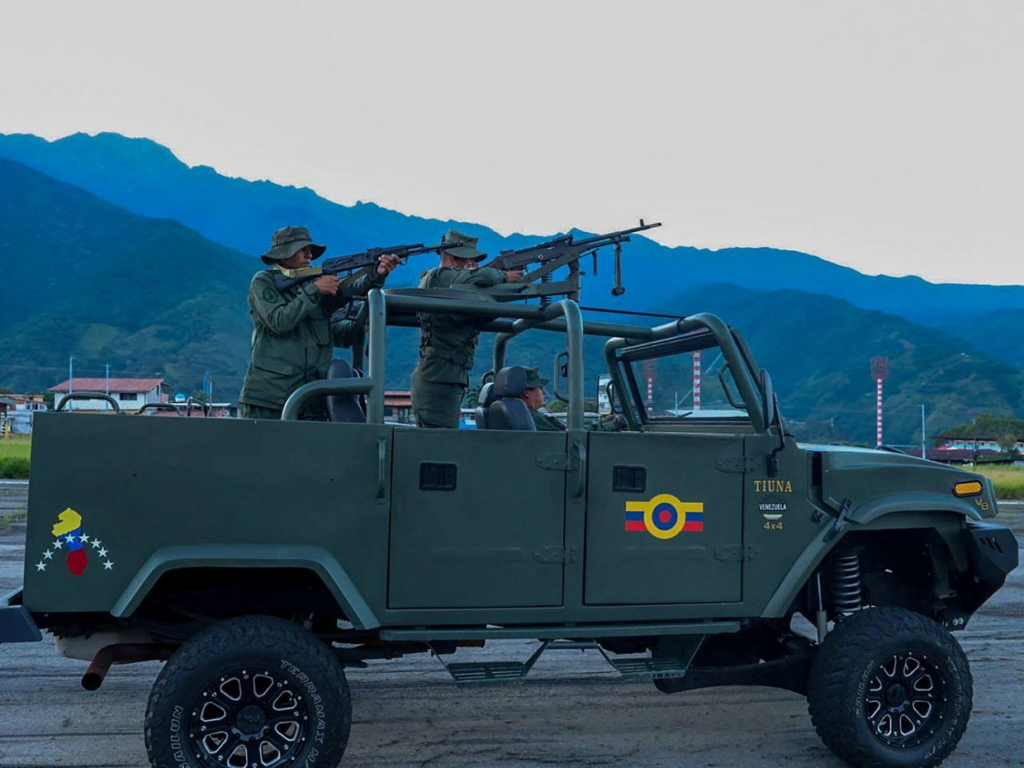
In examining the Venezuela military involvement, it becomes clear that the armed forces have a considerable impact on the nation’s current challenges. As political instability grips the country, the military’s pervasive role in Venezuela has escalated, often intertwining with illegal activities that exacerbate the existing crises. This situation not only highlights the complexities of Venezuela politics but also raises concerns about potential guerrilla war risks, threatening peace and order in the region. Analysts are increasingly referencing historical frameworks like the Monroe Doctrine to understand foreign influences and military dynamics at play. The ramifications of Venezuela military involvement extend beyond borders, inviting global scrutiny and intervention.
The engagement of Venezuela’s armed forces is a pivotal aspect of the nation’s ongoing turmoil. With the military deeply embedded in various sectors, their influence complicates the already fragile political landscape. The implications are far-reaching, as the risks of armed insurgency loom large, underscoring the precarious situation faced by citizens. Many observers point to the historical context provided by the Monroe Doctrine to grasp the contemporary implications of military actions in Latin America. Understanding the military’s role against a backdrop of political upheaval is essential for analyzing the future trajectory of Venezuela’s governance and stability.
The Role of the Military in Venezuela’s Political Landscape
In recent years, the military’s involvement in Venezuela has evolved into a dominant force within the political landscape. The armed forces are not just military units but vital players in governance, often taking on roles that blur the lines between military duties and political function. This integration has led to a situation where military leaders participate in the nation’s decision-making processes, raising concerns about accountability and democratic principles. The military’s substantial control over various sectors such as oil, food distribution, and even local governance underscores its significant role in Venezuela’s ongoing crisis.
The entwinement of the military and political spheres in Venezuela poses challenges not only to national stability but also to international relations. The implications of this militarization extend beyond domestic politics, invoking historical doctrines like the Monroe Doctrine. The U.S. has traditionally viewed any military involvement in Venezuela as a potential threat to regional security, which complicates diplomatic relations and may incite external interventions as tensions continue to escalate.
Venezuela Military Involvement: A Double-Edged Sword
The involvement of the Venezuelan military in the current regime has created a paradoxical situation. While the military maintains order in a nation riddled with chaos and societal unrest, it simultaneously engages in activities that may exacerbate the existing crisis. Reports indicate that factions within the military are involved in illegal activities, including drug trafficking and corruption, further undermining public trust. This duality illustrates how the military is both a protector and a perpetrator within the context of Venezuelan society, complicating the already delicate balance of power.
The military’s heavy-handed approach often leads to violent confrontations with civilian populations, raising fears of a potential guerrilla war. As opposition movements gain momentum, the likelihood of insurgency increases, pushing society towards an uncertain future. These risks are inherently tied to the political maneuvers of the the governing bodies, which rely on military strength to quell dissent rather than addressing the root causes of unrest and dissatisfaction among the populace.
The Monroe Doctrine and Venezuela: Historical Context
The Monroe Doctrine, established in the 19th century, reflects the United States’ longstanding policy toward interference in Latin American affairs, particularly regarding militaristic approaches. This doctrine underscores a significant historical framework that informs the geopolitical dynamics currently at play in Venezuela. In the wake of recent political upheavals and the military’s prominent role in governance, the doctrine is often invoked as nations weigh the risks of intervention versus the implications of inaction. Understanding this historical context is crucial for analyzing contemporary political maneuvers and foreign policy choices related to Venezuela.
In light of the Monroe Doctrine’s principles, the United States has had to navigate a complex landscape of support and opposition in Venezuela. As civil unrest and military exploitation escalate, U.S. actions reflect a careful balancing act. On one hand, there is a desire to support democratic reforms, while on the other, the fear of a power vacuum that could lead to increased Russian or Chinese influence looms large. Thus, the Monroe Doctrine’s legacy plays a critical role in discussions about foreign military involvement and its ramifications for Venezuelan politics.
Guerrilla War Risks in Venezuela: A Growing Concern
The specter of guerrilla warfare looms over Venezuela as political instability and economic crisis drive wedge issues among different factions. With the military increasingly involved in domestic oppression, dissenters feel pushed towards radical measures. Historic grievances, combined with a populace desperate for change, create the perfect breeding ground for guerrilla movements to take root. This potential insurgency poses significant risks not just for Venezuela but for regional stability as well, as external actors might get involved in counterinsurgency efforts.
Moreover, the situation in Venezuela has far-reaching implications for surrounding countries, as neighboring nations become wary of spillover effects. The possibility of a guerrilla war draws concern for increased migration flows, cross-border violence, and the potential for regional destabilization. The international community must therefore closely monitor these risks, balancing the need for humanitarian support while being mindful of the historical challenges seen in South America when addressing such conflicts.
Dynamics of Venezuela Politics Under Military Rule
Venezuela’s political environment has become increasingly polarized, largely influenced by the military’s involvement. Military figures occupy key governmental positions, fundamentally reshaping the decision-making process. This shift has led to policies that prioritize military interests over civilian concerns, often resulting in neglect of critical social issues like health care, education, and economic reform. These dynamics present a daunting challenge for any opposition movement seeking to restore democracy and the rule of law in Venezuela.
The entrenchment of military leaders within the political hierarchy complicates potential solutions. As they consolidate power, it becomes increasingly difficult to envision a democratic transition. The potential for conflict rises as opposition parties seek to reclaim influence, and the military apparatus views them as threats to its authority. Navigating through this intricate political maze is essential for understanding the broader implications of military influence on Venezuela’s future.
International Responses to Venezuela’s Military Governance
The international community is monitoring Venezuela’s military governance with a keen eye, especially as widespread reports of human rights violations emerge. Countries that advocate for democracy and human rights have expressed outrage over the military’s suppression of dissent. As a result, several nations and international organizations have imposed sanctions targeting military leaders and their business interests, attempting to pressure the government into reform. This approach underscores the global implications that Venezuela’s situation has on diplomatic relations and international law.
However, responses vary dramatically, with some nations opting to support the Maduro regime under the guise of sovereignty and non-intervention. The tension between these diverging international stances has further complicated Venezuela’s situation. Finding a unified approach is crucial to provide effective support to the Venezuelan people without inciting further conflict, reflecting a broader struggle to uphold democratic values in the face of authoritarian resilience.
Economic Implications of Military Control in Venezuela
The military’s stronghold over Venezuela’s economy presents various challenges that contribute to the ongoing national crisis. With military figures controlling essential industries, including the lucrative oil sector, economic decisions often prioritize the military’s interests over those of the general populace. This control results in widespread corruption and mismanagement, exacerbating the already dire economic conditions. Allocating resources towards military needs at the expense of public welfare leads to heightened poverty levels and social unrest.
Moreover, the intertwining of military and economic spheres hampers international investments and aid opportunities. Foreign investors are hesitant to engage in a volatile climate where military involvement suggests instability and risk. Ultimately, Venezuela’s economy remains stagnant as military governance perpetuates a cycle of dependency and decline, thus emphasizing the critical need for comprehensive reforms to disengage the military from economic governance.
The Future of Venezuela’s Civil Society Amidst Military Influence
Venezuela’s civil society faces enormous challenges under the military’s pervasive influence. The repressive political environment discourages civic engagement, creating a climate of fear where citizens are apprehensive about voicing dissent. Activists and organizations fighting for social justice work under dire circumstances, often facing violence and persecution at the hands of military forces. The erosion of civil freedoms poses substantial risks to the future of democracy, as civil society becomes crippled under authoritarianism.
Despite the oppressive landscape, there are burgeoning movements within Venezuela’s civil society that seek to foster change from the ground up. Grassroots organizations continue to mobilize, creating networks of solidarity that resist military rule. These movements are crucial in maintaining the spirit of resistance against authoritarian tendencies while striving for a more democratic and equitable future, showcasing the resilience and determination of the Venezuelan people in the face of daunting odds.
Impacts of Global Politics on Venezuela’s Military Strategy
Venezuela’s military strategies are increasingly shaped by global political dynamics, especially as tensions rise between major powers. The country’s geographical location and abundant natural resources make it a focal point for geopolitical interests, with significant implications for its military policies. China’s and Russia’s support for Venezuela amidst U.S. sanctions has altered the strategic landscape, presenting an avenue for military collaboration that may provide the regime with tools to solidify its power. This shifting allegiances demonstrate how external influences can shape domestic military strategies.
As global politics evolve, Venezuela’s military might also seek to forge new alliances, potentially realigning itself to counter Western influence. The military leadership’s willingness to engage with countries that challenge U.S. hegemony could indicate a long-term strategy to bolster national defense and counteract isolation efforts. Understanding these global implications is key to predicting future developments in Venezuela, as regional stability hinges on the interplay of military capabilities and international relations.
Frequently Asked Questions
What is the military’s role in Venezuela amidst the current political crisis?
The military plays a crucial role in Venezuela, significantly influencing the political landscape and governance. Amid the ongoing crisis, they are often involved in state functions and, according to various sources, engage in illegal activities that complicate the Venezuela situation.
How does the Monroe Doctrine apply to Venezuela’s military involvement in politics?
The Monroe Doctrine is a significant historical policy that has implications for Venezuela’s military involvement in politics. It suggests that outside powers should not interfere in the affairs of the Americas, thus directly affecting how Venezuela’s military actions and politics are perceived internationally.
Are there risks of guerrilla warfare due to military involvement in Venezuela?
Yes, there are significant risks of guerrilla warfare in Venezuela stemming from its military involvement in politics and society. The military’s actions can provoke violent opposition, potentially leading to a more chaotic situation and increased guerrilla war risks in various regions.
What factors are driving the military’s significant involvement in Venezuela?
Several factors contribute to the significant involvement of the military in Venezuela, including economic instability, political repression, and the military’s control over key resources. This dynamic has led to the military’s deep entrenchment in Venezuelan politics.
How does the current Venezuela situation affect the military’s authority and control?
The current Venezuela situation has intensified the military’s authority and control over both the government and civilian life. This is manifested through their strategic involvement in governance, which grants them a pivotal role amid rising tensions and civil unrest.
What international responses have there been regarding Venezuela’s military dominance in politics?
International responses to Venezuela’s military dominance have varied, with some nations condemning the actions while others, particularly in the region, interpret it through the lens of national sovereignty and the Monroe Doctrine, complicating foreign intervention discussions.
What are the implications of military control for Venezuela’s political future?
The military control over Venezuela’s politics suggests a future with limited democratic freedoms and ongoing social unrest. As the military becomes more entrenched, the Venezuela situation may face escalation in conflict and potential guerrilla warfare scenarios.
How is the international community monitoring Venezuela’s military involvement in state affairs?
The international community closely monitors Venezuela’s military involvement through various means, including sanctions, diplomatic pressures, and humanitarian assistance efforts aimed at mitigating the impact of military dominance on the civilian population.
| Key Points |
|---|
| The military in Venezuela has a significant involvement in the country’s politics and social structure. |
| Various military members are allegedly engaged in illegal activities. |
| Political analyst Wolfgang Muno discusses the deterioration of the Venezuelan situation. |
| Concerns of a potential guerrilla war arise due to increased military tension. |
| The Monroe Doctrine’s relevance is discussed in the context of American diplomatic policy. |
Summary
Venezuela military involvement has become a critical aspect of the current political landscape, highlighting the significant role the military plays in governance and illegal operations. With expert analysis from Wolfgang Muno, the complexities of the situation in Venezuela are further emphasized, noting the risks of escalating conflict, such as potential guerrilla warfare. Additionally, the Monroe Doctrine remains a pivotal reference point in understanding foreign interventions and influences in Latin America.

